

Understanding the psychological tricks that drive gambling behavior
The Allure of Risk and Reward
Gambling captivates millions because it taps into fundamental human psychology, particularly the thrill of risk and reward. The excitement of potentially winning big can overshadow the realistic odds of losing. This phenomenon is often linked to the dopamine release in the brain, a chemical that plays a key role in pleasure and reward. When individuals gamble, they experience a surge of dopamine that creates feelings of excitement and anticipation, reinforcing their behavior despite the potential for loss. Many are drawn to casino sites because they promise thrilling experiences and potential wins.
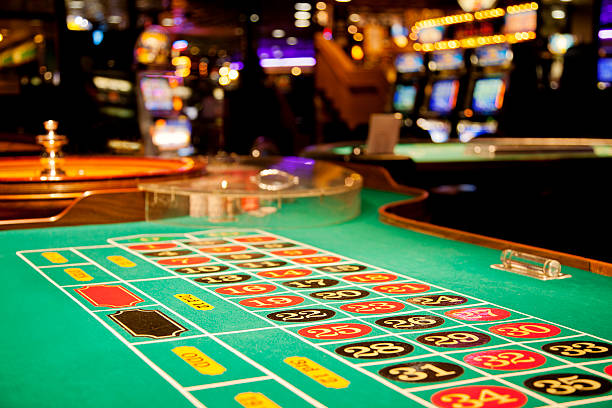
Furthermore, the concept of variable rewards, similar to what one might experience in a slot machine, keeps players engaged. The unpredictability of when and how much one might win amplifies the thrill, making the gambling experience addictive. This is why many find themselves drawn back to casinos or online platforms despite previous losses.
The Role of Cognitive Biases
Cognitive biases significantly influence gambling behavior, often leading individuals to make irrational decisions. One common bias is the “gambler’s fallacy,” where individuals believe that past events can influence future outcomes. For example, a player might think that after a series of losses, they are due for a win, leading them to gamble more in hopes of recouping their losses.
Another prevalent cognitive bias is the “illusion of control,” where gamblers believe they can influence the outcome of games that are purely based on chance. This misguided belief can lead to overconfidence and increased gambling activity, as players feel more capable of winning than they actually are. Understanding these biases can help individuals recognize when their judgment may be clouded by psychological factors.
The Environment’s Influence
The environment in which gambling occurs plays a crucial role in shaping behavior. Casinos are designed to create an atmosphere of excitement and allure, filled with bright lights, enticing sounds, and a lack of clocks to keep players engrossed. This carefully curated environment fosters a sense of euphoria that can cloud judgment and encourage prolonged gambling sessions.
Additionally, social factors such as peer influence can impact gambling behavior. Being surrounded by other gamblers can create a sense of community, making it more likely for individuals to engage in gambling activities. This social reinforcement can further enhance the thrill of the experience and lead to increased betting, often without a clear awareness of the associated risks.
The Impact of Marketing Strategies
Marketing strategies employed by gambling establishments also exploit psychological principles to draw in customers. Promotions like “free bets” or “welcome bonuses” create a perception of value, enticing new players to try their luck. These offers often downplay the risks involved, making gambling seem more appealing and accessible.
Additionally, targeted advertising can play on emotions and desires, portraying gambling as a glamorous lifestyle choice. By associating gambling with success, excitement, and social status, marketers create a desire that can overshadow rational thinking. This psychological manipulation can lead individuals to gamble more than they initially intended, driven by a desire to achieve the lifestyle depicted in advertisements.

Explore More on Our Website
To delve deeper into the complex psychology of gambling, our website offers a wealth of resources and insights. We aim to educate visitors on the underlying psychological principles that drive gambling behavior and provide tools for responsible gaming. Understanding these elements can empower individuals to make informed decisions about their gambling habits.
Whether you’re a casual gambler or someone seeking to understand the addictive nature of gambling, our platform provides valuable information that promotes a healthier approach to gaming. Join us as we explore the fascinating interplay between psychology and gambling, equipping you with knowledge for a safer experience.