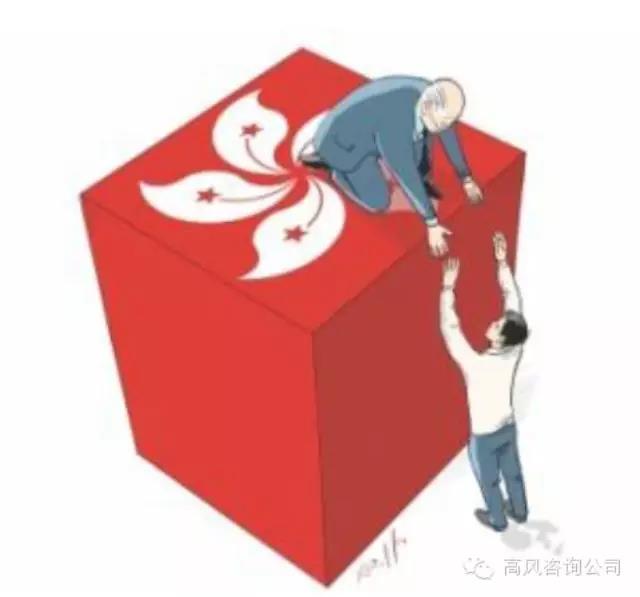
SCMP | Hong Kong’s Way Forward is through Innovation

Edward Tse and Sunny Cheng
Monday, 02 March, 2015

Edward Tse and Sunny Cheng say setting up an innovation and technology bureau is a necessary first step for Hong Kong on the road to creating an ecosystem for entrepreneurs

Smartphones have changed the world. In many ways, they are more powerful than a personal computer because people carry them around all day, every day. App developers all over the world are constantly thinking of new ways to make them even better, doing things we never dreamed possible on a portable device.

After the 2011 earthquake and tsunami in Japan, and the subsequent nuclear disaster, many Japanese lived in fear of eating food contaminated with radiation, so they sought new ways to measure radioactivity and share the information with others. In less than six months, cheap Geiger counters emerged and Japanese were able to share their measurements online in real time.

Professor Nick Negroponte, the charismatic founder of the renowned Massachusetts Institute of Technology Media Lab, said the guiding principle for the lab was “demo, or die”. Twenty years ago, he had to demonstrate his idea of using a finger to move an object on a screen before anyone would believe it was possible. Today, even a toddler can do it on a smartphone. The world is changing rapidly and we cannot afford to lag behind. A couple of years ago, the Media Lab hired a new director, Joi Ito, and he changed their motto to “Deploy, or die.” The rapid deployment of a mass radioactive monitoring network is a good demonstration of that motto.

Ito visited Shenzhen last year and was surprised to find it a hub of innovation. While Silicon Valley remains the media’s star, Shenzhen is emerging as the centre for new devices. Ito said in his blog, “…I believe that Shenzhen, like Silicon Valley, has become such a ‘complete’ ecosystem that we’re more likely to be successful building networks to connect with Shenzhen than to compete with it head on.”

Shenzhen has much to offer. On Valentine’s Day, the media highlighted Chinese rock star Wang Feng’s proposal to movie actress Zhang Ziyi using a drone. That drone was made by DJI, a Shenzhen-based technology company founded by Hong Kong University of Science and Technology graduate Wang Tao. Today, it is the global leader in small consumer drones with sales of some 3 billion yuan (HK$3.78 billion).

Shenzhen and Hong Kong can emerge together as a strong, innovative hub for the world, and a gateway to the huge China market. Unfortunately, most people in Hong Kong are still napping; they need to wake up and seize the opportunities that China offers.

Our education system nurtured the birth of DJI and many others, but we must not stop there. Setting up an innovation and technology bureau is a necessary first step, but it will not be enough. We need the public and private sectors to work together. We must continue to set up incubators and provide the venture capital and angel investors so innovative firms can grow. We need an ecosystem like Silicon Valley, a place where entrepreneurs go to succeed and fulfil their dreams.

The HK$1 billion foundation set up by Alibaba’s Jack Ma to help young Hongkongers start their own ventures is an inspirational step. Hong Kong tycoons should consider giving back to the community, too. They need to inspire our young people. Hong Kong prospered in the 1970s when the immigrants who arrived in the 1950s and 1960s seized the opportunities and made the city a global trading hub. Our young people should seize their own future, as our forefathers did.

The civil service, meanwhile, needs to review where the Innovation and Technology Commission went wrong, and why. An innovation and technology bureau must be more than just a “renamed” commission. The government should also reflect on the West Kowloon Cultural District’s failings.

Legislators have already done enough damage with their filibustering. It’s time for them to stop interfering and using Cyberport as a reason for blocking the new bureau. We just need to make sure we learn from past mistakes. Lawmakers should help build a better Hong Kong, not kill any hope of a bright future.

It should also be remembered that failure is the master of innovation; all science and technology students can learn from failures and mistakes. So an innovation and technology bureau must allow for failure, without which there will be no innovation.

Just as Apple’s Steve Jobs advised college graduates to follow their hearts, the head of the bureau should also follow his or her heart and become a leader of innovation. Falling short of this mark would make the bureau useless, which is what the pan-democrats are campaigning about.

The idea to create such a bureau is the government’s first major move following the Occupy protests to help our youth secure a better future. The people of Hong Kong must leave the past behind. Only when everyone moves forward with a new vision can we foster real change. The time for change is now.

Edward Tse is founder & CEO of Gao Feng Advisory Company, a global strategy and management consulting firm with roots in Greater China. Sunny K. W. Cheng is an environmental technology consultant.

This article appeared in the South China Morning Post print edition as Innovate, or die


南华早报 | 中国汽车业将进入另一个黄金时代

谢祖墀, Bill Russo
2015年01月24日
来源: 南华早报中文网

中国经过十年惊人的经济增长,2009年已超越美国成为全球最大汽车市场。从那时起,尽管美国汽车销量恢复增长,但中国汽车销量却拉阔了与美国的差距,达2350万辆,而美国的销量为1700万辆。

然而,中国汽车销量去年增长7%,仅为2013年的一半左右。实际上,过去四年的其中三年,中国汽车销量都维持在个位数增长,促使许多市场追随者认为这是“新常态”。有人说,中国汽车业的光辉时代已经过去。

事实上,有很多值得担心的理由。除了中国整体经济增长放缓外,越来越多城市限制汽车销售,以应对交通拥堵和气体排放问题。上月,深圳就联同其他城市(包括北京、天津、上海、广州、杭州和贵阳),通过限制购车以阻止汽车增加。

此外,未售出车辆的库存不断上升,促使中国汽车流通协会公然挑战国际名牌车商(包括宝马和丰田),要求他们增加对经销商的鼓励措施,调低2015年销售目标。虽然这些情况在中短期内令人关注,但我们认为,中国汽车市场正在进入另一个阶段:为本地和全球汽车制造商提供全球最有利可图的发展机会。事实上,中国汽车产业正面临重大变革,这种变革将彻底改变行业格局,也会带来机遇和挑战。

低效率、由资产驱动经济增长的时代已经成为过去。总体而言,由于部份厂商之前对经济前景过份乐观,结果出现产能泡沫。该问题在中低档市场最为严重。由于制造商试图以比竞争对手更低的价格出售多余存货,将令原本已极为激烈的竞争环境雪上加霜。

中国汽车业要健康、稳定地发展,就有必要经历行业重组。政府实施政策30余年,让中国获得外国技术和资本,以壮大内地产业。这方法虽有助于刺激整体经济增长,但却无助于巩固国内汽车制造商的基础。因此,弱势品牌最终会被整合、淘汰。

中国汽车业将以一个较可持续的速度持续扩张,二、三线城市的首次购车人士将持续增加,加入较发达地区的再购车人士及换车人士,成为车主。

一个进阶版的“二进制”市场将会出现,即一线城市的消费者会继续倾向购买国际品牌,二、三线城市消费者将以购买廉价品牌为主。

然而,二、三线城市的新富人士将会大幅增加,他们将开始模仿富裕阶层的消费习惯。

这个发展将为国内外厂商带来黄金商机。例如福特和长城汽车就曾预测,人们将倾向购买小型运动型多用途车(SUV),而这种汽车的销量一直高于业界平均水平。与此同时,由于高净值客户越来越多,欧洲高档汽车制造商(如奥迪、宝马、奔驰和路虎)的销量近年都录得大幅增长。

在未来,市场可能会出现如混合型多功能车和多用途车辆等新产品,但这些车款未必会像SUV/豪华房车般那样具有庞大市场或赚取高额盈利。因此,我们相信,中国汽车产业将会进入另一个黄金年代。中国仍将是全球最大、增长最快的汽车市场。经过多年来移动连线技术、“大数据”和社交网络的发展,“汽车互联网”(internet of vehicles)技术正在改变业界格局,而连接移动(connected mobility)技术,则令导航、分析、驾驶安全及驾驶辅助等技术发展更加迅速。

旧有的汽车产业模式为中产消费者带来流动上的便利,但现已不再符合中国国情,也不利于发掘创新机会。

鉴于中国都市运输业正面对严峻挑战,加上传统汽车污染环境,问题日益受到关注,因此,一种专门应对个人城市流动问题的解决方案,很可能会应运而生。事实上,传统的汽车所有权模式,正因为许多因素而出现转变,其中包括城市化、年轻消费者期望不断提高,以及通信科技和“大数据”的迅速发展等。

许多新概念正在涌现,将非传统企业(其中许多都是国内企业)带入了市场生态系统。其中一个例子就是出租车应用程序,例如阿里巴巴的“快递打车”和腾讯的“滴滴打车”,每天各自处理的交易宗数就超过500万宗。

中国作为全球主要汽车市场,有望能彻底改变环球汽车业格局,以迎来以智能车辆和移动连接科技为主的新时代。

谢祖墀是高风咨询有限公司创始人兼首席执行官,Bill Russo是该公司董事总经理。高风咨询公司是立足于大中华区的全球战略和管理咨询公司。

(翻译/ Nelson Cheng;编审/ Alison Yeung)


企业战略 | 在动态环境中创新

在竞争环境日趋激烈和变幻莫测的今天,移动互联网让不同行业都或多或少地受到冲击,行业内的竞争格局和生态系统的变化也变得明显。在这种动态的环境中,我们发现了几个典型现象:第一,企业的竞争优势变得很短暂。宝洁(P&G)曾在中国市场独占鳌头,但近几年的销售额增速一再放缓,竞争优势被本土品牌和其他外资品牌削弱。第二,行业的边界被重新定义。互联网金融就是一个很明显的例子。由互联网公司和基金公司推出的货币基金,比如阿里巴巴和天弘基金推出的余额宝,以及近两年迅速升温的P2P 网贷,都将金融产品零售和融资领域重新定义,使我们很难界定这些互联网公司到底应该划分在互联网行业还是在金融行业。第三,行业生态系统不断变化。小米手机在由研发、采购、生产、营销与销售所组成的整个上下游环节中颠覆了传统手机产业的模式,开创了全新的生态系统,其估值也遥遥领先于国内其他手机生产商。第四,有生命力的企业始终保持着适当的节奏和速度对自身进行调整。阿里巴巴从推出淘宝网和聚划算,到拆分淘宝网,再到重组25 个事业部以及进军移动端,始终很好地掌握着节奏并及时甚至是有预见性地做出调整,也因此为现在的成功埋下伏笔。第五,企业组织结构与业务、战略的调整相适应。很多企业,比如海尔、联想、华为等都在调整老的企业组织结构来适应新的业务模式和企业发展战略。在这些现象出现的大背景下,越来越多的企业问自己:如何能够灵活、迅速并且紧密地与终端客户联系起来?

我们看到,已经有很多新兴企业和不少传统行业龙头都在进行着创新和塑造创业精神的工作,而这种创新和创业精神正是他们在当前动态竞争环境下获得立足和发展的关键。小米在短短的几年内迅速发展,2014 年间估值已上升至400 亿美元。小米在产品、服务、品牌和销售的每一个环节都建立起与消费者的互动,营造消费者参与感。我们看到的小米粉丝群就是基于消费者参与形成的庞大社群,由小米员工和消费者共同构筑并保持利益一致。这不仅创造了口碑效应,也为小米带来了巨大价值。同时,小米的组织结构灵活,执行力敏捷、有效,使得小米对产品和服务能够进行快速迭代,从而提高了消费者的满意度并保持了良好口碑。同样是在新产业方面,腾讯的微信是获得巨大成功的另一个典型案例。腾讯长期浸淫在互联网社交领域,对消费者有非常深入和准确的认识,而微信就是在对消费者需求的了解中孕育而生。我们知道,微信从投入使用开始,至今一直在更新细节,强化功能,这种逐步的演进既基于需求又很好地满足需求。在组织结构方面,微信战略并不是源自于腾讯的深圳总部,而是由广州研发部的张小龙在了解市场、研发并试运行成功的基础下演变为整个腾讯公司的企业战略。而且,腾讯简单、灵活的组织结构为微信战略的高效执行提供了基础。

在传统行业中,家电行业的龙头企业海尔清楚地知道,在当前的竞争环境下变革时不我待。张瑞敏远见又有危机感,所以他不是固步自封,而是始终保持与趋势同步,甚至希望引领趋势。他的领导,为海尔带来的不仅是传统意义上对员工的管理,更是在搭建让员工发挥创业精神的海尔企业平台。海尔现在正在进行一场历史性的变革,企业的组织流程简单化,将员工变“在岗”为“在册”,以此激发创业精神并实现企业内部的若干小创业单位,使得整个海尔能够紧密地联系动态变化中的市场并迅速作出应对,保持竞争力。

那么,我们如何进行创新和塑造创业精神?从企业领导来讲,应该要有居安思危的意识。比方说海尔的张瑞敏,尽管海尔是家电行业的龙头,但张瑞敏着眼未来,并预见倘若不及时调整很可能会遇到巨大的危机。同样,领导要致力于将企业与员工的利益联系起来,能够激发并且团结员工。企业领导一方面要保持企业员工的凝聚力和大方向的决策正确,另一方面要把组织结构简单化、灵活化。因为企业如果要贴近市场并对市场的变化作出迅速反应,必须有一个相适应的组织结构。同时,也需要调整KPI 系统,建立明确、简单的绩效评价和奖惩体系。企业的文化应该是鼓励创新的,只有保持创新才能使企业保持生命力。阿里巴巴的合伙人制度使得马云和蔡崇信牢牢把握企业控制权,使企业在创业家精神下始终保持活力,走在正确的道路上。贯穿企业上上下下的创业精神则是激发员工,培育创新的助推器。万科的合伙人制度要求项目一线管理者投资成为“合伙人”,旨在激励员工,培养创业精神,使一线管理者更紧密地把个人利益与企业利益联系在一起。

但当我们谈到创新、创业精神的时候,我们需要考虑清楚,企业需要具备什么条件,以及需要解决哪些问题。第一,我们是否准备好了接受改变。也就是说我们是不是非变不可,而不改变的话我们会走向何方。第二,我们是否具备了进行改变的要素。我们的领导力是否能够支持企业的变革,我们是否有明确的愿景和为了这个愿景进行变革的决心。第三,我们如何去改变。我们是否考虑清楚进行变革的路径和方法,我们是否知道如何正确地评估变革的成败,这些先决条件都是需要经过我们的深思熟虑。只有将这些考虑清楚,才能实现创新和塑造创业精神,进而在动态的竞争环境下站稳脚跟。

SCMP | Restructuring will set stage for new golden age of China’s auto

Author: Edward Tse and Bill Russo
Source: 《South China Morning Post》

Restructuring will set stage for new golden age of China’s auto industry

Edward Tse and Bill Russo say the days of rapacious growth may be over for China’s auto industry, but it will still set the pace with its sheer market size and mobile technology

After a decade of breathtaking growth, China surpassed the United States as the world’s largest automotive market in 2009. Since then, in spite of a recovery in US sales, China has widened the gap, with sales of 23.5 million vehicles compared with 17 million in the US.

However, the 7 per cent growth of last year was about half that achieved in 2013. In fact, China has witnessed single-digit growth in three of the past four years, prompting many market followers to label this the “new normal”. Some say the best times for China’s automotive industry are now in the past.

Indeed, there are many reasons to worry. In addition to the overall slowdown of China’s economy, a growing number of cities are implementing curbs on car sales, seeking to address concerns about congestion and emissions. Last month, Shenzhen joined a growing list of cities, including Beijing, Tianjin , Shanghai, Guangzhou, Hangzhou and Guiyang , in an effort to cut the growth of the car population by limiting purchases.

Meanwhile, the rising inventory of unsold vehicles has prompted the China Automobile Dealers Association to openly challenge global brand-name manufacturers, including BMW and Toyota, to increase incentives to their dealers and lower sales targets for 2015. While there is certainly cause for concern in the near term, we believe China’s auto market is moving into a new phase, one that still offers the most profitable growth opportunities in the world for both local and global carmakers. Indeed, China’s auto industry is on the cusp of major change that will fundamentally reshape things, bringing both opportunities and challenges.

The age of inefficient, asset-driven growth is over. Overall, there is a capacity bubble after some manufacturers over-estimated growth prospects.The problem is worst at the middle and lower end of the market. An already hyper-competitive environment will become more cutthroat as manufacturers try to undercut competitors’ prices to sell excess stock.

Restructuring China’s auto industry is essential to ensure its stable and healthy development. Government policies were implemented over 30 years ago to allow China to acquire the capabilities and capital from foreign sources to build up its domestic industry. While this has helped spur overall growth, it has not yielded a strong base of domestic carmakers. Consolidation and the elimination of weaker brands is inevitable.

China’s automotive industry will continue to expand, but at a more sustainable rate, with a steady stream of first-time purchasers from lower-tier cities joining the repeat buyers and those upgrading in the more established regions.

A more “binary” market will emerge, with consumers in upper-tier cities continuing to prefer global brands, while those in lower-tier cities will seek no-frills products.

However, pockets of “new wealth” will emerge in lower-tier cities, too, and these people will begin to mimic the buying patterns of more affluent customers.

This presents unique opportunities for both foreign and domestic manufacturers. For example, Ford and Great Wall anticipated the shift towards small SUVs and have been enjoying above-average growth. Likewise, European luxury carmakers, such as Audi, BMW, Mercedes-Benz and Land Rover, have seen sales rise exponentially in recent years as a result of the growth in the number of high-net-worth consumers.

In future, new segments, such as crossover and multi-purpose vehicles, may emerge but they may not be as large or as profitable as the SUV/luxury sectors. Thus, we believe a new golden age is on the horizon for China’s auto industry. China remains the largest and fastest-growing automotive market in the world. After years of advances in mobile connectivity, big data and social networks, “internet of vehicles” technology is now shaping the industry as “connected mobility” drives advances in navigation, analytics, driver safety and driver assistance.

The old automotive industry model – a way to provide mobility for middle-class consumers – no longer fits the Chinese context, creating opportunities for innovation.

A new solution to personal urban mobility is likely to emerge in China, given the scale of its urban transport challenges and increasing concerns over the environmental impact of conventional vehicles. Indeed, the traditional car-ownership model is being reshaped by urbanisation, the rising aspirations of young consumers, and the development of communications technology and “big data”.

A number of new concepts are emerging, bringing non-traditional players, many of whom are Chinese, into the ecosystem. Examples include taxi-hailing apps such as Alibaba’s Kuaidi Dache and Tencent’s Didi Dache, which each process over 5 million transactions a day.

As the leading automotive market, China is poised to revolutionise the global car industry, ushering in the next age of smart vehicles and connected mobility.

Edward Tse is founder and CEO, and Bill Russo is managing director, at Gao Feng Advisory Company, a global strategy and management consulting firm with roots in Greater China

This article appeared in the South China Morning Post print edition as New golden age


南华早报 | 中国数码经济改写全球商务格局

作者:谢祖墀, Matthias Hendrichs
来源:南华早报中文网

“光棍节”(双11)是内地1990年代创建的节日,专为单身人士而设。几年前,阿里巴巴将它变成一个网购狂欢的日子,当日该网大批商品大幅度打折销售。今年,淘宝和天猫等与阿里巴巴相关联的平台在这一天的购物总额达到571亿元人民币(720亿港元),较2013年激增58%,据估计是美国感恩节周末网购销售额的三倍左右。

这是中国数码经济快速增长的又一证明。目前,中国网民人数约6.4亿,其中5.3亿是移动互联网用户。一批新兴互联网公司在中国涌现。全球十大互联网公司中,四家都是中国公司。他们并没有盲目模仿西方经营模式,而是根据中国国情自行创建经营模式,并以自己的方式创新。

中国数码经济有几个值得关注的趋势。

首先,许多领先的数码公司增长速度惊人。中国智能手机公司小米,四年前还不为人知,现在已跻身全球前列。小米是目前全世界产量第三大的智能手机公司,据报估值400亿美元,远远超过去年的100亿美元。

腾讯旗下的微信是非常受欢迎的传讯平台,2011年推出,当年年底用户只有5000万,现在已在全球拥有4.68亿用户。以阿里巴巴旗下的“快的”和腾讯旗下“滴滴打车”为首的打车应用软件市场,不足两年就吸引了1.54亿用户。

第二,电子商务不但在一线城市日渐普及,在中小城市、甚至农村市场的普及速度更快。电子商务在中小城市和农村的发展速度往往超过传统营商模式。 2012 年,农村用户的消费只占淘宝购物总额的7.1%,到今年第一季度已经升至9.1%。据估计,农村用户今年的网购总额将达到1800 亿元人民币。

此外,农村用户也在尝试开网店。比如说,广东揭阳一个490 户人家的村子,几乎每人都开了一家网店。网店销售非常可观,尤其是双11 期间,因此这些家庭认为这是更好的创业选择,胜过外出打工。

第三,相对于使用电脑等传统方式,以移动设备网购的趋势更为亮眼。阿里巴巴今年的双11销售额,当中约43%都是用户通过移动设备完成的。今年第三季度,移动设备网购总额达到2309.6亿元人民币,占网购总额约三成。

移动电商的重要助力之一就是移动支付解决方案。中国和西方国家不同,信用卡支付并不流行。阿里巴巴旗下支付宝是全球最大的网络支付平台,拥有1.9 亿移动用户,已经成为日常生活的一部分。支付宝不仅是内地网购的标准支付方式,还提供转账、免手续费付费(公用事业费用、电话费和信用卡还款)、公交和火车票购买(甚至可在中国境外购票),以及银行对账单等服务。

腾讯旗下财付通是中国第二大支付平台。它起源于社交媒体平台,为腾讯旗下微信的姐妹应用程式,但目前已经可以提供类似支付宝的各项服务。

最初,中国数码商务的兴起是因为西方的应用和平台往往被屏蔽,因而有需要提供本土出品的选择,同时也希望顺应中国用户的行为方式,寻求满足其不同的需求。但如今,虽然中国数码公司仍将国内市场视为重点,但也积极拓展国际业务。今年的双11 期间,就有来自217 个国家和地区的用户下单,远高于去年的130 个。

小米也迅速拓展国际业务,印度是其第二大市场。微信在中国境外增长迅速,与对手WhatsApp 展开竞争。到2013 年底,微信的活跃国际用户已经超过1亿大关。

这些趋势有着重大意义。中国消费者的需求模式和购买行为正在发生根本性的转变。传统零售模式的销售额增长最高也只在个位数低端,而几乎各类商品的网络销售额增速都远超传统模式。

对各个品牌、零售商和房地产开发商来说,近年对实体门店、大型商场和零售基础设施的投资都成了沉重的负担。越来越多消费者选择更方便、价格更优惠、服务也更加个性化的网购方式,导致实体资产的生产力日渐下滑。

企业经营模式也因此显著改变。业内老手受到新创公司和互联网公司的挑战。进军市场不再受到高壁垒所阻,商家能够轻易接触消费者。在许多情况下,主导网络市场份额的不再是传统企业,而是拥有创新经营模式的新创企业。

为应对这种转变,传统零售商想出O2O(离线商务模式)这个新概念,以门店为展厅吸引潜在消费者,真正的交易在网上完成,商品从仓库直接送到消费者手中。当然,这个模式反过来也可行,网店吸引客户,促进实体商店及食肆的业务。在许多行业,数码技术都颠覆了行业边界和价值链的定义。

新的生态系统正在形成,企业不但要考虑竞争问题,同时也要考虑合作事宜。就是在这种情况下,中国涌现各种创新方式。

许多公司都在思考:应该怎样调整战略、业务模式和组织结构?需要构建怎样的文化和心态?这些问题的答案都很重要,而要达致成功,需要做出的改变可能非常艰难。

这些改变会将行动迟缓或无力适应的公司挤出市场。很多情况下,还会为现行制度和政府政策带来挑战。数码经济正在蓬勃发展,不但改变了中国的商业格局,也会逐步改变全世界。

谢祖墀是高风咨询有限公司创始人兼首席执行官,Matthias Hendrichs是该公司董事总经理。高风咨询公司是立足于大中华区的全球战略和管理咨询公司。

企业战略 | 移动互联是中国汽车工业的一条新跑道

近年来,移动通信、大数据和社交网络等科技在飞速发展,今天,移动互联网科技已经渗透到传统的汽车行业里,成为全球技术的前沿领域。这种“移动互联”促进着导航、分析、驾驶员安全、驾驶辅助与信息虚拟化等领域的科技发展。对于想要成为全球移动互联领域领导者的传统汽车生产厂商以及新兴竞争者而言,理解这个行业所面临的机会和威胁将是新竞争环境中的挑战。

与此同时,作为全球规模最大和发展最快速的市场,中国改变了21 世纪全球汽车工业的竞争格局,同时,中国有望建立将前沿科技商业化的汽车工业道路。中国移动设备用户对移动互联设备需求的快速增长和中国互联网巨头的积极商业战略将为智能联网汽车技术的快速商业化创造条件。车联网(Internet of Vehicles)的出现,也使得中国将有机会革新全球的汽车工业。

在过去100 年中,汽车工业的创新主要依靠工程技术。今天,以工程技术为基础的数字和移动互联技术已经成为新的创新点。与此同时,传统的挑战却继续存在,包括成本压力、不断变化的市场以及行业格局。

另外,越来越多的人开始意识到汽车生产商不可以再简单地套用传统的模式。他们需要重新审视和调整自己的战略重点,部署适当的投资和资源,并开发新技术去实现这些战略目标。因此我们看到汽车工业比以往任何时候更注重创新。根据BCG 2013 的调查,在全世界前50 名最具创新能力公司中有十四家是汽车制造商,而他们都注重于以下四个方面的创新:动力传动系统、轻质材料、互联汽车以及主动安全/ 辅助驾驶系统。

我们也看到汽车生产商正着力于建设开放式创新模式来驱动外部创意和内部孵化。通过使用开放创新平台,它们可以提高其创新能力并积极利用企业外部人才。这种创新方式帮助汽车生产商识别现有市场需求,以及新的和潜在的需求,同时实现创新解决方案,包括新技术、新服务或对现有技术的新应用。

汽车生产商将要面临的挑战是如何以用户需求为核心地有效设计流程,从而将技术应用到产品线上,并借此在市场上获得竞争优势。这也将激发对支持新商业模式和车辆所有制趋势的需求(比如车辆租赁或车辆共享计划)。现在我们看到的一个市场大趋势是互联汽车技术的发展,这项技术已经使汽车工业产生了巨大的变革,同时也可能是预见未来汽车工业中差异化的关键因素。

互联汽车正在改变着我们对驾驶体验的感知。互联汽车技术四个重要的领域将塑造行业未来,催生新的商业模式并创造新的科技格局。

导航和泊车 如今车辆导航技术已成为汽车标准配置,驾驶员间和用户间的交互性也日趋普遍,并将成为未来新车型的一个标准配置。在国外,手机应用Waze 拥有一个由7 万多名会员组成的社区,这些会员帮助Waze 编辑地图和添加一些细节信息,如特定加油站的汽油价格,或是驾驶员在何处应留心超速监视区和避免发生交通事故等。谷歌近期以10 亿美元收购Waze 并将其与谷歌地图整合,以向世界各地的人们提供众包信息。互联技术也在改变着人们泊车的选择,许多新兴公司正在使用智能计算实时预测泊车行为并同时提供给驾驶员和居民时效地图。而在导航和泊车领域一个重大的挑战是如何使这些服务产生经济效益。

汽车分析系统 车载分析系统(In-vehicleanalytics)对于技术提供者来说同样创造了众多的机会。这项技术最初是用于大型商船舰队中,它使实时管理船只驾驶情况与诊断船只成为可能,并帮助提高舰队安全性,显著降低维护成本。这项技术在大众消费市场的定位还未明确,但我们可以预见它将改变汽车的维护和保险方式,并提供监测家庭成员驾驶行为和模式的功能。

可穿戴设备 互联汽车领域另一个重要元素是可穿戴设备及从中获得信息,它将帮助创建更广泛的网络,短期内即可以实现连接在尚未联网汽车中的司机。例如,在安装平视显示器或者虚拟投影前,智能眼镜可以提供增强的真实场景导航。使用可穿戴移动设备中的数据可以提供丰富的个性化数据,使得车辆实现环境认知,从而更好地应对驾驶员的各种具体需求。

驾驶安全和自动驾驶 在传感器和驾驶员安全的领域我们可以看到已有公司使用各种技术,包括激光、摄像头、夜视系统和雷达等,建立智能驾驶员辅助和防撞系统。虽然现在这些系统只是应用于高档车中的泊车辅助和防撞功能,但我们可以期待这些系统未来的广泛应用,并逐渐实现全自动驾驶。这一领域处于法规和政府政策的高度控制中,因此全自动驾驶将在限定范围内逐步实现。

这四个趋势包含了移动互联领域的各种机会。正值互联汽车逐渐进入全球汽车行业之际,中国汽车业和三大互联网公司已经有不少动作。阿里巴巴与上汽集团正研发“互联网汽车”。据报道,该车将于两年后亮相;腾讯推出了车联网整体解决方案趣驾WeDrive,打造一套车载互联网的解决方案;百度正在研发自己的无人驾驶汽车,据报道还与德国宝马合作。过去,中国汽车厂商一直希望能发展自主品牌汽车与跨国品牌分庭抗礼,可是在旧的报道上一直没法追上。移动互联为本土厂商提供了一条新的跑道,有机会产生颠覆式创新。。不过要取得成功,汽车厂商们必须接受崭新的思想和做法,亦就是所谓的互联网思维的积极基因。这将是一个不少的挑战。

如果您对这篇文章的内容有任何反馈,欢迎与我们联系:insights@gaofengadv.com。

【来源】《管理学家》杂志2014年11月刊


China Daily | Hold onto Your Hats: Change is Coming

By Edward Tse (China Daily Europe)

Framework of Chinese management faces an exciting future

People are increasingly asking whether China will yield new management theories and strategies as happened in Japan in the 1980s.

China today and Japan then were fast-growing economies, both had companies popping up everywhere, and in many cases with surprising results to people in the West. However, while Japanese companies and management practitioners were able to develop and leave behind a series of management and business practices and theories, their Chinese counterparts have been unable to do so, at least not so far. I believe this is going to change.

The real underpinning of the development of leading business management and strategy theories is the China context. As we all know, China’s market is large, growing rapidly and complicated. Changes are often multidimensional, non-linear and even discontinuous. In many arenas we see the world’s mostcutting-edge phenomena co-existing with some of the most rudimentary counterparts. While the role of the government continues to be strong andalmost omnipresent, private sector entrepreneurs are becoming a much morepotent force. Importantly, in the open sectors, some of the world’s mostintensive competition is taking place among the multinational companies,Chinese state-owned enterprises and privately owned ones all fighting for alarger piece of the pie. Intensive competition drives companies to innovate,and this is taking place today.

Xiaomi, the smartphone company, has made tremendous strides in less than four years, from scratch to becoming the world’s third-largest smartphone seller, after Samsung and Apple.

Its valuation is said to be $40 billion (32 billion euros). Contrary to what some US journalists have reported, Xiaomi is not a copycat of Apple. Its business model is fundamentally different and innovative.

It builds a strong following of “fans of Xiaomi”(“mifen” in Chinese) by leveraging on the social media. Based on the feedback of its fans, Xiaomi updates its smartphone software every week, a feat that is difficult for others to emulate. Today there are about 70 million mifen, and the number is growing. The combination of a loyal user base, “zero-distance” customer interactions, fast response cycle and ultimately a stellar reputation through word of mouth is what makes Xiaomi unusual and tough to beat.

Alibaba built its business over the past 15 years through a series of strategic jumps and made history this year by being the largest ever IPO in theUnited States. It started as a business-to-business platform, jumped onto customer-to-customer (Taobao), then business to customer (TMall), followed by payment (Alipay) and consumer finance (Yu’ebao), coupled by big data, logistics and other areas. The willingness to challenge and go beyond the traditional narrow premise of core competence theory has enabled Alibaba to jump from one business to another, which is emerging as a real skill and underpins a new type ofbusiness model.

Haier, China’s leading white-goods manufacturer, is now undergoing a transformation. It is taking apart its original organizational model and is encouraging its staff to form a series of smaller entrepreneurial companiesforming a “networked organization”.

Zhang Ruimin, Haier’s chairman, believes the change will allow thecompany to be much more responsive to its customers and create a new corporateplatform fostering more innovation, agility, flexibility and adaptability.

Needless to say, this is a comprehensive and deep transformation of anindustrial organization. As a visionary and vigilant leader, Zhang foreseesthat the future will be drastically different from today, and companies will need to reinvent themselves if they want to survive.

In addition to Xiaomi, Alibaba and Haier, many other companies in China are experimenting in their own ways to innovate and change. Many will probably get lost along the way but some will find ways of breaking through. Leaders of these companies are forming their own views on the ways businesses ought to berun and organize their strategies.

If we take a step back we will begin to see an emerging pattern, and this pattern is the basis for new business and management practices or theories that are coming out of China.

Charles Darwin’s survival-of-the fittest model manifests itself profoundly in China and will gather even more steam. While the Japanese management practices of the 1980s were mostly about techniques that usually had clear and well-defined methodologies, the Chinese contributions are probably going to be about management and business model philosophy and approaches that arise out of the China context.

After all, China does not defy the laws of nature. It simply expands the number of dimensions in business relative to that in the rest of the world, and these additional dimensions will form the context for new inspiration and lessons in business and management.

The author is founder and CEO of Gao Feng Advisory Company, a globalstrategy and management consulting firm with roots in China. He is author ofthe award-winning book The China Strategy, and an upcoming book China’sDisrupters, to be published next year.

(Published in China Daily European Weekly, 12/05/2014,page-9)


【在控制与混沌之间取得平衡】


最近,人们都在谈论 “互联网思维”,好像它已能成为现今商业社会里的金科玉律。跟互联网思维一起被谈论的几个概念——“以客户为中心”、“挖掘数据进行总结”、“以优化产品和服务吸引更多的客户”——都不是新鲜事,只是互联网和相关技术的发展促进了它们更多地成为现实。但互联网思维也不是全无新意,我认为,互联网思维所提出来的更多是所谓实践中的实证观察(empirical observations), 它还不是一种理论或理论框架,但或许可以促进一项新的战略理论的诞生。

企业的战略理念往往因商业环境变化而变化。20 世纪七八十年代,市场正处于相对静态的格局,波特五力模型、波士顿矩阵等工具注重分析产品、行业和市场。到了1990 年代,商业环境加速转变致使企业核心竞争力的重要性更加突出,强调将企业多方面的资源、技术、能力有机结合形成持续竞争优势,以及基于对市场趋势的预测和对变化中的顾客需求做出快速反应。近年来,商业环境更加复杂多变,肖纳·布朗(Shona L. Brown)和凯思琳M. 艾森哈特(Kathleen M. Eisenhardt)共著的《边缘竞争》 (Competing on the Edge ),以及丽塔·麦格拉(Rita McGrath)所著的《竞争优势的结束》(The End of Competitive Advantage )指出,如何在动态环境下保持竞争优势才是当今企业发展的核心。

企业的核心竞争力是一种基于组织内部的能力,这些能力通常体现在企业成功的关键性因素,为客户带来持续的价值,与竞争对手相比具有差异性且较难模仿,有能力延伸到更广阔的领域。在企业能力中,有形的是产品、品牌、价格和渠道,而无形的则是企业的弹性、韧力、适应性和节奏。无形的部分相对于有形部分更难以达到:弹性主要表现在对于市场的灵活应对,韧力所代表的是不断自我修复的能力,适应性所表现出的是对潜在新环境、新市场的反应能力,而节奏更多体现在公司革新过程中可以循序渐进的演变能力。

在快速变化的商业环境下,企业需要选择趋向于不断发展原有核心竞争力所定义的范围,还是趋向于通过“跳跃”法,在原有的企业基础上发展新机会。市场的发展往往源自人类生活方式、喜好和需求的改变。特斯拉电动汽车契合了社会对于环保的诉求,以及消费者对于节约能源的诉求,并在车内置入无线网络覆盖等功能以迎合消费者的生活喜好。这对于传统汽车行业而言是一种“跳跃”,甚至可能引领未来汽车行业的趋势。而这个“跳跃”却并非来自传统汽车制造商,可见迈出“跳跃”的第一步对于各行业的传统业者而言并不简单。

其实,战略的要点即是在动态环境中进行多维度的平衡,控制或是释放,集中或是授权,维持或是变革等等一系列的问题都需要找到一个平衡点。处于某个极端的管理方式会对企业的长期发展产生隐患。在我看来,在瞬息万变的经营环境中发展,企业的发展战略其实就是在控制与混沌之间取得平衡的思想和做法。

边缘竞争战略把“如何制定战略目标”和“如何实现战略目标”的两个方面的内容紧密联系起来,不断地寻找新的战略目标以及实现目标的方法,这种战略充分显示出业绩的关键动力即是应变能力。边缘竞争理论认为公司应根据市场及自身变化,不断调整组织结构形式。未来企业经营环境的主要特征是快速变化和不可预测,因此,战略管理最重要的是对变革进行管理,这主要表现在三个方面:一是对变革做出反应;二是对变革做出预测;三是领导变革,即走在变革的前面,甚至是改变竞争的游戏规则。

行业边界改变中的边缘竞争是不断寻求新的战略目标以及实现目标的方法,优化组织结构和调整企业战略相互适应,在组织结构的“固定”和“松散”中平衡,寻求最佳模式并把握节奏。互联网时代的出现使行业边界变得模糊,行业间出现融合和裂变。因而在这种新型商业环境下,企业应当考虑致力于边界内的边缘竞争,还是打破边界进入更大范围的竞争。

以阿里巴巴为例,他们习惯于在动态中调整战略和组织结构。根据市场做出反应、预测,对战略和组织结构进行不断调整和平衡:以平台化、市场化、生态化、数据化为基础,不断调整其大电商、大数据、大金融相融合的战略。在组织层面进行简化,建立独立事业群,强调组织协同以达到效率最大化,并将业务、市场与企业整体融合,使业务与市场紧密挂钩并融入企业整体。

海尔则不断调整战略和管理模式,其网状企业架构扩大了平台,以形成战略多样化、组织简单化、作用最大化,海尔致力于扁平化的组织,使企业与市场更贴近,对市场变化灵活反应,并及时调整战略。而在产品方面,海尔发展智能家电,继续发展核心竞争力。当然,海尔的变革能否成功还言之过早,但它已经开拓了一个新的实践方式。

企业的战略由领导力推动,没有领导力,就无法实现战略,因而实现战略最重要的仍是领导者的素质:领导者所应具备的,是帮助企业在变革与维持之间寻找最佳平衡点的能力素质,以及具有更适合中国市场的战略思维,即在边缘上竞争的动态思维。

在进入国际竞争格局后,中国企业要在新形势下保持对外部的警觉,关注环境和市场的变化。行业在变化,行业的边界也在变化,因而需要思考和重新界定企业的边界。企业只有从核心能力出发,建立拓展新业务的判断标准,不断挖掘自身能力,才能实现新的跨越。
【来源】《管理学家》杂志2014年08月刊

南华早报 | 香港必须为年轻人创造向上流动性

香港必须重燃年轻人的希望,并疏导他们的精力。

社会流动性之说有一个基本假设,即上升空间是存在的,年轻的工薪阶层都有机会攀上社会阶梯。不过,如果一个地方经济发展停滞、没有上升空间,要打破社会流动性僵局,唯一途径便是创建新产业,由此创造新职位和流动性。

如今的美国,就业增长主要由科技产业推动。在几乎没有高科技产业的城市,人们只好前往其它地区求职。在西班牙、葡萄牙及希腊,青年人就业是个问题,社会经常弥漫沮丧情绪,社会动荡也越发常见。格拉斯哥是苏格兰其中一个青年人失业率最高的城市,在早前的苏格兰独立公投中,该市由独派胜出。当地年轻人表示:如果我们没有未来,那么我们希望改变。
香港目前每年约有7万名中学毕业生,毕业之时也恰好成年,可以成为合资格选民。香港必须为这些人创造新职位,但不是低薪工作,而是可让他们发展技能的就业机会,培养他们成为10至15年后的商界领袖。

自从香港回归以来,港府一直未能认真处理这一问题,迄今仍采取同样的策略:偏袒现存的大企业;鼓励内地人来港旅游;支持地产市场;加强香港作为金融中心的地位。然而,旅游业及零售业的工作往往薪水很低,从业人员无法真正向上流动。地产行业方面,开发商虽然利润丰厚,却不会分享财富。在金融业界,最好的职位往往由内地人和外国人得到。

与此同时,香港制造业衰败,贸易业也迅速萎缩。15年来港府欠缺应对政策,已经制造出过百万愤怒或失望的选民。此外,香港的经济逐渐失去其多元化的特色,因此也失去了抗逆能力。更甚的是,曾为香港基石的企业家精神,如今也消失殆尽。

过去,香港从不欠缺向上流动性。例如李嘉诚及李兆基等传奇人物都是白手起家。年轻人在跨国企业等各类企业中逐步擢升至要职,此类的成功故事不在少数。
然而在过去15至20年,香港再也没有白手起家的新富豪。国家主席习近平最近会晤的香港商界领袖代表团,成员平均年龄超过70岁,强烈反映香港需要改变。
与香港相反,内地的企业家精神一直茁壮成长,过去十年尤其明显。一批批的企业家不断涌现,涵盖各行各业,例如互联网、食品、汽车、可再生能源、物流、零售、电信及地产等。自1980年代、甚至1990年代以来,许多年轻人都当了老板。其中一些人与政府有人脉关系,或曾经是公务员。但大部分都出身低微,尤其是较为年轻的创业家。

许多人白手起家,而促使他们前进的动力,正是来自对向上流动性的信念。许多此类新兴企业都与美国硅谷的企业架构相似,尤其是互联网公司。资金及企业所有权并非仅由一个主要创始人掌控,而是大家分享,电子商务巨头阿里巴巴便是一例。阿里巴巴上月于美国上市,创美国最大规模IPO纪录,一夜之间令公司逾1万名员工成为千万富翁(以人民币计算)。更重要的是,阿里巴巴为内地无数人创建了一个平台,做些小生意赚钱,这种形式是前所未有的。阿里巴巴的经营者大部分是20多岁或30多岁的青年。今年50岁的马云认为自己“太老了”。腾讯主席马化腾则表示自己最大的担忧,是跟不上90后新一代消费者的想法。

内地年轻人都乐于碰碰运气,自己创业,渴望能成为下一个马云、马化腾或创建百度的李彦宏。 (此三人位列彭博今年的内地富豪排行榜前三位,均在约15年前开始创业。)
内地环境并非十全十美,实际上离完美还差得多。许多人批评内地实施一党制,也有人称之为独裁主义体制;内地腐败仍然猖獗,国企仍享有特权。然而,内地企业家精神迅速崛起,并对全国其它地区产生影响,反映即使在不完美的环境之中,人们仍能设法取得成功。这便是企业家精神的意义所在。习近平表示,这是实现“中国梦”的时代。不过,这不仅是一个梦,还需要有远见、热情、努力、敢于冒险、无惧不明朗因素,并要精心策划每一步。内地许多年轻人明白这一点,或至少正在付诸行动。而香港许多年轻人仍不明白,始终原地踏步。香港与内地之间的分歧,不仅是物质上的,更多是思想上的。

怎样为香港年轻人创造向上流动性?我们认为必须从私营领域开始。 1990年代首个互联网时代揭开帷幕,香港投资氛围活跃,也有若干企业家出现。互联网泡沫破裂之后,这些企业家也随即消失。但在内地,这些人失败后再次崛起,继续努力,吸引投资者将注意力转向内地。
如今,香港的天使投资人和风险投资人都希望了解香港年轻人有何出色的意念。香港年轻人应该善用内地市场,尤其如今信息和意念都已不受地域界限限制,可以轻易分享。

尽管港府曾令人失望,但如今必须提供支持。董建华曾有先见之明,香港创新科技委员会首位主席田长霖曾就创新与科技所制定的报告内容也十分不俗,可惜未能落实。而第二任特首曾荫权忽视了整个创新与科技领域。梁振英重新启动创新及科技局的做法值得肯定,不过当局应给予更高重视,保证该局资金充足,且尽量减少繁文缛节。该局应该与香港所有部门互相合作,每个人都必须意识到,香港的当务之急是创建新行业、新职位,建立中小企业,并聘用年轻的毕业生。港府必须密切与私人企业合作,以达致目标。

最终,香港年轻人应该以自己的能力和热情为基础,利用中国市场,就自己选择的行业努力做到最好。这才是最佳方法,不仅能对香港产生影响,还会影响内地。

香港许多年轻运动员在多年努力训练之后,在近期举行的亚运会上取得奖牌,我们对此深感自豪。在商业领域,我们必须也这样做,为香港年轻人创造新行业和新职位,重燃本港青年的希望,疏导其精力去努力创造更好的未来。香港可以做到这一点。

谢祖墀是高风咨询公司创始人兼首席执行官。高风咨询公司是立足于大中华区的全球战略和管理咨询公司。Sunny Cheng 是环境技术顾问。
来源:《南华早报中文网》


瓦解國企壟斷 華成創新沃土

撰文:謝祖墀 策略發展委員會委員
欄名:中國經緯
中國是創新的沃土?恐怕國際上大多數人不會認同這一觀點,因為中國經常與山寨、缺乏言論自由、知識產權保護不力、填鴨式教育和國營領域過於傲慢等負面形象聯繫在一起。

或多或少地出於上述原因,外界包括許多香港人通常認為中國缺乏創新成功的基礎。但這一觀點過於簡單和膚淺。不妨讓我們在這些所謂的原因中擷取兩條開展深入研究。

保知識產權乏力 創新仍不斷

知識產權保護不力確實是一個現實的問題,但其並不能阻礙創新的步伐。在過去10年裏,源自中國的創新案例不勝枚舉,包括產品技術創新和業務模式創新。

中國的知識產權保護盡管進展緩慢,但確實在不斷改善,並且在近年來也有外國企業成功起訴中國企業侵權的案例。

國有經濟的壟斷地位也是經常被詬病的原因之一,但即使是國營領域也能帶來創新。大型的創新案例不勝枚舉且在不斷湧現,其中就包括中國的航天計劃、不斷擴充的高鐵網絡、世界上海拔最高的鐵路(進藏鐵路)和運算速度最快的超級計算機。這些創新都是在國家主持下得以完成。

盡管有許多人抨擊中國抄襲甚至竊取他國的技術,但對於上述如此複雜的項目而言,創新是無可否認的,且國有經濟的統治地位,能夠為科技的進步提供充足的資金支持。

經過20餘載的發展,中國的市場經濟目前仍在不斷完善。新中國建立以來,在30年的時間裏一直奉行全面計劃經濟,而從計劃經濟到市場經濟的根本轉型,在中國的歷史長河中只是滄海一粟,過去20年中我們的所見所聞也無論如何稱不上完美。但是我們需要全面了解這些主導未來變革的力量,並且領會這些變革的方向和速度。

盡管國營領域迄今為止發揮了重要的作用,但中國未來大多數的創新並非來自於此,而會來自於在日益開放的經濟下開展競爭的企業甚至是個人,其中既包括國有企業也包括國內外的私營企業。

經濟領域續開放 迎市場競爭

為了應對市場競爭的要求,愈來愈多的混合所有制企業將隨之出現,而不同種類企業間的界綫也會因此而愈來愈模糊。中國正在有計劃、明確地放開各個領域的監管,盡管不是所有的經濟領域都將全面放開,但這一趨勢已經非常明顯。

鑑於中國市場的規模和盈利潛力,當政府放開一個領域後,其將成為全球競爭最為激烈的市場之一。這迫使企業不得不具備創新精神,憑藉最好的產品、服務和業務模式來獲得成功。而在中國企業家中也瀰漫着一股「非我莫屬」的心態,一旦機遇浮現,他們通常會放手一博。他們中有些人(也許是大部分人)會失敗,但在龐大的人口基數下,即使是小概率的成功也值得注目,並不斷鼓勵更多的企業家大膽嘗試。簡而言之,不斷湧現的中國企業家將推進更大範圍的試驗和更多的創新。

「小米」傾聽用戶 「海爾」以客為中心

作為中國領先的智能手機生產商之一的小米,就是競爭激烈的行業中創新型企業的傑出代表。小米的掌舵人雷軍深諳互聯網的力量,將企業的業務模式定位於通過社交媒體「傾聽用戶」,即所謂的「眾包」概念。這一戰略發揮了奇效:小米自2010年從零開始,收入在2013年就達到了50億美元,公司估值更是達到100億美元。

蘋果公司的領導人史蒂夫.喬布斯認為自己最了解用戶,因此並不相信焦點小組,但雷軍反其道而行,深信用戶才是決定產品設計方案和服務模式開發的最佳人選。雷軍目前擁有數百萬的粉絲,宣稱其業務模式的盈利點並非來自硬件,而是來自於服務。

在更基本的創新層面上,中國白色家電製造商海爾則通過推出既能洗衣服、又能洗土豆的洗衣機迅速獲得市場知名度和市場份額。這一產品源自於某位用戶的要求,充分反映了海爾「以客戶為中心」的管理理念。雖然並不是每家中國企業都會如此,但在瞬息萬變的市場中,靈活、敏銳和具有創新精神的中國企業將會獲得巨大的回報。

為了成功培育創新,一個國家必須能夠容忍錯誤和失敗。此類失敗包括短命的創新,但這類創新是創新歷程中的一部分,也為創新如何能在中國持續下去提供了例證。騰訊QQ是微信的先驅,而後者是一種類似於推特/WhatsApp的平台,成長迅速,在國內外非常受歡迎。盡管微信推出僅有兩年的時間,但註冊用戶數量已逾6億,其中活躍用戶數量達到2.7億,且這兩個數字還在不斷增長。微信先於WhatsApp推出了語音服務,並且其最近推出的支付業務正在撼動阿里巴巴支付寶的統治地位。

電信運營商將微信和新浪微博視為競爭對手,因為後兩者蠶食了其短信業務,而互聯網尤其是無綫互聯網的普及,正在迅速打亂傳統的分配方式。僅僅在幾年前,國美和蘇寧還在憑藉傳統的實體門店在零售領域內佔據着主導地位,但如今的蘇寧正迅速轉型為O2O(Online to Offline)零售商。海爾等企業也在朝着這一方向發展,而許多零售商(尤其是國有企業)正在研究如何改善其業務戰略,從而保持競爭力。

隨着中國經濟轉型的深入,愈來愈多的壟斷壁壘將土崩瓦解。盡管中國在短期內不大會完全放開所有監管,但中國正朝着正確的方向發展,而且新一屆政府在去年十一月召開的十八屆三中全會上再次重申了這一發展軌迹,強調市場機制將在中國的經濟發展過程中起到「決定性作用」,非國有資本將能進入更多領域。國有企業將繼續保持其重要的地位,而非國有企業則第一次能夠與國有企業平起平坐。諸如上海自貿區的試驗型自由貿易區將在中國多個城市中推廣,建設有利於創業型外資企業和國有企業開展創新的經濟環境。

錯綜復雜和幅員遼闊是中國的獨特之處。即使是小概率的成功,放在全球商業的大環境下看來,也意義重大。香港應該密切關注中國的創新動向,因為它帶來的不僅僅是威脅,也伴隨着更大的機遇。

(謝祖墀博士是高風管理諮詢公司創始人)

来源:《经济日报》


SCMP | Hong Kong must create jobs to inspire its frustrated youth

Edward Tse and Sunny Cheng say after years of inaction, Hong Kong must create new jobs for young people to give them the skills they need to become our future business leaders

The underlying assumption for social mobility to exist is that there is room above, so that younger workers can indeed move up. But, in a stagnant economy, where there is no room above, the only way to break the social mobility deadlock is to create new industries, and thus new jobs and mobility.

In the United States today, employment growth is mainly driven by the technology sector. For cities with little hi-tech industry, people simply move to seek work elsewhere. In Spain, Portugal and Greece, where youth employment is a problem, we are seeing more frustration and unrest. In Glasgow, where youth unemployment is among the highest in Scotland, the city voted for independence in the Scottish referendum. The young are saying: if there is no future for us, then we want change.

Each year, Hong Kong has about 70,000 school-leavers. They become qualified to vote at the same time. We must create new jobs for them – not low-wage opportunities but those where they can develop their skills and become future business leaders in another 10 to 15 years.

Since the handover, Hong Kong’s government has failed to seriously address this issue. The strategy so far has been to continue on the same track: favouring incumbent big businesses; encouraging mainland tourism; propping up the property market and fortifying our place as a financial centre. Yet jobs in tourism and retail are often low paying, without real upward mobility. In property, the money goes to the developers, who share little of the wealth. In finance, the best jobs are going to mainlanders and expatriates.

Meanwhile, we have seen the demise of our manufacturing sector, and the trading sector has declined rapidly. Fifteen years of policy neglect has created more than a million frustrated, if not angry, voters. Also, Hong Kong’s economy is losing its diversity and, therefore, its resilience. Worse, what used to be the bedrock of Hong Kong, our entrepreneurial spirit, has now dampened beyond recognition.

In the past, upward mobility was not an issue. Legends, such as Li Ka-shing and Lee Shau-kee, began with nothing. Success stories abounded as young people worked their way into senior positions at corporations, including multinationals.

Yet in the past 15 to 20 years, Hong Kong has had no new, self-made tycoon. The Hong Kong delegation of business leaders recently received by President Xi Jinping had an average age of over 70 – a strong signal for change.

In contrast, entrepreneurship in China has been thriving, especially in the past decade. Waves of entrepreneurs have emerged, from a wide range of industries, such as the internet, food, autos, renewable energy, logistics, retail, telecoms and property; many since the 1980s – even since the 1990s – are becoming their own bosses. Some have ties with the government and were civil servants before, but most, especially the younger ones, come from pretty humble backgrounds.

Many started with nothing, or next to nothing, and it is the belief in upward mobility that has been the driving force.

Many of these new companies, especially internet companies, are organised like those in Silicon Valley. Money and ownership are not controlled only by a key founder: they are shared. For example, the e-commerce company Alibaba, whose initial public offering last month was the largest in US history, overnight helped more than 10,000 employees become yuan multi-millionaires. More importantly, it has created a platform for countless people in China and their small businesses to find a way to make a living that did not exist before. Alibaba is now run by people that are mostly in their 20s or 30s. Jack Ma, who is 50, considers himself “too old”. Pony Ma, of Tencent – owner of the popular WeChat messaging service – has said his biggest concern is falling behind in the understanding of the new generation of post-1990s consumers.

Young people in China are keen to try their own luck and they aspire to be the next Jack Ma, Pony Ma, or Robin Li, of Baidu, the mainland search engine. (They hold the top three places in Bloomberg’s list of China’s richest people this year; all began their businesses about 15 years ago).

China is by no means perfect; indeed, far from it. Many point to its one-party rule: some would call it an authoritarian regime, corruption is still rampant and state-owned enterprises continue to enjoy special privileges. Yet, the rapid rise of entrepreneurship and its impact on the rest of the country have shown that even in an imperfect situation, one can find ways to make it work. This is precisely what entrepreneurship is about. Xi said this was the era of the “Chinese Dream”.But it is more than a dream. It takes vision, passion, commitment, a willingness to accept ambiguity and risks, and a carefully crafted plan. Many young mainlanders understand it, or at least are taking action, while many in Hong Kong still don’t, and are stuck in a rut. The divide between Hong Kong and the mainland is not only physical, but, more importantly, it’s mental.

What can be done to help create upward mobility for Hong Kong’s young people? We believe it must start with the private sector. During the first internet era in the late 1990s, Hong Kong had a vibrant investor community and a number of entrepreneurs, too. After the internet bubble burst, these entrepreneurs disappeared, while on the mainland they (re-)emerged and just kept going, in spite of failures. Investors turned their attention to the mainland.

Today, angel and venture capital investors in the city want to know what good ideas young Hongkongers have. Our young people should utilise the China market, especially when information and ideas are not necessarily constrained by physical boundaries.

The government must support this, though it has a disappointing track record. Tung Chee-hwa had a promising vision and Professor Tien Chang-lin’s report on innovation and technology was good, but unfortunately, it failed on implementation; Donald Tsang Yam-kuen neglected this entire area. Leung Chun-ying’s initiative to re-establish the Science and Technology Bureau is a good one, but it needs to be a higher priority. Funding must be sufficient and bureaucratic red tape minimised.It should be aligned with all bureaus; everyone must see that creating new industries, jobs and small and medium-sized enterprises, and employing young graduates, is a top priority for Hong Kong. The government must work closely with the private sector to make it work.

Ultimately, young Hongkongers should strive to be the best at what they choose to do, building on their own capabilities and passion, and leveraging the China market. This is the best way to influence not only Hong Kong, but also the mainland.
We are proud that many young local athletes won medals at the recent Asian Games after many years of focused training efforts. We must do the same in the business sector and create new industries and new jobs, reignite hope for our young people, and channel their energy into creating that better future. It can be done.

Edward Tse is founder & CEO of Gao Feng Advisory Company, a global strategy and management consulting business with roots in Greater China. Sunny Cheng is an environmental technology consultant

This article appeared in the South China Morning Post print edition as The only wayis up


SCMP | Foreign companies must lose their arrogance to win big in China

Ed Tse

A cover story earlier this year in The Economist featured the headline “China loses its allure”. The key point was that, although in the past 30 years a large number of multinational companies have gone to mainland China to invest, this gold rush is now over, even though opportunities remain.
The key reasons, it said, include the slowdown of China’s economy and continuously rising costs; the fact that, even today, many sectors are still not entirely open for foreign companies; the emergence of local competition that has created new competitive threats; and the fact that China’s diversity across regions requires different strategies and operating models.
But has China really lost its allure? The answer depends on the type of company and its development strategies. In fact, for some multinationals, China may even be providing more allure today.
As China has opened up, so the importance of foreign companies in the nation’s economy has increased. They have brought, among other things, capital, technology, management techniques, business models and ways to develop human resources.
After more than 20 years, the experience of multinationals in China is clearly divided. For quite a number, China has become their most important market in the world, or one of the most important. The most notable case is probably the Yum Group’s KFC; more than half their global revenue and profit now come from China. Other notable examples include General Motors, Volkswagen, BMW and Apple.
At the same time, many others have tried their hand in China and eventually decided to leave. Some better-known cases include Best Buy, Mattel, Media Markt and eBay. Foreign multinationals’ experience spans the entire spectrum. Why?
For many, a common mistake was to assume the China market was the same as their other markets in the rest of the world. They believed that since they have been successful elsewhere, it would be easy to do so in China as well. They tended to apply their global business model to China.
Paradoxically, the more successful a multinational is in the rest of the world, the more confidence it has in applying its usual business model to China. However, after their entry, many discovered that China’s market was often much more complicated than other markets. Their original business model only allowed these companies to penetrate a small part of China’s market; often only the top end of their customer base or product pyramid.
Even worse, some foreign business models didn’t actually work in China. A classic case was Home Depot from the US. Its business model relies on customers who enjoy DIY. However, there’s no such culture in China and so the business never really took off.
The root cause of many multinationals’ dismal performance is, I believe, their “arrogant” DNA. When they expanded their business internationally, many were quite successful. Their products, services, brands and business models often helped them capture advantageous positions. Over time, this led many to believe they had a high probability of success wherever they went.
China’s market, however, has given multinationals an important and costly lesson. Over the past 20 years or more, China’s economy has developed into a complicated, fast-changing and often ambiguous operating environment. There are several reasons for this, including: the transition from a planned to a market economy; a mixed economy that includes state-owned enterprises, private firms, foreign companies and “mixed-equity companies”; and, an isolated country increasingly integrating with the outside world.
In addition, China’s large land mass, its large population and major regional disparities mean it is hard for many multinationals to adjust. Some are now beginning to recognise that if they want to be successful in the Chinese market, they need to fundamentally adjust their attitude about China. They need to change from being arrogant to humble, and be willing to learn and accept China’s differences.
Only with such an attitude and mindset can multinationals develop a strategy that is more appropriate for China. Without such reflection and change, it will be hard for them to achieve sustainable success.
Has China lost its allure? Those multinationals that have come to China, tried and failed, probably feel that way. However, for those that have found the right direction, developed effective strategies and, importantly, the right attitude and mindset, China will continue to present a multitude of opportunities.
Its huge market, fast development, increasing deregulation, improving technology, innovation and intensive competition, will make China even more attractive, as well as making it the breeding ground for the next generation of enterprise leaders.
This article appeared in the South China Morning Post print edition as Multinational companies must lose their arrogance to succeed in China


【海鑫应该跟沙钢学什么】

谢祖墀

近来海鑫的故事被社会热议,但纵观其过程其实并不新奇。因为中国改革开放后的这几十年间,大型企业陷入危机的例子屡见不鲜,早有前车之鉴,如德隆、顺驰、巨人等等。每家企业出现困境时的境况各不相同,有其偶然性也有其必然性,也是中国企业从粗陋走向成熟的必要过程。

海鑫钢铁的问题首先在于其创业人及董事长李海仓离开后,企业缺少一个能够在关键时刻拍板和控制局面的人。这是海鑫命运最直观的转折点,这不光是一个关乎人事的问题,更是关乎该企业之后的管理体系、组织架构的问题,从而全盘影响到企业的发展。李兆会虽是董事长,却很少过问实际运营,实业部分的领导层都由李氏家族的亲戚集体领导。对于中国企业而言,集体领导往往会导致无人用心经营,而海鑫的家族型非现代化管理方式显然跟不上时代发展的节奏,导致企业长期无战略方向,无过硬的制度来保障运营。

2008年钢铁行业的下行对本身存在问题的海鑫更加不利。海鑫原本的渠道、产品较为稳定,但对于工业品而言,越是在大环境趋弱的情况下,越是需要核心产品的突破与创新。而海鑫至今生产的还是如螺纹钢筋等较为普通、技术含量较低的产品,在任何市场和渠道都是竞争激烈,并难以形成优势的。

相较于海鑫的主业钢铁生产,董事长李兆会显然更痴迷于投资与资本运作,但并不成功。所以李兆会治下的状况便是其拥有支配资产的权力却并不运营公司的实际业务,在这种情况下,其用于与实业无关的资本运作的资金势必会吞噬占用其钢铁业务所需资金,造成钢铁业务资金的匮乏。也就是说海鑫的战略方向在某种程度上从一家从事钢铁业务的公司变成了一家资本公司,而其这十年来资本运作的不成功,也势必拖累本就处于低迷大环境下的钢铁业务的发展。

在海鑫鼎盛时期,业界常将其与沙钢集团相比较,而在2008年之后所谓的“钢铁业寒冬”,沙钢一改以往的激进战略,转而开始潜心修炼、蓄势待发,让我们看看这些年沙钢做了些什么:在管理方面,沙钢从信息化着手,对内优化管理制度,将流程规范化、标准化,对外加强市场信息分析、精确掌握产品在市场上的动态;在产品方面,沙钢致力于技术创新,开发低成本、高性能产品,在市场低迷时期发展产品的核心价值;在市场方面,沙钢努力构建其全球营销网络体系,全面开拓国际市场;同时沙钢在各高校设立其“产学研”基地,在吸引高端人才的同时,提升了企业的科研能力;与外部合作方面,其与宝钢的合作也为其提升技术与管理提供了不小的帮助。种种积极的革新使沙钢成为了业界津津乐道的典范,同时与海鑫的消极经营形成了鲜明的对比。

许多中国商人在企业实际运营的过程中做决定较为随意,目光短浅且不计后果,毫无战略可言,因为他们相信与他们关系良好的企业及银行在他们困难的时候会鼎力相助。然而,当前中国市场的竞争形势日趋激烈,政府鼓励更多的放松管制的同时,政府其自身角色也在悄然发生变化,这一类企业原有的建立在关系基础上的优势就迅速衰退了。企业战略的制定对于一家大型企业而言是必不可少的,而其关键在于构建核心能力以体现差异化,这才是一家企业真正的优势。如何构建公司的核心能力,并使公司在平稳运转的同时可以从竞争者中脱颖而出是一家大型企业的管理者需要考虑的最基本问题。这个问题的本质其实在于如何精心设计内部流程,使企业自主、高效地运转,并且可以将所积累的经验转化成优势,相信海鑫在这方面并没有下太多功夫。

经营企业的本质其实是相同且没有捷径的,需要投入资源以建立可持续发展的能力。对于眼下的钢铁企业,在市场不景气的情况下更需要像沙钢一样,从内部的管理和流程着手,继而掌握产品和市场,由内而外提升企业竞争力。这种竞争力不会迅速在业绩表面上体现,而是企业自身的“硬功夫”。作为一家大型企业,海鑫首先没有设定公司战略及长期路线,在这种情况下公司缺少的是抵御风险和危机的能力;一家大型企业在内部管理资源及能力不足、且无明确战略的情况下,可以引入外部管理资源对企业所缺乏的能力进行弥补,而海鑫的家族企业的特性决定了外部资源难以进入,抑制了海鑫内部发展管理能力。一家企业无论大小,如果不考虑长期战略、能力得不到提升、无法从外部获得发展资源、发展的资金被占用,势必会被突如其来的危机所击垮。

来源:经济观察报


Europe’s World | Don’t belittle China’s innovation potential

Ed Tse 2014-09-25

Is China a breeding ground for innovation? Most people wouldn’t say so, as China is so often associated with copycats, restricted freedom of speech, poor protection of intellectual property rights (IPR), rote-learning education and an overbearing state sector. For some or all of these reasons, outsiders tend to see China as lacking the fundamentals for successful innovation.

But this view is simplistic and superficial. Let’s look at two of these so-called reasons in more detail. Lack of IPR protection is a real issue, but it hasn’t stopped innovation from taking place. Over the past decade, there have been many examples of innovation originating from China, both product and technology innovations as well as business model innovations. One can argue that change is still at a snail’s pace, but China’s IPR protection is improving and in recent years there have been cases where foreign companies successfully sued Chinese companies for IPR infringements.

The dominance of the state economy is another often-cited reason inhibiting innovation in China. Yet even the state sector can create innovations. Large scale examples include China’s space programme, its expanding high-speed rail network, the world’s highest-elevation railway (to Tibet), and the world’s fastest supercomputer. The list goes on and is lengthening. These were all developed under the auspices of the state sector. Regardless of what many people say about the Chinese copying or even stealing technology from others, for projects as complex as these, real innovations clearly do exist, and the dominance of the state economy was able to provide ample funding for these advances.

“Despite the state sector’s role so far, most of China’sinnovation will not be coming from there. It will come from the companies oreven individuals who compete in China’s increasingly open economy”

China’s market economy is still developing, and is now slightly over two decades old. This fundamental transformation away from the fully planned economy so deeply ingrained during the Chinese People’s Republic’s first 30 years is still just a small blip in China’s long history, and nothing that we have seen during the last 20 years is by any means perfect. But the forces shaping the future change need to be fully understood, and the direction and speed of their change recognised and appreciated.

Despite the state sector’s role so far, most of China’s innovation will not be coming from there. It will come from the companies or even individuals who compete in China’s increasingly open economy. And that includes both Chinese and foreign private companies as well as state companies. And as more mixed equity enterprises are formed in response to the needs of a competitive market, the lines separating these different kinds of companies will become more blurred than ever. China is undergoing a measured but definite process of deregulation, sector by sector. Not all sectors of the economy will ever be fully deregulated, but the trend is clear.

The size of China’s market and the potential for profits mean that when the government opens up a sector it becomes an arena for some of the world’s most intense competition. This forces companies to be innovative and to create the best products, services and business models to achieve success. There’s also a strong “why not me?” mentality among Chinese entrepreneurs, so when an opportunity arises they tend to give it a try. Some – maybe even most – may fail, but with a population of 1.4bn, even a small percentage of successes is noteworthy and these are going to encourage many others to try their luck. In short, waves of new entrepreneurs in China will be pushing for greater experimentation and more innovation.

Xiaomi, one of China’s leading smartphone players, is an excellent example of an innovative company in a highly competitive industry. Xiaomi’s leader, Lei Jun, understood the power of the Internet and built his company’s business model by “listening to customers” through social media – the concept known as “crowd-sourcing”. Its strategy is working so well that Xiaomi’s revenues grew from zero in 2010 to $5bn in 2013, with the company now reportedly valued at $10bn. The late Steve Jobs at Xiaomi’s U.S. counterpart, Apple, didn’t believe in focus groups because he felt he knew best, but Lei Jun takes the opposite approach, and is convinced that customers will be the best ones to tell him how his products should be designed and how its service model developed. With millions of fans, Lei Jun claims his business model is not to make money from the hardware, but from services.

At a more basic level of innovation, Haier, a leading Chinese white goods manufacturer, quickly gained market awareness and share by introducing a washer capable not only of cleaning clothes but also potatoes. This sprang from a customer claim and is an example of Haier’s “customer centric” management philosophy. Not every Chinese company will be like this, but the market is changing so rapidly that there are major incentives for Chinese companies to be agile, nimble and innovative.

“There’s also a strong “why not me?” mentality among Chineseentrepreneurs, so when an opportunity arises they tend to give it a try”

To successfully breed innovation, a country must be tolerant of mistakes and failures. These failures will include short-lived innovations, but they are part of the process and in fact often further examples of how innovation will be sustained in China. Tencent’s QQ, for example, was a precursor to WeChat, a fast-growing Twitter/WhatsApp type of platform very popular not only in China but internationally too. Although only two years old, WeChat already has over 600m registered subscribers and over 270m active users and the numbers are growing fast. It introduced voice capability before WhatsApp, along with a more recent payment capability that is undercutting China’s dominant incumbent, Alipay of Alibaba.

Telecom operators see WeChat and Sina’s Weibo as competitors because they eat into their own text messaging businesses and the prevalence of the Internet, in particular wireless internet, is fast cutting out traditional distribution methods. Only a few years ago, Gome and Sunning were the dominant retailers through their “bricks-and-mortar” retail stores and today, Sunning is having to quickly transform itself into an “O2O” (Offline to Online) retailer. The same goes for companies like Haier, while many retailers, especially state-owned ones, are looking at how they must revamp their business strategies to remain competitive.

As China’s economic transformation continues, more and more monopolies will be broken down. It’s unlikely that China will become completely deregulated in the near future, but it’s heading in the right direction, and the new government re-affirmed this trajectory at its recent Third Plenum when it was emphasised that market forces will play a “decisive role” in China’s economic development and non-state capital will gain access to more sectors. State-owned enterprises (SOEs) are set to remain important, but non-state companies were for the first time put on an equal footing with the SOEs. Experimental free trade zones like that of Shanghai are to be established in more cities across China, and an effort will be made to create economic conditions that are conductive to innovation by entrepreneurial companies, both foreign and state-owned.

China’s unique qualities are its complexity and size. Even a small percentage of successes can be significant in the context of global commerce. Europe and the rest of the world will need to keep a close eye on China’s innovations because as well as threats they will bring with them opportunities.

SCMP | Chinese entrepreneurs will lead the next revolution

Edward Tse
2014-09-24

Many people outside China still view the country in a very narrow sense, as a nation with a one-party authoritarian regime where the economy is dominated by large state-owned enterprises. Though it remains true that the country’s biggest companies – its major banks and insurers, oil and energy companies, telecom operators, airlines and leading steel, auto and construction firms – are all government-owned or controlled, the often-overlooked private sector is where China’s largest source of growth resides.

There are about 2.3 million state-owned companies in China today, a staggering-sounding number, but not when you compare this to the total number of businesses. In 2013, the country had more than 12 million private companies and more than 42 million proprietorships.

In 2000, total revenues earned by state-owned and non-state-owned industrial companies were roughly the same, at about 4 trillion yuan (HK$4.6 trillion then) each. By 2013, while total revenues at state-owned companies had risen just over sixfold, those in the non-state sector had risen by more than 18 times.

Increases in profits were even more impressive over the same period: up nearly seven times for state-owned companies, but up nearly 23 times for non-state ones. Like it or not, Chinese entrepreneurship is growing in leaps and bounds.
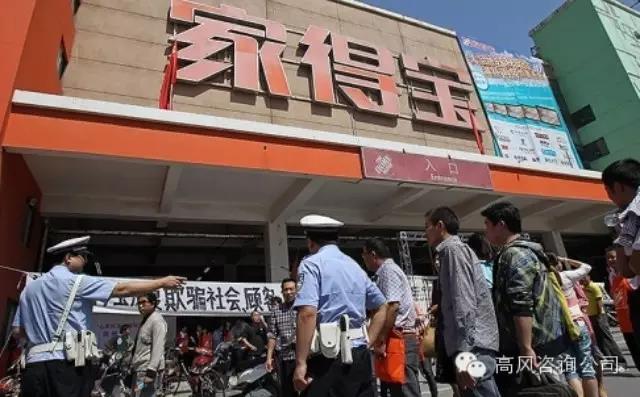

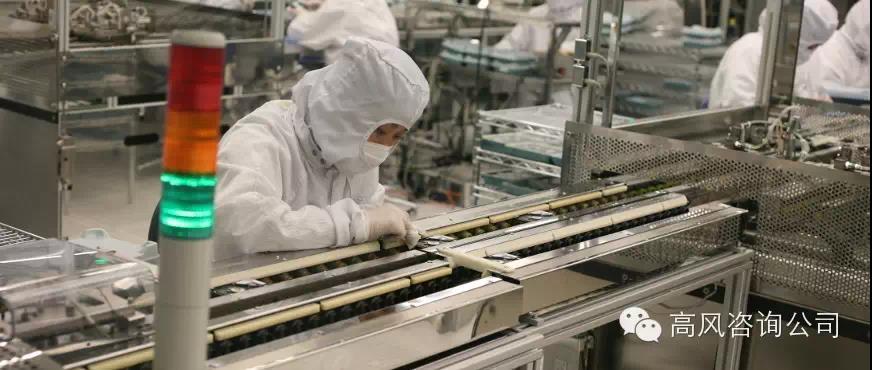
The rise in Chinese entrepreneurship can be seen as four distinct waves. The first one came in the 1980s soon after Deng Xiaoping started economic reform in 1978 and included companies like Huawei and Legend (the precursor to Lenovo).

The second wave was in 1992, after Deng went on his now legendary “southern tour”. This wave lifted the companies established in the first wave and also served as a launch pad for many others. A number of former government officials decided to xia hai (jump into the sea) to become businessmen, forming the so-called “Gang of ’92”.

By the mid- to late 1990s, a third wave of entrepreneurs had established themselves and these included the now notable internet companies – Baidu, Alibaba and Tencent, collectively known as “BAT”.

The fourth wave started in the late 2000s, fronted by those born in the 1980s and after. Many of these latest start-ups are internet-related, building e-commerce businesses. These young people who grew up in the post-reform era try to copy the successes not just of American internet companies such as Google and Facebook, but also of BAT, China’s home-grown giants. This wave came in a much larger number than its predecessors and many of them aspire to be the next Jack Ma Yun, of Alibaba fame, or Pony Ma Huateng, who founded Tencent.

One remarkable thing about the entrepreneurs of the first two waves of China’s economic reforms is how their companies were able to adapt to the changes during this period. They set up businesses when the economy was still dominated by the state. They survived the Asian financial crisis of the late 1990s. They fought off competition from the flood of foreign companies that arrived after China joined the World Trade Organisation. And they rode the worldwide downturn that followed the global financial crisis.

Chinese entrepreneurs do not all fit in a cookie-cutter mould. They are of different ages and educational backgrounds, come from a wide spread of hometowns, and have varying degrees of government influence. Most have run small companies, but some come from management backgrounds in giant companies.

Yet they all share this trait: they are willing to take chances and not at all afraid of failure. Almost all have an extraordinary openness to ideas; they seek inspiration from around the world and are willing to use resources from outside China, especially human talent with the right kind of expertise.

At the heart of China’s entrepreneurial spirit lie three core elements: pride, relating to a desire to once again see China rise and be counted among the forefront of nations; ambition, a belief that aspirations can be achieved; and China’s Confucian tradition, shaping aspirations both for and beyond business. The pursuit of the “Chinese Dream” often comes up when these entrepreneurs speak about their motivations.

I believe that today’s China, both in terms of scale and complexity, is a forerunner of how the world’s business environment will evolve. Just see how technology, especially the internet, is breaking down barriers between industries and fostering more cross-sector competition. To survive, businesses must seek new sources of advantage – even if that means moving beyond their traditional area of expertise.

The internet is not unique to China, but its impact on the country, because of the nascent nature of its economy, is greater and more pronounced than in developed economies. Retailing, for example, is being turned on its head as e-commerce allows shoppers in even China’s remotest regions to gain access to goods, long before bricks-and-mortar stores can be built. The country’s e-commerce giants are moving into finance by offering money-market products that offer higher interest rates than banks can.

Other companies are also stretching themselves. Computer giant Lenovo and telecom equipment maker Huawei are both striving to become international players in the smartphone market, for example.

The complexity and speed of change in China puts a premium on improvisation and innovation. To be successful, entrepreneurs need to seize the advantages of China’s scale and dynamism to make their companies fast-growing, powerful and flexible, ever ready to reinvent themselves continuously and repeatedly.

One Chinese entrepreneur has recently been receiving worldwide attention: Jack Ma of Alibaba, which is about to be listed on the New York Stock Exchange. According to Bloomberg, Ma is China’s wealthiest person, with a net worth of US$21.9 billion. The second and third on the wealth list are Tencent’s Pony Ma and Baidu’s Robin Li Yanhong. These three men built up their businesses from scratch some 15 years ago to become the leading internet companies in China. As far as most people know, they are not princelings, nor do they have any special government privileges; they came from fairly humble backgrounds.

China has embarked on a transformation, one that will bring both tremendous opportunities and challenges. Amid all this, it will be China’s entrepreneurs who play the key role in (re)forming the economy necessary to create a dynamic society whose citizens and government contribute to shaping a new China.

Dr Edward Tse is founder and CEO of Gao Feng Advisory Company, a global strategy and management consulting firm with roots in Greater China. He is author of The China Strategy

This article appeared in the South China Morning Post print edition as The Chinese wave

SCMP | Waves of new entrepreneurs will power Chinese innovation


Ed Tse 高风咨询GaoFengAdvisory 2014-09-23

US Vice-President Joe Biden blasted China recently in a speech about foreign policy, arguing that the country hasn’t produced anything innovative. “China – and it’s true – is graduating six to eight times as many scientists and engineers as we have. But I challenge you, name me one innovative project, one innovative change, one innovative product that has come out of China,” he said.
In the same vein, in an article in Harvard Business Review, US academics Regina Abrami, William Kirby and Warren McFarlan sought to explain “Why China can’t innovate”.
Biden and the academics are wrong.
Does China breed innovation? Most who get their information from the Western media wouldn’t think so, as China is often associated with copies, lack of freedom of speech, poor intellectual property rights protection, rote-learning education and an overbearing state sector. Outsiders tend to think China lacks the fundamentals for successful innovation. But this view is both simplistic and superficial.
Lack of intellectual property rights protection is a real issue, but it hasn’t stopped innovation taking place. Over the past decade, there have been many examples of innovation in both product technology and business models.
As for the dominance of the state economy, even that sector can innovate. Large-scale examples include China’s space programme, its expanding high-speed rail network, the world’s highest-elevation railway (to Tibet), and the world’s fastest supercomputer. Like complex world-changing innovations anywhere, they would not have happened without intensive government participation, and it will take years to see their full impact.
However, most of China’s upcoming innovation will not come from the state. It will come from the companies and individuals who compete in China’s increasingly open economy. China is undergoing a measured but definite process of deregulation, sector by sector. The government reaffirmed this trajectory at its third plenum when it was emphasised that market forces will play a “decisive role” in economic development and non-state capital will gain access to more sectors.
The size of China’s market and the potential for profit mean that when the government opens up a sector, it becomes an arena for some of the world’s most intense competition. This forces companies to create the best products, services and business models.
There’s also a strong “why not me?” mentality among Chinese entrepreneurs. They see themselves as innovators, and when an opportunity opens, they go for it. Most may fail, but with such a huge population, even a small percentage of successes will encourage many others to try their luck. In short, waves of new entrepreneurs in China will be pushing for greater experimentation and more innovation.
Xiaomi, one of China’s leading smartphone players, is an excellent example of an innovative company in a highly competitive industry. Xiaomi’s leader, Lei Jun, understood the power of the internet and built his company’s business model by “listening to customers” through social media – the concept known as crowdsourcing. The strategy is working so well that Xiaomi’s revenues grew from zero in 2010 to US$5 billion last year, with the company now reportedly valued at over US$10 billion.
The late Steve Jobs didn’t believe in focus groups; Lei takes the opposite approach, and is convinced customers will be the best ones to tell him how his products should be designed and how its service model should be developed.
At a more basic level of innovation, Haier, a leading Chinese white goods manufacturer, quickly gained market awareness and share by introducing a washer capable not only of cleaning clothes but also potatoes, among many other products. This sprang from a customer complaint and is an example of Haier’s “customer centric” management philosophy.
Some say Chinese companies can’t develop technology. However, in seven years, Shenzhen-based DJI Innovations, started by young entrepreneur Frank Wang Tao, now supplies more than 50 per cent of global demand for unmanned aerial vehicles for the commercial and industrial sectors, and continues to expand.
Not every Chinese company will be like Haier or DJI, but the market is changing so rapidly that there are major incentives for Chinese companies – along with foreign ones and joint ventures – to be agile and innovative.
To successfully breed innovation, a country must be tolerant of mistakes and failures. These failures will include short-lived innovations, but they are part of a process necessary to sustain a culture of innovation. Tencent’s QQ, for example, was a precursor to WeChat, a fast-growing Twitter/WhatsApp type of platform. Although only three years old, WeChat already has over 600 million registered subscribers and over 350 million active users. It introduced voice capability before WhatsApp, along with a more recent payment capability that is undercutting China’s dominant incumbent, Alipay of Alibaba.
Telecoms operators see WeChat and Sina’s Weibo as competitors because they eat into their own text messaging businesses, and the prevalence of the internet, in particular wireless internet, is fast cutting out traditional distribution methods. Only a few years ago, Gome and Suning were the dominant retailers through their “bricks and mortar” stores. Today, Suning is having to quickly transform itself into an “O2O” (online to offline) retailer.
All of this should be seen from a historical perspective. China’s market economy is still developing, and it’s now been slightly over two decades since Deng Xiaoping’s now famous southern tour in 1992. This fundamental transformation from a fully planned economy is still just a small blip in China’s long history.
As China’s economic transformation continues, more and more monopolies will be broken down. Much of this will be driven by the government but some will be driven by the market. State-owned enterprises will remain important, but non-state companies have, for the first time, been put on an equal footing.
Experimental free trade zones like that of Shanghai will eventually be established in more cities, and efforts made to create economic conditions conductive to innovation.
Entrepreneurship is vibrant and omnipresent in China. This spirit and the intensive competition drive innovation, at an unprecedented speed and intensity. An arrogant view that China can’t innovate is not only shortsighted but also untrue.
Edward Tse is founder and CEO of Gao Feng Advisory Company, a global strategy and management consulting firm with roots in Greater China. He is also the author of The China Strategy.
This article appeared in the South China Morning Post print edition as Bright lights

CEO应是企业文化的直接倡导者

谢祖墀 高风咨询GaoFengAdvisory 2014-09-17

星巴克公司CEO 霍华德 “舒尔茨(Howard Schultz)在他的著作《一路向前:奋力拼搏,并未迷失信仰》中曾有这样的描述:创造一种动人的、谦恭的、互相信任的企业文化并不能一蹴而就,就如同调制一杯最完美的咖啡一样。它融合了目标、过程,以及用心,是一曲必须精心谱写的三重奏。舒尔茨认为,星巴克之所以能够取得如今的成就,与企业员工以及他们培育出的企业文化密不可分。

企业在重塑及应对文化挑战的过程中,CEO应该扮演怎样的角色?我在对不少中国企业进行咨询时,发现企业家们对企业文化建设往往持不同见解。任正非在华为内部一直倡导危机意识,而马云则喜欢向员工描绘美好的“远景”,藉此激发员工的想象力和创造力。透过纷繁的表象,我们不难看到企业家都在结合自身情况,打造相适应的企业文化,使其服务于企业战略目标的实现,进而改变千千万万人的生活。

塑造企业文化的做法和原则归纳起来有四点:一是营造具有积极影响的危机感;二是选取少数关键行为,同时企业家以身作则宣扬正确的行为理念;三是利用“标准从严、与人从宽”的理性和感性影响力,将公司带向新的方向;四是对关键元素保持警觉,以让公司的文化特质得以长期传承。

■ 营造积极影响的危机感

管理者常常认为危机可以刺激高效的企业文化,这个观点背后的逻辑是安于现状的公司只有面对危机才能奋进;但此逻辑与经验和常识相悖。试想人们在真正面对危机的时候会怎样做?他们会逃避。在公司经营中,逃避的方式包括:停止营业、关闭工厂、应付媒体和投资者,或者其他止损方式。

其实,CEO应当营造真实的危机感,而不仅仅是基于逻辑上认为必须改变而创造的危机感。因此,他们应该营造的是一种聚焦在企业整体非常看重的价值上的、情感上的危机感。这些价值包括服务客户的方式,对成长和成功的渴望,对集体的积极影响,以及员工们在入职之初就能感受到的吸引力和热情欢迎。很多优秀的企业都已经把危机意识作为了企业文化的一部分,以鞭策企业员工不断追求卓越。例如海尔创始人张瑞敏形容自己“如履薄冰”,鞭策自己勤奋和葆有制定战略的警惕性;比尔 “盖茨多次提出“微软离破产永远只有18个月”来告诫自己的管理层。

■ 企业家以身作则树立榜样

为了使员工能真正消化企业所提倡的文化精髓,CEO需要选取能彰显企业和企业文化最佳之处的少数关键行为。这些行为一般很微小,但显而易见且重复性高,它们标志着公司当前的动向。例如,四季酒店一直宣传一个故事:一名客人在酒店就餐时寄存了一件衣服,服务人员发现衣服少了一颗纽扣;当客人就餐完时,发现衣服已经钉好了纽扣。通过对正确行为的宣传,能有效促进员工消化文化精髓。

需要强调的是,CEO作为企业的领导者必须以身作则。员工们不仅会留意CEO的言语,还会格外关注他们的举手投足。您最好能协同其他高层领导人,带头向全新的行为方式转变,在保存现有文化元素的同时彰显出文化调整中的关键变化。金宝汤(Campbell Soup)公司CEO道格拉斯 “科南特(Douglas Conant)虽然不善言辞,却通过每天坚持在公司总部园区跑步的方式,在员工中倡导健康生活的文化理念,这就是用实际行动潜移默化地影响企业文化。另外一些企业家,他们是很好的演说家,为企业描绘美好的前景,激发员工的创造激情。没有一种做法是绝对完美的,领导者应建立适合自己的领导风格。

■ 理性和感性影响力

在建构经营战略或行动实例时,将高层领导的理性观点和令人信服的个人层面感性诉求结合是非常重要的。任何一方的缺失都无法维持企业文化与之相辅相成。企业高层一方面应该建立良好的工作标准和绩效激励机制保证所倡导文化的有效执行,另一方面还必须充分利用情感力量把公司带入新的方向。

对大多数商业领袖而言,建立令人信服的理性观点通常比建立令人信服的感性诉求要容易。但因为人们直观的视角与同事的社交支持,感性能量能在私人关系网和常规渠道外的跨组织互动中传播的力量强大。在之前金宝汤公司启动的全面改革中,道格拉斯 “科南特意识到不得不将350名公司高管中缺乏必要技能的300多名替换掉。经过多次讨论和私下谈话,他依然坚持执行这个决定。但他给予那些离开的员工高度的尊重,并为他们提供公司力所能及的帮助。“就算是在那段可怕的时期,”他事后回忆时说道,“我们的员工敬业度评分反而上升了。”

■ 恒久保持警觉延续企业文化

在许多伟大的组织中,文化警惕的接力棒在各届CEO间传承。优秀的公司非常重视文化精髓的代代传承。3M公司在过去40年间平均每五年更换一次CEO,却保留了公司创新文化的精髓:“雇佣最好的员工,让他们以自己的方式工作,并容忍错误。”每位首席执行官都会慎重地保持公司的基础文化特质完整稳定,同时辅助企业应对竞争与市场环境的新动态。联想公司创始人柳传志提出“新人入联想必须入模子,不能有人不遵守”。保持文化特质是企业核心竞争力的一部分。

从担任CEO的第一天,你作为文化领导人的角色就开始了,直至卸任为止。即使在离任后,CEO对正确文化行为的长期强调还是会长久地发挥影响力。这也是为什么许多CEO将建立企业文化作为他们的首要任务,企业文化将成为他们本身在企业中最佳的延续。

【来源】《管理学家》杂志2014年04月刊


高风咨询公司
香港
地址:金钟皇后大道东1号太古广场三期3楼27单元
电话: +852 2588 3554
传真: +852 2588 3499
北京
地址:北京市朝阳区西大望路1号温特莱中心B座703室
电话: +86 10 8557 0676
传真: +86 10 8557 0670
上海
上海市长乐路989号世纪商贸广场20楼
电话: +86 21 5117 5853
传真: +86 21 5116 6899

中国真的失去魅力了吗?

谢祖墀 高风咨询GaoFengAdvisory 2014-09-17

《经济学人》2014年1月25日杂志的封面故事是《中国失去了魅力》(China Loses ItsAllure)。该文章的主题是:在过去三十年里,大量外资跨国公司来到中国进行投资,在2008 年金融危机之后,不少跨国公司甚至将中国看成救世主,但现在这个淘金热可能已成过去。
这篇文章列举了跨国公司在中国面临问题的几个主要原因。第一是中国经济的放缓和成本的不断上升,尤其是年轻员工的工资。第二是不少行业仍对外资不完全开放,外资很难进入;加之近期中国政府的一些举措诸如反腐、信息安全等都对一些外资公司构成了很多不便和不快。第三是竞争的白热化;本土企业的崛起对许多外资企业构成了新的竞争威胁。这些原因引致一些外资企业决定退出中国市场,另一些仍然留在中国市场的外资企业则发现他们的业绩出现了明显的倒退。此外,该文章指出,跨国公司已经发现不该将中国看作单一市场。中国幅员辽阔,地域之间差异甚大,所以往往需要根据不同市场的需要来发展适当的战略和具体操作方式。文章总结说,中国仍然蕴含着巨大的机会,但中国市场的黄金时代已经过去。外国公司必须提高他们的生产力,改善治理,以及满足本土市场的“口味”和需求。这篇文章受到了不少外资企业高管、中国政府官员和其他市场从业者的关注,在互联网上也被大量转发。对外资而言,中国市场是否已经失去吸引力?我认为,这主要得看对什么类型的企业而言,以及企业的发展战略如何。我更相信,对一些跨国企业来说,中国是越来越有魅力!
自从1992年邓小平先生南巡讲话之后,中国对外开放的速度快速增加且规模大幅增大。外资在中国进行的投资不断增加,对中国经济的重要性亦逐渐越来越重要。外资普遍带来了资金、技术、管理方法、商业模式和人力培训方式等。在改革初期,外资普遍认为中国是一个潜力庞大的市场,但需要时间和精力来开发,大部分外资都愿意在中国市场进行投资。
经过了二十多年的发展,外资跨国公司在中国的发展已经开始壁垒分明。对不少跨国公司来说,中国已经成为他们全球最重要的市场,或最重要市场之一。最经典的例子应该是肯德基,该公司全球超过一半的营业额和利润都来自于中国。其他类似的例子包括苹果公司、通用汽车、大众、宝马等。同时,亦有不少企业来过中国,在中国尝试了,而最后他们决定退出中国;较著名的例子包括百思买、美泰、MediaMart、eBay 等。外资企业在中国发展的结果如此悬殊,其原因何在?
一些外资公司来中国最大的问题,就是以为中国与他们国际上其他的市场是一样的。他们认为在全球其他市场能站稳脚跟,所以在中国应该同样能够做到。所以他们一般都会倾向将他们的全球业务模式直接带到中国来,用英语来说,这就是所谓的plugand play。吊诡的是,越是在其他市场成功的企业,他们越有信心将他们惯用的业务模式带到中国来。可是许多外资来了之后就发现,原来中国市场环境比其他国际市场更为复杂,本来的业务模式最多只能进入中国整个市场的一小部分,一般只是客户群或产品金字塔的顶端,与许多企业CEO本来预期的中国14亿人口的市场规模有很大的差距。更甚者,一些在国外可行的业务模式来到中国根本行不通,最经典的案例就是美国家得宝(HomeDepot)。家得宝的商业模式是依赖顾客自己亲手在家里组装家具,就是所谓DIY(Do it yourself)。可是一般的中国家居消费者都没此习惯,家得宝在中国的业务当然就裹足不前。
我认为跨国公司失误的原因是他们的“傲慢”DNA。他们在全球发展的时候,不少企业相当顺利,他们的产品、服务、品牌和业务模式往往在许多国家都能占领有利的阵地。不少这样的企业就逐渐形成了一种自信心,以为他们到什么国家、在什么市场都有较大成功的机率。可是中国的市场给许多这样的企业上了一课。中国一方面于过去二十多年来有着极快的经济发展,另一方面却展示了极为复杂、快速改变和经常模棱两可的经营环境。这种环境缘于四个原因:市场经济和计划经济的交错;有长远历史文明同时却只有60年共和国历史及只有20多年的市场经济;同时兼备了国有经济、私营经济、外资企业和混合制经济的经济体系:原本固步自封的政治体,逐渐与全球政治结合。再加上中国本身幅员广阔、人口众多、地方差距庞大使得许多外资企业没法轻易适应。在经历五年、十年甚至更长的时间尝试之后,一部分外资企业才开始意识到,要在中国市场取得成功,他们必须改变原有的对待中国市场的态度,从傲慢转为谦虚,愿意接受中国的差异之处并虚心学习。只有具备了适当的态度和思维方式,一些跨国公司才能发展出一套适合中国市场的战略并有效地将它落地。没有这样的洗礼,跨国公司在中国要取得持续成功是比较困难的。
中国真的失去魅力了吗?对一些已经尝试了失败并决定退出中国市场的跨国公司来说,这可能是说对了。但是对于在中国市场已经找对了方向,制定了有效的发展战略和组织、人才,更重要的是已经具备了适当的心态和思维方式的跨国公司,中国将能提供更多、甚至于无限的机会。巨大的市场、快速的发展、逐步放宽的管制、技术的进步、移动互联网的普及、创意的涌现、激烈的竞争和井喷的企业家数量和精神将会使中国更有魅力,更能成为孕育新一代企业领袖的沃土。
【来源】《管理学家》杂志2014年03月刊

传统战略理论已经过时

读完MBA课程的人都修读过一些企业战略理论,这些理论的发明至今远则三、四十年前,近则十多年。应该说,每一种理论的出现都有其背景,当这些背景情况已经改变的时候,我们需要重新审视这些理论的可行性。

在诸多战略理论中,迈克尔·波特(Michael Porter)的五力模型可能是最经典和广为人接受的。波特认为,一家企业如要取得持续成功,必须在所处行业中寻找到最有利的地位,而当你找到有利地位之后,你的竞争对手就不会战胜你了。波特的理论风靡一时,因为他是第一个将主宰行业竞争状况系统性地描述出来的第一人。他的理论不但影响了大量企业CEO们和他们制定战略的思考方法,同时在全球各MBA课程里,波特教授的理论更是必修课。波特理论有其前瞻性和系统性,但它是建基于几个重要的假设:每一个企业都是处于某一个行业的;该行业的界定是清晰的;同时行业的界定是不会改变的,包括它内面的竞争对手;企业战略是简单的,只有三种类型,成本领先战略、差异性战略和聚焦战略。简单来说波特的理论是“定位论”的鼻祖。

1960年代是企业战略发展的新时代。波士顿咨询公司(BCG)创始人布鲁斯·亨德森(Bruce Henderson)发表了几篇对企业引起了巨大震撼力的文章,在其中一篇里他提出了现在人们称为BCG矩阵的理论。他利用行业的增长速度和企业于该行业的相对市场占用率来将企业的业务组合进行了识别,将业务分为四种类型:现金牛、小狗、明星和问题点。BCG矩阵于六十年代在西方企业界产生了巨大回响,这种新观念亦同时为BCG业务提供了极快的增长,将传统的咨询对手杀了个措手不及。不过,正如波特理论,BCG矩阵亦是建基于一个简单的假设:行业、企业、竞争对手都是静态的,业务的吸引力和竞争力用行业增长速度和相对市场占用率两个简单维度便能充分描述这个业务对企业的重要性。

1990年,两个芝加哥大学管理学教授加里.哈默尔(Gary Hamel)和普拉哈拉德C.K Prahalad在《哈佛商业评论》发表了《公司的核心竞争力》(The Core Competence of the Corporation)。作者提出了核心竞争力的概念,认为企业的成功来自于其核心竞争力。他们对核心竞争力的定义有三个要素:能够为公司进入多个市场提供方便;应当对最终商品为客户带来的可感知价值有重大贡献;竞争对难以模仿。在差不多同一时间,BCG的两位合伙人斯托克(George Stalk)和埃文斯(Philip Evans)发表了《以能力来竞争》(Competing on Capabilities)。作者的概念与哈默和普拉哈拉德的“核心竞争力”雷同,认为企业的持续成功来自企业已建立的内部能力,而战略的精华在于它能否以动应变,从而确立并形成一种他人难以仿效的组织能力。他们提出来了基于能力竞争的四项基本原则:企业战略的基本因素不是产品和市场而是业务流程;要竞争成功就须将公司的主要业务流程化为战略能力,能够不断为顾客提供超值服务;公司获取这些能力是要靠对其基础设施投资,以将传统的战略业务单位及其功能联系起来;由于这种能力是跨职能的,所以基于能力的战略需要得到CEO的全力支持。斯托克和埃文斯以沃尔玛为案列来阐述了企业能力的重要性。按他们的分析,沃尔玛之所以能够做到“每天低价”,是缘于他们有效的供应链管理能力,而这套能力的背后是其IT信息系统能力。这个案例成为经典管理案例,被许多人经常引用来说明能力的重要性。

在过去20多年里,“核心竞争力”抑或“能力”理论几乎支配了整个企业界,尤其是欧美国家企业界。从这理论衍生出的一个重要推论是:企业应该聚焦(focus),不应做太多不相关的业务。这种聚焦观点在当时欧美社会产生了很大的回响。之前不少企业集团式经营(conglomerate),几乎什么都做,业绩各有优劣,但往往当集团规模超过了某个临界点时,集团业绩就会有问题。在能力理论出现之后,不少集团开始进行重组,将业务分析、整合、整顿,成为1990年代欧美企业发展的重要趋势。

到今天,能力理论在企业界还有很大市场。当许多学者和管理顾问还在大力推销能力理论的同时,全球的商业社会正在快速地转变。随着全球一体化的形成,移动互联网的高速发展和普及,和个人认为最重要的因素 ——中国的崛起——已经大大改变了商业世界。在快速增长的市场里,诸如中国或美国硅谷,企业家们和创业家们不断地涌现。他们擅长于在看到(或预测到)未来的市场机会时,在考虑是否应该在目前企业的能力基础上,做适当的伸展(stretch)来争取这些新的机会。在快速增长的市场里,新的市场机会往往是以非线性、突破性出现的。要抓住这些新的机会,企业很少已经会具备所有所需的能力。成功的企业家往往能够做出适当的判断,尝试在目前能力的基础上伸展,以及跳过去。阿里巴巴在这方面就是佼佼者,在过去15年的发展过程中,马云和他的支持者能在不同的折点上,做出此种选择,以及成功地跳跃过去。从B2B到C2C,到淘宝、天猫、支付宝等等都是依赖这种思维和做法赖以成功的。

在中国许多企业家都经历了这些实践的发展路径,在不知不觉中其实他们已经实践了一套新的企业战略理念,比传统西方的静态定位论和能力理论优胜得多。可是目前还没有人将这些不同的实践经验归纳成一套信的管理理论。这需要企业界与学者、咨询界共同探讨。

【来源】《管理学家》杂志2014年05月刊


雾霾吓跑人才?

谢祖墀 高风咨询GaoFengAdvisory 2014-09-11

作为世界第二大经济体,中国取得了公认的成就并创造出大量机会。2013年,中国GDP增速达7.8%,虽然较2012年稍有回落,但依然在世界几大经济体中名列第一。近年来多家中国国有企业公开招聘海外高管,吸引了众多海外人才,其中除了华人以外还有外籍人士。中国主权投资基金中投公司成立之初,便在全球招聘人才,世界各地的应聘者络绎不绝。相比国企,民营企业决策灵活,为高管开出的薪酬更具吸引力,因此不少海内外高级人才投靠到民企帐下,这也为民企在近几年来的爆发式成长提供了优秀的智力支持。值得一提的是,伴随着当今移动通讯和互联网的热潮,中国涌现出一批创业者。与以前那些做投机生意或者靠政府关系创业的人不同的是,如今的创业者很多都是懂技术、懂管理的优秀人才,其中不少人有海外留学、工作背景,甚至还有在海外担任高管。在这些中国创业者中不乏外籍人士。

但是,在经济高速发展的同时,中国的环境问题日益严峻。空气污染严重,空气中有害物质远远高于国际健康标准,与国际上同类城市相比,中国城市的空气质量确实糟糕。以北京为代表的中国北方地区是空气污染的重灾区。中国社科院发布的首部《全球环境竞争力报告(2013)》显示,在2012年环境竞争力排行上,中国在133个国家中位列第87位。其中,在生态环境竞争力方面中国排名第124;在空气质量方面中国排名第132。衡量空气污染程度的关键指标,即细颗粒物(PM2.5)、氮氧化物和二氧化硫排放量,中国排名分别为129,132,131位。以PM2.5为例:世卫组织(WTO)PM2.5国际标准为24小时小于25微克,而北京PM2.5长期在24小时100微克以上,顶峰时值超过500微克。污染不仅给国家形象带来负面影响,还削弱了中国的国家竞争力。近一两年来出现了一些因环境污染导致的人才流失现象。一些高学历、高技术、高净值的本土以及海外人才离开中国。同时,我们也看到国外一些人才因为担心污染而不愿意来中国。

面对环境的恶化以及人才的流失趋势,政府已经意识到环境污染的严重性和改善环境的迫切性,并且已经采取了很多措施。今年三月份,李克强总理在政府工作报告中提出“向污染宣战”,表明了政府在解决环境问题上的决心。这是一方面的努力,同时,多数外国企业和个人还是选择在中国把握发展的机遇。根据国家外国专家局的数据,2003年全年来到中国的外国专家约有613,000人,其中有超过60%的专家在中国大陆工作时间超过三个月。美国皮尤研究中心的一项调查表明,绝大多数外国人认可中国在经济方面不断提升的领导地位,以及中国对跨国企业和全球人才的吸引力。尽管中国目前劳动力成本和其他生产成本都有明显上升,但是跨国企业在中国的利润率依然较其他地区高。更重要的是,面对中国独一无二的市场容量和巨大需求,无论是中国本土企业,还是跨国企业都面临很多机会。奥迪汽车从1986年开始进入中国与中国一汽进行合作,在2005年成为奥迪在德国以外的全球第三大市场,2007年成为中国市场上首个实现年销量超过十万辆的高档汽车品牌,奥迪在中国获得了巨大的成功和影响力。诸如此类的案例比比皆是。

我们认为能不能吸引人才、留住人才,关键还是跨国企业自身是不是具备足够的吸引力。

首先要看企业所处的行业景气度和企业在该行业领域里的影响力。如今,在全球范围内互联网和高科技行业具备很高的成长性、行业景气度高、企业利润率高,这类企业正在吸引着全球大量的人才,而行业中的领头羊,诸如谷歌(Google),亚马逊(Amazon),思科(Cisco)等更是人才争先进入的理想企业。2013年,小米成功招揽谷歌(Google)全球副总裁,Android产品部门副总裁雨果·巴拉(Hugo Barra)。相反,传统的制造和加工业对人才的吸引力显得弱了很多。

其次,企业的战略是否清晰、合理。企业战略清晰、合理能够使人们看清楚公司的发展前景以及员工的职业前景,从而提供一个明确可见又可实现的未来蓝图。

第三,领导者的素质和领导力水平影响人才决定是否为其效力。领导者要在工作设计上赋予人才更多的权利,让其充分发挥。传统的领导者,尤其是亚洲领导者倾向于规则、层级以及领导的权威和下级的服从,而如今的领导力水平更应体现在鼓励和引导参与,注重内部共识、团队建设和沟通。

第四,跨国企业全球总部对中国公司的重视程度和支持力度决定了中国公司的发展希望和管理者们的职业前途。中国公司在跨国企业全球布局中的重要地位吸引海内外的人才聚集,而企业总部在中国公司的大量管理投入、资金投入、研发投入等势必会为中国公司的员工提供良好的职业发展空间和机会。以戴姆勒(Daimler)为例,旗下的梅赛德斯奔驰于1986年就进入中国,2006年将地区总部搬至北京,标志着其进一步强化中国业务,如今中国市场在不断投入下成为其全球最大市场和利润来源。在中国的十多年来吸引了众多本土以及海外人才加盟,同时通过中国这块跳板获得更好的职业机会的高级管理人员数不胜数,现任戴姆勒股份公司董事长兼CEO、梅赛德斯奔驰汽车集团总裁的蔡澈(Dieter Zetsche)就是出自其中国市场。i

【来源】《管理学家》杂志2014年07月刊