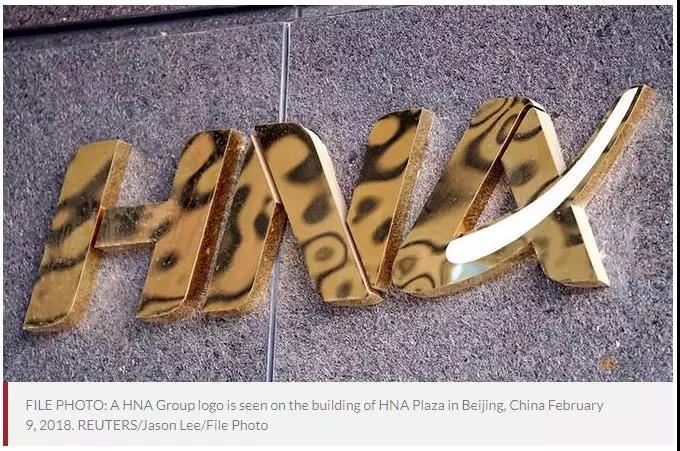
China’s HNA, Shedding Debt Overseas

Reporting By Matthew Miller; Editing by Philip McClellan
CHANNEL NEWSASIA | March 16, 2018

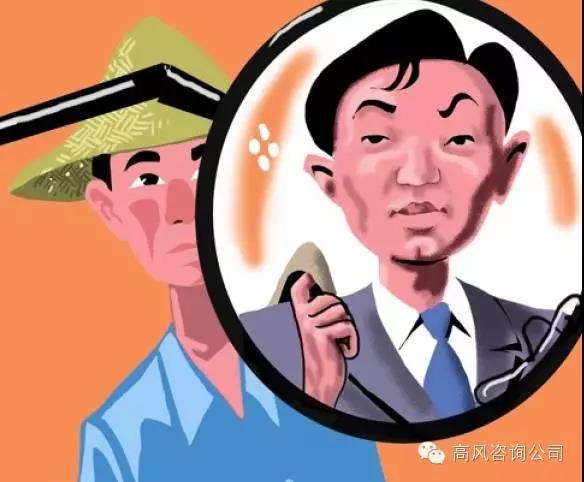
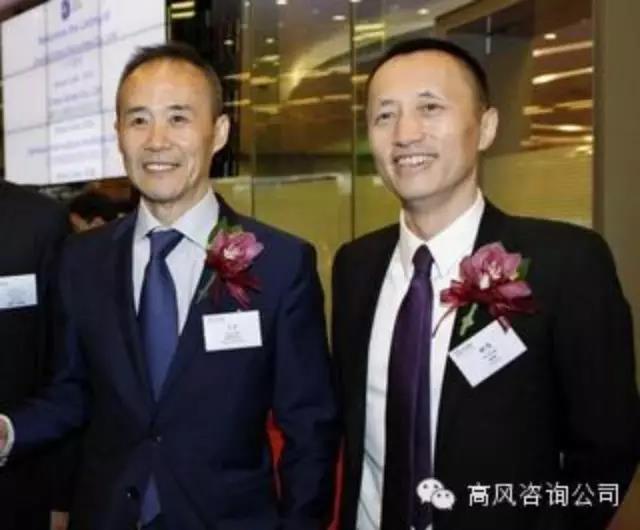
China’s HNA, Shedding Debt Overseas, Is Still Hainan’s Hometown Champion

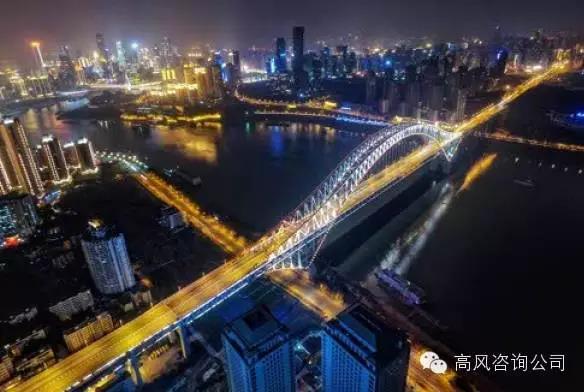
Hundreds of workers pour concrete as tower cranes swing overhead at the building site where a giant skyscraper is set to soar above the palm-fringed streets of this tropical Chinese city.

HAIKOU, China: Hundreds of workers pour concrete as tower cranes swing overhead at the building site where a giant skyscraper is set to soar above the palm-fringed streets of this tropical Chinese city.

The building is the first of two towers that will serve as the gateway to a 200-hectare new central business district in downtown Haikou, capital of the island-province of Hainan in southern China.

The project is being constructed by HNA Group , the widely scrutinized and highly leveraged aviation-to-financial services conglomerate that got its start in Hainan 25 years ago as a regional airline with just two aircraft.

But HNA is now looking to shed at least some of its sprawling interests in the huge 100 billion yuan (US$15.84 billion) business district, as it has done with many of the interests the company has amassed in a US$50 billion global spending spree.

HNA is currently in talks with potential “strategic partners” for parts of the development, which a range of investors also have stakes in, according to sources familiar with the situation, even as it prepares to re-organize its operations and shrink its workforce.

The search for investors in HNA’s hometown underlines the difficulties the company is facing as it struggles under the weight of the debt it racked up during its rapid expansion.
HNA told major bank creditors in January that it faced a potential cash shortfall of at least 15 billion yuan in the first quarter.

In the last two months, HNA has sold more than US$6 billion in prime real estate in Australia, New York and Hong Kong, while selling shares in Deutsche Bank , Park Hotels & Resorts , and Hilton Grand Vacations Inc .

On Monday, HNA Infrastructure Investment Group , one of the key developers of the Haikou business district, said it would sell a Hainan-based property company and logistics unit to Sunac China , a real estate developer, for 1.9 billion yuan.

When asked for comment on the stake sales, the company said in a statement that “HNA is always looking for trusted partners”.

The master plan for the Haikou business district includes 23 office buildings, residential compounds, and a massive luxury shopping mall. The first of the Haikou Twin Towers, 94-floors high, is scheduled to open in 2020, and will include a St. Regis Hotel.

Anchored in the center of the district is the Hainan provincial government, with HNA’s headquarters, a Buddha-shaped tower, sitting just down the road.

A COMPANY ISLAND

Hainan is in many ways an HNA company island. HNA Group operates 92 enterprises across the province, employing 30,000 workers, with total assets of nearly US$50 billion. It is Hainan’s biggest money maker, with total revenues outstripping the combined sales of the province’s next nine largest companies combined.

HNA is also critical to local government efforts to establish Hainan as a regional and global tourist destination.

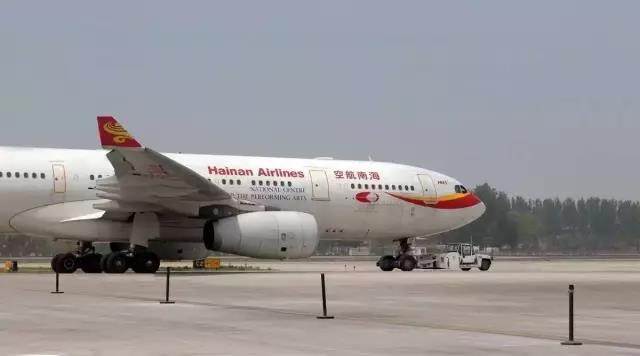
The group operates the island’s three commercial airports and its flagship Hainan Airlines operates 17 international and regional routes from the province and transports about 45 percent of all visitors arriving by air here.

The company is currently investing 15.3 billion yuan for a second runway and terminal for Haikou’s international airport, part of an expansion to accommodate 35 million visits by 2025.

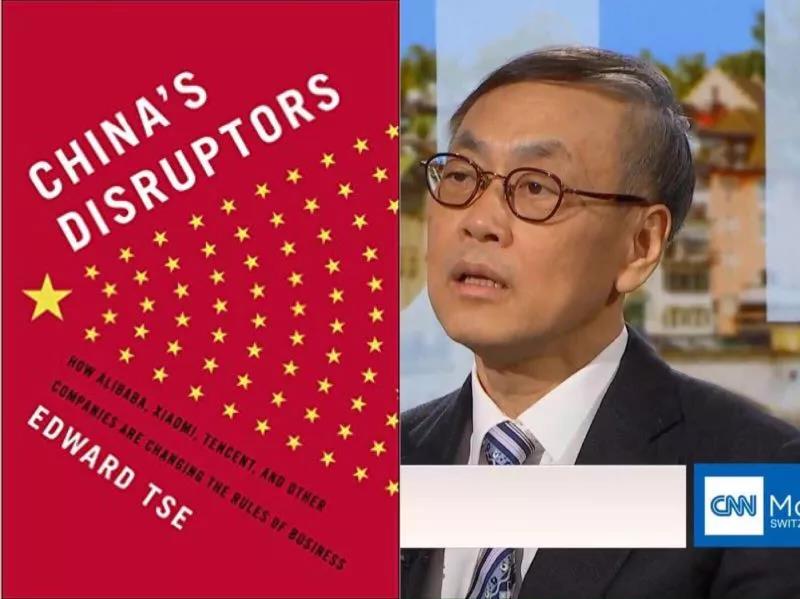
The branded tailfin of Hainan Airlines, which travels to 110 cities worldwide, has elevated the province’s name around the world, said Edward Tse, chief executive of Gao Feng Advisory Company, who previously advised Chinese companies at Booz & Company and Boston Consulting Group.

“HNA is a business card for Hainan province,” Tse said.

Hainan’s governor, Shen Xiaoming, who visited HNA’s Haikou headquarters in November just as the severity of the company’s financial struggles emerged, underscored the importance of the group to the province’s development.

“HNA took root in Hainan, understands Hainan, implemented a new development concept in Hainan, and built a modern economic system in Hainan,” Shen said. “If HNA is good, then Hainan is good; when Hainan is good, then HNA is better.”

GOVERNMENT CLEAN-UP

HNA and other non-state conglomerates in China have meanwhile been under intensifying pressure from Beijing to clean up operations and deleverage their businesses.

In recent weeks, Chinese regulators have taken control of Anbang Insurance Group. The government is also investigating the chairman of CEFC, which has agreed to take a US$10 billion stake in the Russian oil major Rosneft.

HNA executives have recently elevated their patriotic rhetoric and have tethered company goals closely to those of Beijing.

HNA Capital, for instance, announced on Feb 27 that it was helping to raise 20 billion yuan to help fund projects along China’s new Silk Road trade initiative.

HNA’s cause is the “cause of the party, the cause of the people and the cause of all mankind”, Chen Feng told HNA’s Communist Party members on Feb 7, according to a company report.

HNA’s co-chairman, Wang Jian, voiced a darker message, telling employees that the company’s difficulties were the result of a “major conspiracy” against the party and President Xi Jinping by foreign and domestic “reactionary forces”, according to an internally-distributed email.

China’s leading industrial conglomerates and technology companies all have Communist Party committees, and such rhetoric is not unusual now, said Tse of Gao Feng Advisory Company.


A Gap in Expectations

By Edward Tse
March 29, 2018

A Gap in Expectations – Why People Didn’t Understand China’s Innovation

Many people are now talking about China’s innovation like they have just discovered a New Continent. Some say China is now going “from imitation to innovation” while others even say, “It’s time to copy China.” This is unthinkable just several years ago.

Recently, I went back to my book China’s Disruptors, which came out in 2015, to recall what people said about China’s innovation at that time. The following is a relevant excerpt. In addition to the people quoted in the excerpt, I remember around that timeframe, Carly Fiorina, ex Hewlett-Packard CEO, was quoted saying, “…but what (the Chinese) can’t do is innovation, they are not terribly imaginative, they are not entrepreneurial…”

The following is the excerpt from my book.

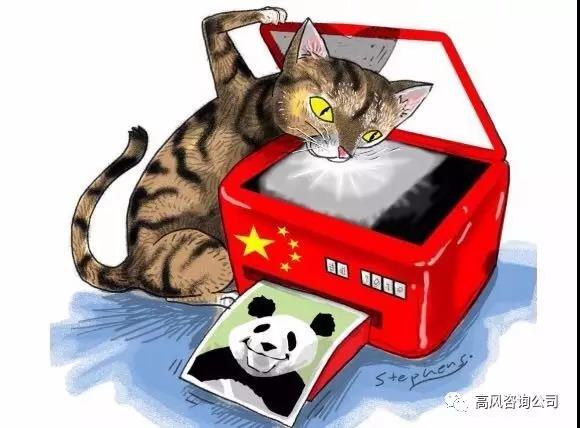
Outsiders who get information about China from the Western media tend to view it as an innovation desert: a country of copycat firms, weak or nonexistent intellectual-property rights, and an education system based on rote learning.

Addressing a group of air force cadets in May 2014, U.S. vice president Joe Biden declared, “I challenge you, name me one innovative project, one innovative change, one innovative product that has come out of China.” Two months earlier, Harvard Business Review published an article with the headline “Why China Can’t Innovate.” The piece, written by business-school professors Regina M. Abrami, William C. Kirby, and F. Warren McFarlan, boldly declared: “Today, … many believe that the West is home to creative business thinkers and innovators, and that China is largely a land of rule-bound rote learners – a place where R&D is diligently pursued but breakthroughs are rare.”

The authors agreed with this outlook and dismissed the kind of advances seen at companies such as Alibaba and Baidu as “second-generation” innovation – adaptations of existing technologies for the Chinese market, and the kind of routine work companies around the world do day in and day out once someone else has done the blue-sky thinking.

Source: Google

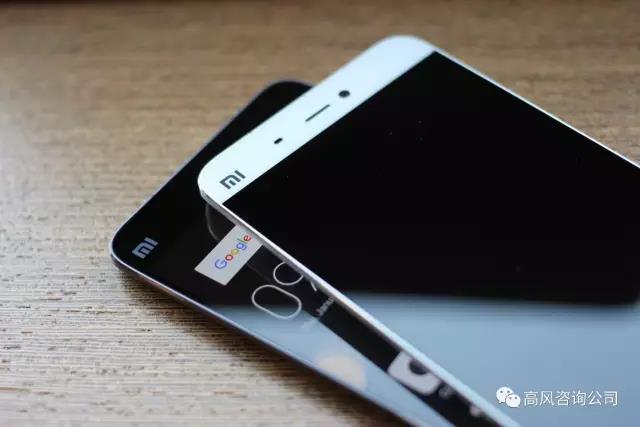
This is bizarre. How can the authors of that article and many other similar pieces miss the impact that companies in a wide range of industries are creating in China, reworking daily life by inventing and applying new ideas in a variety of fields? Consider Haier in white goods. Huawei in telecommunications. Xiaomi in mobile phones. Alibaba in e-commerce and finance. Tencent in messaging and gaming. These are just a few examples; there are many more. Yet they are often overlooked. Why?

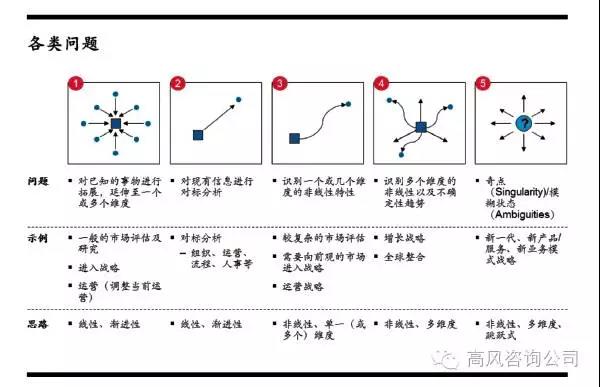
Rather than simply a snapshot of today, or even a view from the past, China’s development is inevitable, discontinuity is a way of life and often multi–dimensional. As such, linear and single-dimensional viewpoints will often miss the point.

The simplest explanation is a gap in expectations. Chinese companies have yet to produce basic technological research in power systems or chemicals, for example, or a product or service that has had the same impact on Western markets as the iPhone or Facebook, or a praised and adopted business process such as Japan’s “just-in-time” production system. But simply translating this into “China isn’t innovative” is short-sighted, simply focusing on what has not happened in China and not seeing what is actually taking place.

Source: Google

Since my book was published, China has taken huge strides in both innovation and entrepreneurship. Today, many people have come to recognize that China can be innovative, especially in tech-enabled innovations. However, as the above excerpt of my book indicates, this certainly wasn’t the case just a few years ago. It is always important for people to study China not from a long distance but be on the ground – all the time and across many dimensions. It is also important for people to adopt a prospective point of view on the likely changes in China instead of just taking a snapshot of today or constantly looking back at the past.

Edward Tse is founder & CEO, Gao Feng Advisory Company, a global strategy and management consulting firm with roots in China. A pioneer in China’s management consulting profession, he led the Greater China operations for two major international management consulting firms for 20 years and is widely known as China’s leading global business strategist. He is author of The China Strategy (2010) and China’s Disruptors (2015).


新浪财经 | 企业家精神的升级:大我、小我、无我

文 | 谢祖墀

中国的未来发展将会带动中国企业家精神的不断提升,我期望看到更多“无我”的企业家出现

今年是中国改革开放的四十周年,有着特别的意义。在过去四十年中,中国经历了许多的起伏,有进展,亦有挫折,但总的来说,进多于退,在经济上中国的发展毋庸置疑,十几亿人口从基本的温饱都不能被保障的日子,到今天绝大部分中国的老百姓已经解决温饱问题,这是非常了不起的成就。

作为一个群体,企业家的崛起是这四十年间的一件大事。从无到有,从有到在中国的经济中扮演一个重要的角色,这可以说是难能可贵的。

而标志着企业家崛起的是“企业家精神”。“企业家”这一概念由法国经济学家理查德·坎蒂隆(Richard Cantillon)在18世纪30年代首次提出:企业家使经济资源的效率由低转高,而“企业家精神”则是企业家特殊技能的集合,包括精神和技巧等。换句话说,“企业家精神”是企业家组织建立、经营管理企业的综合才能的表述,是一种重要而特殊的无形生产要素。

经济学家张维迎总结出企业家精神拥有以下四点特征:一是对盈利机会的警觉性,反映了对尚未发现的机会的持续关注能力,也包括创造性思维等。二是简单化,不同于管理者通常把问题想地复杂,企业家拥有透过现象看本质的天赋。三是想象力,即使产品或技术从无到有的创新能力。四是毅力和耐心,因而才能屡败屡战,就像冯仑所说,“伟大是熬出来的”。

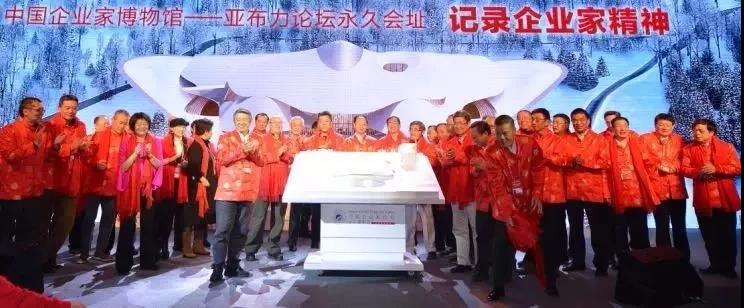
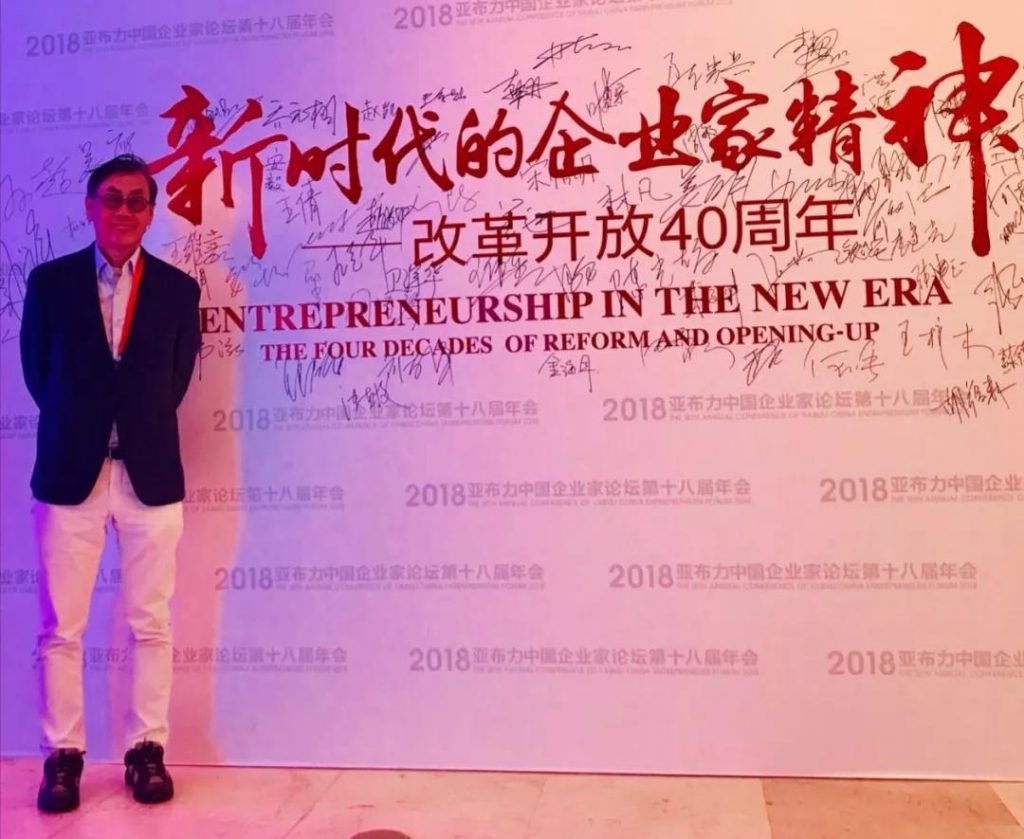
今年的亚布力中国企业家论坛适逢中国改革开放四十周年,主题是“新时代的企业家精神”。在此次大会中,演讲的各位理事和嘉宾们都围绕企业家精神进行发言。

中国改革开放四十年的进度是在不断演变的。从过去不断演变而来,而将来亦会不断地演变下去。企业家精神亦会随之不断地演变与升级。

在改革开放初期,能活下来已经是成功。在没有《公司法》的环境下,要去建立“公司”和营运生意,当时的企业家们都是摸着石头过河,在不理想的状况中寻求进步。不少人亦会产生“原罪”。如果从现在的眼光来看当年,很难去判断当时企业家所做的所谓“对”或“错”。时空不一样,不该简单地进行价值判断。

企业家精神的升级简单来说就是由“大我”到“小我”再到“无我”

随着社会的进步,企业家随之进步,企业家精神亦在不断升级。在这次亚布力论坛上,我特别体会到了企业家们在几方面的呼唤和对时代的回应:感恩、宽恕、学习和提升。

(1)感恩
体会最多的是企业家们对大时代的感恩。就像泰康保险集团创始人、董事长兼CEO陈东升在这次论坛上所说,改革和开放真的改变了中国,也孕育了企业家与企业家精神。改革开放将国家战略重新放回在经济建设,使社会从意识形态到思想观念都和国际、现代接轨。改革开放给人们带来了希望,因此才能诞生例如柳传志、王石、冯仑、马云、马化腾这一代又一代的企业家。这是大时代给予企业家们的机会,因此“致敬这个伟大时代”。我很认同柳传志所说的“这是前无古人的时代”。

(2)宽恕
这次亚布力论坛上一个非常打动我的发言来自张文中。作为物美集团创始人,他因行贿、挪用资金等罪名被判入狱18年,如今他的案件将被重新审判,张文中算是经历了人生的大起大落。虽然受到冤屈,他却无怨无恨。在亚布力论坛上,他说,“我感动,我感谢,我感恩”,谢谢重申案件的最高人民法院,支持他的朋友,和依法治国的党中央。他说他会选择继续投入到中国零售的革命中,这正是对他受到的冤屈的宽恕。

(3)学习
亚布力论坛无疑是一个学习的平台,参与的企业家也颇具学习精神。从马云坐5个小时飞机、5个小时汽车赶来参会,到中小企业家向柳传志、俞敏洪等前辈提问交流,中国企业家渴望思维碰撞,渴望不断学习。亚布力论坛已经举办了18年,它的独特魅力吸引了无数企业家,帮助他们头脑风暴、提升知识。在其他场合,如美国科技趋势大师凯文·凯利(Kevin Kelly)和桥水基金创始人雷·达里奥(Ray Dalio)讲课时,必定座无虚席。

(4)提升
在参加这次论坛的企业家们身上可以明显感受到他们企业家精神的提升。比如华泰保险集团董事长王梓木提出“新时代的企业家应当追求企业社会价值最大化”,并倡导亚布力论坛发布了《社会企业家倡导书》。社会企业、社会企业家的概念虽然在国外已经有了很多年的历史,但是在国内还是全新的。从追求商业价值到追求社会价值,这无疑是中国企业家的进步。

亚布力论坛轮值主席丁立国讲得好,企业家精神的升级简单来说就是由“大我”到“小我”再到“无我”。“大我”企业家首先看重的是自己的利益,简单的说就是企业的赚钱盈利,这是出于个体和企业生存的角度,无可厚非。而“小我”企业家所考虑的不单单是赚钱,同时还思考如何为社会服务,更好地承担社会责任。我认为企业家精神的最终阶段将是“无我”,对于“无我”企业家来说,是否赚钱已经不在考虑范围之内。他们考虑的是要如何贡献资源使大家都可以不断进步,这是一种无私的奉献精神。

无论是“84派”抑或“92派”,那时的企业家在刚下海经商时基本都是“大我”。现如今,在中国整体商界里虽然有不少企业家仍处于“大我”的阶段,甚至于一部分仍处于“土豪”状态,但我逐渐看到一小部分企业家已经进入“小我”的阶段。同时,我亦开始看到走到少量最前沿的企业家逐渐达到“无我”的境界。亚布力论坛的理事们就很了不起,无私地投入金钱与精力,成立这个思想碰撞的平台,帮助更多的人进步。其他例如阿拉善SEE等一些由企业家牵头的公益组织,也在为社会贡献责任与力量。

中国进入了一个新的时代,中国企业家们正在不断进步。中国的未来发展将会带动中国企业家精神的不断提升,我期望看到更多“无我”的企业家出现。

原文发表于《亚布力观点》(2018年3月刊)并保留所有权利

关于作者:
谢祖墀博士(Dr. Edward Tse)是高风管理咨询公司(Gao Feng Advisory Company)的创始人兼首席执行官。中国管理咨询业的先行者。过去的20年里,他创立并领导了两大国际管理咨询公司在大中华区的业务。外界评价他为“中国的全球领先商业战略家”和 “谢博士之于中国企业界就如大前研一之于日本企业界”。他曾为数以百计的公司(总部设在中国及其它地区)咨询过所有关键战略和管理方面的业务,涉及中国的各个方面和中国在全球的地位。他还为中国政府在战略、国有企业改革和中国企业走出国门等方面做过咨询。他已发表200多篇文章并出版了4本书,其中包括于国际获奖的《中国战略》和《创业家精神》。谢博士获得了加州大学伯克利分校工程学博士、MBA以及麻省理工学院的工程学学士、硕士。


China Daily | ODI Outlook Promising Overall for 2018

By Edward Tse | China Daily Europe | Updated: 2018-03-09

Despite roadblocks ahead, there will be more opportunities for startups involving Chinese and outbound entrepreneurs

After the peak in 2016, China’s outbound direct investment in 2017 slowed significantly and recorded its first annual drop since 2006. According to the Ministry of Commerce, China’s total outbound direct investment in nonfinancial sectors declined by 29.4 percent year-on-year to $120 billion (97.5 billion euros; £87 billion) in 2017. However, if we take the last five years’ data (from 2012) and take out the 2016 data, the cumulative annual growth rate is actually around 10 percent.

2016 was probably an aberration, as there was a rush by a number of Chinese companies to invest feverishly overseas, causing concern for the Chinese government about the abnormal outflow of capital from China.

Since late 2016, the Chinese government has exercised more stringent controls on capital outflow, and it appears that undisciplined overseas investment is now largely under control.

So what do we expect to see in terms of China’s outbound investments in 2018, in particular as it relates to its two important trading partners and investment destinations: North America and Europe?

Two recent failed deals involving Chinese companies investing in the United States made headlines. US telecom company AT&T walked away from a deal with Huawei, a Chinese telecom equipment and smart device maker, under pressure from the US Congress.

Source: Baidu.com

The US government also rejected the intended acquisition of MoneyGram, a US money transfer company, by Ant Financial, an affiliate of Chinese internet giant Alibaba. Media have reported that on Capitol Hill, there is a prevailing wind of “trust deficit” regarding the US-China relationship on trade and investment.

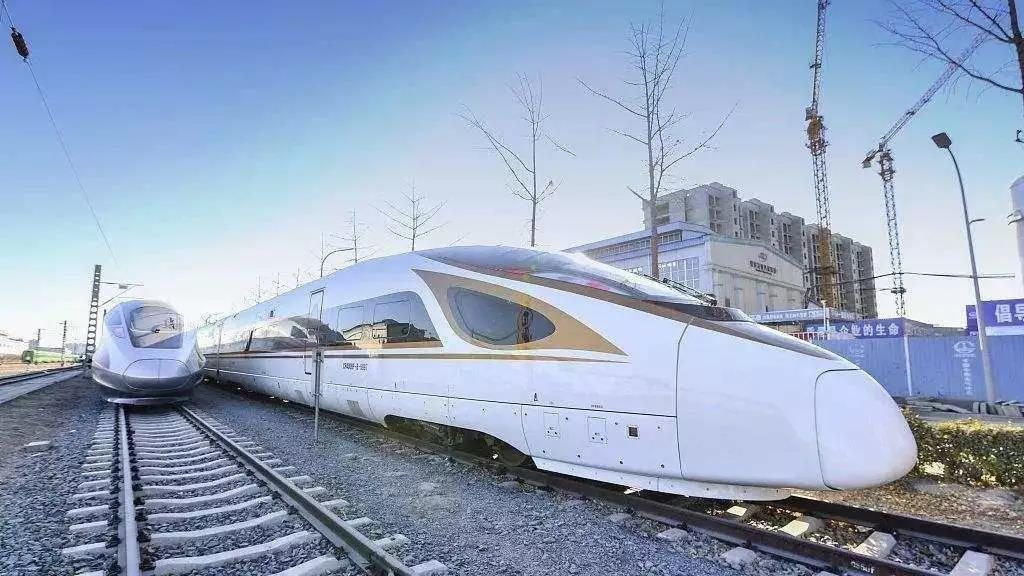
Similarly, China’s investments in Europe have encountered obstacles from the European Union. Last year, the German government adopted stricter regulations on non-EU countries’ investment in German companies, especially in such crucial areas as energy, infrastructure and high-tech. Also, a few months ago, the European Union launched a probe into China’s high-speed train project from Belgrade to Budapest, alleging that Chinese companies won public contracts without open bidding.

Deals triggering “national security” concerns from the US and EU governments’ standpoint will always raise red flags, and with regard to Chinese companies’ investment, the theory goes like this: The Chinese government is behind everything that Chinese businesses are doing, and State-owned enterprises, because of their government ownership, act on behalf of the Chinese government. By implication, they have motives that are not trustworthy. In addition, the Chinese government employs strong industrial policies that create an unlevel playing field for companies and countries, according to the theory.

I can’t say these arguments are completely fiction. However, this is certainly not the complete picture.

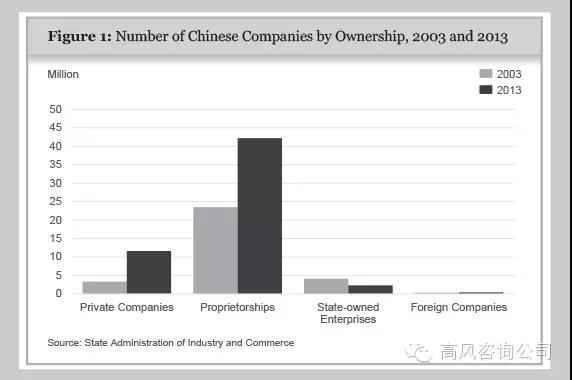
While the State sector is certainly prevalent in China, the non-State sector is actually becoming more important and powerful in its own right. By 2016, approximately 56 percent of China’s total outbound investment in nonfinancial sectors was made by non-State owned companies, compared with only 19 percent a decade ago. Additionally, according to Chinese government statistics, the non-State industrial sector’s revenue in 2016 was close to four times that of the State sector. About the same ratio also applies to total profit.

Source: Baidu.com

Based on a study by the Institute of Population and Labor Economics at the Chinese Academy of Social Sciences, China’s new economy – internet-based businesses ranging from e-commerce to car-hailing services – grew twice as quickly as China’s overall GDP in the past 10 years to 2016. By definition, these new economy companies are mostly, if not entirely, private-sector companies. Entrepreneurship and business innovation are thriving in China, and they come mostly from the private sector.

The Chinese government has applied tighter supervision on Chinese companies’ outbound investment to prevent irrational investments, such as in the areas of real estate, hotels and entertainment.

However, the government continues to encourage Chinese companies to “go abroad”, as long as the reason is considered legitimate. One area in which the Chinese government is particularly supportive of Chinese companies’ participation is the Belt and Road Initiative. Although nonfinancial sector outbound investment slumped by 29 percent in 2017, investment in Belt and Road countries increased by 3.5 percent year-on-year to $14.3 billion, accounting for 12 percent of total outbound investment.

To many Chinese companies, the US and Europe are attractive (and in some cases necessary) markets, and the conditions for manufacturing are becoming more favorable. China’s direct investment in North America has grown at a cumulative annual growth rate of 25.8 percent over the past five years.

For example, Triangle, China’s third-largest tire manufacturer, is going to invest in a $580 million plant in North Carolina this year. Keer Group, a Chinese textile producer, plans to invest $218 million over the next five years to expand the capacity of its facility in South Carolina. Additionally, it has been reported that China’s investment in Germany reached a peak in 2017.

Source: Baidu.com

Recently, Huawei confirmed its long-term commitment in the United Kingdom with a 3 billion euro ($3.7 billion; £2.7 billion) investment. Also, China launched a 3 billion yuan investment fund, backed by State-owned asset manager Shanghai International Group, during British Prime Minister Theresa May’s recent visit to Shanghai. The fund will invest in European manufacturing companies in the medical, chemical and environmental protection sectors, helping Chinese companies to upgrade their manufacturing capabilities.

As China’s innovation and entrepreneurship continue to thrive, there will certainly be more opportunities for startups involving both Chinese and outbound entrepreneurs (especially in the US), as well as for venture capitalists. Technology, especially AI, will increasingly be embraced for enabling innovations by entrepreneurs.

In the past five years, China’s outbound direct investment has grown rapidly in technological industries such as information communication, software and information service (with a cumulative annual growth rate of 53.9 percent). Both the US and China are now leading the world in the development and application of AI, and this trend will likely continue to accelerate.

The interactions between China and the US at the startup and investors’ levels are actually taking place intensively, as there is so much to share and many opportunities to jointly pursue. Much of this has already manifested in cross-border investments between the two countries.

However, roadblocks exist in cross-border trade and investments. The US government has introduced policies to restrict China’s investment in some areas of high-tech, especially when it is viewed as potentially infringing on US national security. It was reported that three key European countries – Germany, France and Italy – have drafted a legal initiative for more rigor in investigating and restricting investments from China.

It would be naive to expect plain sailing for the China-US and China-Europe trade and investment relationship this year. However, I don’t believe all will be bad, either. There will be areas of tension and differences in points of view and policies, but there will also be areas of collaboration and alignment.

“Coopetition” is perhaps the best way to describe the nature of China’s relationship with the US and Europe going forward. After all, it won’t be – and shouldn’t be – a zerosum game, especially not in today’s world of increasing connectivity.

Edward Tse is founder and CEO of Gao Feng Advisory Company, a global strategy and management consulting firm with roots in Greater China, and author of China’s Disruptors.


新浪财经 | 谢祖墀:2018年中国商业与战略十大预测

文 | 谢祖墀

在年初对来年做预测已俨然成为大家的习惯,本文是我对2018年的一些预测。这是我首次根据自己的专业经验做出的尝试,对中国的商业和战略以及中国在世界舞台上不断增加的影响力做出一些预测。

没有任何的预测是能够做到绝对全面的。我的预测也不例外。我尝试将我的一些想法列举,以下是我对2018年的一些预测:

一、2018年中国的GDP增速将约为6.5%。我并没有预知未来的魔法,对于中国GDP的增速是任何人都可以预测的。我在中国不同地方的工作经历让我有机会与各行各业的人士接触并交流。乐观和悲观的预测一如既往地存在。总的来说,我感受到的乐观是比悲观的要多,而且现在的经济势头还在增长。和以往一样,中国的一些领域还会面临挑战,比如那些长期产能过剩的行业,结构性不景气的一些国有企业。有人会质疑中国房地产行业来年的前景,如今中国的负债保持较高水平,引发了人们对金融风险的忧虑。然而,中国的另一些行业却将保持良好的发展。中国社会科学院下属的中国社科院人口与劳动经济研究所进行了一项研究,发现中国的新经济中,以互联网为基础的电子商务或网约车等行业在2006年至2016年间的增速是中国整体GDP增速的两倍。在2018年,新经济对GDP的增长贡献将会继续加大,其中消费、投资和贸易的发展将会持续。总之,除非黑天鹅事件发生,中国的GDP增速将会是世界银行或是国际货币组织预测的6.5%左右。那些所谓“中国崩溃”言论不太可能实现。

二、中国消费者将会继续升级。中产阶级不断壮大,有能力为更多的商品与服务付费。这也不仅仅只是一个预测了,而是一个几乎一定会发生的事情,但这仍是一个重要且值得一提的发展趋势。据研究,中国现在中产阶级的数量在2.5亿到3亿之间。所有的预测都指出,中国的中产阶级数量还将持续上升。消费者的消费结构正在升级,他们需要的不仅仅是基本的产品与服务,他们还在寻找更优质、更健康的生活方式。中产阶级消费者们对数字产品更加了解,更愿意出国旅游,其消费需求与行为更加个性化。

三、中国的创新与创业将会继续蓬勃发展。中国开始摈弃模仿大国的形象,拥有更多或大或小的创新企业,不少是透过科技在商业模式方面的创新。创业精神正在遍布全中国,不仅出现在发达的大城市里,还出现在相对不那么发达的城市里,覆盖各行各业。此外,中国的企业家趋于年轻化,不少创业者都只是二、三十岁。中国政府将创新与创业作为国家发展战略的核心组成部分。2018,我们期待更多创新与创业精神。

四、科技在驱动中国创新中将发挥更大的作用。无线网络和智能手机在过去十年中极大地促进了中国的快速创新。中国的企业家正在寻找下一轮创新,技术将会继续扮演主要的驱动角色。中国接受了不同形式的新技术,包括人工智能、物联网、增强现实以及虚拟现实等。除此之外,中国还在试验其他不同的创新方式。可以肯定的是,不少尝试都会以失败告终,但是一小部分将取得成功。鉴于中国有巨大的市场规模,试验者有机会进行尝试、学习、适应并让市场自然选择最合适的科技,并将其应用到商业当中。

五、中国生态型组织将持续高增长。2017年,阿里巴巴和腾讯成为全球市值最高企业的其中两家,并且排名仍在上升。两家企业都是中国“超大型生态系统”的典范,腾讯和阿里都以核心业务为基础,不断构建多样化的生态系统,最终形成一个超大的生态系统。随着中国深化改革开放,科技颠覆过去的商业模式,腾讯与阿里的业务开始涵盖存在商机的众多领域。每一个超大型生态系统都在试图满足消费者的“生活方式需求”,因此它们都可能成为真正的指数级企业。最终,这些超巨型生态系统会以指数方式进行增长。亚马逊和谷歌等美国的科技巨头是生态系统的主要玩家,他们都非常成功,但是中国的互联网企业似乎能够更好地覆盖不同的领域,创建更大的生态系统。在中国,吉利、滴滴出行、平安和美团点评等企业正在以惊人的速度和强度构建自己的生态系统。显然,对于这类企业而言,获得用户的海量数据是他们的核心目的。即便是摩拜和ofo等共享单车创业公司都自称为数据公司,而不仅仅是共享单车企业,这就意味着他们也会根据消费者的生活方式去构建自己的生态系统。

六、中国国有企业的混合所有制改革将会揭幕。过去几十年中,中国的国有企业改革备受关注。近年来,国有企业混合所有制改革被多次提到,被期待是国有企业结构问题的解决措施。然而,并未有太多与之相应的措施获得推行。2017年,政府批准了中国联通的混合所有制改革。中国政府似乎已经准备在2018年推动此类国有企业改革。不仅是央企会改革,地方性的国企也会成为改革的对象。处于“竞争性行业”的国有企业是改革的主要对象。我们拭目以待,但根据我推断,今年的改革并非纸上谈兵。

七、外企将会有更多在华开展业务和所有权的空间。自30多年前的改革起,中国就不断以渐进的方式解除着行业限制,让外企和民企参与其中。今天,中国的一些行业仍未对外开放,但大部分行业已经全面开放或是处于半开放的状态。我认为,中国逐渐开放的进程仍会继续,但不会出现一夜之间完全开放的局面。2017年11月,中国政府宣布放宽对外资金融机构参与金融服务领域的限制。虽然中国政府并未完全批准外资企业在相关行业的所有权,但开放的范围和规模已经具有很大意义。我期待2018会有更多开放。

八、在华外资企业仍会好坏参半。一些评论者认为(总部在外国的)跨国公司在华的黄金时代已经过去,我并不认同这种观点。中国的增长会继续为跨国公司带来大量机遇,问题在于企业如何看待这些机遇。到目前为止,在华外资企业的绩效表现大不相同。部分跨国企业来到中国,对中国市场感到失望,其中小部分企业甚至决定退出中国市场。也有部分跨国公司进入产能严重过剩的一些行业,目前在持观望态度。但也有一些企业发现中国市场已是他们最重要且最能盈利的市场。在2018年,这样的整体模式仍会继续下去,但会更有活力。我预测,大多数的第三类企业会继续在华投资,其中一部分还会在中国投入巨资。对于离开或是降低对中国市场重视程度的企业而言,他们可能会重返中国市场。对不少跨国企业而言,中国市场太大,太重要,也逐渐是他们全球战略中的核心,因此他们不会忽视。2018年,在中国已经开放的行业会促使跨国公司变得更具竞争力,提高创新能力。

九、跨国并购仍将继续。中国企业对外投资在2016年达到高峰后,开始在2017年收缩,2017年的海外并购投资金额仅略高于2015年,主要原因是中国政府采取了资本限制措施。但中国企业对外投资的热度并未冷却,许多中国企业依然在寻求适当的投资方式。从中国政府的角度看,海外投资必须合情合法。只要中国政府认为符合条件,正常情况下企业就能够获批进行投资。最近两个海外投资的案例是:华信能源在2017年9月宣布收购俄罗斯最大的石油公司14%的股份;吉利在2017年12月斥资33亿美元收购了沃尔沃集团8.2%的股份。我认为2018年海外并购的趋势仍会持续。交易的数量或是价值可能不会猛增,但我相信还是会有所上升的。当然,中国的海外投资可能会被他国政府以“国家安全”为由所禁止,这也会成为中国投资者在海外投资的一大挑战。

十、中国的发展模式将会继续发展。在过去几十年中,所谓的“中国发展模式”是由中央政府自上而下进行指导,而大众创业也做得非常好。该模式造就了中国四十年来的高经济增长,让数亿人脱贫致富。一些评论者对这种模式的合法性和发展模式的可持续性存在质疑,但研究表明中国民众非常支持中国的发展模式所带来的成果。除了政府的引导和基层的创业,“中国模式”还具有高效和强适应性的特点。这是不同地方政府之间的广泛合作和竞争。在过去几年中,每个地方政府尝试构建自身的优势地位,因此不同的地方政府会选择某个特定的领域或是某项特定的科技来重点发展。这种竞争造就了全国的进步,但有时也是一种浪费。在2018年,这类竞争仍会存在,但像粤港澳大湾区、长三角大都市圈、京津冀城市群以及河北的雄安新区等区域城市群会开始成型发展。城市群之中的城市间会相互合作,但竞争依旧很激烈。在2018年,中国模式下的“竞合”能够彰显效用,促进中国的进一步发展。

以上便是我对2018年中国商业与战略的一些预测。正如我先前提及的,这不是绝对全面的预测。比如,我没有讨论一带一路、资本市场、金融改革、房地产市场以及共享经济等重要的议题。但是希望以上内容能为诸位2018年的商业计划提供洞见。

(注:本文图片均来自网络)

关于作者:
谢祖墀博士(Dr. Edward Tse)是高风管理咨询公司(Gao Feng Advisory Company)的创始人兼首席执行官。中国管理咨询业的先行者。过去的20年里,他创立并领导了两大国际管理咨询公司在大中华区的业务。外界评价他为“中国的全球领先商业战略家”和 “谢博士之于中国企业界就如大前研一之于日本企业界”。他曾为数以百计的公司(总部设在中国及其它地区)咨询过所有关键战略和管理方面的业务,涉及中国的各个方面和中国在全球的地位。他还为中国政府在战略、国有企业改革和中国企业走出国门等方面做过咨询。他已发表200多篇文章并出版了4本书,其中包括于国际获奖的《中国战略》和《创业家精神》。谢博士获得了加州大学伯克利分校工程学博士、MBA以及麻省理工学院的工程学学士、硕士。


Europe’s World | Don’t Belittle China’s Innovation Potential

By Edward Tse | 24 Feb 2014

Four years ago, Dr. Edward Tse wrote an article, Don’t Belittle China’s Innovation Potential, which was published on Europe’s World. The date of the publication was February 24th, 2014.

Is China a breeding ground for innovation? Most people wouldn’t say so, as China is so often associated with copycats, restricted freedom of speech, poor protection of intellectual property rights (IPR), rote-learning education and an overbearing state sector. For some or all of these reasons, outsiders tend to see China as lacking the fundamentals for successful innovation.

But this view is simplistic and superficial. Let’s look at two of these so-called reasons in more detail. Lack of IPR protection is a real issue, but it hasn’t stopped innovation from taking place. Over the past decade, there have been many examples of innovation originating from China, both product and technology innovations as well as business model innovations. One can argue that change is still at a snail’s pace, but China’s IPR protection is improving and in recent years there have been cases where foreign companies successfully sued Chinese companies for IPR infringements.

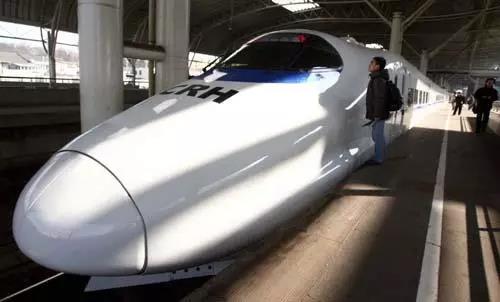
The dominance of the state economy is another often-cited reason inhibiting innovation in China. Yet even the state sector can create innovations. Large scale examples include China’s space programme, its expanding high-speed rail network, the world’s highest-elevation railway (to Tibet), and the world’s fastest supercomputer. The list goes on and is lengthening. These were all developed under the auspices of the state sector. Regardless of what many people say about the Chinese copying or even stealing technology from others, for projects as complex as these, real innovations clearly do exist, and the dominance of the state economy was able to provide ample funding for these advances.

“Despite the state sector’s role so far, most of China’s innovation will not be coming from there. It will come from the companies or even individuals who compete in China’s increasingly open economy”

China’s market economy is still developing, and is now slightly over two decades old. This fundamental transformation away from the fully planned economy so deeply ingrained during the Chinese People’s Republic’s first 30 years is still just a small blip in China’s long history, and nothing that we have seen during the last 20 years is by any means perfect. But the forces shaping the future change need to be fully understood, and the direction and speed of their change recognised and appreciated.

Despite the state sector’s role so far, most of China’s innovation will not be coming from there. It will come from the companies or even individuals who compete in China’s increasingly open economy. And that includes both Chinese and foreign private companies as well as state companies. And as more mixed equity enterprises are formed in response to the needs of a competitive market, the lines separating these different kinds of companies will become more blurred than ever. China is undergoing a measured but definite process of deregulation, sector by sector. Not all sectors of the economy will ever be fully deregulated, but the trend is clear.

The size of China’s market and the potential for profits mean that when the government opens up a sector it becomes an arena for some of the world’s most intense competition. This forces companies to be innovative and to create the best products, services and business models to achieve success. There’s also a strong “why not me?” mentality among Chinese entrepreneurs, so when an opportunity arises they tend to give it a try. Some – maybe even most – may fail, but with a population of 1.4bn, even a small percentage of successes is noteworthy and these are going to encourage many others to try their luck. In short, waves of new entrepreneurs in China will be pushing for greater experimentation and more innovation.

Xiaomi, one of China’s leading smartphone players, is an excellent example of an innovative company in a highly competitive industry. Xiaomi’s leader, Lei Jun, understood the power of the Internet and built his company’s business model by “listening to customers” through social media – the concept known as “crowd-sourcing”. Its strategy is working so well that Xiaomi’s revenues grew from zero in 2010 to $5bn in 2013, with the company now reportedly valued at $10bn. The late Steve Jobs at Xiaomi’s U.S. counterpart, Apple, didn’t believe in focus groups because he felt he knew best, but Lei Jun takes the opposite approach, and is convinced that customers will be the best ones to tell him how his products should be designed and how its service model developed. With millions of fans, Lei Jun claims his business model is not to make money from the hardware, but from services.

At a more basic level of innovation, Haier, a leading Chinese white goods manufacturer, quickly gained market awareness and share by introducing a washer capable not only of cleaning clothes but also potatoes. This sprang from a customer claim and is an example of Haier’s “customer centric” management philosophy. Not every Chinese company will be like this, but the market is changing so rapidly that there are major incentives for Chinese companies to be agile, nimble and innovative.

“There’s also a strong “why not me?” mentality among Chinese entrepreneurs, so when an opportunity arises they tend to give it a try”

To successfully breed innovation, a country must be tolerant of mistakes and failures. These failures will include short-lived innovations, but they are part of the process and in fact often further examples of how innovation will be sustained in China. Tencent’s QQ, for example, was a precursor to WeChat, a fast-growing Twitter/WhatsApp type of platform very popular not only in China but internationally too. Although only two years old, WeChat already has over 600m registered subscribers and over 270m active users and the numbers are growing fast. It introduced voice capability before WhatsApp, along with a more recent payment capability that is undercutting China’s dominant incumbent, Alipay of Alibaba.

Telecom operators see WeChat and Sina’s Weibo as competitors because they eat into their own text messaging businesses and the prevalence of the Internet, in particular wireless internet, is fast cutting out traditional distribution methods. Only a few years ago, Gome and Sunning were the dominant retailers through their “bricks-and-mortar” retail stores and today, Sunning is having to quickly transform itself into an “O2O” (Offline to Online) retailer. The same goes for companies like Haier, while many retailers, especially state-owned ones, are looking at how they must revamp their business strategies to remain competitive.

As China’s economic transformation continues, more and more monopolies will be broken down. It’s unlikely that China will become completely deregulated in the near future, but it’s heading in the right direction, and the new government re-affirmed this trajectory at its recent Third Plenum when it was emphasised that market forces will play a “decisive role” in China’s economic development and non-state capital will gain access to more sectors. State-owned enterprises (SOEs) are set to remain important, but non-state companies were for the first time put on an equal footing with the SOEs. Experimental free trade zones like that of Shanghai are to be established in more cities across China, and an effort will be made to create economic conditions that are conductive to innovation by entrepreneurial companies, both foreign and state-owned.

China’s unique qualities are its complexity and size. Even a small percentage of successes can be significant in the context of global commerce. Europe and the rest of the world will need to keep a close eye on China’s innovations because as well as threats they will bring with them opportunities.


新浪财经 | 谢祖墀:打造“指数X级组织”

文 | 谢祖墀

超大的生态系统之间将会进入一个极为激烈的“竞合”阶段。中国的创新、创业将会进入一个新的境界

众所周知,中国的两大互联网公司阿里巴巴和腾讯在2017年成功跻身全球十大市值企业行列。这是历史性的一刻。长期以来,全球十大市值公司都是美国企业的天下,并从以传统公司为主导,逐渐变成由科技公司为主导。去年,中国公司打破了美国企业的垄断,具有重要的意义。

近年来中国科技公司的发展惊人,除了阿里、腾讯之外,平安、小米等公司的市值亦实现了数千亿甚至万亿级的突破。此外,CB Insights的数据显示,2017年,中国还未上市但估值超过十亿美金的独角兽企业总数达到59家,其中的估值领先者包括滴滴出行、小米、美团等。

这些有着超高估值的中国企业都具有一个共性,那就是他们都具有大型的“生态系统”。

什么是“生态系统”?据谷歌词典的说法,生态系统是一个“由互生的生物们和他们的物理环境构成的生物社区”。用商业的眼光去看,这代表着一个由企业们组成的网络,在这个网络中企业与企业之间通过能力的互补来让整体具有足够的能力在环境中进行有效竞争。

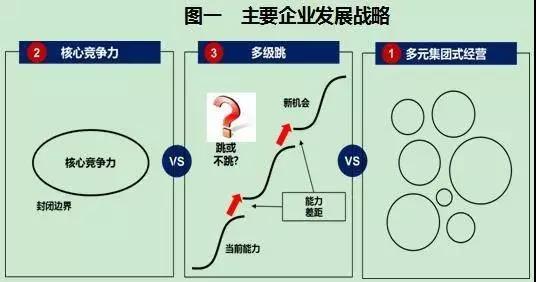
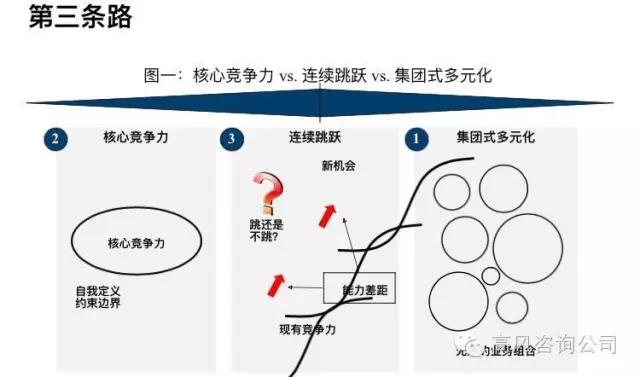
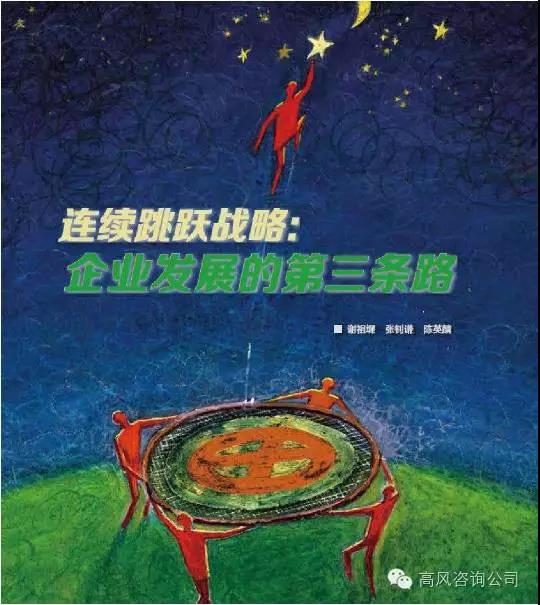
众所周知,阿里和腾讯成功地按阶级建立了他们各自的“超大生态系统”(mega ecosystems)。他们都是我们所称的“战略的第三条路”的信奉者。与集团式经营(“第一条路”)和以“核心竞争力”为主的聚焦战略(“第二条路”)不一样,战略的第三条路说明了企业在现有业务和未来机会之间作出的选择。当新的机会出现,但是企业尚没有足够能力的情况下,企业要不要跳过去,去捕捉新机会带来的红利。在过去二十年中,中国有着高速的发展,加上科技的逐渐普及,中国创新型企业面临着众多新的机会,而他们中的不少企业亦不断地在尝试“多级跳”。有些跳是成功的,有些跳是失败的,有些却选择不跳。企业在跳的过程中,他们自身往往缺乏足够的能力来应付新的机会。因此他们大多会选择建立相关的生态系统来尽快弥补能力上的差距。所以简单来说,战略的第三条路,亦即“连续跳跃战略”的主要组织形态就是生态系统。他们就像孪生兄弟一样,缺一不可。

第三条路的打法衍生了不同的生态系统,建立在这些生态系统之上的业务发展可以很快,每个生态系统都可成为一个“指数级组织”(exponential organization),也就是说它的业务可以按指数级的速度和强度发展。当这些战略执行者在尝试第三条路不断跳跃的过程中,他们自然地形成了由不同生态系统组成的集群,形成一个“超大生态系统”。而因网络形成的乘数效应,超大生态系统衍生出的是超级指数级组织。我们称之为“指数X级组织”(exponential X organization)。

吉利就是一个好的案例。长期以来,许多人把吉利看成只是一家低端轿车的制造商而已。然而从1997年进入汽车行业至今,吉利正在逐步建立一个超大的生态系统,通过不断地捕捉市场中新的机会,从一家传统的民营汽车制造商逐步转型成为交通运输服务提供商。从2010年对沃尔沃汽车公司的收购进入高端乘用车市场,到2015年推出新能源网约车平台“曹操专车”进入共享出行市场,再到2016年和2017年推出领克品牌(Lynk & Co.)和Polestar品牌,为消费者提供传统汽车拥有模式以外的共享租赁模式和个性化的互联网用车体验,吉利的发展正在从以产品(“汽车”)为中心演变至以用户(“体验”)为中心。除此之外,吉利近期还通过收购美国飞行汽车创业公司Terrafugia,将业务拓展至地面交通以外的其他交通运输模式,成为其交通运输服务提供商生态系统下的一个重要部分。

其他中国企业如平安、小米、京东、百度、滴滴、美团等都在建立他们的超级组织生态系统。

超大生态系统正向每个消费者的生活方式进发,为消费者提供全面而个性化的产品和服务

这些“指数X级组织“正在不断进行跨界竞争。甚至一部分企业认为将来的商业世界将会是“无界的竞争”。据此思想推论,传统行业的界限已经不再具有特别大的意义。超大生态系统正向每个消费者的生活方式(lifestyle)进发,为消费者提供全面而个性化的产品和服务。当美团要做共享汽车、滴滴要做共享单车时,原有的界限已经变得模糊。当然,跨界的核心是客户和有关他们的数据。当一个企业已经拥有“无处不在”(ubiquity)的用户数据,同时有能力进行“单客经营”(segment of one),和针对不同“社群“(community)进行“无缝连接”(interactivity)的时候,企业就有能力不断地围绕着消费者的生活需求提供更多个性化的产品和服务。物联网的成熟和5G技术的出现将会加速这种现象的发生。

因此,超大的生态系统之间将会进入一个极为激烈的“竞合”(co-opetition)阶段。于这个过程中有赢者,亦会有输者;有整合、淘汰,亦会有新的超大生态系统的出现。中国的创新、创业将会进入一个新的境界。

原文发表于《亚布力观点》(2018年1月刊)并保留所有权利

(注:本文图片均来自网络)

关于作者:
谢祖墀博士(Dr. Edward Tse)是高风管理咨询公司(Gao Feng Advisory Company)的创始人兼首席执行官。中国管理咨询业的先行者。过去的20年里,他创立并领导了两大国际管理咨询公司在大中华区的业务。外界评价他为“中国的全球领先商业战略家”和 “谢博士之于中国企业界就如大前研一之于日本企业界”。他曾为数以百计的公司(总部设在中国及其它地区)咨询过所有关键战略和管理方面的业务,涉及中国的各个方面和中国在全球的地位。他还为中国政府在战略、国有企业改革和中国企业走出国门等方面做过咨询。他已发表200多篇文章并出版了4本书,其中包括于国际获奖的《中国战略》和《创业家精神》。谢博士获得了加州大学伯克利分校工程学博士、MBA以及麻省理工学院的工程学学士、硕士。


China Daily | R&D Driving China’s Innovation Speed

By Edward Tse | China Daily Africa | Updated: 2018-02-16

The central government’s blessing of entrepreneurship has created a vibrant environment that began at the grassroots

At the beginning of China’s opening-up and reform 40 years ago, the country’s reform architect, Deng Xiaoping, put forward that “science and technology are the primary productive forces”. At the 19th National Congress of the Communist Party of China in October, General Secretary Xi Jinping proclaimed that “innovation is the primary force driving development”.

Behind both of these statements is the philosophy that research and development as well as innovation results in generating key capabilities for the country. R&D investment is generally viewed across the world as the backbone of a globally competitive and innovation-driven economy.

Late last year, the European Commission released “The 2017 EU Industrial R&D Investment Scoreboard”, which covered 2,500 companies from 43 countries that invested the largest amount in research and development last year. These companies recorded a total investment of 741.6 billion euros ($909 billion; £657 billion) in R&D, a 5.8 percent year-on-year increase.

Among the companies covered in the Scoreboard report are 376 Chinese enterprises. Their R&D investment grew by 18.8 percent year-onyear in 2016, compared with a 7.2 percent increase by 822 US companies and a 7 percent increase by 567 European Union companies.

While most of the top companies in the report are from the West, Huawei, a China-based telecom equipment and smart device manufacturer, leapfrogged to sixth place, registering 10.4 billion euros in R&D investment. Huawei’s ranking advanced by more than 200 places between 2004 and 2016. Chinese internet giants Alibaba and Tencent also entered the top 100 on the list.

Source: Baidu.com

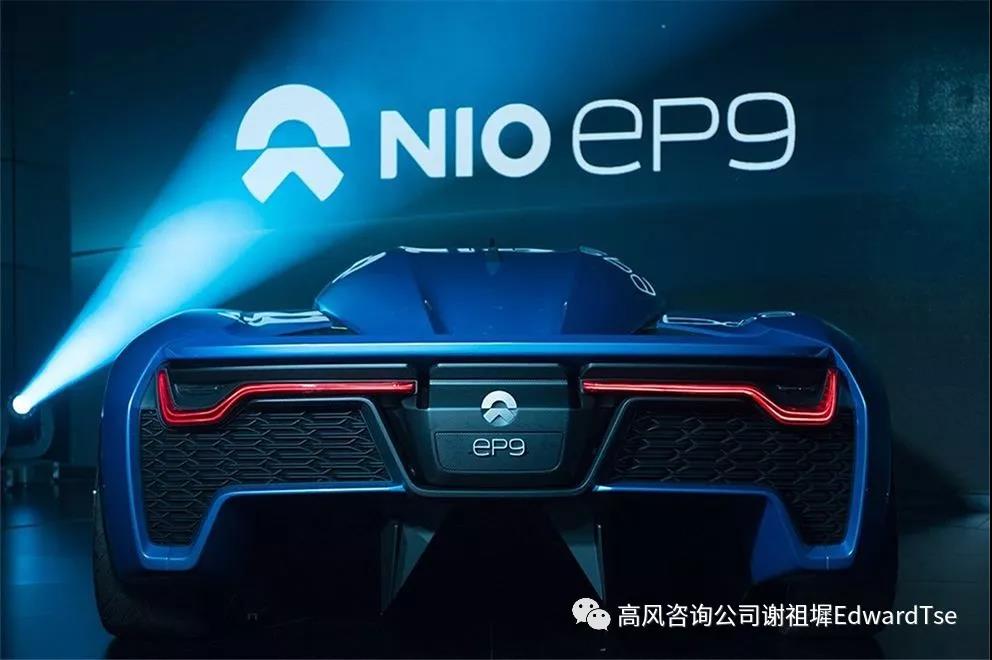
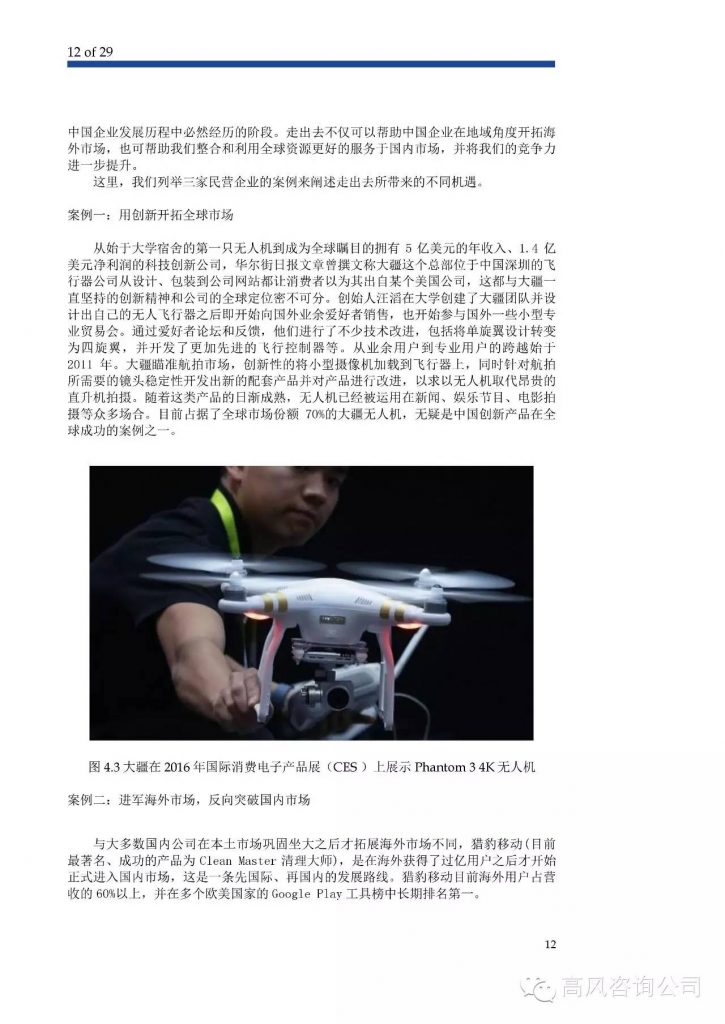
Chinese companies are also well known for tech innovation in such areas as drones, electric vehicles, autonomous driving and artificial intelligence. DJI, a Shenzhen-based company, has a global market share of around 70 percent in consumer drones. NIO, a Chinese electric vehicle startup, developed the fastest electric sports car, the EP9, within 18 months and broke the world lap record at the Nurburgring Nordschleife track in Germany. In terms of AI, a Chinese company, Face++, developed advanced facial recognition technology that is widely used in the financial technology, smart retail and many other industries. This technology, now used in more than 200 countries, processes over 30 million requests each day. SenseTime, a Chinese AI company founded in 2014, focuses on innovative computer vision and deep learning technology. In July last year, the company successfully raised the largest single-round investment in AI globally, at $410 million.

For a long time, China was viewed as a nation that relied on low manufacturing costs for exports. And Chinese companies were labeled “copycats” by the West. Very few people believed that China had the ability to innovate. However, the country’s development over the past decade has proved otherwise.

Source: Baidu.com

In fact, innovation is thriving in China. MIT’s Technology Review included nine Chinese companies such as iFlytek, Tencent, Face++ and DJI in its 2017 list of the Top 50 Smartest Companies. So what caused China’s innovation and the entrepreneurship that goes with it to take off? I think it’s because of the following reasons:

1. “Why not me?”: At the end of the 1970s, during the onset of China’s era of reform and opening-up, the Chinese discovered that not only was their economy backward and undeveloped compared with the economies of the developed nations, but the gap between the Chinese economy and those economies was vast. Against this background, Chinese entrepreneurs were spurred by a new sense of purpose and the desire to strive for success and show the world that they, too, could succeed. Although it’s been 40 years since China’s opening-up began, this question of “why not me?” is still the key driver behind the Chinese entrepreneurial spirit.

2. Market opportunity provided by the State economy: For a very long time, China’s economy was dominated by State-owned enterprises. In a market defined by fast changes, intense competition and the need for innovation, SOEs are usually slow to react. Many innovative companies have taken advantage of this market gap and have benefited with extraordinary growth.

3. Transformative and intense competition: China’s process of shifting from a planned economy to a market economy is gradual and will take time. In this process, a wide range of sectors have opened up and, coupled with the allure of the massive China market, we see players from all over the world igniting intense competition. This state of hyper competition forces companies to innovate in order to stay ahead.

4. Chinese society’s pain points: In the process of transformation, pain points that had previously been hidden are now in plain sight, and they provide entrepreneurs with opportunities for innovation.

5. The rise of technology: With the wireless internet, smart devices and social media becoming a core part of the everyday life of Chinese consumers, tremendous disruption opportunities are provided for innovators and entrepreneurs alike.

6. The massive scale of the Chinese market: The size and fast-changing nature of China’s market allows companies to rapidly scale up. At the same time, it provides a platform for innovators and entrepreneurs to learn via trial and error. Leading Chinese companies are also benefiting from high valuations that provide them with the needed capital ammunition to support their growth.

7. Capital resources: Over the past 20 years of China’s development, many venture capital companies and angel investors have benefited from exceptional returns on their investments in China. Regardless of whether these investors came from abroad or were homegrown, Chinese companies have benefited greatly from the vast sums of capital these investors have provided over time.

Against this backdrop, China’s development model plays a crucial role. From the top, China’s central government actively directs the country’s economic development with great results. In this context, the central government has positioned innovation and entrepreneurship as a key national initiative, and with this blessing, a vibrant innovation and entrepreneurial environment began at the grassroots level. In addition, various local governments across China are both competing and collaborating with each other, providing additional impetus for innovation.

The author is founder and CEO of Gao Feng Advisory, a global strategy and management consulting company with roots in China. He is also author of China’s Disruptors.


Nikkei Asian Review | The Extraordinary Power of China’s Corporate ‘Mega Ecosystems’

By Edward Tse| February 9, 2018

Companies like Didi and Meituan are increasingly coming into competition

Some observers have criticized China’s market economy for lacking the “creative destruction” that is said to give Western capitalism its lasting vitality.

Such doubts are misplaced as the new year is likely to underscore. In recent weeks, Didi Chuxing, the country’s predominant ride services app, has moved to add bike-sharing options to its platform and has acquired Bluegogo, a bike operator that had run into difficulties. The move clearly positions Didi, already one of the world’s most valuable startups, to take on current bike-sharing leader Mobike. Meanwhile, Meituan-Dianping, which is best known for its food delivery service and has more than 250 million users, has moved to offer car-hailing services in competition with Didi.

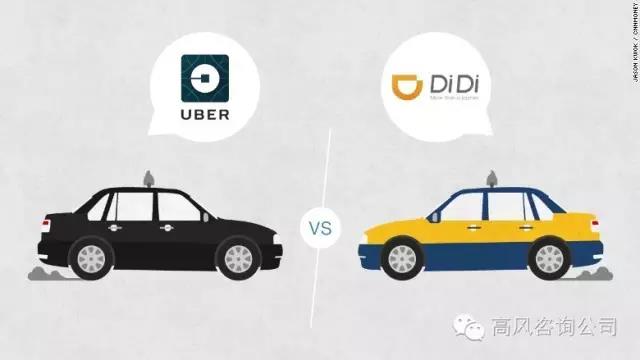
The fight is on. Didi Senior Vice President Chen Ting has already said Meituan’s move will touch off the “war of the century.” In the background is the increasing overlap between the business networks of China’s two most valuable listed companies, Tencent Holdings and Alibaba Group Holding. After a series of mergers, both have ended up as key shareholders of Didi. Tencent also backs Meituan and Mobike while Alibaba is a major investor in Ofo, which is Mobike’s top rival as well as a partner of Didi’s.

Not long ago, many argued that state-owned enterprises were becoming increasingly dominant in China’s economy at the expense of the private sector. These observers highlighted government protections enjoyed by state companies and noted their privileged access to resources and market niches.

In reality, the fastest-growing companies in China over the last few decades have predominantly, if not entirely, been entrepreneurial companies from the private sector. According to a study by the Institute of Population and Labor Economics at the Chinese Academy of Social Sciences, new economy sectors, ranging from e-commerce to car-hailing services, expanded twice as quickly as China’s overall GDP over the 10 years to 2016. These new economy companies are nearly always private sector companies.

The most valuable Chinese companies today are typically “mega ecosystem” players which operate networks of businesses that can support each other and supplement each other’s capabilities. A milestone was crossed last year when Alibaba and Tencent, the mega ecosystem leaders, surpassed Facebook in market capitalization.

The growth of entrepreneurial Chinese companies has been amazing. According to tech-sector funding research company CB Insights, the number of unlisted Chinese companies valued at $1 billion or more — the so-called “unicorns” — has risen to 59. The U.S., with nearly twice as many unicorns, is the only country where CB Insights counts more.

The Chinese though are closing the gap fast. Five years ago, CB counted only three Chinese unicorns, less than a quarter as many as it tallied then in the U.S. Those in China now valued at $30 billion or more include Didi, Meituan, Ant Financial Services Group and smartphone maker Xiaomi.

The notion of a business ecosystem is not new. Apple, the world’s most valuable company, was a pioneer in this regard when it launched the iPhone back in 2007 and made the App Store its platform for distributing apps. Other leading U.S. tech companies such as Amazon.com and Alphabet are also ecosystem players. Chinese companies, however, have turned out to be even more adept at building such organizations.

Alibaba, Tencent and Xiaomi are prime examples of mega ecosystems. Building out from their original core businesses, they have jumped into a string of new sectors as market opportunities have popped up amid economic reform and technological developments have enabled them to disrupt existing means of doing business.

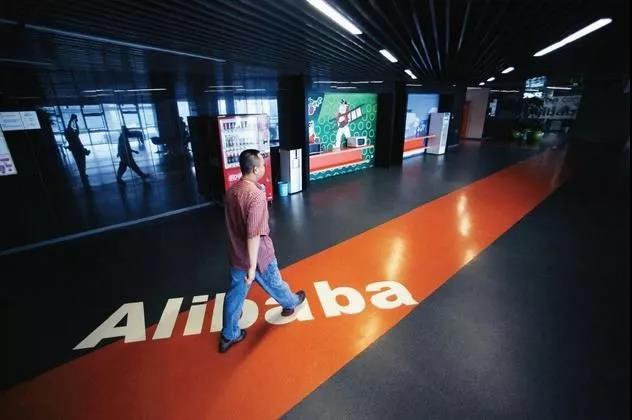
Alibaba started as a small business-to-business online marketplace almost 20 years ago. Around 2003, when online shopping was emerging, Alibaba jumped in with consumer-to-consumer site Taobao and later business-to-consumer site Tmall. Next Alibaba started Alipay to support mobile online payments and then later used its platform to offer wealth management services, including the Yu’e Bao money market fund, which subsequently became the backbone of its network’s internet finance business.

Today, Alibaba’s internet finance interests are grouped under Ant Financial, which includes businesses such as electronic payment processing, banking, social credit scoring and financial cloud services. (Alibaba said on Feb. 1 that it will resume its direct shareholding in Ant, exercising rights to take a one-third stake.) Alibaba has also branched into areas including big data, smart logistics, media, auto-mobility and cloud storage. Each sector has its own system which together form Alibaba’s mega ecosystem. Though its development took a somewhat different course, Tencent has built a mega ecosystem too.

Chinese companies seem more inclined than their Western counterparts to migrate across sector boundaries and create larger ecosystems. This is perhaps because new market opportunities have been popping up more frequently in China and its consumers have embraced smartphone apps more closely. When they sense an opening, Chinese companies can quickly form ecosystems of collaborative partnerships.

In contrast, most foreign multinational corporations tend to focus on what they have been doing all along and avoid jumping across sector boundaries. This is a result of the “core competence” doctrine that has governed corporate strategy thinking in the West for about 30 years. Whle Chinese companies are more inclined to expand “horizontally” into new sectors, Western companies tend to grow “vertically” to areas upstream or downstream from their original focus.

Besides Alibaba and Tencent, companies like Ping An Insurance Group, Baidu and JD.com are building out mega ecosystems with incredible speed and intensity. Even some traditional manufacturers are moving in this direction. Zhejiang Geely Holding Group has gone from producing entry-level cars to selling premium models with the help of foreign acquisitions and has been the first Chinese carmaker to move into on-demand mobility services. It has also been experimenting with connected intelligent vehicles, shared ownership programs and flying cars, together assembling a sprawling transportation services ecosystem.

Clearly access to abundant user data is key for these kinds of companies. Even bike-sharing services like Mobike and Ofo claim that they are data-centric companies, signaling that they will also build out their ecosystems with consumer lifestyle at the core.
New technologies such as the internet of things and 5G mobile networks will enable companies to crisscross sectors faster and more capably. The operations of China’s mega ecosystems will overlap increasingly with each other, driving even more intense competition.

Perhaps more collaborations in some cases or even the merging of mega-ecosystems will take place. The “coopetition” that results would be even more dynamic. The already powerful mega ecosystem players could then get even more powerful. This will be exciting to watch.

Edward Tse is founder and CEO of Gao Feng Advisory Co., a global strategy and management consulting firm with roots in China, and the author of “China’s Disruptors.”


SCMP | Open For Business

By Edward Tse | February 7th, 2018

China-US trade and investment is thriving inpockets on the ground, despite the policy frictions

Edward Tse says while concerns about unfair Chinese trade practices and Chinese companies’ ties with the government are not totally unfounded, they ignore the real and growing business collaboration as the private sector takes the lead

Two recent failed deals involving Chinese companies seeking to invest in the US have made headlines. US telecoms company AT&T walked away from a deal with Huawei, a Chinese telecom equipment and smart device maker, under pressure from US Congress. The US government also rejected the intended acquisition of MoneyGram, a US money transfer company, by Ant Financial, an affiliate of China’s internet giant, Alibaba.

It was reported that both deals triggered US “national security” concerns. The media are now saying that, on Capitol Hill, there is a prevailing wind of “trust deficit” in US-China relations on trade and investments.

There seems to be two parts to this story. The first concerns Chinese companies investing in the US. The theory goes like this. The Chinese government is behind everything that Chinese businesses are doing and state-owned enterprises, because of their government ownership, will act on behalf of the Chinese government’s interests. By implication, their motives are not trustworthy. In addition, the Chinese government employs strong industrial policies that create an unfair playing field for companies and countries.

The second part of the story is about the perception of how US companies are treated in China. The key thesis here is that the Chinese market is closed to US (and for that matter all foreign) companies. The Chinese government favours local enterprises, especially state-owned companies, and so US companies cannot be successful in China. Many US politicians and lobbyists are asking for “reciprocity”.

There are some elements of truth in both of these arguments. However, they do not present the complete picture.

While the state sector is certainly prevalent in China, the non-state sector is actually becoming more powerful in its own right. According to Chinese government statistics, the non-state industrial sector’s revenue in 2016 was close to four times that of the state sector. About the same ratio also applies to the total profit.

Source: Baidu.com

Based on a study by the Institute of Population and Labour Economics at the Chinese Academy of Social Sciences, China’s “new economy” – internet-based businesses including e-commerce and car-hailing services – grew twice as quickly as China’s overall gross domestic product in the 10 years to 2016. By definition, these new-economy companies are mostly, if not entirely, private-sector companies. Entrepreneurship and business innovation are thriving in China and they come mostly from the private sector.

US President Donald Trump has called for the “re-shoring” of manufacturing to the US. Ironically, some Chinese companies were among the first to respond to the call.

Companies such as Fuyao Glass, Foxconn and Great Wall Motors – all non-state owned – announced plans to invest in the US. (Foxconn is, of course a Taiwanese company but its operations are mainly on the Chinese mainland). And Jack Ma, Alibaba’s chairman, pledged to create “one million jobs” in the US. Alibaba is the owner of the South China Morning Post.

Since its economic reform that started some four decades ago, China has gradually opened its sectors to foreign participation. Today, while there are still some that are closed or largely closed to foreign companies, a much larger number are open to competition, for example in consumer products and retail.

For US companies such as Nike, Starbucks, Apple, Ford and General Motors, China is one of their largest markets, if not the largest, in the world. And, China’s importance to these companies continues to rise. The “golden era” of foreign companies, at least for these successful ones in China, is certainly not over.

Many pundits have suggested that China’s “Great Firewall” has blocked all US tech companies from doing business in China. The likes of Facebook and Twitter are indeed blocked in China, and others like Google chose to withdraw as a stand against China’s censorship requirements. (It’s worth noting, however, that Google recently announced the establishment of a major artificial intelligence centre in Beijing.) However, there are many other tech companies that are not blocked. LinkedIn, Airbnb and Amazon’s e-commerce are all operating in China. Uber and eBay were allowed but they decided to divest largely due to extremely strong local competition (from the non-state sector).

Source: Baidu.com

At the 19th national congress of China’s Communist Party last October, President Xi Jinping made the pledge that China will continue to open up its economy to foreign companies. In November, the government announced plans to ease limits on foreign ownership in a range of financial services. Further liberalisation is expected over time.

Similar to how US companies are investing in China to try to capture the Chinese market, more Chinese companies are also investing in the US. Triangle, the third-largest Chinese tyre manufacturer, is investing in a US$580 million plant in North Carolina. To many Chinese companies, the US is an attractive market and the conditions for manufacturing are becoming more favourable.

As Chinese innovation and entrepreneurship continue to thrive, there will certainly be more opportunities for start-ups involving both Chinese and US entrepreneurs, and venture capitalists. Technology, especially AI, will increasingly be embraced for innovation.

Both the US and China are now leading the world in the development and application of AI, and this trend is likely to continue to accelerate. The interactions between China and the US at the start-up and investors’ levels are actually taking place intensively as there is so much to share and many opportunities to jointly pursue. Much of this is reflected in cross-border investment.

It would be naive to expect smooth sailing for the US-China trade and investment relationship this year. However, I don’t believe all will be bad, either. There will be areas of tension and differences in points of view and policies, but there will also be areas of collaboration and alignment.

“Coopetition” is perhaps the best word to describe the nature of this relationship. It won’t be a zero-sum game, especially not in today’s world of increasing connectivity.

Edward Tse is founder and CEO of Gao Feng Advisory Company, a global strategy and management consulting firm with roots in Greater China. He is the author of China’s Disruptors.


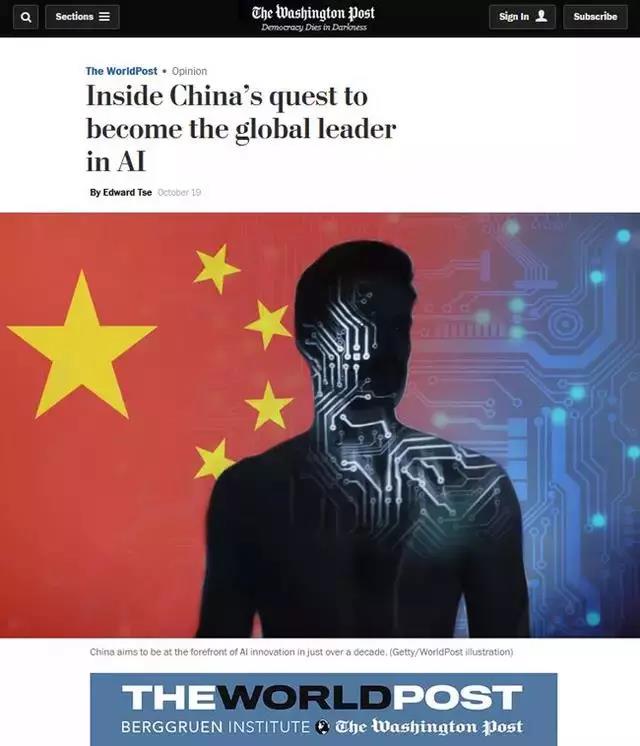
观察者网 | 谢祖墀:揭秘中国通往人工智能领域全球领袖之路

如果一切按照计划顺利推进,那么中国有望在2030年前成为人工智能领域的全球领袖。中国在人工智能领域的成功甚至也意味着,全球地缘政治的游戏规则将随之改变。

我认为中国会在未来十年内实现其既定目标,我之所以做出这样的判断,部分原因在于我看到了中国已经取得了何种进展。尽管今日世界在很多方面都没有明确的方向,但中国在融合强势的、自上而下的政策引导与生机勃勃的草根创新这方面相较其他国家拥有很大优势。

此外,因为中国有多达7亿的互联网用户,这使其拥有海量的数据用来训练人工智能系统的学习和运算。中国生机勃勃的移动互联网生态也为人工智能研究者搜集分析极具价值的交易行为大数据提供了合适的平台,同时也使得中国研究人员与国外的竞争者相比能够进行更高层次的大规模实验。

政策引导与草根创新的结合使得中国获得了独特的优势,这一优势将使其在未来十年里成为人工智能领域的主导者。要理解其中缘由,只要看看当今中国的科技进步便可略知一二。

中国正在地方层面向人工智能领域增加投资

如今中国许多地方政府都在为人工智能领域的创新提供资金支持。在政府的支持下,作为中国最贫穷的省份之一的贵州省已经成为了中国的“大数据中心”。包括苹果、阿里巴巴、腾讯和高通在内的产业巨头都在贵州设立了大数据中心,这在很大程度上是受到政府财政政策推动的结果。根据中国政府的统计数字,贵州省2016年的国内生产总值增速达到10.5%,这在中国所有省级行政区中名列前茅。

另一个例子来自位于中国西南的直辖市——重庆。重庆是中国最早设立专门的政府部门以支持当地人工智能产业发展的城市之一。2017年5月,重庆与中国搜索引擎公司百度展开合作,推动当地人工智能和大数据产业的发展。中国的其他地方,包括北京附近新设立的雄安新区以及粤港澳大湾区,也将人工智能写进了当地的发展规划,并将其定位为当地经济增长的关键引擎。

中国公司致力于人工智能科技创新

中国政府的有利政策刺激了国内一众不同的技术厂商的技术创新。如百度、阿里巴巴和腾讯等领先的互联网巨头,以及像碳云智能(iCarbonX)、商汤科技(Sense Time)等初创企业,还有估值超过十亿美元的独角兽公司如滴滴出行、小米科技等都已在业务中运用人工智能技术或已投资于此。

例如,百度将公司战略从“移动互联网第一”调整为“人工智能第一”。百度战略的具体内容包括能与音响、电视、冰箱等智能设备相连接的对话式人工智能系统DureOS、无人驾驶汽车研发开源平台“阿波罗项目”,以及可以提供60多种人工智能技术服务的“百度大脑”等。百度的竞争对手腾讯也建立了自己的人工智能技术实验室,该实验室研发的产品在今年早些时候打败了日本围棋高手一力辽(Ryo Ichiriki),从而一举成名。

除此之外,中国医疗行业的初创企业碳云智能(iCarbonX)则建立起了一整套数字化的“生态体系”,利用人工智能技术收集用户的生理和心理健康数据,为用户提供个性化的健康分析报告,并且针对用户的健康状况给出预测分析。而初创于2014年的人工智能企业商汤科技(Sense Time)则聚焦于计算机图像识别创新和深度学习技术。今年7月,商汤科技称已获得4.1亿美元的全球人工智能行业最大单笔投资。

即便如此,中国与全球人工智能领袖美国相比仍然存在明显的差距。根据腾讯研究院近期发表的一份报告,中国人工智能企业的数量仍落后于美国(截止2017年6月,全球人工智能企业总数达到2542家,其中美国拥有1078家,占42%;中国其次,拥有592家,占23%——观察者网注),尤其是在算法、芯片和数据等产业核心领域,美国积累了强大的技术创新优势。另外,在人工智能基础算法和基础理论研究方面,中国也不及美国。但中国在人工智能技术的应用上则比美国做得更好。

中国人工智能技术跃进对美国造成的另一潜在挑战也体现在地缘政治领域。路透社援引五角大楼尚未披露的一份报告称,美国政府已将中国对美国人工智能初创企业的投资视为对美国国家安全的潜在威胁。因此,美国会严格审查在敏感的人工智能技术领域的跨境投资。不过特朗普政府已提议将美国国家科学基金会在“智能系统”上的研究经费削减10%。在中国政府强有力的政策和资金支持下,这也许会给中国带来潜在的机会,美国人工智能技术人才有可能受到吸引赴中国设立实验室并进行相关领域的研究。

中国在成功挖掘利用人工智能技术的潜力之前还有一些工作要做。但中国有物质条件和人才资源来实现其目标,而且中国有很强的政治意愿将人工智能列为国家发展的优先目标。在这些因素的共同推动下,中国人工智能产业在未来将难有对手。

(青年观察者张成译自《华盛顿邮报》网站,观察者网马力校译)


SCMP | What’s in Store for China & US in 2018

By Edward Tse
January 11th, 2018

China is perennially a top of mind issue in American politics. Former President Barack Obama’s “Asia pivot” strategy had China as its centerpiece. President Donald Trump’s election campaign also centered around China, but in a very different light. He reasoned a key reason why America “wasn’t great again” was because of China’s increasing competitiveness which manifests itself mostly in its trade surplus against the US. As he vowed to make “America great again”, he sees China as a “strategic competitor” to the US.

In 2017, China made huge strides in stepping up its leadership position in global politics as the US, under President Trump, receded. At the World Economic Forum at Davos, Switzerland in January, Chinese President Xi Jinping underscored the criticality of globalization against the backdrop of Trump’s US-centric rhetoric. While the US withdrew from the Trans-Pacific Partnership, China stepped up its “Belt and Road” initiative with the formation of the Asian Infrastructure Investment Bank (AIIB) whose member countries now number 84 (as of Jan. 2018). While China (together with the European Union) pledges its commitment to reduce global carbon emissions according to the Paris agreement, the US decided to walk away.

As Trump called for “re-shoring” of manufacturing to the US, paradoxically some Chinese companies were amongst the first to respond to the call. Companies, such as Fuyao Glass, Foxconn, and Great Wall, announced major plans of investing in manufacturing in the US. (Foxconn is of course a Taiwanese company but its operations are overwhelmingly in Chinese Mainland). And, Jack Ma, chairman of China’s leading Internet company Alibaba, announced it will create “one million jobs” in the US.

So what will happen to the US – China relationship in 2018?

It seems likely the “co-opetition” nature of the relationship between the largest and second largest economies in the world will continue.

Donald Trump’s “America First policy”, or at least its rhetoric, would most likely continue and to that end, China will likely continue to be a target of a “strategic competitor” to the US. In global geopolitics, China will likely continue to step up its position as a global leader as China continues to seek its “Renaissance” while the US would continue to fortify its “Me First” position.

In business, as China’s economy continues to grow at around six to seven percent, China will continue to present numerous opportunities for US companies (and those from other countries). At China’s 19th Party National Congress back in October 2017, Xi Jinping made the pledge that China would continue to open its economy to foreign companies. Sure enough in November, the Chinese government announced plans to ease limits on foreign ownership in a range of financial services sectors. We expect the further opening for foreign participation in China’s growing economy will take place in 2018, allowing more degrees of freedom for US companies operating in China.

As China’s middle-class will continue to grow in size and the level of its purchasing power heighten, Chinese consumers will become even more important customers for US products and services both domestically and outside of China. For US companies, such as Apple, Starbucks, Nike, General Motors, Ford and Honeywell, China has become one of their largest, if not the largest, markets in the world. And, China’s importance to these companies will inevitably continue to increase. While competition is super intensive and technology is driving major, discontinuous change in the China market, more US companies will realize the incredible upside potential of the China market and will seek ways to capture its rightful potential. Even Google, who decided to withdraw from the China market several years ago, have recently announced the establishment of a major Artificial Intelligence (AI) Center in Beijing.

China has also become the world’s largest country of outbound travelers. In 2017, the number of Chinese outbound tourists is estimated at around 130 million. Chinese consumers will likely become even more globally active in 2018. The US will continue to be one of the most favored destinations for the Chinese. The Chinese consumers tend to spend a lot as they travel and that would bode well for the US travel and tourism industry.

In 2018, more Chinese companies are expected to invest in the US and to exploit the potential of the US market. For instance, in December 2017, reports claim that Huawei, China’s leading telecom equipment and smartphone maker, would partner with AT&T to sell its Mate 10 smartphones in the US. If true, this would be a breakthrough development, as for a long time, Huawei was not able to penetrate into the US market. Triangle, the third-largest Chinese tire manufacturer, is going to invest into a $580 million plant in North Carolina in 2018. Keer Group, a textile producer in China, plans to invest $218 million over next five years to expand the capacity of its facility in South Carolina. To many Chinese companies, the US is an attractive (and in some cases necessary) market and the conditions for manufacturing are becoming more favorable.

As China’s innovation and entrepreneurship continue to thrive, there will certainly be more opportunities for start-ups of both Chinese and US entrepreneurs, as well as for venture capitalists. Technology, especially AI will increasingly be embraced for enabling innovations by entrepreneurs. Both the US and China are now leading the world in the development and application of AI, and this trend will likely continue to accelerate. The interactions between China and the US at the start-up and investors’ levels are actually taking place intensively as there is so much to share and many opportunities to jointly pursue. Much of this has already manifested in cross-border investments between the two sides. We expect this would happen even more in 2018.

Inevitably, the US government will continue to send rhetoric on trade friction between the US and China, and will announce more policies to address the trade imbalance. Additionally, the US government will likely continue to view China as a strategic competitor, and national security will continue to be a key consideration by both governments when it comes to investments by organizations from the other side. However, common interest would prevail both at the government level and at the business level. In 2018, we expect the US- China relationship would continue to move along. There will be areas of tension and difference in points of view and policies, but there will also be areas of collaboration and alignment. Co-opetition is perhaps the best word to describe the nature of US – China relationship in 2018. After all, it won’t be – and shouldn’t be – a zero-sum game especially not in today’s world of increasing connectivity.

Original published by South China Morning Post on January 11th, 2018. All rights reserved.

Edward Tse is founder and CEO of Gao Feng Advisory Company, a global strategy and management consulting firm with roots in Greater China, and author of China’s Disruptors.


SCMP | How China is Leading the ‘New Retail’ Revolution

By Edward Tse and Jackie Wang

Edward Tse and Jackie Wang say market moves by Chinese firms like Alibaba, Tencent and JD.com show how key players are experimenting with various forms of tech-driven ‘new retail’ in the O2O world, making the industry more dynamic than ever

While the past two years may have been brutal for brick-and-mortar stores worldwide, China’s online and offline retailers have witnessed a “new retail” revolution, driving an increasingly stronger national consumption.

Since China launched economic reforms in 1978, the country’s retail industry has undergone multiple stages of development.

With foreign retailers flooding in after China joined the World Trade Organisation in 2001, the scene was diversified. Offline retail started to be challenged by Taobao, Alibaba’s online shopping platform, which was founded in 2003 and grew -exponentially in the following decade. The transaction amount for Alibaba’s “Singles’ Day” 24-hour online sales each November 11 has grown from 50 million yuan (HK$59 million) in 2009 to 168 billion yuan this year (Alibaba owns the South China Morning Post).

With e-commerce booming, businesses have been adopting an “online to offline” (O2O) model, using online channels to attract offline traffic. In the past few years, this phenomenon has evolved into the notion of “new retail”.

New retail represents a trend of online merging seamlessly with offline, resulting from the prevalence of digital technology, like mobile payment, wireless internet, sensors and artificial intelligence (AI).

In this model, online is no longer just a sales channel, but provides ubiquitous touchpoints to interact with consumers and their social groups. By contrast, offline retailers are trying hard to keep consumers in their brick-and-mortar stores for longer, offering better customer experiences by leveraging digital technologies.

From sales and marketing to -logistics and inventory management, the new retail revolution is transforming the industry. For example, Amazon Go, the pioneer in new retail in the US, tracks purchasing behaviour with sensors placed on supermarket shelves. After consumers choose their products, they can just walk out of the store, with the amount payable automatically deducted from their mobile payment account.

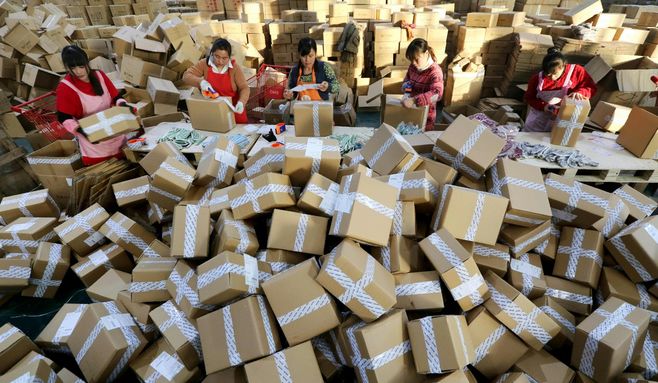
Some aspects of the retail operation are also becoming less human-led. In China, logistics firm Cainiao is incorporating hi-tech-enabled hardware and software to improve efficiency. In its logistics park, -Cainiao deploys drones to monitor the security of the venue. Within the warehouse, several robots called “Geek+” work with staff to sort packages. It also uses computer vision to identify, monitor and -arrange different orders.

Improved logistics efficiency is contributing to the consumer experience as well. Consumers will not only receive their packages faster, but also with fewer errors and get fresher goods.

Whereas in America, Amazon is at the forefront of the new retail revolution, China’s speed and intensity have gone into orbit. Players big and small are experimenting with various forms of new retail, making the industry more dynamic than ever.

Driven by the huge market -opportunities and abundant venture capital, start-ups in China are actively participating in this revolution. For example, Xingbianli, a convenience store and vending machine start-up, offers many popular Korean and Japanese products that could mostly only be bought via daigou (individuals who shop overseas and resell to Chinese consumers). More importantly, it is testing the area of unmanned retail.

Products have their own bar code, which can be scanned by consumers when they choose their shopping and then check out on the Xingbianli app. There is also a mini-library and a -café within the convenience store, aimed at making consumers linger.

Traditional local retailers are also incubating their own new retail formats, such as Super Species, a subsidiary of China’s largest supermarket chain, Yonghui Superstores.

Super Species specialises in selling fresh produce, such as vegetables and seafood, and combines the traditional market with restaurants, -cafés, florists, and so on. It has also introduced a Yonghui Partnership Plan, allowing staff to present more innovative retail ideas and pilot them within the stores. Super Species itself is becoming an incubator for those innovative ideas, and new retail here is no longer just about changing the store format, but also the mindsets of all staff.

Tech giants like Alibaba, Tencent and JD.com are heavily investing and competing head to head in the offline battleground. Alibaba -invested US$2.9 billion in one of China’s largest supermarket chains, Sun Art Retail Group, in November. It aims to transform Sun Art’s offline business of over 400 -Auchan and RT-Mart branded -hypermarkets and provides technology to enhance customer data and inventory management.

In 2015, JD.com invested US$700 million in Yonghui Superstores. This month, Tencent, a close ally of JD.com, acquired a 5 per cent share in Super Species, and made capital injection for a 15 per cent stake in Yonghui Yunchuang Technology, Yonghui’s supply chain and logistics subsidiary.

To further compete with Alibaba online and enrich their own ecosystems, Tencent and JD.com are -investing in VIP.com, a Chinese e-commerce platform specialising in discounted products for women.

They will together own 12.5 per cent of VIP.com and, as they further monetise their traffic, the new retail battle with Alibaba will -get fiercer.

Foreign companies are also -actively piloting their new retail strategy in China. Earlier this month, the world’s largest Starbucks -Reserve Roastery opened in Shanghai, leveraging Alibaba’s technology to give consumers a more immersed Starbucks journey.

This is also the first mass offline application of augmented reality (AR) technology. Consumers can use the Taobao app to unlock the AR features in the store, such as learning about the details of the Starbucks coffee brewing process.

Technologies are enabling these companies to create new business approaches, while intense competition is driving all players to -become better. They can’t afford to slow down. China’s scale also allows companies to use the market as a business laboratory and to experiment with business models.

Through fast launch and adaptation, players can fine-tune their business model at a rapid pace.

Beyond retail, the future consumption landscape will be much more complicated and sophisticated. Digital technologies, especially AI, 5G network and the internet of things, are already blurring the boundaries of industries.

Eventually, retail will be merely one layer of the consumer lifestyle, albeit a high-frequency one. The internet of things will create a new ecosystem that is ubiquitous and interconnected. Also, 5G network development will facilitate this process in the near future and bring about disruption in the retail world.

Assisted by machine learning and big data, consumers will -increasingly be viewed as a “segment of one” and receive more personalised solutions, not just in -retail, but in every facet of their life.

To that end, China will be at the global forefront of innovation and experimentation.

Edward Tse is founder & CEO of Gao Feng Advisory Company, a global strategy and management consulting firm with roots in Greater China. Jackie Wang is a senior consultant of the firm

This article appeared in the South China Morning Post print edition as: The future of retail


Ten Predictions on Business and Strategy in China for 2018

By Edward Tse | January 12th, 2018

It has become a tradition for people to come up with predictions around the new years and here’s my list for 2018. This is my first endeavor and given my professional focus, my predictions will center on strategy and businesses with focus on China and China’s increasingly involved role in the world.

No predictions of this sort will be totally MECE (mutually exclusive and collectively exhaustive), including mine. I will attempt to go through my thoughts from the top of my mind. My predictions for 2018 will be as follows.

1. China’s GDP growth for 2018 will be around 6.5 percent

I don’t really have a crystal ball and as you know, this sort of predictions is anyone’s guess. Nonetheless, my work through different parts of China has allowed me to talk to businesses and people from all over, As always, there is both optimism and pessimism. Overall, I sensed more optimism than pessimism and I felt that a somewhat positive momentum is being built. Like always, there will be areas in which China will struggle, for example, sectors with chronic overcapacity and structurally low performing SOEs in parts of China. There are also doubts on the prospects of China’s property sector in 2018 and China’s debt level remains high, causing concerns about its financial risks; however, there will be areas in which China will continue to do well. According to a study by the Institute of Population and Labor Economics at the Chinese Academy of Social Sciences, China’s new economy – Internet-based businesses ranging from e-commerce to car-hailing services – grew twice as quickly as China’s overall GDP in the past 10 years to 2016. The contribution from the new economy to the overall GDP growth will continue in 2018, along with an increase in consumption and investment as well as trade, all serving to continue to prop up the GDP growth. In summary, barring major Black Swan events, I expect China’s GDP growth would hover around 6.5 percent plus and minus some, consistent with what the Chinese government and institutions such as the World Bank and IMF predicted. The perennial prediction of the “coming collapse of China” will unlikely to happen (again).

2. China’s consumers will continue to trade up

The fact that the Chinese middle class is growing and that their ability to afford more products and services continues to increase shouldn’t be viewed as a prediction anymore. This will happen almost for sure, but it’s still an important trend that’s worth mentioning. Depending on whose estimates you believe, the number of China’s middle class is currently around two-and-a-half to three hundred millions. All estimates are pointing to an overall increase over time. And these consumers are trading up. Instead of basic products and services, Chinese consumers are increasingly looking for those who can cater for better lifestyle and health. They are also increasingly digitally savvy and globally mobile, and are becoming more individualistic in their needs and consumption behavior.

3. Innovation and entrepreneurship in China will continue to thrive

China has begun to shed off its image as a copycat nation as more and more companies, both large and small, are becoming innovators in their own right, mostly in tech-enabled business models. Entrepreneurship is spreading across China – not only in top-tiered cosmopolitan areas but also in lower-tiered cities and across a wide range of sectors. Additionally, the entrepreneurs are getting younger. Many of them are in their 30’s or even 20’s. The Chinese central government has embraced innovation and entrepreneurship as a core part of the national development strategy. In 2018, we would expect more to come.

Source: Google

4. Technology will play an even larger role in driving China’s innovations

The wireless Internet and the smartphone have played a major enabler role for helping to drive China’s rapid growth in innovations for the past decade. As Chinese entrepreneurs continue to search for the next rounds of innovations, technology will continue to play a major enabler’s role. The Chinese have embraced various forms of new technologies in artificial intelligence (AI), internet of things (IoT), augmented reality (AR) and virtual reality (VR), and are experimenting many different ways for innovations. Surely, many of these experiments would fail but some of them would succeed. Given the size of the Chinese market, the ability of scaling up gives experimenters opportunities to try, learn and adapt, allowing a natural selection of the right application of technology to businesses.

5. Continued hyper growth of the Chinese ecosystems organizations

In 2017, China made history as Alibaba and Tencent became two of the world’s largest market cap companies and their rankings continued to move up. These two companies are prime examples of “mega-ecosystems” as they have built out from their original core business to form various ecosystems that together form a mega ecosystem. They jump from sector to sector as they see new market opportunities pop up as China continues its reform and opening up, and as technologies become available as an enabler for disruptive means of doing business. Each mega ecosystem attempts to offer what the consumer needs for his or her “lifestyle needs”, so each of them could be a bona-fide exponential business. When put together, the mega ecosystem becomes “super exponential” in their growth. While leading US tech companies such as Amazon and Alphabet are also major ecosystems players and are very successful, the Chinese seem to be more inclined to migrate across sector boundaries and to create larger ecosystems. Companies like Geely, Didi Chuxing, Ping’an, Meituan are building out their respective ecosystems in incredible speed and intensity. Clearly, access to abundant users’ data is the core for this kind of companies. Even shared bikes start-ups like Mobike and ofo claim that they are data companies and not just shared bikes companies, meaning that they would also build out their ecosystems with consumer lifestyle at their core.

Source: Google

6. Mixed ownership reform of Chinese SOEs will finally happen

China’s SOE reform has been talked about for at least for the last couple of decades. In recent years, the notion of mixed ownership reform was mentioned many times as the solution to the structural issues of the Chinese SOEs. However, not much has taken place. In 2017, China Unicom’s mixed ownership reform was given the green light by the Chinese government. It looks like the Chinese government is ready to step on the gas pedal for this sort of reform in 2018. Not only SOEs at the central government level, but also many of those at local levels will be targets for reform. And, reform will likely be focused on enterprises in the “competitive sectors.” Let’s see how it would go but from what I saw and heard, it looks like things can get much more serious this time.

7. More opening up will be allowed for foreign companies’ ownership of their operations in China

Since its reform around three decades ago, China has been gradually opening up its industry sectors for foreign participation. Today, while some of the sectors remain pretty closed, some of them are entirely open. And, some are somewhere in between. I would expect the gradual opening process would continue but it is unlikely every sector would become entirely open overnight. In November 2017, the Chinese government announced the ease in foreign equity participation in a range of financial services sectors. While this move didn’t allow full foreign ownership in the relevant sectors, the increase in scope and scale was quite significant. I would expect more opening up in 2018.

8. Foreign companies’ performance in China will continue to be mixed

Some pundits have claimed that the golden era for (foreign-headquartered) MNCs in China is over. I don’t agree with that. China’s continued growth offers plenty of opportunities for foreign MNCs. It’s a matter of how the MNCs view the opportunities. However, the performance of these companies in China to-date has been mixed. Some came to China and were disappointed with the market. Some of them even decided to withdraw from the China market. Some other MNCs are engaged in sectors where there is significant and structural overcapacity. These companies tend to be in a wait-and-see mode. Yet, some others have found China to have become one of their most important and most profitable markets, or even the most important and most profitable. This overall pattern will probably continue in 2018 but the dynamics would evolve. For the companies who are in the third category, I predict most, if not all, of them would continue to invest in China, and for some, significantly. For some who have left or have de-emphasized the China market, they may return to and re-invest in China. For these companies, China is just too big and too important a market opportunity, as well as a pivot for these companies’ global strategy, to ignore. Competition in China’s open sectors will become even more intensive in 2018 driving foreign MNCs to become more competitive and more innovative in their own right.

9. Cross-border M&As will continue

While Chinese companies’ outbound investment in 2017 has dropped from its peak in 2016 due mostly from the Chinese government’s capital control measures, the 2017 investment level was modestly higher than that in 2015. Chinese companies’ interest in investing overseas has not fully cooled down as many of the Chinese companies are still seeking for ways to do these investments. From the Chinese government’s standpoint, the reason for investing overseas has to be legitimate. But as long as they are regarded as legitimate, it looks like the Chinese government would give the green light. Two recent cases in point were Geely’s US$ 3.3 Billion purchase of 8.2% of AB Volvo, the truck manufacturer, in December and the US$ 9 Billion deal completed by private oil company CEFC China Energy to take a 14% stake in Russia’s biggest crude producer, announced in September. I expect this trend will continue in 2018. Perhaps the total volume or value of the transactions wouldn’t shoot up in a major way, but I would expect a modest increase. Of course, cross-border Chinese investments are sometimes blocked by the host government due to “national security” reasons. I expect this would continue to be a challenge for the Chinese investors as they look to investing overseas.

Source: Google

10. The China development model continues to foster

For a couple of decades, the so-called “China Development Model” with which a top-down guiding hand by the central government and the bottom–up grass-roots entrepreneurship has worked remarkably well for China. This model has created several decades of high economic growth and has lifted several hundreds of millions of people out of poverty. While some pundits continue to argue against the legitimacy and sustainability of this approach, surveys have shown the Chinese people are largely supportive of the results that this model has generated. In addition to the top-down government guiding hand and the bottom-up entrepreneurship, the “China Model” also includes a middle piece which gives the entire model extra effectiveness and resilience. That is the intensive coopetition among various provincial and municipal governments. Over the years, local governments have tried to build their respective advantageous positions over others. To this end, various governments would choose certain sectors or technologies as focus of their developments. This competition has generated much progress across China and in some cases, much waste. While this kind of competition will continue in 2018, regional clusters of cities are also being formed such as the Greater Bay Area linking key parts of Guangdong Province with Hong Kong and Macau, the Greater Shanghai Area, the Greater Beijing Area (Jing-Jin-Ji) as well as the development of the Xiong’An New Area in Hebei Province. While cities within each cluster would cooperate with each other, competition is somewhat significant across the clusters. This coopetition will manifest itself more profoundly in 2018 providing an underpinning for further progress for China.

So, here they are – my predictions for strategy and businesses in China in 2018. As I said, these are not MECE. For example, I haven’t covered major topics such as Belt & Road, capital market, financial reform. property market, shared economy, etc. Nonetheless, hopefully these predictions offer some insights as you plan for your business in 2018.


谢祖墀:从“传授“到“学习”

文 | 谢祖墀
2017年12月

月前,我有幸与一家世界五百强企业的高管于其上海办公室会面。虽然我们第一次相见,但会面非常愉快。这位高管告诉我,他在六个月之前受公司总部指派来到上海以运营亚洲,尤其是大中华区一块的业务。

他原本以为自己到中国来是为了“传授”。尽管他知道中国是一个经济快速发展国家(因而事物发展可能日新月异),他却相信中国在企业管理技巧等方面还“趋于落后”,并且缺乏创新。事实上,许多外国人仍认为中国是个只会模仿山寨的国家。

自从这位高管落地中国,他便逐渐了解着中国变化的速度与强度,不过当然这很容易感觉到。但是,随后他就被中国急速且大规模的创新发明所震惊了。他特意引用了共享单车的现象——几乎一夜之间,上海的街道就被无数的自行车挤得水泄不通。这其实是一项迅速被人们接受的产品/服务。中国式创新的发展方式,他总结道,与美国过去的发展方式相当大的不同。

他以这样一句话结束了他的故事:“一开始我觉得来中国是为了传授,但后来我才发现自己是来学习的。或者说,至少是在传授的同时学习。”

类似的反思在跨国企业的来华高管中变得愈发平常。过去,或者说,二、三十年前,这些外来高管“我是来华传授的”一类想法相当普遍。无可厚非,当时中国仍处于其改革开放与经济发展的初级阶段。那时的它经历着由计划经济到所谓的市场经济的转变。国有企业占据着主导地位,而私有企业还在其“幼年期”。

现代意义上的企业管理实践在当时中国还刚刚起步。山寨企业遍地皆是。那个时期来华的跨国企业高管可能觉得他们有着知识与经验上的优势。那些被派遣来华的人,他们会觉得自己可以教授中国许多东西。

随着中国逐渐发展,事物以日新月异地速度进化着。尽管那些国有企业还是在某些行业有着主导地位,但私有企业的成长速度更为显著,尤其在那些管制较少的领域。伴随着移动互联网络所推动的科技普及,那些领跑的私有企业不仅成了创业者还摇身变成了改革创新者。他们认准市场机会,迅捷地组建了新的商业模型,他们通常基于科技以定位主要市场要点。其中的部分企业以不可思议的速度成长着,以至于我们称其为“指数型组织”。在这个过程中,它们的高管也掌握了有关管理企业的大量知识与经验。

如今,中国的创新与创业仍在如火如荼地进行中。企业家越来越年轻。他们中的许多人是80后甚至90后。他们不仅出现于像北京,杭州和深圳一类的中心城市,更扎根于不少二三线城市。他们尝试于众多行业的新创企业。即使那些更为知名的公司也认识到了改革与创新的重要性,以抓住新的商机,或至少避免被边缘化。许多中国企业高管企图从科技,战略,商业模型,组织和过程的尖端发展中获取灵感。他们中的更多人断定说,尽管他们想尽办法从西方十年、二十年前的最佳商业与管理实践中学习,可是现在已经难以确定往后发展的西方基准。所以众多中国高管需要伐竹取道,开辟自己的道路。

纵观众多行业,中国本地公司逐渐成为位于中国的跨国企业的强力竞争对手,甚至超越了对方。它们不仅迅速,机敏,具有很强的适应力,同时也越发复杂,富有创造力,至少那些行业领导者们都是这样的。大家都知道如阿里巴巴,腾讯,百度以及滴滴和大疆一类的公司,但还有些在国际上还并非那么有名的民营创新公司,例如立白(家庭清洁产品),江小白(中国白酒品牌),三只松鼠(坚果和零食),乐纯(酸奶)和盒马鲜生(食品杂货零售)等。这些品牌在包括主要国外企业在内的垂直行业中具有颠覆性。类似的公司案例数不胜数,且每天都在增加。

尽管现在还有诸多山寨公司,但产业前沿正被愈来愈多的创新型公司推动。它们创造了经商的新方式,这些公司中的领导者也多是“好学生”。因此,跨国企业发现它们原先在中国的领先地位已难以确保,甚至不复存在。它们必须将自身的战略,组织和商业模型本地化,将中国放在它们全球战略的中心核心点并将其在中国所学到的知识传授到全球其它地方。毫无疑问,跨国企业高管在某些领域还有许多可以传授中国本地企业。同样,许多本地企业也仍有虚心求教的态度。不过,师徒身份交换的情况也逐渐变得普遍。跨国企业很快发现它们有许多可以向本地企业学习之处。“中国的做法”已不再是一个普遍负面的概念,而逐渐被认可,成为一个独具一格,价值增值的方法取向。

由“我是来传授的”到“我是来传授同时学习的”之间的转变发生于一个较短的时间段。中国在全球商业中扮演的角色在这段时间有显著的升级。我们可以期待未来的发展,更快更强的发展。

(注:本文图片均来自网络)

关于作者:
谢祖墀博士(Dr. Edward Tse)是高风管理咨询公司(Gao Feng Advisory Company)的创始人兼首席执行官。中国管理咨询业的先行者。过去的20年里,他创立并领导了两大国际管理咨询公司在大中华区的业务。外界评价他为“中国的全球领先商业战略家”和 “谢博士之于中国企业界就如大前研一之于日本企业界”。他曾为数以百计的公司(总部设在中国及其它地区)咨询过所有关键战略和管理方面的业务,涉及中国的各个方面和中国在全球的地位。他还为中国政府在战略、国有企业改革和中国企业走出国门等方面做过咨询。他已发表200多篇文章并出版了4本书,其中包括于国际获奖的《中国战略》和《创业家精神》。谢博士获得了加州大学伯克利分校工程学博士、MBA以及麻省理工学院的工程学学士、硕士。


新浪财经 | 谢祖墀:中国电动车市场的爆发

文 | 谢祖墀

移动按需出行的崛起加速了电动汽车在出行服务车辆中的使用

近年来,中国的电动汽车(EV)市场发展迅猛,并且正在逐步赶超西方国家。作为全球最大的汽车市场,中国现在亦一跃成为了全球最大的电动汽车市场。对包括大众、宝马、通用汽车和奔驰在内的很多世界知名汽车厂商而言,中国是其全球最大的市场之一,因此它们必须遵从中国大力发展电动汽车的要求。

中国现有的电动汽车政策,很大程度上是为了确保能源安全以供能国家经济发展,同时也是为了帮助本土汽车生产商在竞争激烈的汽车市场中与国际主要汽车生产商平起平坐。由于国际主要汽车生产商早已通过传统燃油车辆的相关专利,长期垄断了全球汽车行业,中国电动车计划的主要目标是使中国汽车生产商拥有在电动车技术方面的全球竞争力,进而帮助中国企业成为电动汽车及其相关原材料的全球领先供应商。

汽车电动化还能够使中国调整其现有的能源结构,并使可再生能源的使用范围更加广泛。此外,电动化让中国有机会在一些国外企业尚没有建立深厚优势的领域取得领先。中国已经选择了新能源汽车(包括纯电动汽车和插电式混合动力汽车)作为推进电动化的切入点,因为它们为中国企业提供了一个利用优厚的电动汽车政策和庞大的汽车市场规模的机会,为中国企业成为全球性的电动汽车生产商取得先机。

由于上述原因,中国政府正使用多种激励方式促进和支持电动汽车行业的发展,例如购车补助、免除购置税及车牌费用等。今年九月,中国政府表达了在未来禁止销售燃油汽车的意向, 并且正在着手制定具体的实施时间表。事实上,在施行相关措施的城市中,牌照的限制与其电动汽车的发展程度之间有很强的联系:只需要让电动汽车更容易、更便宜地获得本地车牌,这些城市中购买电动汽车的人数就会大大增加。此外,《关于乘用车企业平均燃料消耗量与新能源汽车积分并行管理办法》也计划于2019年开始逐步实施,这将迫使汽车生产商在产品结构中增加更多的电动汽车,以避免相关惩罚。

面对这些不断发生的变化,中国本土和国外的汽车厂商正在加紧投资电动汽车产品的开发。新兴的行业颠覆者(蔚来汽车、拜腾),电动汽车硬件创新者(特斯拉、比亚迪)和传统汽车厂商中的试验者(大众、福特)都寻求在竞争激烈的中国电动汽车市场占据一席之地。它们既相互竞争,同时也相互合作,因为传统汽车生产商原先的竞争优势无法确保它们能在新的“电动共享移动出行”的商业模式中获得成功。

在新的商业模式中竞争,汽车厂商所需要的不仅是硬件的开发能力,更重要的是需要具备能与消费者建立连接的数字化生态系统的能力,尤其在中国市场中,像百度、阿里巴巴、腾讯一样的公司都正在积极围绕着车联网、电动化和自动驾驶等方面投资未来的交通科技。

蔚来汽车就是一家中国电动汽车初创企业,它于近期刚完成了新一轮超过10 亿美元的融资,由腾讯领投。蔚来将于2018年初推出第一款量产的电动汽车ES8。另外,有消息称电动汽车先驱者特斯拉计划在上海自由贸易试验区建造一座全资的工厂。在这场掌控未来交通的角逐中,腾讯不仅拥有特斯拉5%的股份,还投资了蔚来汽车和拜腾。

同时,腾讯与阿里巴巴也投资了滴滴出行(“滴滴”),中国最大的移动出行服务平台。腾讯也是领先的共享单车企业摩拜单车的主要投资者。这些互联网公司相信互联的、电动的、共享的出行方式是中国消费者如今的生活方式中不可分割的一部分。通过有效利用其出色的战略眼光以及和用户的大数据关系,腾讯致力于帮助其投资的企业为市场提供更加个性化的出行服务体验。电动共享出行不仅需要车辆硬件的研发,还需要与出行服务平台的用户建立更广泛的数字化生态系统联系。

有强烈的迹象表明,移动按需出行(On-demand Mobility)的崛起加速了电动汽车在出行服务车辆中的使用。在联合国和全球能源互联网发展合作组织(GEIDCO)赞助的可持续能源峰会上,滴滴公司的CEO程维声称“交通的未来是新能源汽车,而共享出行将会成为推动新能源汽车的关键环节。”按他的计划,滴滴平台将在2020年前拥有一百万辆电动车,届时将占据中国电动汽车总量的约20%。此外,滴滴近期还宣布与NEVS公司合作。NEVS是一家中国和瑞典合资的汽车公司,它将为滴滴这家移动出行行业巨头生产投放于天津的符合共享出行需求的电动汽车。

电动汽车科技的发展为交通运输大规模电动化铺平了道路

电动汽车科技的发展为交通运输大规模电动化铺平了道路。中国企业计划部署大量的电动汽车充电设备,目标到2020年,实现电动汽车和充电桩的比例1:1。化学电池以及其它潜在的颠覆性技术(如无线充电)的进步也呼之欲出,这将进一步加速这场转型。

在过去的三十多年间,中国的汽车业政策一直要求国外的汽车生产商和本地的汽车厂建立合资企业以进入市场。然而在电动化交通的新时代,汽车行业发生了根本性的改变。中国企业将更多地创造产品和数字化服务品牌,这使得汽车生产商的焦点从硬件设备转向由硬件设备衍生出的服务生态系统。在全新的数字化商业模式下,中国企业不再亦步亦趋,而是正在逐步引领这场交通革命。

原文发表于《亚布力观点》(2017年12月刊)并保留所有权利

(注:本文图片均来自网络)

关于作者:
谢祖墀博士(Dr. Edward Tse)是高风管理咨询公司(Gao Feng Advisory Company)的创始人兼首席执行官。中国管理咨询业的先行者。过去的20年里,他创立并领导了两大国际管理咨询公司在大中华区的业务。外界评价他为“中国的全球领先商业战略家”和 “谢博士之于中国企业界就如大前研一之于日本企业界”。他曾为数以百计的公司(总部设在中国及其它地区)咨询过所有关键战略和管理方面的业务,涉及中国的各个方面和中国在全球的地位。他还为中国政府在战略、国有企业改革和中国企业走出国门等方面做过咨询。他已发表200多篇文章并出版了4本书,其中包括于国际获奖的《中国战略》和《创业家精神》。谢博士获得了加州大学伯克利分校工程学博士、MBA以及麻省理工学院的工程学学士、硕士。


China Daily | E-mobility Alters Auto Industry Dynamics

By Edward Tse and Bill Russo | China Daily Europe | Updated: 2017-12-15

Competing no longer just about physical hardware, but also the capability to build a digital ecosystem relationship with consumers

The electric vehicle market is growing rapidly in China and is now outpacing its Western counterparts. Already the largest auto market in the world, China is now also the largest electric vehicle market. It is also the largest car market for many global automakers, including Volkswagen, BMW, General Motors and Mercedes-Benz. As a result, it is becoming essential for these companies to follow China’s mandate to electrify transportation.

China’s EV policy is largely an outgrowth of the nation’s desire to secure the energy resources needed to power China’s economic development, along with a desire to level the competitive playing field with global automakers who have long dominated the auto industry with the intellectual property related to conventional fossil-fuel-based propulsion technologies. China’s electrification plans are designed to build a globally competitive domestic set of capabilities that help establish China as the leading supplier of the raw materials and products needed to repower transportation.

Electrification will also permit China to alter its energy mix and expand its use of renewable energy sources. In addition, electrification provides China with an opportunity to establish leadership in segments where foreign companies do not have a deeply rooted technological advantage. China has selected new energy vehicles, which include battery electric vehicles and plug-in hybrid electric vehicles, for its electrification push, since they offer Chinese companies a chance to leverage China’s favorable EV policies and large market scale to secure a place of strength as these enterprises strive to become global electric carmakers.

For these reasons, the Chinese government is using a variety of incentives to promote and support development of the EV industry. These include purchase subsidies as well as tax and license plate exemptions. In September, China announced its intention to ban the sale of fossil-fuel-powered vehicles, and regulators are working on an implementation timetable. There is also a strong correlation between license plate restrictions and EV penetration for cities that have implemented such measures. By simply making it easier and cheaper to get a license plate, China has significantly expanded the electric car population in these cities. A carbon trading program will be phased in starting in 2019, and this will push automakers to add more EVs to their product mix in order to avoid a tax penalty.

Source: Baidu.com

Facing these dynamic changes, local and foreign original equipment makers are accelerating their investments in EV product development. Emerging disruptors (Nio, Byton), hardware innovators (Tesla, BYD) and traditional experimenters (VW, Ford) are now seeking a place in China’s EV competitive landscape. They are competing with, as well as collaborating with, each other, as the original competitive advantages of traditional carmakers can no longer guarantee success in the new “e-mobility” business model.

Competing in this new business model is no longer just about the engineering of physical hardware, but also includes the capability of building a digital ecosystem relationship with consumers, especially in a market like China where companies like Baidu, Alibaba and Tencent are actively investing in future mobility technologies around connected, electric and autonomous cars.

NIO, a Chinese EV startup backed by Tencent, has raised more than $1 billion (849 million euros; £746 million) and will release its first mass-production EV, the ES8, early next year. Tesla, a global pioneer in the electrification of transportation, is planning to build a wholly owned factory in Shanghai’s Pilot Free Trade Zone. Tencent, which now owns 5 percent of Tesla, is also investing in NIO and Byton in the race to dominate the future of mobility.

Tencent is a co-founder (with Alibaba) of Didi Chuxing, China’s top mobility service provider, and is also the lead investor in Mobike, a leading bike-sharing mobility platform. The internet companies believe that connected, electric and shared mobility is an integral part of Chinese consumers’ connected lifestyle. By leveraging its vast insight and big data relationship with its users, Tencent aims to provide more-tailored mobility solutions to the market. E-mobility is not just about the vehicle hardware, but also about the broader digital ecosystem relationship with the everyday users of the mobility services platform.

There is already a strong indication that the rise of connected, on-demand mobility is accelerating EV adoption in mobility services fleets. In a sustainable energy summit sponsored by the United Nations and the Global Energy Interconnection Development and Cooperation Organization, Didi CEO Cheng Wei said the future of transportation “is new energy vehicles, and ride sharing will be a key link in promoting new energy on the road.” He aims to have 1 million EVs on Didi’s platform by the end of the decade, which will account for around 20 percent of the total number of EVs in China by 2020. Didi has also partnered with NEVS, a Sino-Swedish venture that will manufacture electric vehicles in Tianjin for the ride-hailing giant.

Source: Baidu.com

EV technology developments are paving the way for large-scale electrification of transportation. Anticipating this, Chinese enterprises are deploying a massive number of charging facilities, with a government target of a 1:1 EV-to-EV charger ratio by 2020. Improvements in battery chemistry and other potential disruptive technologies like wireless charging are also anticipated, which will further accelerate the transition.

For more than 30 years, China’s auto policy has required foreign original equipment manufacturers to establish joint ventures with local partners in order to access the market. However, in the age of e-mobility, industry dynamics are being fundamentally altered. Increasingly, Chinese companies are creating product and digital service brands that shift the focus from the hardware to the ecosystem of services that are derived from the hardware. In this new digitally enabled business model, Chinese companies are no longer following, but rather leading, the auto mobility revolution.

Edward Tse is founder and CEO and Bill Russo is managing director of Gao Feng Advisory Company, a global strategy and management consulting company with roots in China.


新浪财经 | 谢祖墀:中国是否会成为全球人工智能的领导者?

文 | 谢祖墀

最近,美国《华盛顿邮报》邀请我写一篇有关中国人工智能发展的文章。这篇文章刊登后受到了国际上不少观察者的关注。我把此文翻译成中文,在此与各位读者分享。

中国国务院在七月份印发了《新一代人工智能发展规划》,为中国的人工智能产业定下两大目标:一、2020 年,中国人工智能总体技术和应用与世界先进水平同步,人工智能核心产业规模超过1500亿元,带动相关产业规模超过1万亿元;二、2030年,中国人工智能理论、技术与应用总体达到世界领先水平。如果一切按照政府计划进行,中国有望在2030年之前成为全球人工智能的领导者。这不仅会影响中国经济和社会发展,更会改变全球政治格局。

创新土壤

我认为中国将会在未来10年成功实现这个目标,而绝大部分原因是基于中国目前在人工智能领域的基础及发展。纵观世界上大部分国家,都没有就人工智能形成一个清晰的发展思路。而中国却能有效地将自上而下的政府领导力和自下而上的自主大众创新紧密结合,形成一个极具竞争力的人工智能创新生态系统。

再者,中国坐拥7亿多互联网用户,源源不绝的大数据能为人工智能算法提供极具价值的训练。中国繁荣的互联网生态也为人工智能的研究者提供一个很好的平台,方便他们收集和分析大量多维度的人口、交易和行为大数据,有利于他们开展超国外同行规模的大型数据实验。

是这种创新的土壤使得中国有望在未来十几年内成为人工智能的世界领导者。这并不是轻率的结论。为了洞察其中的原因,我们需要进一步了解中国当前的技术进展。

中国对人工智能的投资

如今,中国许多地方政府正提供财政支持来鼓励人工智能相关的创新。在政府的扶助下,中国最贫穷的省份之一贵州,已经成为中国的“大数据产业基地”。由于政府这一高瞻远瞩的举措,苹果、阿里巴巴、腾讯、高通等互联网巨头都在该省成立了新的大数据中心。 政府数据显示,2016 年贵州省国内生产总值(GDP)增长了10.5%,是中国GDP增长最快的省市之一。

另一个例子是重庆市。它成立了国内首个人工智能办事处来推动本地的人工智能发展。重庆在5月份更与百度开展合作,以求进一步发展人工智能和大数据产业。中国的其他地方,如雄安新区及粤港澳大湾区,也纷纷将人工智能定位为其未来发展的核心增长引擎。

鼓励企业优先发展人工智能

中国政府的利好政策激发了众多本土科技公司的创新热情。百度、阿里巴巴和腾讯等领先的互联网巨头,碳云智能和商汤科技等迅速发展的创业公司,以及滴滴出行和小米等估值达10亿美元“独角兽”公司 ,都正在积极采用或是投资人工智能技术。

例如,百度将公司战略从过去的“移动互联网先行”升级为“人工智能先行”。其中一些项目成果包括:DuerOS——连接智能设备(如扬声器、电视机和冰箱)的对话式人工智能操作系统; 阿波罗计划——自动驾驶车辆的研究和开发平台; 百度大脑——拥有60 种不同人工智能服务的平台。百度的竞争对手腾讯也成立了自己的人工智能实验室,其开发的软件在今年早些时候更打败了日本围棋高手一力辽(Ryo Ichiriki)。

此外,医疗保健初创公司碳云智能正使用人工智能技术构建数字化的“生态系统”,以此收集用户的生理和心理数据,进而提供个性化的健康分析并预测健康状况。商汤科技,一家成立于2014年的初创公司,专注于计算机视觉的创新和深度学习技术。 今年7月份,商汤科技宣布融资4.1 亿美元,是为全球最高的单笔人工智能投资。

面临挑战

然而,中国如欲成为全球人工智能领导者,还需要弥补几项重大差距。根据腾讯研究院最新的人工智能报告显示,中国的人工智能公司在数量上落后于美国,尤其是在核心部件和技术流程方面。虽然中国在人工智能的应用和商业化方面占据上风,但在人工智能的创意和底层研究方面不及美国。

另一个潜在的挑战是地缘政治。 据路透社引用的五角大楼白皮书称,美国政府注意到中国公司正增加投资在人工智能和机器人等关键技术领域的美国初创企业,认为中国以此推动中国经济发展和军事能力,对国家安全存在潜在威胁。因此,针对敏感度高的前沿人工智能技术,美国想要严格审查有关跨境投资。然而,特朗普行政部门今年五月曾提议将国家科学基金会在“智能系统”上的拨款削减百分之十。这对中国来说将是潜在机会。中国可以凭借其强大的政府支持和财政奖励,吸引美国优秀的人工智能人才在中国建立人工智能实验室。

中国若要成为人工智能的全球领导者,仍需不断努力和创新。中国具有实现该目标的资源和人才,再加上有国家战略和相关政策点发展人工智能产业,中国对于全球人工智能领导者的地位似乎志在必得。
原文发表于《亚布力观点》(2017年11月刊)并保留所有权利

(注:本文图片均来自网络)

关于作者:
谢祖墀博士(Dr. Edward Tse)是高风管理咨询公司(Gao Feng Advisory Company)的创始人兼首席执行官。中国管理咨询业的先行者。过去的20年里,他创立并领导了两大国际管理咨询公司在大中华区的业务。外界评价他为“中国的全球领先商业战略家”和 “谢博士之于中国企业界就如大前研一之于日本企业界”。他曾为数以百计的公司(总部设在中国及其它地区)咨询过所有关键战略和管理方面的业务,涉及中国的各个方面和中国在全球的地位。他还为中国政府在战略、国有企业改革和中国企业走出国门等方面做过咨询。他已发表200多篇文章并出版了4本书,其中包括于国际获奖的《中国战略》和《创业家精神》。谢博士获得了加州大学伯克利分校工程学博士、MBA以及麻省理工学院的工程学学士、硕士。

Inside China’s quest to become the global leader in AI

By Edward Tse | The WorldPost
October 19, 2017

SHANGHAI — If all goes as planned, China hopes to be the world leader in artificial intelligence by 2030. If successful, Beijing’s “moonshot” initiative – recently unveiled by the government – has the potential to be a game-changer not just for Chinese society but for global geopolitics as well.

My bet is that China will indeed reach its goal over the next decade, in part because of how far it has already come. While so much of the world today lacks clear direction, China has an edge in its ability to combine strong, top-down government directive with vibrant grassroots-level innovation.

Beyond this, China has an abundance of data to train AI-learning algorithms because of its huge population of Internet users – more than 700 million. China’s thriving mobile Internet ecosystem also provides a test bed for AI researchers to collect and analyze valuable demographics and transactional and behavioral big data and to conduct large-scale experiments at a much higher level than foreign counterparts.

This combination places Beijing in a unique position to dominate AI in just over a decade. It would be imprudent to expect otherwise. To understand why, look no further than the country’s current technological advancements.

China is investing in AI at the local level
Today, a number of local governments in China are offering financial incentives to encourage AI-related innovations. With the government’s assistance, Guizhou, one of the poorest provinces in the country, has become known as China’s “big data hub.” Major Internet companies such as Apple, Alibaba, Tencent and Qualcomm have set up new big data centers in the province, in large part due to this initiative. And in 2016, government data reported a 10.5 percent growth in Guizhou’s gross domestic product, one of the highest GDP increases among China’s provinces and municipalities.

Another example is the municipality of Chongqing. It was one of the first municipalities in China to establish a bureau to support local AI development. In May, Chongqing partnered with Baidu, a local search engine, to foster AI and big data. Elsewhere in China, Xiong’an New Area, a newly established district near Beijing, and Guangdong-Hong Kong-Macau Greater Bay Area, a city cluster, have also incorporated AI in their development plans as a key economic growth engine.

Workers test the functions of a giant robot as they set up a robot exhibition in Hefei, Anhui province. Sept. 26, 2013. (Reuters/)

China is inspiring tech to prioritize AI
The Chinese government’s favorable policies have inspired innovations across a wide range of tech players in the country. Leading Internet giants such as Baidu, Alibaba and Tencent, rising start-ups like iCarbonX and SenseTime, as well as “unicorns” – companies that have reached $1 billion valuation – like Didi Chuxing and Xiaomi are either adopting AI technology already in their operations or investing in it.

Baidu, for example, has shifted its company strategy from “mobile-first” to “AI-first.” Some of its initiatives include DuerOS, a conversational AI system that can be integrated into smart devices such as speakers, televisions and refrigerators; Project Apollo, an open source platform for the research and development of autonomous vehicles; and Baidu Brain, an AI platform with 60 different AI-enabled services. Its rival Tencent has also established its own AI lab, which developed the software that famously defeated high-ranking Japanese “Go” player Ryo Ichiriki earlier this year.

Additionally, Chinese health care start-up iCarbonX is building a digital “ecosystem” using AI technology to collect users’ biological and psychological data, provide personalized health analysis and predict users’ health status. And SenseTime, a Chinese AI start-up founded in 2014, focuses on innovative computer vision and deep learning technology. In July, SenseTime claimed it had raised the largest single round investment in AI globally at $410 million.

Alpha1 Pro, a humanoid robot for entertainment and education, at the Canton Fair in Guangzhou, China. Oct. 16, 2017. (Venus Wu/Reuters)

Still, there are some significant gaps to close before China becomes the world leader in AI. According to a recent AI report from Tencent Research Institute, the number of AI companies in China lags behind those in the United States, especially in the areas of core components and processes. China still falls short of the U.S. when it comes to new ideas and research related to AI but appears to have the upper hand in the application and implementation of these AI technologies.

Another potential challenge is geopolitics. According to an unreleased Pentagon report cited by Reuters, the U.S. government views Chinese investments in American AI start-ups as a potential threat to national security. As a result, the U.S. wants to scrutinize cross-border investment in sensitive AI technologies. On top of that, the Trump administration has proposed a 10 percent cut to the National Science Foundation’s spending on “intelligent systems.” This could present potential opportunity for China, through strong government support and financial incentives, to attract U.S. talent to set up AI labs and conduct pilots in China.

China has some work to do before it successfully harnesses the potential of AI. But it has the resources and talent to reach its goal – and now it has the political will to make it a national priority. That combination will be hard to beat.

This was produced by The WorldPost, a partnership of the Berggruen Institute and The Washington Post.

Edward Tse is the founding chief executive of the consulting firm Gao Feng Advisory Company. He has worked with the World Bank, the Asian Development Bank and the Chinese government on state-owned enterprise reform.


From “Teaching” to “Learning”

By Dr. Edward Tse

A few weeks ago, I had a meeting with the APAC head of a major Fortune 500 company at his office in Shanghai. It was the first time we met and the meeting was very enjoyable. He told me that he had arrived in China around six months ago and was sent from headquarters to run their Asia business with a particular focus on China.

He said he thought he would come to China to “teach.” While he knew China was a fast-growing country economically (and that things in general were changing fast), he believed that China was still somewhat “backwards” in terms of corporate management know-how and lacked innovation. In fact, many people still perceive China as a “nation of copycats”.

Since landing in China, he confirmed the pace and intensity of change in China, of course. That was easy. However, he was struck by the speed and magnitude of innovations taking place in China. He cited the dock-less bike sharing phenomenon, where literally over night the streets of Shanghai became overrun with thousands of bikes. Critically, this turned out to be a product/service that people really embraced rapidly. The way that Chinese innovations are taking place, he concluded, is often quite different from what he knew back in the United States.

He concluded his story by saying, “I thought I would come to China to teach, but instead I found out that I am here to learn. Or, at least to both teach and learn.”

This kind of reflections is becoming more and more prevalent among expat executives in foreign multinational companies (MNCs) in China. In the older days, i.e., a couple of decades ago, the “I come to teach” mindset was very common. Sure enough, back then China was at the early stage of its economic and political reform and opening-up. It was still at the initial stage of its transition from a planned economy to a so-called market economy. State-owned enterprises (SOEs) were dominant and privately-owned enterprises (POEs) were only at their infancy.

Corporate management practices in the modern definition were just being picked up by the Chinese. Copycats (“Shanzhai companies”) were all over. MNC executives who came to China during this time appropriately felt the knowledge and experiential advantage. For those who were compelled, they felt they could teach the Chinese.

As China grew, things evolved rather quickly. While SOEs continued to dominate some sectors, POEs were growing much faster, especially in sectors that were not as regulated. With the increasing prevalence of technology, driven by wireless internet, the leading POEs turned out to be not only entrepreneurial but also very innovative. They identified market opportunities and swiftly created new business models, often enabled by technology, to address major market pain points. Some of them have grown extremely fast creating what we call “exponential organizations” and in the process their executives also picked up a great deal of knowledge and experience on how to better manage businesses.

Source: Baidu.com

Today, innovation and entrepreneurship continue to pick up steam in China. Entrepreneurs are getting younger. Many of them are “post-80s” and “post-90s”. They can be found not only in major hubs like Beijing, Hangzhou and Shenzhen, but also in many lower-tier cities. They are dabbling in all sorts of start-ups across many industry sectors. Even more established companies have found they needed to change and to re-invent themselves in order to capture the new opportunities or at least not be marginalized. Many Chinese business executives are looking for inspirations from the cutting-edge development in technology, strategy, business models, organizations, and processes. More of them have concluded that while they were trying to learn from (“benchmark”) the western best practices in business and management a decade or two ago, they are now less able to identify appropriate western benchmarks for their growth going forward. Many of them need to figure out their own ways.

Across many sectors, Chinese companies are becoming strong competitors to western MNCs in China. They are not only fast, agile and adaptable (“they do everything”), but also increasingly sophisticated and innovative. At least the leading ones are. Most people by now know the likes of Alibaba, Tencent and Baidu, as well as Didi and DJI, but there are lesser known entrepreneurial companies such as Liby (household cleaning products), Jovo (Chinese alcoholic beverages), Three Squirrels (nuts and snacks), Lepur (yogurt) and Hema (grocery retail) that are disrupting their respective verticals including the major foreign incumbents. Examples of such are numerous and the number is increasing every day.

Source: Baidu.com

While there are still plenty of copycat companies around, the front end of the curve is driven more and more by innovative companies. They generate new ways of doing businesses and the leaders of these businesses also tend to be good students. To this end, MNCs found that their original superior positions are no longer guaranteed. They must adapt their strategy, organization and business models to China (and increasingly transfer their learnings from China to the rest of the world). There is no doubt that in some areas MNC expat executives still have things to teach the locals. And many of the locals are still open to learn. However, the reverse is also becoming true. MNC expat executives are quickly finding that they can learn a great deal from the local businesses. “The Chinese Way” is no longer a universally negative notion but increasingly being appreciated as ingenious and value-adding.

The transition from “I come to teach” to “I come to both teach and learn” took place over a relatively short period of time. The role of China in global business has evolved significantly during this period and one would expect more to come, perhaps with even higher speed and stronger intensity.


China Daily | Tapping Growing Potential of AI Industry

By Edward Tse/Jackie Tang | China Daily | Updated: 2017-10-17

The global artificial intelligence market has experienced explosive growth in recent years, and this game-changing technology is now considered the “next big thing” after the mobile internet.

AI has a long development history but recent breakthroughs have led to a new inflection point. Advances in deep learning neural network algorithms, alongside improved computer processing power, and the abundance of big data that serves as valuable training data are all contributing to the rise of the AI industry.

China’s AI industry has been growing in an exponential manner. According to Tencent Research Institute, the number of AI companies has increased more than tenfold over the past 10 years, from 57 AI companies in 2007 to 592 by June 2017. Remarkably, the number of newly established AI startups in 2015 was equivalent to the total number of AI start-ups from 1999 to 2012. In terms of fundraising, according to The Economist, Chinese AI companies received $2.6 billion investment from 2012 to 2016 while US peers received $17.9 billion over the same period. However, China has been catching up quickly in recent years.

The Chinese government has positioned AI as a national strategic priority. China, earlier seen as a technology development laggard, aims to become a world leader in AI to drive its economic transformations with it. In the most recent government policy document outlining the New Generation AI Development Plan, the State Council, the country’s Cabinet, has declared an ambitious goal of becoming a world leader in AI innovation with a market size of over 1 trillion yuan ($151.86 billion) by 2030. Policies such as Made in China 2025, the Three-year Guidance for Internet Plus AI plan, and the New Generation AI Development Plan are all top-down initiatives aiming to take the nation’s AI technology forward. Furthermore, local provincial and city governments are also offering preferential policies and generous financial incentives to AI start-ups. For example, the city of Tianjin recently set up a 30 billion yuan fund to support the local AI industry.

Data is the key to unlocking the potential of AI development. With 751 million internet users and 724 million smartphone users, Chinese are embracing a 24/7 connected lifestyle and adopting all kinds of new digital products and services. Their ubiquitous connectivity has led to tremendous amount of data that can be further monetized. And with the massive amount of training data sets as input, the AI algorithms are continuously self-tuning and improving. Companies are now able to leverage AI-enabled tools to develop a more comprehensive and dynamic understanding of their customers and competitors.

This vibrant innovation and entrepreneurial ecosystem has also fueled China’s AI development. Chinese AI-based patent applications grew 186 percent between 2010 and 2014, a huge increase from the previous five-year period. Also, in the past two years, all the top-performing teams in the ImageNet Large Scale Visual Recognition Challenge, an influential AI computer vision contest, were Chinese, while half the teams were Chinese-based. Meanwhile, Internet giants such as Baidu, Alibaba and Tencent, along with rising startups like Mobvoi, iCarbonX, Megvii and SenseTime, and unicorns like Didi Chuxing and Xiaomi are all investing in or experimenting with AI technology.

Source: Baidu.com

Baidu is one of the major leaders in AI development in China. It established the Institute of Deep Learning in 2013 and the Silicon Valley AI Lab in 2014. In 2017, Baidu announced a shift in its strategy from mobile-first to AI-first, and recruited Qi Lu, a former executive vice president at Microsoft, as its new COO. In particular, it has launched an open-source platform for autonomous driving solutions, namely Project Apollo, to transform the global research and development landscape of self-driving vehicles.

Yet, China’s AI industry still faces major challenges. First, China’s academia is not doing much in fundamental scientific research, especially in the areas of advanced computer algorithms and computing infrastructure. So far, the majority of groundbreaking research is still being done in the West. Second, AI startups are good at launching new products and features to satisfy unmet market demand. However they primarily rely on business model innovation rather than technology innovation. Third, governments and venture capitalists tend to provide more incentives to commercial applications of technology over fundamental technology research, which takes more time and involves more risks.

The success of China’s ambitious goal to become a world leader in AI by 2030 will hinge on the nation’s innovation capabilities and long-term strategic vision. Could China eventually achieve global leadership in AI? Like everything that is related to business and technology innovations these days, it would be imprudent to count China out.

Edward Tse is founder& CEO, Gao Feng Advisory Company, a global strategy and management consulting firm based in China and author of China’s Disruptors.
Jackie Tang is a consultant with the firm.


新浪财经 | 谢祖墀:组织的好奇心

文 | 谢祖墀

中国员工对不熟悉或模糊的事物会感到好奇,但却较难表达和执行他的想法,从而可能导致员工整体的好奇心受到扼制

在如今错综复杂和不确定性极高的商业环境中,寻求创新之道对于每个企业都至关重要。持续的创新能使企业不断探索和打破传统的业务边界,灵活把握新机遇,并实现连续跳跃。不同的企业都在探索如何去创新,坊间亦流传着很多提高企业创新能力的观点和工具。

近期,高风咨询公司有幸收到全球领先的科技公司默克(Merck)的委托,协助其进行关于组织好奇心(Organizational Curiosity)方面的研究。在研究中我们发现,保持好奇心是促使企业创新的重要驱动力。另外,在今年年初举办的“亚布力中国企业家论坛第十七届年会”上,清华大学经济管理学院院长钱颖一教授亦提出了类似观点,用“创造性等于知识乘以好奇心和想象力(creativity = knowledge x curiosity/imagination)”的公式来阐述好奇心是激发人创造性的重要因素。

今天,我从好奇心的定义、组织好奇心的衡量以及组织好奇心的培养三方面来和大家探讨如何通过保持好奇心来推动企业创新。

首先,好奇心是对新生事物的关注和对未知信息的渴望,是驱使内心无所畏惧的不断探索新的、模糊的和不熟悉事物的能力,是追求新知识的动力源泉。

那如何衡量组织的好奇心呢?默克联合乔治梅森大学的高级科学家和教授托德·卡什丹(Todd Kashdan)博士组建了一个好奇心委员会,并搭建了一个好奇心模型,将好奇心分为好奇(Inquisitiveness)、创造力(Creativity in Problem Solving)、开放性(Openness to Other Ideas) 和痛苦耐受力(Distress Tolerance)四个可衡量的维度,以供组织来衡量和理解其员工和工作环境的好奇心程度。

1. 好奇:好奇会驱使一个人对其未知的领域产生兴趣并通过自发的深入探索和挖掘来填补其现有的知识空白。好奇的人通常敢于自由发问和会进行超越其工作范围的思考。

2. 创造力:创造力使人能灵活思考,打破传统的思维局限,并将已有的概念和想法建立新的联系。创造力强的人拥有挑战现状的渴望和意愿,以及能够识别出新的问题解决方法的能力。

3. 开放性:乐于聆听和接受各种各样的想法和建议,无论这个新点子来自于自身或者其他人,都对其保持开放的态度。

4. 痛苦耐受力:即使在有压力的情况下,也能无所畏惧和坚持不懈的对问题进行探索。有勇气直面工作中面临的挑战而不是选择逃避。没有很强的痛苦耐受力的人通常很难表达他们的好奇心。

2015年至2016年,默克对来自中国、德国和美国的3, 000多名员工进行了好奇心问卷调查来统计受访者的职场好奇心指数,并于2016年11月发布了《2016年好奇心状态报告》。此报告对受访者进行了两组好奇心衡量,分别为:员工指数,指受访者自我评估其在四个维度的好奇心程度;雇主指数,指受访者评估其雇主支持他们好奇心实践的程度。

《2016年好奇心状态报告》显示,三个国家的员工普遍认为雇主的好奇心不如自己,尤其是在好奇和开放性两个维度上雇主得分远低于员工。此外,有高达84%的受访者认为好奇的人更有可能在工作中将创意变为现实,但仅有20%的受访者将自己定义为好奇的。相较于好奇,受访者更倾向于定义自己的品质为有组织性、协作性和以细节为导向性的。调查还发现,鼓励好奇心的组织能够吸引更多好奇的人才,并且提高组织的工作满意度,使员工更乐意长期为公司服务。

中国的雇主好奇心指数总评在三个国家中排名第一,并在雇主好奇程度和雇主创造力两项指数中领先于德国和美国。在员工好奇心指数方面,中国排名第二仅次于德国,其中中国员工的好奇程度高于德国和美国的员工,但在员工痛苦耐受力方面远低于其他两个国家。这表明虽然中国员工对不熟悉或模糊的事物会感到好奇,但却较难表达和执行他的想法,从而可能导致员工整体的好奇心受到扼制。(更多关于好奇心的报告发现,详见默克《2016 年好奇心状态报告》)

那如何才能营造一个充满好奇心的环境呢?第一,赋予员工更多的工作自主权,且提供必要的员工培训和集体学习的机会来引导和激发员工的好奇心。其次,职场信息的透明度亦是很重要的,及时与员工沟通公司的愿景与目标,给员工提供一个清晰的方向,有利于创造力的提升。第三,给予员工足够多的时间来探索和发现新创意。

好奇心是支持企业创新和帮助企业应对不确定和充满挑战的未来的一个强有力工具

在一月份的专栏中,我曾与大家分享了关于组织的显意识和潜意识,认为企业领导者的工作应该是在建立良好的集体显意识之余,引导良好的潜意识。一个充满好奇的职场环境就是组织潜意识的一种表现。比如,海尔近年来通过开放创新平台(Haier Open Partnership Ecosystem,简称HOPE)不断激发组织中和组织外的好奇心和创新能力。对于解决某个商业问题或者创造新产品拥有好奇心和创意的人,都有机会成为海尔HOPE平台上的“创新合伙人”。海尔现在的社群中,聚集了大量的科技爱好者、极客、技术专业人员,他们对智能家居、新型生活方式等前沿课题抱有浓厚的兴趣,在这个平台中,这些创新合伙人不仅可以接触到不同的从用户角度出发的新鲜想法,激发自身的创造力,还可以在遇到挫折或阻碍时,向海尔生态圈中的其他成员寻求帮助,实现快速的迭代创新。

好奇心是支持企业创新和帮助企业应对不确定和充满挑战的未来的一个强有力工具。保持好奇心能帮助企业实现可持续增长,以不同的角度去不断探索和发现这个世界,并不断地推陈出新。

本文发布于新浪财经,原文摘自《亚布力观点》(2017年10刊)并保留所有权利
(注:本文图片均来自网络)

关于作者:
谢祖墀博士(Dr. Edward Tse)是高风管理咨询公司(Gao Feng Advisory Company)的创始人兼首席执行官。中国管理咨询业的先行者。过去的20年里,他创立并领导了两大国际管理咨询公司在大中华区的业务。外界评价他为“中国的全球领先商业战略家”和 “谢博士之于中国企业界就如大前研一之于日本企业界”。他曾为数以百计的公司(总部设在中国及其它地区)咨询过所有关键战略和管理方面的业务,涉及中国的各个方面和中国在全球的地位。他还为中国政府在战略、国有企业改革和中国企业走出国门等方面做过咨询。他已发表200多篇文章并出版了4本书,其中包括于国际获奖的《中国战略》和《创业家精神》。谢博士获得了加州大学伯克利分校工程学博士、MBA以及麻省理工学院的工程学学士、硕士。


Nikkei Asian Review | A New Narrative of Chinese Corporate Growth

EDWARD TSE and ALAN CHAN
September 28, 2017 7:14 pm JST

Lower-profile entrepreneurs are achieving exponential growth after humble starts

A growing number of privately owned Chinese companies have been achieving exponential growth and successfully transforming their businesses. Many of them however remain relatively unknown in the West. Unlike famous Chinese internet companies like Alibaba Group Holding and Tencent Holdings and the latest crop of startups with skyrocketing valuations, these less prominent companies are comparatively down-to-earth and generally had humble beginnings but now boast solid business models.

SF Express, Oppo, Vivo and Midea Group are prime examples of this group. Each boasts a unique entrepreneurial story and has been relentlessly pursuing innovative strategies to create new markets and redefine the rules of the game for their sectors. Understanding these companies’ growth and origins can shed light on the complex, multi-dimensional and dynamic context of business in China.

SF Express, dubbed the “FedEx of China,” is a delivery-services company based in Shenzhen. At the age of seven, founder Wang Wei migrated from Shanghai to Hong Kong. After he graduated high school, he began working at a small print shop back across the border in Guangdong Province.

While sending print samples to clients in Hong Kong, he quickly noticed the growing demand for cross-border delivery. At the age of 22, he convinced his father to give him a 100,000 yuan ($15,000) loan and founded SF Express with just six employees and one delivery van.

Wang’s business has grown exponentially since its 1993 founding, riding the development of trade around the Shenzhen Special Economic Zone and other areas of the Pearl River Delta. During the Severe Acute Respiratory Syndrome outbreak in 2003, Wang seized the opportunity to buy five planes from cargo airline Yangtze River Express amid the slowdown in the aviation industry and then secured a license to run charter flights to keep deliveries flowing. The subsequent boom in e-commerce saw demand for timely package delivery services rise yet faster.

Today SF Express is a leading market player, with more than 13,000 service points, 400,000 employees, and a fleet of 15,000 motor vehicles and 36 cargo aircraft. Its revenue climbed 21% last year to 57 billion yuan, while net profit soared 112% to 4.18 billion yuan.

This year has been even more dynamic for SF Express. In February, it completed a backdoor listing on the Shenzhen Stock Exchange via an asset swap with defunct cable manufacturer Maanshan Dintai Rare Earth & New Materials and soon after could claim the highest market capitalization of any company on the tech-heavy exchange.

In May, SF Express announced a joint venture with global package delivery company UPS for services from China to the U.S. In June, SF Express completed its first commercial deliveries using drones after receiving a Chinese airspace license. Then on Aug. 22, it raised 8 billion yuan through a share placement to fund growth initiatives.

Smartphone disruptors
Leading smartphone brands Oppo and Vivo are both based in Guangdong and owned by the same parent company, BBK Electronics, a consumer electronics manufacturer founded in 1995 by entrepreneur Duan Yongping. Over the years, BBK Electronics has produced a wide range of products, from corded phones to household appliances and hand-held language learning devices.

Source: Baidu.com

Oppo was originally founded in 2004 by Duan and Tony Chen, who remains chief executive. Before entering the smartphone business in 2008, Oppo sold DVD and Blu-ray Disc players. Vivo was founded in 2009 by Duan and Shen Wei, who also still serves as chief executive. It entered the smartphone market in 2011 with handsets featuring slim design and high-quality sound.

Today both Oppo and Vivo target young professionals and students in secondary Chinese cities. Both brands feature high-end specifications with modern industrial designs that are comparable to Apple’s latest iPhone models. They are positioned with compelling selling points such as fast charging, large memory capacity and long battery life and boast various custom features for selfie and music enthusiasts.

Both brands rely heavily on traditional retail and distribution channels in secondary cities, leveraging the vast sales network of parent BBK Electronics. For example, Oppo has a presence in more than 200,000 retail outlets across China, with flagship stores in the biggest cities to showcase its models’ high-end image. It also gives attractive incentives to retail partners to push its brand.

In addition, they have invested heavily in traditional marketing, such as product placements, outdoor advertising, celebrity endorsements and television show sponsorships. Oppo is an official global partner for “America’s Next Top Model” and Vivo is an official sponsor of the 2018 and 2022 soccer World Cup tournaments. These marketing efforts are so successful that over half of consumers surveyed in secondary Chinese cities mistook the two brands for foreign companies.

In 2016, Oppo shipped 78.4 million smartphones, surpassing Huawei Technologies, Samsung Electronics and Apple to lead all brands in global totals. Vivo came in third, with 69.2 million smartphones shipped and a market share of 14.8%.

Smarter homes
Many industries in China are undergoing disruptive digital transformation, consumer appliances included.

Midea, founded in 1968 in Guangdong, has in recent years created an ecosystem of digital capabilities to capture new opportunities. Last year, Midea generated more than 10 billion yuan in sales on Tmall, Alibaba’s market-leading business-to-consumer online platform. This past January, Midea announced a strategic partnership with Tmall rival JD.com, aiming to deepen cooperation in the fields of intelligent home appliances, smart homes, channel expansion, personalized products and big data analytics, as well as a strategic partnership with Tencent’s QQ social network to collaborate on the internet of things, cloud technologies and smart home appliances.

Source: Baidu.com

Midea is also making big bets on industrial transformation. In 2016, it completed the 4.4 billion euro ($5.3 billion) acquisition of a 94.55% stake in Kuka, a leading German robotics manufacturer. It is aiming to leverage Kuka’s leading technological capabilities in automation, robotics and logistics solutions. This past February, Midea also acquired 50% of Servotronix, an Israeli automation solutions company, for $170 million.

Midea is now aggressively pushing forward a new “smart home + smart manufacturing” strategy, with the goal of becoming a “world leading technology group, focusing on consumer electronics, air conditioners, robotics and automation.” Midea has already invested 5 billion yuan in building smart factories with advanced automation and data exchange in a number of Chinese cities, utilizing a total of 1,500 robots. It ranked 175th on a European Commission list of the world’s top investors in research and development and was the only Chinese home appliance producer to make the list of 2,500 companies.

The growth mentality and entrepreneurial spirit of companies like Midea, SF Express and BBK should be an inspiration to both local and foreign business leaders. The visionary entrepreneurs who founded companies like these excel in speed, agility and adaptability and are grabbing new opportunities amid market discontinuities and spotting unaddressed needs. They are relentlessly identifying new strategic growth areas through fearless experimentation, jumping over capability gaps and charging across traditional industry boundaries, carving a path distinct from core competence-focused players and from diversified conglomerates such as Dalian Wanda Group.

China is no longer just a fringe or emerging market for multinational companies but increasingly at the core of their global strategies. The proliferation of technology enablers and intense competition will drive further development of business models and technological innovation. With China’s gradual transition from a planned economy to a market-based one, new opportunities will continue to emerge and be identified.

China is increasingly becoming a source of inspiration for new intellectual capital in strategy and management science. This unprecedented phenomenon, as shown by the growth stories of SF Express, Oppo, Vivo, Midea and many other similar organizations, will require the wider business community to look at organizations in new ways.

Edward Tse is founder and CEO of Gao Feng Advisory Co., a global strategy and management consulting firm with roots in China.
Alan Chan is a senior consultant of the firm.


Innovation in China: An Interview with Edward Tse

About the Interviewee:
Dr. Edward Tse
Founder and CEO, Gao Feng Advisory Company

About the Interviewer:
Jim Euchner
Chief editor at Research-Technology Management, a US business journal

For more than two decades, Edward Tse has lived and consulted in China and observed the country’s dramatic transformation, one driven by a new entrepreneurialism and encouraged by the Chinese Communist government.

He has seen countless multinationals misread these changes, and a few grasp them. In this interview, he discusses the opening of the Chinese economy, the role of Chinese entrepreneurs in the resulting growth, and what multinational companies can do to succeed in the large, growing, and dynamic Chinese economy.

JIM EUCHNER [JE]: Your book, China’s Disruptors, makes a pretty compelling case that innovation is thriving in China. It’s a surprise to many who see China in the narrower role of a contract manufacturer or an imitator. What has happened in the last 8 or 10 years that has changed how China is innovating?

EDWARD TSE [ET]: One of the biggest impetuses was to open up the private sector in China. For a long time, the Chinese economy was dominated by state-owned enterprises [SOEs]. And while the SOEs have contributed in their own ways to the development of China, business innovation has come largely from the private sector. The private sector has been growing very, very rapidly, which the mainstream media in the West have not fully reported.

The entrepreneurs in China, by definition, are looking for ways to grow their businesses, and many of them are looking at innovation as the way to differentiate themselves from their competitors. And, of course, technology has become a very important enabler—in particular, the development of the Internet. The wireless Internet has been especially important over this period. It may surprise people that China is really a very significant Internet nation. The enabling factors of technology and thriving entrepreneurship in the world’s most populous country have driven the change. There are other factors, as well, but I think these two are probably the most significant ones driving innovation in such a fast and significant manner.

JE: Can you talk about the dance between the opening up of the economy and the official control of both the communications infrastructure and the state-owned enterprises? How does that dance work for the entrepreneurs?

ET: It is certainly true that China is still a very governmentcontrolled country; in many cases, there’s not a full degree of freedom in what people and companies can do. The interpretation of that in the West is that, therefore, it’s very difficult for the Chinese to be innovative. And also, perhaps, the Chinese are not very happy. This is only partially true. In reality, although the control of the government is very, very significant, the entrepreneurs are still able to grow in their own ways. It’s a very interesting case, because it’s becoming a duality in the development of the Chinese economy.

While the state-owned enterprises remain strong in some of the sectors, the private sector also has been thriving in its own ways at the same time, despite not having 100 percent economic liberation (so-called freedom). In a way, the Chinese government has been very, very supportive, in terms of working with the private entrepreneurs and in innovation and entrepreneurship. They have not in general tried to block the development of the private sector. The government, in fact, is encouraging almost everybody in China to be entrepreneurs and to be innovative. It has developed into a very interesting case; despite the imperfections in the society, it is thriving in its own way, which I think defies the assumptions that many in the West have made about the development of China.
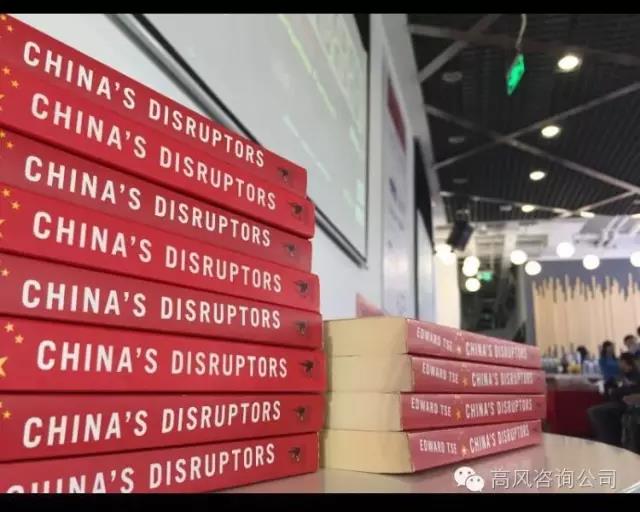
JE: Yes, I think so. I had a chance on a trip to China to visit with some entrepreneurial firms, and I was surprised by their willingness to take risks and to invest in the development of new technologies and new processes. The management was nonbureaucratic; it was decisive. Did I just see a good example?

ET: No, what you said sounds right. Entrepreneurial thinking is an extremely widespread and fast-growing phenomenon in China. It is spreading across China, not only in one or two geographic areas; it’s not only in big cities like Shanghai or Beijing.

As you go around China, from the eastern seaboard, where it’s more developed, all the way to the inland area, down south to Guangdong, you see the same thing. Shenzhen is one of the world’s most innovative technology hubs. You see that all around China. People are willing to take risks.

I have found the entrepreneurs I have met in China to be quite bold, and they’re very thirsty for knowledge about technology. They’re very thirsty to understand what the latest technology is and how to apply it to business, whatever makes sense. It’s happening across age profiles. The entrepreneur in China is actually getting younger. We’ve got a lot of young people, who we call the post-80s and post-90s, who have become entrepreneurs. Many of them don’t want to work for big companies anymore; they want to be successful, and they have an urge. They see predecessors, people like Jack Ma from Alibaba and Pony Ma from Tencent. They aspire to become the next Jack Ma or the next Pony Ma.

It’s very encouraging. Of course, entrepreneurship is a low-probability game. Many of these entrepreneurs won’t be successful, certainly at their first attempts. But this has not deterred these young people from all over the country from trying to make it happen. China today actually is culturally accepting of people who fail. If they try and they fail, that’s okay. People can come back again. It’s a very different culture compared to the China of 20 or 25 years ago. Entirely different.

JE: In your book, you profile Alibaba and Tencent. Both had early failures, and yet they ultimately achieved—I hate to sound ethnocentric, but they achieved the great American dream. They achieved the same things we think of the most successful entrepreneurs in the West as having achieved.

ET: Exactly. It’s the pursuit of the same values or ideals, but it’s happening in a very different political and social context. It’s very interesting. I think that there have been assumptions made that for these sorts of inspirations, innovations, or breakthroughs to happen, you have to have a certain context, in politics and the organization of society.
But I think that the Chinese phenomenon is proving that perhaps there’s another way.

JE: It will be interesting to see. In your book, you talk about four things that are driving growth in China, with the acronym SOOT: Scale, Open, Official support, and Technology, especially the wireless Internet. Can you start by talking about the scale effect? There is a large, emerging middle class in China. Is its growth akin to what happened in the US after World War II, where a large number of people moved into the middle class, and there was a bootstrapping going on as the middle class created demand, which drove a growth in good jobs?

ET: In terms of actual scale, it’s bigger than even the US after the Second World War, since China is the world’s most populous country. So the scale is significant. But of course, before the opening up of China, up until the Cultural Revolution, China was closed and the Chinese people were poor. Although there were a billion people, they were not really consumers. But during the rapid economic rise of China over the last 25 years, a real middle class has been developing. And this middle class, depending on your definition and depending on whose analogies you believe, ranges anywhere from 200 million to 300 million or more people.That’s not a small number. And that number will only continue to grow.

Source: Baidu

At the same time, it’s not only the middle class consumers who are driving demand. We’re also seeing demand from the lower-tier consumers, as the rural areas in China are also undergoing major changes. Chinese entrepreneurs have benefited from the fact that the scale of the market for them is significant and, mentally and culturally, many of them are quite willing to take their business model innovations to the market, even though that business model may not be 100 percent perfect. They go to the market with a somewhat imperfect model, use the market to scale up the business and to experiment with the business model; they use the feedback from customers to learn and adapt and refine the business model. The scale of the China market is very, very important because it allows that scaling up in a very fast manner, which allows people to adapt and to improve.

JE: That makes sense. The scale and the pace are two different things. The pace of change is also staggering. How does that play into the entrepreneurial activity there?

ET: The pace is happening in two ways. One is on the demand side; the other is on the supply side. The demand side is driven by the rapid increase in income levels, so everything that’s related to consumers has been changing very rapidly; as income levels go up, people gravitate more to lifestyle needs rather than just the basic consumer needs. That doesn’t mean that the basic needs are not necessary; they’re still very necessary. But at the same time, the upper end of the needs pyramid is also developing very quickly, and it’s happening within a very compressed time frame and with a huge volume. That is what is driving the pace of change on the demand side.

On the other hand, the pace of change on the supply side is also very significant. The underlying driver for all of this is the gradual transition of China from a planned economy, something like the former Soviet Union, to a so-called market economy. Unlike the Soviet Union, which accepted the IMF recommendation when the Soviet Union collapsed and took on the shock therapy, where everything had to be privatized overnight, the Chinese moved more slowly. Deng Xiaoping actually said, “We actually don’t know how this will go, but let’s do an experimental and gradual process.” He called that process “crossing the river by feeling the stones.”

That process is still happening today. Obviously, it has its drawbacks, but at the same time, it also has a significant benefit. Every time there has been a sector that has opened up during this gradual transition, it has exposed additional imperfections in our economy. When entrepreneurs see the imperfections, and combine that with the new technologies, they see opportunities, as well. Once a sector is open, a lot of companies jump into the market and try to get a piece of the action because they see the opportunities.

From the supply side, we often see the world’s most intense competition happening in China. There are SOEs, who want to hang on to some of the market. There are the multinationals, perhaps, who want to get a piece of the action. But there are also some Chinese competitors that you don’t see in the US or in Europe. They are thriving here in China. The birth and the rise of local competitors are significant. Competition drives efficiency, and it drives innovation. With these forces at work, the pace of change is intense. It’s incredible.

But at the same time, competition also drives companies to improve. Some get it, but some don’t get it. Later on, they find out there’s an alternative way to do business that can overtake the incumbents. All of this is happening. The pace is significant because people need to survive and because people want to get ahead. We’re talking about different levels of intensity; China is more competitively intense than in many other parts of the world.
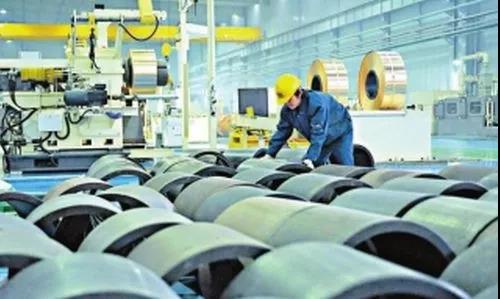
Source: Baidu

JE: As the economy opened, did it do so sector by sector? Did the government open up the entire economy, or did they choose what sectors to open first?

ET: This is a very important topic. The West, in particular the mainstream Western media, have not really clarified this point. So when they make comments on China business, they’re often comparing apples to oranges. The transition from a planned economy to a market economy has been a gradual process in China, starting about 30 years ago. And it’s still going on. In my view, it will continue to go on for decades, if not forever; 40 years ago, everything was 100 percent in the planned economy—it was closed, certainly for foreign investors. And everything was run by state enterprises.

With the economic reform that was started by Deng Xiaoping, the Chinese government has been taking industries one by one from being closed to being open. In this process, some sectors have become 100 percent open; this means that everybody, no matter whether an SOE or a private company, whether a Chinese private company or a Western multinational, can compete in that sector. There’s not much regulation. In fact, in some sectors, there’s almost no regulation except for the common rules and laws that apply, like antitrust. So, some of the sectors are already open, but other sectors are still very closed: they’re restricted to SOEs. Not even private Chinese companies can participate in these sectors, and certainly not the multinationals. We still have some of those sectors in China. Telecom operations is an example. American telecom carriers are not able to offer their services in China.

There are also sectors that are somewhere in between; they’re partially open. An example is the automotive sector. From the standpoint of manufacturing, a foreign OEM needs to have a 50/50 joint venture partner in China to manufacture vehicles. The industry dynamics are totally different between an open sector versus a closed sector, and also between an open sector and a semi-open sector. That process of gradual opening up is still happening. Once a closed sector opens up for nonstate companies’ participation, you often see a drastic change in the industry dynamics. Such changes incentivize a lot of companies to enter the market, including many entrepreneurs who want to get a piece of the action.

So the business climate in China varies a lot by industry sector, depending on the degree to which it is open and how long it has been open.

JE: That makes sense. In your book, you note that official support for entrepreneurial firms and for the environment in which they operate is very important. Can you talk about the nature of official support?

ET: One might hypothesize that because China is a Communist state, it would stifle entrepreneurship, certainly entrepreneurship at the grassroots level. That is the assumption that many people make. But that is wrong. That’s not what’s happening in China.

While the government in China is still very supportive of state-owned enterprises, and while it is trying to achieve a lot of things through the SOEs, at the same time the private sector is developing. When the government sees the fruits that the private sector is bearing, it is very, very supportive of allowing entrepreneurs to do what they’re doing.
The innovation that the entrepreneurs are doing, and the employment and the social impact that they’re creating, and the wealth that they’re creating in the process, are important to the Chinese government. So the Chinese government is not only supporting entrepreneurs but also now regards innovation and entrepreneurship as a key pillar to the future development of the Chinese economy.

JE: And what does that mean? In practice, what does the government do to encourage that pillar?

ET: In general, they are very supportive of entrepreneurs when they are experimenting with new ways of doing business or new business models. As a new business model or new innovation comes about, there may not be a full set of regulations or policies to govern the new concepts, right? The Chinese government is quite willing to work with the entrepreneurs to develop new regulations and policies that are sensible.

The government also encourages the local governments all across China to work with entrepreneurs and to invest in them. There has been a huge amount of venture capital money in different localities in China, and in many cases, the major investor was actually the local government. Local governments are starting up funds that will fund the experiments that the entrepreneurs are suggesting. That’s another way that the government is supporting entrepreneurship.

JE: How fickle is it? Could the government shift its view and affect the fortunes of these entrepreneurial firms? For example, there are an awful lot of very small factories in China; I visited a few of them. I don’t know whether it’s accurate, but I have heard that there’s a state desire that they consolidate and get to the scale that they can become more professionalized. That’s obviously going to have consequences for some of the entrepreneurs who started those businesses. How does that kind of desire on the part of the government work?

ET: In some cases, there may be government action to try to consolidate some subscale operations. And as you also know, in many sectors in China, there is a lot of capacity in production, and a lot of this capacity is not that productive. From the standpoint of the government, it’s critical that there’s a way to rationalize the capacity. In fact, we now call it supply-side economics in China. On the other hand, there are sectors that have been growing significantly without much overcapacity, and in many cases, these are driven largely, if not entirely, by the private sector; in these cases, the government is not blocking private businesses unless there is major risk of fraud. And these firms can grow to a scale that is extremely dominant.

Alibaba is one case of a very significant firm. Tencent or WeChat is another. We’re seeing this phenomenon over and over. The government is not blocking these private entities because they’ve become so significant and so big. In fact, the government is encouraging them to continue to develop innovation. So two things arehappening at once. There is overcapacity in some sectors, which causes the government to respond, but there is also continued encouragement of companies that are thriving and developing dominant positions in their spaces.

JE: That’s helpful. You just mentioned what you call the BAT, or Baidu, Alibaba, and Tencent—the three big, very successful, Internet-based companies. Can you say a little bit about them?

ET: BAT—Baidu, Alibaba, and Tencent—are the leading Internet tech companies in China. They’re all private, entrepreneurial firms; they’re not state-owned. They were formed at about the same time, towards the end of the 1990s; none of them is more than 20 years old. They’re all growing significantly. Alibaba had its IPO in the US two years ago, and it was the largest in US history. Tencent is listed on the Hong Kong Stock Exchange, and it’s now the most valuable company in all of Asia. These companies have become very dominant in China.
Source: Baidu

But their positions are somewhat different. Baidu started with the search engine business, kind of like Google, but now is very much shifting into artificial intelligence [AI], because they view AI as the future. Alibaba has built itself into a diverse business ecosystem, but the core is still in e-commerce, kind of like Amazon and eBay. It has launched various e-commerce marketplaces, including B2B (Alibaba.com), C2C (Taobao), and B2C (Tmall) models. They also have created businesses in cross-border e-commerce, mobile payment, Internet finance, smart logistics, cloud computing, and many others. Tencent started off mostly as a game company—video games and online gaming, and online games have become a significant business for them. But probably their most influential and most commonly adopted business is WeChat. It started off as an instant messaging platform, like WhatsApp, but now is basically a lifestyle and business application. People can do virtually anything on WeChat. And it’s a very, very sticky platform.

All of them are very significant in size and dominance, but each finds its own areas of focus. BAT is at the core of what a lot of people look at as the tech sector in China.

JE: Something that I had not fully appreciated is that there are, in a real sense, two Internets. There’s the Internet in China and the Internet in the rest of the world. Some people talk about the Great Firewall. How important is this firewall to the success of these companies? In some sense, they’re protected against competition from companies like Google because Google won’t comply with the politicalrequests or demands of the government. It’s a differently open Internet. Can you comment on that?

ET: That’s a very good question, and in fact, a question that’s probably on the minds of everyone I’ve talked to about this topic. In general, the assumption, at least from people from the West, is that because of the Great Firewall, people can’t be as innovative as they can in the West, because they don’t have access to all information. Further, they assume that people must not be happy, because they don’t have access to everything from the rest of the world. And the Great Firewall gives unfair advantages to Chinese tech companies at the expense of the West. These are the assumptions.

They are not entirely wrong, but they are certainly not entirely right, either. Some US companies were really blocked: I think Facebook was blocked; Twitter was blocked. Google was not blocked, but they chose not to comply with the requirements of the Chinese in terms of censorship, and so they withdrew.

There are also Western companies in this space that were not blocked at all. They were actually quite welcome to come to China to play. This includes eBay, which tried to enter China 15 years ago, and of course, Amazon, which has been in China since the early 2000s. But despite the prominence of Amazon and Jeff Bezos, and despite the fact that there is not much in the way—the kind of regulations and policies that would prohibit Amazon from operating in China—Amazon has not been able succeed in China in the e-commerce business as it has in the West. And eBay, as I mentioned, was beaten by Alibaba hands down in two years. Alibaba is not an SOE. It had no government support, but succeeded because of its capability and its competitiveness.

So, it’s a factual mistake to claim that all Western tech companies were blocked by China because of Chinese policies and regulations and the Great Firewall. That’s only partially correct. For those who have tried, many have not been able to capture the potential of the China market. Some of the reasons relate to the China context, but most of the issues are internally driven. They are limited by their ability to really understand China and to develop the right China strategy and the right China approach. This applies not only to the Western tech companies but in general to Western multinationals.
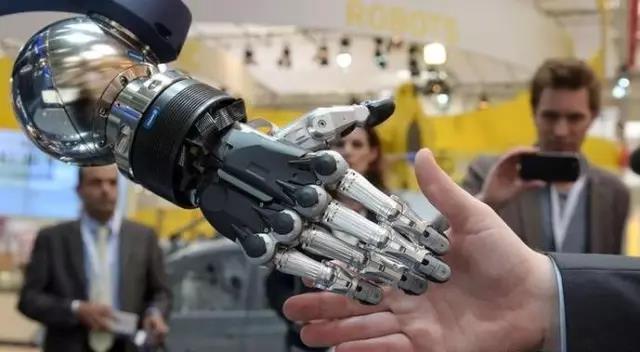
Source: Baidu

JE: I would like to segue to what works. What have multinational companies, not just tech companies, but tire companies, auto companies, appliance companies, done to succeed as they’ve moved from manufacturing in China to development in China and finally into innovation in China?

ET: If I had to pick one area where the multinationals have really failed, it is that they have tended to assume that whatever they do in the rest of the world, in particular in their home market whatever product, business model, go-tomarket model they use—would apply equally in China. That is an assumption that many multinational CEOs have made. In the back of their minds, they say, “Well, we’re a successful American company, or we’re a successful German company. We’ve been in business for 50 years, 100 years, 150 years. And we are a leader or the leader in our space in the world. I understand that China is large and growing, but I can just apply my way to China.”

And when they do market analysis, what they can forget or not fully appreciate is that the China market is developing in a faster and more competitive manner, and frankly, in a much more sophisticated manner, than their experience in the rest of the world has prepared them for. The size of China, the pace of China, the degree and intensity of competition in China, the quick development of technology in China, and the willingness to learn via trial and error all contribute to the complexity. Add to this the emergence of consumers who are, from an economic standpoint, middle class, but from a demand standpoint, probably among the most sophisticated and complicated in the world.

Instead of trying to cut and paste your business model or product from wherever it originated to China, start with a really deep understanding of what the China context is. Try to fundamentally understand what China was, is, and will be in the future. And from that, try to extrapolate to what business you should be in and how you can capture the right position in China and the full potential the China market offers to you.

I have worked with a large number of clients over the years. I think that the willingness of global CEOs to do that is actually very limited, including many of the global Fortune 500 CEOs. That is actually the fundamental issue with multinationals in China, rather than China is mysterious, China steals IP, and so on. That’s 20 percent of the issue; 80 percent is the companies themselves.

JE: Can you give an example of a company that’s done it well?

ET: There are some. The auto industry is doing in general pretty well. China is now the largest automotive market in the world. The German manufacturers and also General Motors and Ford, they’re doing very well in China. For those companies, the rapid rise of the auto market, the sheer size of the market, and the willingness of the Chinese consumer to adopt Western brands, really carries the automotive multinationals. And the market continues to grow at double-digit levels.

Source: Baidu

There are also companies that are in very intensively competitive consumer markets that are open; there’s not much regulation, and they’re really thriving. I’m talking about the sporting goods companies like Nike and Adidas. They’re really the stalwarts; they’re the leading companies. Starbucks is also doing well. Why would the Chinese like to drink coffee? Chinese people used to drink tea. Starbucks is doing extremely well in cultivating a new coffee culture in China. A latte in China is more expensive than a latte in America.

Honeywell is a prime example of an industrial company that has gotten it right in China. Honeywell is a multibusiness-unit industrial company with a variety of B2B divisions and a few B2C business units as well. China is now the second largest market in the world for Honeywell, after the US. It contributes the largest growth for Honeywell. They are a good example of a multinational that gets it in China.

JE: And that is because they really took the time to understand the dynamics of the Chinese market?

ET: That’s correct, yes.

JE: One more question, in the limited time we have. When I was in China, I spoke to people about the rich startup movement in China, the equivalent of what’s going on in Silicon Valley, or Austin, Texas, in the US, or Toronto in Canada, or London. I know Shanghai has a thriving startup market, with an active VC community. How is the startup movement in China similar to and how is it different from that in the West? If a company wants to work with startups in Shanghai or one of the other centers in China, how would it operate differently there than in Silicon Valley?

ET: In many ways, the basic tenets of entrepreneurship are not that different between Silicon Valley and the Chinese centers. People are willing to take risks. People see the pain points, and they want to turn the pain points into opportunities. People are enthusiastic about the opportunity and are willing to take risks to act on it. So the basic tenets are more or less the same.

The pace and intensity of entrepreneurship in China is unique, however. You often find, in a very short period of time, a lot of companies are trying to do the same thing or similar things: everyone sees the opportunity, and they jump into it. Very often, the market becomes quite crowded, overly crowded. And when it’s overly crowded, some of the companies will not be able to make it, as in any market. That process is happening at a pace and intensity that’s faster than in any other place in the world—perhaps even including Silicon Valley. And this is happening in a period of significant regulatory uncertainty.

So from a multinational standpoint, when you work with a startup in China, you have to take a somewhat different mindset. Of course, multinationals know that these experiments are a low-probability game, and you have to go into it with that kind of mindset. But in China, the risk and also the opportunities are amplified. They’re magnified even beyond what you see in Silicon Valley. And so, when you’re working with a startup, you have to have a mindset that recognizes the higher opportunity but also higher risk. And at the same time, you have to develop internal processes for managing these sorts of situations.

JE: Is IP a specific concern? I hear it mentioned often.

ET: IP concerns are, in my view, somewhat of an excuse for many multinational companies. You do have to be careful with IP, but at the same time, you cannot let that stifle your willingness to grasp opportunities in China. It’s a careful balance, and every company needs to treat it somewhat differently. But in general, a blanket statement that because of imperfect IP protection in China we shouldn’t be bringing our products or our technology or our innovation and experimentation to China is a flawed assumption.

Over the last 10, 15, or 20 years, entrepreneurship and innovation in China have been happening, led by Chinese entrepreneurs, under a very imperfect regulatory context. The lack of protection for IP, of course, applies equally to the Chinese companies, not only to the multinationals. Yet at the same time, a lot of companies are able to innovate and experiment and create new businesses. And many of them fail, but some of them are extremely successful. One needs to be careful about IP, but one needs to be careful, as well, not to use it as an excuse to not do innovation in China. If you don’t innovate in China, you’re missing a huge opportunity.

JE: If you were advising a CTO or a leader of innovation at a Western firm, what key advice would you give for succeeding in China?

ET: My advice applies equally to the CEO, the CTO, the CIO, or the Chief Innovation Officer: you need to really understand what’s going on in China and in the Chinese market. My advice is to throw away your Western lens for a little while and truly look at China without any constraints; try to understand both the threats—the risks of doing business, but also the competitive threats—and also the huge opportunity China offers. Once you have a full appreciation of the China potential, then devise your innovation strategy and your China R&D strategy. You need to have a lot of good, on the-ground competence in China to drive these things. The capabilities at headquarters are still critical, but headquarters needs to support, not control. You need to empower appropriately. You need to have a good balance between empowerment of the local team and support from the global function. You must build a strong team on the ground, a team that understands the market and really turns the demand side from the market into innovation ideas. This kind of innovation has to be done on the ground in China because of the need to stay close to the market, and also because the competitive environment requires speed and responsiveness.

JE: What’s the best way for leaders to get it? How much time should they spend on the ground in order to really understand China? What do you recommend to someone who says, “Okay, I get your message. I want to understand China. How do I do it?”

ET: The first hurdle is mindset. I’ve seen quite a number of leaders, presidents of business units and so on, who say, “I moved to China. I’m based in Shanghai now,” and they think that gives them the perspective. But from the outside, I can see that the way that he or she behaves is actually still very non-Chinese. I think that where you’re based physically is of secondary importance; the first level of importance is having a new mindset. You can do that from Munich, Germany, or from Cleveland, Ohio, or from Houston, Texas.

Once you have that mindset, and you’re willing to use an approach that is very locally adaptive, the key is to find the right team on the ground that you can work with and that you can appropriately empower. Then, keep a very close connection between the headquarters and the China unit. You should also have good advisors to help you, to remind you, to help you steer the way. That is the basic mechanism that I have seen work.

If you set it up right, it can be very powerful. That is what drove Honeywell to its success in China. It sounds very simple. But in my career, which includes over 25 years in China, it is interesting for me to observe how little multinationals have actually been able to create this mindset.


「南华早报」中国欲成为全球AI领导者,如何在2030年前击败谷歌

文 | 谢祖墀,王金千
编译 | 新智元
曾被视为技术落后的中国,如今将 AI 视为超越国际竞争对手的契机
在过去几年间,中国大力投入人工智能研究,旨在成为这一颠覆性技术领域的全球领导者。
《经济学人》数据显示,2012 到 2016 年期间,中国的 AI 企业获得的政府资助为26亿美元,美国企业则高达179亿美元,但情势迅速发生了转变。曾被视为技术落后的中国,如今将 AI 视为超越国际竞争对手的契机。
在全球 2015 年发表的顶尖 AI 学术论文中有超过40%包含有一名或多名中国作者。2010年到2014年减,中国的 AI 技术相关专利申请增长了 186%,相比较于前一个五年是一个极大的飞跃。与此同时,近两年 ImageNet Large Scale Visual Recognition Challenge 中成绩优异的团队均为中国团队,其中半数以上都植根于中国本土。
中国政府发布的推动中国人工智能企业于2030年前成为全球领导者的目标确定了基调。这一计划与中国政府最新的五年发展规划并驾齐驱,将科学技术发展确定为首要战略。
《中国制造2025》、《“互联网+”人工智能三年行动实施方案》及《新一代人工智能发展规划》等政策均致力于推动中国 AI 技术的发展。
中国多个省份及城市也纷纷出台优惠政策及丰厚的政府资助,扶植 AI 初创企业。以沈阳为例,该市投资人民币 200 亿元重点发展机器人技术开发项目。
这些优惠政策促进了小规模企业及大型互联网企业共同的技术创新。产业巨头如百度、阿里巴巴及腾讯,初创企业如旷视科技、碳云智能、出门问问及商汤科技,另有滴滴出行及小米等独角兽企业,均大力投入 AI 技术的研发。

例如,百度开发的应用神经网络的机器翻译系统,其语音识别准确率已超过人类,他们同时发布了自动驾驶解决方案的开源平台,命名为“阿波罗计划”,推动自动驾驶技术的研发。腾讯也建立了自己的 AI 实验室,汇集全球顶尖的 50 名科学家、研究人员及专家,提出“内容 AI,社交 AI 及游戏 AI”的目标。今年早些时候,腾讯开发的机器人“绝艺”击败了日本围棋高手 Ryo Ichiriki。
专注于计算机视觉技术的旷视科技在《麻省理工科技评论》评选的2017年50家“全球最聪明企业”中名列第11位,其面部识别产品 Face++已为全球一亿人刷了脸。科大讯飞的智能语音识别及自然语言处理技术为全球领先,这家市值已达到约120亿美元企业的语音识别技术甚至可分辨中文中的方言。
在学术领域的 AI 研究已经从少数顶尖中国高校拓展到全国。在活力充沛的学术环境下,中国研究人员可以同时汲取中文及英文的各类资源。大批的理工科专业毕业生投身 AI 产业。中国互联网及智能手机的用户基数向 AI 学习算法提供了巨大数量的有价值的训练数据。
相比较外国同侪而言,对于大量行为模式及日常数据的获取使得中国的 AI 研究者们能够以更高的速度及密度进行更大规模的学习和实验。
中国要成为全球AI领导者,政府、学界和产业界都需转变思维模式
中国完全有能力成为全球 AI 领导者。但要实现这一目标,政府、学术界及产业界均需要转变思维模式。

迄今为止,突破性的技术创新仍主要在西方国家中产生,科技及基础建设是推动AI 技术的关键。中国的学术界则多注重现有技术的全新应用,这也是中国政府一贯以来奖励实际研发成果做法导致的结果。AI 相关基础科学的研究耗时更长且并无保障。
中国的企业擅长迅速在市场上推出新产品和产品的新特性,因为长期以来他们对新商机的把握已得心应手。和学术界的状况类似,中国企业也停留在已有技术的应用阶段,而不是自主研发新技术。目前状况下,如推动了谷歌 AlphaGo 那种基础科学研究的激励并不存在。
如想成为全球 AI 领导者,中国必须实现基础性的转变。对于新技术而不是新应用应投入更多关注。所带来的挑战会在于,中国政府要重新考量政府资助、研究提案及研究计划所带来的影响的审议标准。
中国企业,在把握商机时一往无前,但仍缺乏微软及谷歌那样略带疯狂的创新理念。
此外也存在地缘政治方面的潜在风险,如果未来技术的互通受阻,中国迅速转型的速度也会被拖慢。

一份五角大楼的报告中称,中国企业在过去6年间向美国的 AI 初创企业投资达7亿美元,但美国国防部视之为针对美国国家安全的潜在威胁,并建议美国政府对此类投资予以禁止。
国外顶尖的研究者们也有可能因为担心自己的研究成果被“另作他用”而拒绝为中国企业工作。
为实现于2030年前成为全球 AI 领导者的目标,中国需要采取以下两个措施:第一,改革奖励机制,鼓励产业界及学术界研发新的AI 技术;第二,政府及产业界共同致力于将中国学术界发展成为全球 AI 研究领域的基石。
吴恩达曾将 AI 比喻为新电力,称其改变的不是一个领域,而是整个世界。
AI 可以,并且已经被应用于各个领域,为激活新的商业模式创造了前所未有的机会。AI 时代的资源也更加开放。企业原有的竞争力也许一夜之间就被跨领域的理念及技术融合所摧毁。
企业未来的优势在于掌握数据及具备预见性。
中国会成为全球AI领导者吗?这需要时间。但是正如在当今所有技术创新相关的领域一样,在 AI 领域无法忽视中国的力量。
注:本文图片均来自网络
关于作者:
谢祖墀博士 (Dr. Edward Tse) 是高风管理咨询公司(Gao Feng Advisory Company)的创始人兼首席执行官。中国管理咨询业的先行者。著有《China’s Disruptors》一书。

王金千(Jackie Wang)是高风咨询公司咨询顾问。


SCMP | Intelligent Future

By Edward Tse and Jackie Wang
UPDATED : Sunday, 27 August, 2017, 7:41pm

Edward Tse and Jackie Wang say China is more than capable of reaching its goal of global AI leadership, but it will require a change in mindset to carry out and support groundbreaking research, not just follow existing technology

In the past few years, China has dived head first into artificial intelligence (AI) research, with the goal of becoming the de facto world leader in this game-changing technology.

According to The Economist, from 2012 to 2016, Chinese AI companies received US$2.6 billion in funding while US peers received US$17.9 billion, but this is quickly changing. China, earlier seen as a technology development laggard, is now grasping AI as an opportunity to leapfrog foreign peers.

Over 40 per cent of the top AI-related academic papers published worldwide in 2015 had at least one or more Chinese researchers. Chinese AI-based patent applications grew 186 per cent between 2010 and 2014, a huge increase from the previous five-year period. Also, in the past two years, all the top-performing teams in the ImageNet Large Scale Visual Recognition Challenge, an influential AI computer vision contest, were Chinese, while half the teams were Chinese-based.

Source: Baidu

Beijing’s declared goal for Chinese companies to become global leaders in AI technology by 2030 sets the stage. This goes hand in hand with China’s latest five-year plan, which defines science and technology research as a strategic priority.

Policies such as “Made in China 2025”, the “three-year guidance for internet plus AI plan”, and the “new generation AI development plan” all aim to take the nation’s AI technology forward.

Various Chinese provinces and cities are also offering preferential policies and generous financial ¬incentives to AI start-ups. For example, the city of Shenyang has set up an investment fund of 20 billion yuan (HK$23.4 billion), focusing on robotics development.

These favourable policies have inspired innovations from both smaller firms and internet giants in China. Leading players such as Baidu, Alibaba and Tencent, rising start-ups like Megvii, iCarbonX, Mobvoi and SenseTime, and unicorns like Didi Chuxing and Xiaomi are all investing in or experimenting with AI technology.

Baidu, for example, has developed a cutting-edge neural-network-based machine translation system that has achieved a speech recognition accuracy higher than that of humans. It has also launched an open-source platform for autonomous driving solutions, namely Project Apollo, to speed up the ¬development of self-driving vehicles. Rival giant Tencent has also established its own AI lab, gathering 50 world-class scientists, researchers and experts to focus on “content AI, social AI and game AI”.

Its “FineArt” AI software defeated the high-ranked Japanese Go player Ryo Ichiriki earlier this year.

China’s tech titans discuss the future of AI
Ranked 11th in the MIT Technology Review’s list of the 50 smartest companies in 2017, Chinese start-up Megvii specialises in computer vision technology. Its facial recognition product, Face++, has recognised and distinguished over 100 million faces so far. iFlytek, a global leader in intelligent speech and natural language processing, has reached a market cap of around US$12 billion, and its speech recognition technology is able to differentiate between Chinese dialects.

Source: Baidu

AI research in academia has spread from being a focus at a few elite universities to those across China. Chinese academics have built a robust research community, which allows them to tap AI resources in both Chinese and English. Large numbers of Chinese science and engineering graduates are now flocking to the industry. With its large population of internet and smartphone users, China has an abundance of data, providing valuable training datasets to be fed into AI learning algorithms.

Access to large datasets of the behaviour patterns and daily lives of Chinese citizens allows AI researchers to conduct mass-scale studies and experiments, at a much higher speed and intensity than their foreign counterparts.

Artificial intelligence powers China’s tech future
China is more than capable of becoming a leader in AI. But doing so would require a change in mindset of the key stakeholders – the government, academia and business.
As of now, groundbreaking – research is still mostly being done in the West, where the focus is on the science and infrastructure behind AI technology. Chinese academics, on the other hand, tend to research new applications of pre-existing technology. This is mainly the result of the Chinese government’s ¬rewards for tangible results from research; researching the basic ¬science behind AI takes much more time and is far riskier.

Chinese companies are very good at launching new products and features quickly to the market, as they are well-versed in tapping newly identified opportunities. In the same vein as academia, Chinese companies primarily rely on new applications of pre-existing technologies rather than creating new ones. As things stand, there is little incentive for basic science research that powered AI breakthroughs like Google’s Alpha Go.

China needs a fundamental change to truly become a leader in AI. There needs to be a greater ¬emphasis on developing the ¬science behind the technology rather than emphasising new applications. This could be challenging, as the government would need to rethink the way it evaluates grants and research proposals, and the ¬defining metrics for evaluating the impact of ¬research projects.

Chinese firms, adventurous when it comes to identifying and “jumping” into new opportunities, are still underdeveloped in the “moon shot” mindset of Western firms like Microsoft or Google.

Google co-founder Sergey Brin on taking moon shots
There is also a risk due to geopolitical issues, where access to foreign technology and know-how could be cut off in the future, hampering China’s capability for a speedy transformation.

Source: Baidu

According to a Pentagon report, even though Chinese have invested over US$700 million in American AI start-ups in the past six years, the US Department of Defence views this as a potential threat to national security and wants Washington to ban such investment.

Leading foreign researchers could refuse to work with Chinese companies and academics if they believe their research will be used for “authoritarian” purposes.

To achieve the goal of becoming a global AI leader by 2030, China will need to take at least two essential steps. First, it should redraft its ¬incentives policies to motivate local companies and academics to conduct research on new AI technologies. Second, both the Chinese government and the business community should continue to nurture domestic academia to make it a cornerstone of the global AI ¬research community.

Andrew Ng, a leading American AI researcher, once said that AI would become the “new electricity” – transforming not just one industry, but all of them.

AI can be and, in fact, is already being utilised across different sectors, creating unparalleled opportunities to “activate new businesses”. Resources in the AI era are becoming more open. The competitive advantage of companies can be disrupted overnight by cross-pollination of knowledge and ideas across different sectors.

The edge for companies in the future will increasingly be data, and the ability to gain foresight, not only hindsight, from this new “mine”.

Will China be able to take global leadership in AI? Even if it can do so, it may take some time. However, like anything related to technological innovation these days, it would be imprudent to rule China out.

Edward Tse is founder and CEO of Gao Feng Advisory Company, a global strategy and management consulting firm with roots in Greater China, and author of China’s Disruptors.
Jackie Wang is a senior consultant of the firm.


新浪财经 | 谢祖墀:如何打造数万亿级企业

下个风口将最有可能是大健康和金融科技,尤其是前者应会来得更快
今年六月份,《金融时报》发布了全球市值排名前十的公司名单。阿里巴巴和腾讯分别跻身该名单的第八、第九名(根据六月三十日的排名),市值均为3500亿美元左右。排第一的是苹果(Apple),市值大约7500亿美元。而排名最低的埃克森美孚的市值以人民币算已超过2万亿。毫无疑问,这张名单上的企业构建了一个“数万亿级企业俱乐部”。

除了苹果、阿里巴巴和腾讯之外,还有另外四家科技公司,分别为Alphabet(谷歌的母公司),微软(Microsoft),亚马逊(Amazon)和 Facebook,这七家科技公司占了超过名单总数的一半。科技公司的价值递增速度比传统的公司来的更快,可以想象在未来这种名单上科技公司的比重将会越来越高。

相对名单上比较传统的企业(诸如伯克希尔·哈撒韦、强生、埃克森美孚等),这些科技企业比较年轻,大部分都是在过去二、三十年从零开始,迅速崛起并且达到了数亿级价值的规模。

这些企业到底做了什么,使自己在短时间内达到如此巨大的规模和影响力?当然,每一家企业的发展都有它的故事背景和独特性,特别是这些今天在全球范围里已经是举足轻重的巨擎。但假如我们细心观察这些公司的发展方式和它们的业务模式,我们却可以发现一些重要的共同点。

最基本的一点是,这些公司都采用了一种与传统的专注核心竞争力或是多元化集团式经营战略不同的战略打法,我们称之为“战略的第三条路”。“第三条路”的主要思想是指企业面临新的发展机会时,往往在机会和现有能力之间作出有机和动态的匹配和选择。通过自建、并购或组成生态系统等多种方式弥补能力空缺,进而抓住新的机会实现延续性的跳跃式发展。例如亚马逊从最初的在线书店,到之后成为美国最大的网络零售商、推出云计算服务和Kindle等产品,打造生态系统、以及近期收购Whole Foods布局线下零售,亚马逊不断在发展中调整战略目标、评估未来机会,并通过弥补能力差距呈现出跳跃式发展。苹果、谷歌、亚马逊、阿里等亦是如此。

基于“战略第三条路”的指导思想,这些科技公司还有着一系列明显的共同特性。这些特性可以归纳为几点:

(1)无处不在(Ubiquity);

(2)“单客细分”(Segment of One);

(3)全面连接(Connectivity)

(4)无缝互动(Interactivity)。

科技公司的一个共性就是它们的用户是大数量的,在数亿甚至数十亿的数量级水平
这些科技公司的第一个共性就是它们的用户(消费者)是大数量的,在数亿甚至数十亿的数量级水平。Facebook的月活跃用户已经超过20亿,微信亦超过8亿。可以说,这些用户无处不在。Facebook服务着全球以英语为主的人群,用户遍布在全球的每一个角落。微信目前还是以中国市场为主,但它的用户数已经超过了中国互联网用户总数,在中国拥有非常高的市场份额。

尽管总用户数量极其庞大,但强大的科技能力使这些公司了解它们的每一个用户。我们把此能力称之为“单一客户的市场细分”或简称“单客细分”。亦就是说,这些公司都能清楚的知道每一个用户是谁,他喜爱什么东西和他每天的消费或工作行为习惯是什么。这种“Segment of One”的分析能力已经代替了传统以年龄、性别、收入、地区等静态和单一维度为基础的市场细分方法。

在进行单客细分之余,这些公司亦知道每一单客所属的社群。每一单客往往都同时属于多个社群,而每一个社群又代表着不同的兴趣爱好、个人追求和社交属性。这种既是个体,又是群体的洞察能力是多维和随时空转移的,通过大数据和高度算法分析的能力,这些公司对每一用户的了解已经超越了平面的简单了解,而达到了多维立体的复杂了解(sophisticated understanding)。

这些公司与用户的关系不只是单向和一次性的,而是双向的,且双方频繁进行交流和反馈。每一个用户用Facebook时其实就在告诉Facebook他在哪里,他的心情如何,他的社交网络有什么人等重要信息。在苹果、亚马逊、谷歌搜索、微信、淘宝上无一不是如此。有些互动是明显(explicit)的,如小米手机和米粉们在平台上的交流,有些互动却是细微(implicit)的,如当人们在淘宝上进行每一项交易其实就已经告诉淘宝他在想什么,做什么。

有形资产的规模与公司的价值已经没有直接的逻辑关系
同时,这些以科技为主的数万亿级企业都不一定拥有着庞大的重资产。有形资产的规模与公司的价值已经没有直接的逻辑关系。不少在过去累计了不少有形资产的企业到头来发现它们的价值居然比不上这些以轻资产模式为主,但掌握着以上关键四招打法的科技公司。当这些企业的领导者开始明白到这些道理的时候,他们面临的困境就是如何去改变他们企业的打法,来做到此四点。有小部分企业可能会把握机遇并成功转型,但大部分却可能转不了,从而在企业发展的竞赛中逐渐落后。

这些数万亿级企业在它们个别的领域已经成为绝对的领导者,甚至已经形成了“赢者通吃”(Winner takes all)的局面。但这样是否代表其他公司就再没有机会了? 是否代表这些数万亿级企业都已经强大到不能倒下?我的答案是No!

随着科技的发展,更多新的领域将会让上述的这些打法可以实践,而这些新的领域必会跟循马斯洛(Maslow)的需求等级金字塔而逐步向上移动。可以预测下一、两个风口将最有可能是大健康和金融科技(Fintech),尤其是前者应会来得更快。谁能够预先洞察到这些机会的来临,同时采取上述的四种招式来建立新的商业模式就将有可能成为新的数万亿级企业。

原文发表于《亚布力观点》(2017年9月刊)并保留所有权利

(注:本文图片均来自网络)

关于作者:
谢祖墀博士(Dr. Edward Tse)是高风管理咨询公司(Gao Feng Advisory Company)的创始人兼首席执行官。中国管理咨询业的先行者。过去的20年里,他创立并领导了两大国际管理咨询公司在大中华区的业务。外界评价他为“中国的全球领先商业战略家”和 “谢博士之于中国企业界就如大前研一之于日本企业界”。他曾为数以百计的公司(总部设在中国及其它地区)咨询过所有关键战略和管理方面的业务,涉及中国的各个方面和中国在全球的地位。他还为中国政府在战略、国有企业改革和中国企业走出国门等方面做过咨询。他已发表200多篇文章并出版了4本书,其中包括于国际获奖的《中国战略》和《创业家精神》。谢博士获得了加州大学伯克利分校工程学博士、MBA以及麻省理工学院的工程学学士、硕士。


China Daily | Capturing China’s Middle Class Potential

By Edward Tse | China Daily Europe | Updated: 2017-08-04

Success will depend on how much and how fast companies can adapt to new realities presented by this rapidly emerging sector

The emergence of China’s middle class is one of the greatest economic stories of the 21st century and a game changer for the global markets. This phenomenon has been written about by a wide range of sources, from investment banks such as Goldman Sachs to academic think tanks like the Center for Strategic and International Studies.

In a recent article titled “How well-off is China’s middle class?”, CSIS notes that in 2002, China’s middle class was only 4 percent of its population, and by 2012 that number had climbed to 31 percent – encompassing more than 420 million people – and is expected to reach 550 million by 2022.

The enormous purchasing power of this bloc is already creating new records on various fronts: auto purchases (last year, 23.9 million cars were sold in China, compared with 17.5 million in the United States); global travel (Chinese spent over $250 billion – 213 billion euros; £191 billion – abroad); and online purchases (650 million orders totaling 17.8 billion were shipped on Alibaba’s 2016 Singles’ Day).

China’s middle class is not only growing in purchasing power, but also enhancing its purchasing mindset. They are “trading up” for lifestyle products and services, becoming increasingly sophisticated and aspiration-driven. Purchase decisions are no longer made based on brand or social status only, but also the associated lifestyle values and the desire to express individualistic pursuits and dreams.
The emergence of China’s growing middle class is not just a China story, but increasingly a global one, and this has major implications for foreign multinational companies and Chinese companies alike.

With the increasing number of Chinese outbound tourists, multinational companies have realized that their “China strategy” is no longer solely about winning over the middle class’s wallets in China, but also about capturing the overseas spending of Chinese consumers abroad. Whether it’s offering Chinese digital payment solutions like Alipay or WeChat Pay in a Parisian boutique, or directly selling products from their global product portfolio through cross-border e-commerce, companies are facing massive shifts in the new consumer landscape.

source: Baidu

As consumption power grows in China, attempts by foreign and domestic companies to tap into the middle class’s demands seem to be mixed. Players that once believed themselves to be unassailable titans in their respective markets often find their positions increasingly tenuous. They are unable to fully acknowledge the new dynamics and strategic implications of the middle class and the overarching China context.

Many multinational companies tend to copy and paste their global strategy to China, believing models that worked in other markets can translate equally well to the China market. Companies that were successful in winning previous generations of Chinese consumers often fail to understand the differences between the older consumer generations and the new middle class, as well as the underlying drivers of demand.

China’s middle class is not only growing in purchasing power but also enhancing its purchasing midset

This lack of an understanding of the China context and an awareness of the need to adapt locally puts these companies at serious risk. On the other hand, companies such as Nike and Starbucks have found great success in China because they are able to tailor their products and their brand communications in a way that reverberates with China’s middle class. Starbucks’ brand in China has come to represent the sophistication and worldliness that China’s middle class craves, while Nike has become a symbol of China’s middle class’s desire for health and well-being. These companies are not merely selling products, but selling aspirational values and dreams.

China’s middle class is dynamic and rapidly evolving. Several drivers of middle class behavior stand out: technology, communication and geographic diversity.

Technology has become highly prevalent in China, from mobile internet to artificial intelligence. Chinese consumers are more digitally connected than any other country today, not just in information gathering but also in transactions, entertainment and communications. These elements will not only continue to shape new demand patterns, they will also enable new capabilities for suppliers to offer more personalized products and service offerings that address the demands of the Chinese middle class.

Increased communication is taking place with the benefits of the proliferation of smartphones and mobile internet. Consumers are now forming online communities and sharing information to different degrees of separation. The emergence of new social platforms has created new forms of online key opinion leaders and online celebrities, who have become new brand advocates and customer contact points between brands and consumers. Social media have become a ubiquitous mechanism for interactive and open communications with consumers.

The new generation of Chinese middle class consumers is becoming more geographically diverse. In the past, wealth and consumption were virtually limited to first-tier cities such as Beijing, Shanghai and Shenzhen, and some second-tier cities located mainly on China’s east coast. The current middle class can be found increasingly throughout China, from the traditional centers of wealth on the east coast to the lower-tier cities of China’s interior, even extending to the rural areas experiencing pseudo-gentrification due to the Chinese government’s New Rural movement.

Business-to-consumer companies that want to be successful in China need to go back to the fundamentals of their strategy and examine three key elements for connecting with the new Chinese consumers in the digital age: “Segment of One”, communities and interactivity.

source: Baidu

With technology enablers, instead of segmenting product-markets using a finite number of segments, companies can increasingly identify consumers on an individual basishence “Segment of One” – and build connectivity with the middle class consumers on an individual level.

On the other hand, China’s middle class consumers are also gravitating toward communities, often through virtual means, where they are able to express their own aspirational goals and lifestyles with other individuals that share the same desires. Jiang Xiao Bai, a young local brand of baijiu (traditional Chinese white spirit) was able to successfully win over Chinese millennials by building a community around the lifestyle that Jiang Xiao Bai depicts, which speaks directly to the dreams, desires and hopes of China’s millennials.

Online word-of-mouth has become a critical element of the Chinese middle class’s purchasing journey as they look to others’ assessments to supplement their own decisions. In addition, the new Chinese consumers are also asking for two-way communications with the companies. They want their views and input to be heard and to be taken into account by the companies so the companies can adjust their product or service offerings on a frequent and consistent basis.

From smartphones to international hospitality, the swiftly evolving Chinese middle class will bring major opportunities for domestic and foreign companies alike. The scale, speed and intensity of this phenomenon are overwhelming. However, the demand patterns of these consumers are evolving rapidly and their behavior will require companies to undertake a drastically different approach from past efforts.

To what extent companies can capture the rightful potential of China’s middle class is a function of how much and how fast companies are able to adapt to the new realities. Surely, some of them will succeed, but many of them won’t.

Edward Tse is founder and CEO, Gao Feng Advisory Co, a global strategy and management consulting company with roots in China. He is also author of China’s Disruptors.


Why Foreign Companies’ M&As in China Have A Mixed Record?

By Edward Tse

China with its massive population and growing purchasing power has become a critical market for many foreign multinational corporations (MNCs). Over the years, different growth models have been adopted. Some have chosen to build their China presence organically while others have formed joint ventures with Chinese companies, or a hybrid approach. Some other MNCs decided to acquire local companies to accelerate their growth in China. Most of these acquisitions were with local privately-owned enterprises (POEs) because of simpler ownership structure compared to state-owned enterprises (SOEs).

Unfortunately, many of these acquisitions resulted in foreign MNCs and local companies getting a nasty shock. MNCs’ record of acquisitions of local companies is at best mixed, and in many cases, complete failure. Management of these MNCs have a go-to list of excuses for why these M&A deals failed (of course after the fact), with the target of the blame always being their acquired local companies. Often they claim these local companies are dishonest, cooking their books to make them look more profitable than they actually are, or that the eagerness to expand into the China market led to shoddy due diligence work that would have discovered these issues beforehand. Of course, in a number of cases this indeed was the truth and some of the falsifications were serious. However, these reasons do not fully explain all the cases that didn’t work out. (By the way, not all of the “local companies” accused of these improper behaviors were “Chinese”. Some of these companies were actually started and owned by foreign entrepreneurs. However, in the remainder of this article, let’s just call these companies “local Chinese companies” for sake of simplicity.)

Source: Baidu

In taking on acquisitions as a growth strategy for China, foreign MNCs normally assume integration of the local companies’ operations into the MNCs’ own operations to be an imperative. In fact, these MNCs’ management believe that integration is the best way for them to “add value” to the local operations because of their more superior management know-how and that synergies can be created via better economies of scope and scale – indeed a very common practice for MNCs in their M&As in many parts of the world. So why not doing the same in China? In order to ensure a smooth transition, the MNCs would typically offer financial incentives to senior managers of the local companies – often the founder himself or herself – to stay, at least for a certain period of time, until “integration is complete.”

From the local Chinese entrepreneurs’ standpoint, many of these acquisitions also didn’t realize their original expectations, but for different reasons. They were led to believe that under the wing of the MNCs who claim to be far more sophisticated and professional than the local enterprises, their own companies would have a better chance to continue to sustain, their brand would continue to grow, and that their companies would become a “long-lasting company”, or ji ye chang qing in Chinese. As the “integration” proceeds, many of these entrepreneurs begin to discover problems, the most common and biggest one being that foreign companies don’t really understand how to operate in China (lao wai bu liao jie) and how the original senior management are either forced out or leave of their volition after seeing that they are no longer welcomed or no longer “belong” there.

Like every situation in life, there are pearls of truth found in different perspectives of the same story. Both sides have their valid arguments, but the one-sided views often miss the overall picture. Based on what I saw through my consulting work in China, I would however suggest that the biggest contributor of these issues is the differences in behavioral approaches and norms between the parties involved. I believe there are four key reasons: 1. mismatch of expectations, 2. holistic philosophy vs. bits and pieces philosophy, 3. differences in rhythm and speed, and 4. decision making systems. (See Exhibit 1)
Exhibit 1:

MNCs vs. Local Chinese Companies

Mismatch of Expectations (top line vs. bottom line)
Foreign MNCs typically care for both top and bottom line growth. This is business 101. Most of these companies have been in operations for decades, if not for over a century. It’s only natural that they look for both top line and bottom line performance. In fact, that’s why many of them chose to enter the China market in the first place. After all, China is a high-growth market compared to more mature markets. The fact that many of the foreign companies, especially the larger ones, are publicly-listed makes the case of profitable growth even more compelling because the management of these companies need to be responsible to the capital markets. This can be very different for Chinese companies, at least for some of them, especially when China’s economy was growing at high speeds and opportunities seemed to have presented themselves left and right. For many Chinese entrepreneurs, their first priority was to grow, or to “land grab”; so top line growth was often more important than bottom line growth. Of course, this strategy wouldn’t work forever. But for a certain period of time, it was the go-to strategy for many Chinese entrepreneurs. Clearly, this divergence in points of view often led to difference in strategy, level, pace of investment, and if not properly handled, mistrust. Of course, the laws of gravity also apply in China. And companies, regardless of their ownership, need to be profitable. However, for some of the companies during certain periods of time, their priorities could be different.

Holistic Philosophy vs. Bits and Pieces Philosophy
Many foreign MNCs have built excellence by function across geographies over long periods of time. These global functional capabilities became the backbone of these companies’ well-being. And, they naturally desire to apply these capabilities across all geographies in the world. China wouldn’t be an exception. To this end, many MNC executives become specialists in their own right. They are very good at what they specialize in, but as a result, they are often less aware of areas beyond (or the “broader context”) and the often need for making necessary trade-offs. On the other hand, given that the Chinese owner/CEO often builds their company in a rather short period of time in an environment that is often ambiguous, imperfect and fast-changing, and filled with a large range of stakeholders, they frequently need to make tradeoffs across many dimensions and their solutions are commonly an optimization of numerous factors facing various constraints. So, when someone with a single-dimensional view looking for consistent, global standards and someone who has always been juggling different considerations across multiple dimensions in an evolving, imperfect environment have to work together, they would inevitably run into conflicts. These conflicts, if not properly managed, could lead to frustrations and mis-trust.

In their eagerness to “help”, many MNCs would assign some of their own people to fill in key management positions to “assist” the Chinese entrepreneurs. These people would typically be Mandarin speakers, either ethnic Chinese or non-Chinese who’ve been in China for some time. The MNCs often assume that “since these people were trained in my system and they know China, they must be able to help.” Unfortunately, that turned out to be not always the case. From the Chinese entrepreneurs’ standpoint, these people while technically sound, often lack the ability to see beyond their narrow specialty and to understand broader implications of a holistic perspective of the business. So, these attempts often ended up with mixed records at best.

Differences in Rhythm and Speed
Compared to foreign MNCs, Chinese POEs typically are far speedier, more agile and more adaptive. Foreign MNCs are much more focused on checks and balances, and deliberations which makes them slower. Many Chinese POEs are quite willing to quickly build a good enough product or business model, throw that into the market, and let the market tell them what they need to improve and adapt. This is of course risky, and unacceptable, if the product hinges on quality, safety and security. However, in cases of new business models, the willingness of the market to accept imperfect business models can actually be pretty high, especially in the first trials. But consumers do appreciate companies whose business models or products cater to their needs and utilize fast feedback cycles to improve their offerings to the consumers’ taste. In these situations, Chinese POEs tend to have an upper hand over more established foreign MNCs. So when these two different speeds and rhythms come in contact with each other, incompatibility naturally occurs.

Decision Making Process
Many Chinese POEs came into existence in less than couple of decades and many of them were able to achieve lots of growth piggybacking off China’s fast pace of economic growth. Many are still run by the owner who typically grew the company from nothing to its current size. These organizations are typically concentrated to the one person or a small group of senior executives with the founder/owner still calling the shots. In this structure, the organization is very top down and often hierarchical. While there are people who by title are leading various functions such as marketing, logistics, sales, or R&D, more often than not, they are merely carrying out orders from the most senior person(s). In a way, the founder/chairman/CEO in reality is the synthesizer of information and the decision-maker for all decisions affecting the company, no matter how large or small. Decisions often come from the top of the pyramid with the rest of the management simply there to execute. On the other hand, foreign MNCs, especially large ones, are organized with clearly defined roles and responsibilities throughout the chain of command. In a local POE, a senior VP of Marketing’s role is likely to execute the vision and strategy developed by the most senior person in the company. In an MNC, an individual with the same title will be actually responsible for the marketing strategy.

Source: Baidu

So, what should foreign companies do as they consider M&As in China? Clearly, one needs to do the basic homework well. Rigorous due diligence is a must. But for all those cases where the conducted due diligence did not identify the problems that were later discovered, that by itself is its own problem. For sure, these companies would have hired management consulting firms or auditing companies (and I am sure these are world-renowned brands) to do the due diligence and yet they couldn’t uncover some of the most basic yet critical problems. The reason behind this issue is that it really requires someone who understands the nitty gritty of businesses in China to do a proper and thorough job. This sort of capabilities is still rare in the professional firms in China especially those who are not headquartered in China.

Foreign MNCs shouldn’t assume that “integration” is the only way to capture the value of their acquisitions in China. At least, not “integration as fast as possible.” While in some cases integration may make sense, in many other cases, it may not. It depends on the contextual factors I mentioned above and the severity of the gaps in behavior and perspectives between the two sides. Due diligence should not only cover the “data” per se but also the culture, behavior and beliefs. This won’t be easy especially for many foreign MNCs. They tend to assign their M&A team from global HQ to carry out these tasks. While these people are usually technically sound and experienced with many deals under their belt, they often lack the experience and sensitivity needed to understand the softer, often unspoken, elements especially in a culture and context that are very different and can be overwhelming. Almost certainly, they don’t fully understand nor appreciate the China context. Over-eagerness in creating value often backfires as well as simple notions such as shared services, while a proven approach for realizing value in M&A deals in many parts of the world, may or may not achieve the same level of impact in China due to China’s complicity and diversity in labor rates, local regulations and requirements, as well as availability of competent human capital in key functions.

Fundamentally, MNCs need to fully evaluate the tradeoff between immediate integration or keeping companies separated or a gradual migration from separation to integration, and the speed and intensity associated with the process. Immediate and full-scale integration, which is often MNCs’ incoming assumption, may or may not actually yield the best result. Sometimes overzealous attempts at integration could result in loss opportunities for the MNCs to learn from the Chinese companies on how better to run businesses in China. For example, some Chinese companies are good at keeping their costs at manageable levels, while foreign MNCs tend to somewhat “gold-plate” things. For some local companies, their relationship with their distributors is often more win-win and intimate, while their foreign MNC counterparts can be more transactional.

Making the decision on integration or not correctly, and the manner of how, requires senior executives who can see the forest beyond the trees within the China context and increasingly, the role of China in the rest of the world, as well as being able to align the China realities with the expectation of the global headquarter. This capability does not always exist in MNCs but when it does, it’s a rare asset to have and to cherish.

About the authors
Dr. Edward Tse is founder and CEO of Gao Feng Advisory Company. A pioneer in China’s management consulting industry, Dr. Tse built and ran the Greater China operations of two leading international management consulting firms for a period of 20 years. He has consulted to hundreds of companies – both headquartered in and outside of China – on all critical aspects of business in China and China for the world. He also consulted to the Chinese government on strategies, state-owned enterprise reform and Chinese companies going overseas. He is the author of over 200 articles and four books including both award-winning The China Strategy (2010) and China’s Disruptors (2015) (Chinese version «创业家精神»).
Email: edward.tse@gaofengadv.com

观察者网 | 谢祖墀:王兴和梁建章别多元化了 其实还有第三条路

2017-07-16
【文/ 谢祖墀】

近期,美团王兴和携程梁建章以及饿了么张旭豪,关于多元化还是专业化(以梁张的说法来看,“专业”应是“专注”的意思)的隔空交锋,成了商界关注的一个热门话题。

王梁张之辩的焦点在于对于一家企业而言,走多元化之路和专注之路,哪个更好?

交锋始于王兴,王的核心观点在于企业不应太多受限于边界,应借助多业务发展和整合来释放更多红利。他带领着美团以团购起家,到如今涉足餐饮、酒旅、电影、打车等诸多生活服务领域。

梁、张的观点则是多元化不利于创新,中国企业更应考虑专业而非多元化发展。两人更称世界上伟大的公司都是专注的。梁举了GE案例,称其多元化路线失败,“美国的GE公司是美国最好的多元化公司,但是就连GE,近几年的业绩也不如人意。
多元化的世纪争论
王和梁张之辩的背后,反映了长期存在于广大中国企业家心中的一个非常普遍的困惑,那就是对企业发展来说究竟多元化发展好,还是专注好。我们称之为“战略的困局”。

企业的“专注”理论在西方企业界和管理界又称之为“核心竞争力理论”,即优秀的公司都应专注在自己有最强能力的领域内,不应随便分散精力。

在现实里,企业的战略选择并不像到市场上买菜一般,不是选一、就是选二。每一种战略路径,都有其诞生的特定背景(Context)。不能轻易地说孰优孰劣,每一种战略路径下都有成功的企业,也有不成功的企业。不同的背景下会产生不同的战略路径,不可一概而论。

上世纪70、80年代,在欧美的企业界、特别在美国,多元化集团式经营很受欢迎。后来资本市场逐渐发现,这些集团中的业务与业务之间的协同性不是很强,开始对多元化集团式经营方式产生怀疑。

到了90年代初期,美国两位著名的管理学者加里•哈默尔(Gary Hamel)和普拉哈拉德(C.K. Prahalad)提出了核心竞争力理论(Core Competence),基本上否定了多元化集团式经营方式,认为成功的企业都是应该按照其核心竞争力所处的领域去经营。

资本市场将此演绎为“企业必须要聚焦(专注),不应分散精力”。这个理论推出后迅速获得企业的认可。至今,欧美主流的企业界还宗教式地遵循此理论。

每种战略理论都与其大环境的背景有关,多元化集团经营流行时正值欧美经济腾飞。机会多,企业自然就想什么机会都抓,“做大做强”变得理所当然。

到了90年代欧美开始进入调整时期,经济增长放缓,行业与企业需要进行整顿和优化,因此于核心竞争力基础在业务上聚焦不是没有道理。但此理论只是考虑企业的内部能力,对外部环境变化几乎完全没有涉及。
中国的崛起和科技迅猛发展重塑新格局
全球宏观环境在过去的5到10年间发生了很大的变化,特别在中国呈现出了快速的增长,以及美国特别在西海岸创新科技的涌现带来了新发展。在这样的变化背景下,狭义的从企业既有的核心竞争力出发的所谓“聚焦”战略就显然不能完全指导企业的发展。

美国高速发展的企业如亚马逊、谷歌、特斯拉以及中国指数级增长的企业阿里巴巴、腾讯等在过去10到20年的历程中都呈现出不断跳跃式的发展。

这些企业并不是单凭自己目前的能力来判断他们战略上要做什么,而是要看未来的机会是什么以及机会有多大、在机会和能力之间的差距有多少,以及要不要跳跃过去。

今天的背景和格局与以往不同。在新的背景下,有两个巨大的驱动力在改变和重塑新的格局。

一是中国市场的崛起,中国市场的快速变化和复杂程度将商业社会的额外维度突显了出来。以往的战略分析框架已经不能完全解释新的情景。

二是科技的迅猛发展,尤其是移动互联网的普及、物联网的逐渐成熟以及大数据、人工智能技术的应用提供了以往没有的促进作用,在面对社会的痛点时,企业家被赋予机会去解决这些痛点。但同时这些机会点也带来了威胁点,随着其他竞争对手的介入,竞争态势可以瞬息改变。

如果你的企业对此无动于衷故步自封,很可能代表着竞争优势的消失。因此,一个非常动态、剧烈而快速的改变,带来的也是无比巨大的机会和风险。

多元化和专业化之外 其实还有第三条路
在这种新的背景下,多元化集团式经营和依托“核心竞争力”为本的“专注”化经营已经不能给企业家提供全部的答案,战略的第三条路则弥补了这个空白,我们称之为连续跳跃战略(参见图一“主要企业发展战略”)。

连续跳跃是指企业面临新的(往往是非线性的)发展机会时,不再囿于现有能力所限定的范围,而是通过不同路径弥补能力空缺,进而抓住新的机会实现延续性的跳跃式发展。能力的差距不再成为企业决定是否跳跃、追求新发展机会的主要羁绊。

核心竞争力不够怎么办?可以通过自建、并购或组成生态系统等多种方式去实现跳跃,从一个S曲线到下一个S曲线。

其实,战略就是在机会和能力之间的比较和匹配。第一条路的多元化集团式经营将注意力放于捕捉机会,而忽略了企业的内部能力和业务与业务之间的协同。

第二条路的专注经营却将注意力放于内部能力,而对外部环境几乎完全不理。第三条路是将机会和能力之间作出比较,并在最匹配和适当情况,将机会和能力有机的结合。

故此,我们说第三条路其实是弥补了第一条路和第二条路之间的空缺,是在新的背景出现后突显了新的考虑维度,故此第三条路其实是必然的,完善了企业战略分析框架,本质上非常合理。

以GE为例,正是在新的不同的背景下(数字工业时代的来临),由以往多元化(传统制造业时代)向第三条路转型的例子。面向新的数字工业时代,GE提前布局进行战略转型,以数字化为核心,集成全球智能制造中心、全球研发中心与合作伙伴一起构筑数字化解决方案和服务体系,打造成为开放的GE商店生态体系,激发更多指数级的发展机会。

GE能否成功转型目前还是言之过早,但走向第三条路却是他们选择的路径。纵观全球市值排名领先的公司,如谷歌、亚马逊、GE、腾讯、阿里巴巴,都是第三条路的实践者。

商业的根本在于对客户抱有“疯狂的热爱”。今天的消费者需求更加个性化和多样化,追求通过多种场景感受不同定制化的体验和多元生活方式。

虽然美团、携程和饿了么坐拥海量用户数据,但如何深入挖掘、通过数字化和智能化使产品更加“懂得用户”,继而提供更好的服务吸引更多用户形成闭环体验就成为决定胜负的关键。移动互联网出现后,尤其是物联网的逐渐成熟以及大数据人工智能技术的应用使得对用户数据的深入挖掘在技术上成为可能。

价值创造也不再仅仅只是线性的价值链(Value Chain),而是立体的、多维的价值网(Value Net);横向的、跨业务的机会越来越多,企业可通过投资、创新和孵化等多种手段激发行业间机会,我们称之为“跨界激活”。

一小批具有远见的企业纷纷布局于此,借助战略的第三条路加强科技创新和商业模式创新,通过不同跨界元素之间的融合和互相渗透实现巨大的商业价值。
战略困局如何打破?
那么,第三条路如何去走呢?第三条路不是一套工具,而是一套思考的方式。我建议企业家可以问自己以下几个关键的问题:

1. 对于会影响“我的业务”的未来,我知不知道未来将会是什么?这个“未来”应至少是未来的三至五年。我有没有兴趣和方法去尽量了解影响我的重要趋势和拐点将出现在什么地方?这需要企业家建立强力的“远见”(Foresight), 而不单只是看到过去的“后见之明”(Hindsight)。

2. 我的企业的核心能力究竟是什么?企业家必须对于自己企业的核心能力有深刻和客观的剖析,不能过于自大或过于自卑。核心能力除了管理能力还包括核心资源,如资金和人力资本。

3. 识别未来的机会是什么?未来的机会有多大?发展速度和形式将会如何?要争取到未来的机会,我们能力的差距有多大?

4. 决定是否“跳跃”捕捉这样的机会?跳跃成功的概率有多少?同时,这种跳跃对于竞争格局的影响是如何的,如果我们的竞争对手同时在跳跃呢?新的竞争格局又是什么?新的竞争格局对我们的影响是什么?

5. 假如我们决定要“跳跃”了,在跳跃过程中,我们如何弥补能力差距?哪些是靠我们自身能力提升去弥补差距的?哪些能力差距是我们要通过第三方或是建立生态系统去弥补的?

6. 在考虑要不要跳和跳到哪里时,我要经营业务的范围宽度与我能力的带宽(Capability Bandwidth)是否匹配?

战略的开始点是企业的愿景(Vision)。开辟企业的长远打算什么?然而愿景很吊诡,有些企业家目标非常清晰、勇往直前,但另一些企业家对愿景却只能隐隐晦晦,大约知道照哪个方向走,但却不能具体说清楚什么时候做到什么东西。

无论如何,成功企业的愿景都是振奋人心的,能让公司的员工有共同的追求和欲望,包括精神和物质层面。

在战略方面,企业必须要将客户放在最重要的位置,做到“客户为中心”。无数的企业都这样说,包括一些曾经辉煌但今天已经灰飞烟灭的企业都曾经以此为信条,但只有绝少数的企业真的能够做到这一点。

今天许多人都很羡慕亚马逊的业绩表现,它增长的很快,估值不断上扬,更有分析者预测贝索斯将会超越比尔•盖茨成为世界首富。但多少人理解贝索斯所推崇的“对客户的疯狂热爱”(Customer Obsession )的信条呢?

亚马逊于以客户为中心方面应是芸芸企业中的最优者。没有这种做到极致的信条和驱动力,什么所谓的愿景、战略都可以是假的。

“对客户的疯狂热爱”是建立于企业对客户需求的深入理解和主动管理。以目前大数据和其他科技的能力,企业是可以做到以个别客户为最低识别单位的,我们称此为“个体的市场细分”(Segment of One)。

从个别客户的喜爱给予他最贴身的服务和产品,让他感到宾至如归,同时高度尊重他的反馈意见,直接反馈到公司的产品服务策略上。打造一个能够与客户零距离互动的线上平台有利于实现“个体的市场细分”。

从组织形态方面,越来越多的企业需要向外延伸,通过建立生态系统来补充自身的不足,而生态系统亦即横向的组织形态(Horizontal Organization )。

不过生态系统的建设并不简单,它本身就是一门学问,而且不仅仅是“硬功”,同时亦需要“软功”。同时它亦需要企业领导者能够拥有一种“虚怀若谷”的心态,能接受其他人,而不能桀骜不驯,自以为是。

归根到底,“战略的第三条路”需要出色的领导者和领导力。能履行这种战略的领导者必定能够在多个方面进行不断的动态平衡。在愿景中,能在清晰和模糊之间,让员工知道公司的方向和速度为何。

在战略上,能在未来机会和目前能力之间作出比较和在“跳与不跳”之间作出判断。在组织建设中能在自身发展和生态系统建设上作出平衡。

一方面能建立自身能力,同时亦能接受其他合作伙伴在生态系统里共赢。当然,他亦能平衡什么时候授权而什么时候要抓权,什么时候要给团队足够的空间,同时亦让团队知道出现重大问题时,他永远是最强和最可依赖的后盾。

我们相信在一段时期内中国乃至全球的企业界仍然会出现这样或那样的“王梁张之辩”,并建议我们的企业家更多着眼于战略的全局而非局部,充分认识当下所处的不同背景,根据外部环境的变化和自身的情况选取相应的战略路径并动态调整,保持战略的上下一致性,打破战略的困局为企业带来持续的发展和成功。

原文发布于《观察者网》并保留所有权利

(注:本文图片均来自网络)

关于作者:
谢祖墀博士(Dr. Edward Tse)是高风管理咨询公司(Gao Feng Advisory Company)的创始人兼首席执行官。中国管理咨询业的先行者。过去的20年里,他创立并领导了两大国际管理咨询公司在大中华区的业务。外界评价他为“中国的全球领先商业战略家”和 “谢博士之于中国企业界就如大前研一之于日本企业界”。他曾为数以百计的公司(总部设在中国及其它地区)咨询过所有关键战略和管理方面的业务,涉及中国的各个方面和中国在全球的地位。他还为中国政府在战略、国有企业改革和中国企业走出国门等方面做过咨询。他已发表200多篇文章并出版了4本书,其中包括于国际获奖的《中国战略》和《创业家精神》。谢博士获得了加州大学伯克利分校工程学博士、MBA以及麻省理工学院的工程学学士、硕士。


China Daily | Are We Ready for the New Revolution?

By Edward Tse | China Daily Europe | 2017-06-30

Technological advances are about to bring massive changes that some nations will cope with better than others

A while ago, a host of voices – including some leading management consulting firms – predicted a significant paradigm shift in manufacturing. They claimed that manufacturers, fed up with rising labor costs in China, would pack their bags and move back to America.

This “reshoring” movement, they said, would cripple China’s competitiveness in manufacturing. In a small way, these people were correct. Labor-intensive, low value-added manufacturing such as garment and toy manufacturing did indeed move out of China to developing nations such as Vietnam, Cambodia and Bangladesh. However, China was able to retain the type of industry the United States hungers for – high value-added manufacturing. The massive “reshoring” wave never materialized, or at least it hasn’t yet.

Whereas the original predictions were based on the rudimentary argument that focused on labor costs, it ignored the much more important, bigger picture. High value-added manufacturing is rooted in China because of an intricate ecosystem that includes industrial clusters, infrastructure and logistics. This ecosystem has fed the world’s increasing appetite for more “connected” and sophisticated devices, which not only favors technologically involved manufacturing staying in China, but also promises its growth.

According to market research company IBIS World, for the five years up to 2016, manufacturing of smartphones in China grew on an annual basis of 40.6 percent and was valued at $126 billion (110 billion euros; £97 billion) in 2016. Tesla, the world’s leader in electric vehicles, is planning to open a plant in China. These are just a few examples of a broader trend of China becoming an epicenter for technologically sophisticated projects.

To understand this manufacturing macro trend, we must examine it within the context of China. There are two forces concurrently at work. From the top down, the Chinese government is driving national policies such as Made in China 2025 with the goal of cementing the country’s position as the global hub of technologically sophisticated, high value-added manufacturing. From the bottom up, China’s thriving innovation and entrepreneurship are major engines fueling exponential growth for the country. China’s entrepreneurs are rapidly adopting more state of-the-art technology, from industrial robotics to 3-D printing, in a drive to be better than others in manufacturing. Even though not all of these entrepreneurs will be successful, some will and, given China’s sheer scale, a small percentage of a very large number is still a large number.

source: Baidu
This dual drive sets the foundation for China’s probable up-and-coming leadership position in the Fourth Industrial Revolution. China is already the world’s leading market for robotics. Local manufacturers are investing heavily in automation technologies, and China’s shift toward a consumption-based economy has sparked a massive shift toward smart and adaptive logistics systems and supply chains. Furthermore, China has become a global center in the development of artificial intelligence, big data and other next-generation technologies.

However, the disruption that will be created by the Fourth Industrial Revolution, while bringing opportunities, will also bring about major challenges. The factory of the Fourth Industrial Revolution will likely be nearly or completely automated. Countries where a sophisticated manufacturing sector now employs large numbers of the working class could find themselves with social issues such as widening gaps in income and standard of living between a small creative, educated class that benefits from these innovations and the population now made redundant by the technology.

Innovations will also create new job opportunities, in the way online marketplaces like China’s Taobao have created new opportunities for a large number of small to medium-sized enterprises across the country. The big question is always whether the jobs created are sufficient to offset the loss of those in other areas. Resolving this and other potential issues resulting from the Fourth Industrial Revolution will require governments to take innovative approaches to the welfare of their citizens.

source: Baidu
The Fourth Industrial Revolution offers both fantastic opportunities and serious quandaries. It has the potential to take global commerce to new heights, but will also put a magnifying glass on the structural weaknesses of 20th century nations in a 21st century world. Is the world ready for the Fourth Industrial Revolution? While change can be feared or abhorred, it is nonetheless unstoppable. We witnessed the era of globalization throwing the final punch at America’s hollowed-out manufacturing sector, yet we also saw Germany’s manufacturing sector maintain its position as a global powerhouse. The Fourth Industrial Revolution will create anew set of winners and losers. Some current job categories will disappear and new ones will appear as the pattern of demand shifts. New industries and sectors will arise with these pattern shifts, creating new opportunities and new livelihoods. For China, the Fourth Industrial Revolution is anew chapter of opportunities and challenges.
Dr. Edward Tse is founder and CEO of Gao Feng Advisory Co, a global strategy and management consulting firm with roots in China. He is also the author of China’s Disruptors.


SCMP | Eyes on the Future

29 June, 2017
By Edward Tse

Edward Tse says though Hong Kong did not adapt well to the global rise of China and the game-changing tech revolution, there are now opportunities for it catch up – through the Greater Bay Area development and the belt and road plan

The 20th anniversary of Hong Kong’s return to Chinese rule is almost upon us and now is the time to reflect on our lessons learned and examine what the future may hold.

At the core of the handover is the “one country, two systems” principle. People who support this idea say it is a masterful invention by Deng Xiaoping ( 邓小平 ) and an ingenious way to resolve Hong Kong’s handover issues.

I believe China had no other choice. As a British colony, Hong Kong’s political and social systems mimicked those of Britain. Suddenly stripping away the social and political institutions Hong Kong people grew up with and forcing them to assimilate into a very different mainland system would have created major chaos. In trying to find a fair solution to the integration process, Deng took the risks and proceeded with “crossing the river by feeling the stones”.

The ambiguity surrounding the “one country, two systems” concept has resulted in different interpretations, leading to major disagreements among the different stakeholders – and not just in politics. These disagreements have become the root cause of the stale mate on various issues that have plagued Hong Kong society.

Hong Kong grew rapidly in the 1970s and 1980s because it was the only window into a closed-off China for the rest of the world. Hongkongers’ entrepreneurial spirit propelled the territory forward in a big way. And, when China began to open up, Hongkongers were the first batch investing in the mainland.

However, since that time, Hongkongers have not changed their operating paradigm much. Hong Kong’s investment in mainland China was mostly geared towards processing materials and re-export. While that worked in the early days, it became unsustainable as China’s labour costs rose. Much of the capital investments Hong Kong entrepreneurs made in China were marginalised and some companies were forced to shut down. Others have tried to build brands in China; while some did a fairly good job, many just didn’t have a clue about what it takes to be competitive in the mainland market.

How Hong Kong’s Basic Law can serve the interests of all China
Since the handover, Hong Kong people have become more inward-looking, with many focusing on the past and present. There is, in general, a lack of outward-looking perspectives and foresight.

As Hong Kong struggled in a state of entropy, two transformational global forces gained momentum: China emerged as a major economic and geopolitical power, and technology became ubiquitous. These forces are fundamentally changing the world, especially in Asia, and they are creating major wealth for those that are able to tap into them. Unfortunately, Hong Kong’s role in either of these two forces has not been commensurate with its potential.

In the first dotcom era, Hong Kong actually had a chance. It was then the Asian hub for the new dotcoms, venture capital and angel capital. Mainland China was not as open yet and the likes of Chinadotcom and PCCW were enjoying the nectar of success.

After the dotcom bubble burst, however, the Hong Kong dotcom community vanished virtually overnight and, for the next decade and more, no one rekindled the spirit of innovation and entrepreneurship, especially in the tech sector.

When will Hong Kong’s next Octopus moment occur?
Meanwhile, mainland entrepreneurs ploughed on. They fanned the flames of innovation and entrepreneurship that spread throughout the country, feeding and growing the venture and angel capital industry that was necessary to fuel innovation.

Today, the Chinese mainland has emerged as a global centre for innovation and entrepreneurship leveraging on the ubiquity of technology, such as wireless internet and the internet of things. China now has the world’s second-largest number of unicorns (start-up companies with a valuation of over US$1 billion), after the United States, and the number is growing fast.

Be afraid: China is on the path to global technology dominance
Hong Kong has been left in the dust. Hong Kong’s gross domestic product represented some 18 percent of China’s GDP at the time of the handover; today, it is about 3 per cent. The divergence between the paths taken is startlingly clear.

Another huge problem in Hong Kong is the lack of upward mobility of its young people. Some people attribute this to “one country, two systems” – incorrectly in my mind – believing that the cause is too much intervention from the mainland government. The pro-democracy camp asserts that if Hong Kong had universal suffrage, life in the city would be much better, including for its youth. Hong Kong’s attention has turned inward and it is myopic.

So what can we expect for the future? Better yet, what can we do to create a better future?

Hong Kong must become more outwardlooking. Not only should we let go of our myopic views on the past and immediate issues, but more importantly, we must look towards the future and anticipate the major trends and key drivers that will bring huge changes for the region and the rest of the world.

There is much that Hongkongers can do in this respect. The Greater Bay Area is probably the most important initiative. It will unite various cities in the Pearl River Delta, including Hong Kong and Macau, into a region with an economic output of approximately US$1.4 trillion. If done right, the unique capabilities of these cities – ranging from Shenzhen’s role as a global hub of innovation, Guangzhou’s role as a centre of cutting-edge high-value-added manufacturing, to Hong Kong’s role as a global centre of finance – would help power this new hub and create greater opportunities for people in the region, including Hongkongers. The spirit of “co-opetition”– cooperation amid competition – will guide the partnership.

The Belt and Road Initiative also holds huge promise for Hong Kong. China’s ambitious global trade and infrastructure project covering a large number of the world’s nations will provide Hong Kong with a chance to buttress its identity as a hub of commerce, trade, and logistics, while also creating opportunities for it to reinvent itself.

Hong Kong trade promoter to form consortiums with firms looking for ‘belt and road’ ride
Beijing will continue to view Hong Kong strategically, as part of its overall chessboard. It will see the city playing an important role in both the mainland’s domestic reform and the country’s pursuit of leadership in the evolving global order.

The value of Hong Kong to China goes beyond statistics
Hong Kong has another 30 years to go in the current framework of “one country, two systems”. We are now close to the midpoint. “One country, two systems” is the only framework that works for Hong Kong under unique historical and geopolitical circumstances. We cannot and should not throw it away. We should find ways to make it work even better.

To this end, we will need the leadership in both Hong Kong and on the mainland to direct matters in the right direction, with the right speed and intensity. Hong Kong people should also better understand the priorities and align themselves accordingly. Sometimes, taking a step back now actually means gaining a few steps forward later. Making progress in the midst of imperfections is often better than asking for precision, clarity and certainty in every step.

Edward Tse is founder and CEO of Gao Feng Advisory Company, a global strategy and management consulting firm with roots in Greater China. He is also the author of China’s Disruptors.


企业战略丨中国的商业颠覆者

文 | 谢祖墀 高风咨询创始人兼首席执行官 2015年7月发表于《管理学家》杂志

敝作China’s Disruptors (中文版暂译为:《中国的商业颠覆者》)刚在美国和英国同时面向全球发行。在撰写和编辑此书时,我得到了许多朋友、客户、合作者和高风咨询公司的多位同事们的协作,首先我想在此向他们给予深深的感谢,没有他们我不能把此书写出来。

这本书的主题是中国的私营经济的崛起,它的力量、中国企业家的能力和企业家精神,以及他们所创造的创新和创业的氛围。这些状况我们在中国居住和工作的人可能已经耳熟能详。可是,在国外,一般人对此还是非常陌生,甚至毫无所知。我觉得我们有责任向全球介绍这些方面的发展和它们对中国以及全球商业世界带来的影响及意义。

长期以来,国外特别是西方人士以为中国的经济是由大型国有企业所控制甚至是垄断的,而这些国有企业背后有国家支持、政策的保护和倾斜,他们所在的许多行业都不容许非国有资本的进入。这些国有企业之所以能够享受到这些“人为”的优势,最根本的原因是中国的政治体制,特别是它的核心——一党领导。从西方的眼光来看,这种做法和它代表的体制与他们所认为放诸四海皆准的“普世价值”有许多差异之处。某些西方评论者将这种现象称之为“国家资本主义”(State Capitalism),他们在称赞它的有效性之余,其实在他们的内心,这也加深了他们对中国作为“他者”
(“The Others”)的观点和断言。这种观点当然不能说不对,但它肯定不完全对。在过去的 30 多年,中国的民营经济从无到有,经历了几个不同阶段的发展,在今天民营经济已经成为中国经济的一股庞大和不能忽略的力量。它在为社会所创造价值和财富的同时持续地茁壮成长。与此同时,国有经济却遇上了许多的挑战和限制。虽然国企在某些领域还有一些优势,但是在其他领域特别是开放有竞争性的行业里,国企已经受到了来自民营企业(包括外企)正面的挑战。尤其是在商业创新方面,民营企业已经逐渐地占了上风。

我写此书的目的就是要向全球的相关人士介绍这个现象和它带来的意义。其实,这个现象我在十几年前已经开始意识到。民营企业家在灵活性、适应性、速度和企业家精神上,相对于国有企业,一早已经显现出了优势。但是他们缺乏的是资源、经营环境和管理能力。但随着中国经济的快速增长,中国政府对非国有资本的逐渐开放,以及互联网(特别是移动互联网)的发展,民营企业家的机会越来越多,他们之中不少亦充分利用了这些机会,将他们的业务迅速的做进去并做大做强。

在2000 年,国有与非国有工业企业的总收入是差不多的,都是大约四万亿元左右。到2013 年时,虽然国有企业的总收入增加了大约六倍左右,但非国有企业则增长了超过18 倍。在同一时期内,利润增长了更多。国企大约是7 倍,非国企大约23倍。两方面发展速度的差异非常明显。中国民营企业快速崛起的现象在五年前已经非常明显,虽然有不少人正在说“国进民退”的迹象。当时亦是我开始撰写此书。经历了几年的准备、访问、整理材料、撰写和编辑,此书初稿于大概一年前已经完成。但在英美出书,从初稿到最终稿还需大概一年左右的时间。当然在这段时间内中国的商业环境已有不少的改变,我书里的某些材料可能已经有点过时,这是不可避免的。然而我谈到的基本趋势还是有效的,而这些趋势对于国际上的观察者包括跨国企业的领导者、政府官员、经济学家和学术研究者应有相当重要的参考作用。

在书中我描述了1980 年代以来的几代不同的中国民营企业家。从20 多年前创业者还是中国社会的少部分人,到今天创业精神和参与的火爆式增长……在今天这几代人还同时存在,虽然他们的年龄、经历、成就和观点大不相同,但他们却在争相影响大众。其中,互联网和互联网企业是重点,但它们亦非代表全部。总的来说,它们的跳跃式增长和澎湃的创业和创新力量对中国是有深刻的影响的。当然,不是所有的民营企业家都是“有才之士”,也有不少并不突出,甚至一部分更是“浑水摸鱼”。但中国的特点是它的基数庞大,一个大数目的小百分比还是一个大数目。一些比较优秀的企业家能成为后来者的追随对象和模范。

中国民营经济的崛起除了对中国以及全球的商业社会正在产生根本性的改变之外,它还在带来一种更深层次上的影响。自从第一代的互联网公司在中国诞生之后,中国的政经系统就开始了一种不可逆转的改变。互联网公司总的来说是师承美国硅谷公司的制度、文化和治理的。当然,中国的互联网公司还不是百分之百与美国硅谷公司在各方面是一模一样的,亦不需要如此,它们或多或少还存在中国传统的基因和惯性的烙印。可是在重要的基本点上,中国创业公司与美国创业公司是互通的。同时,中国的政经系统正在从计划经济转型至市场经济,许多“传统”的体制、结构和文化还在政府和国有企业之间存在。这两方面是有矛盾的,但同时亦在互相影响。这相互的渗透将会对中国的整体发展产生良性的影响。这种影响将非同凡响,对国内外将会有很大的贡献。

谢祖墀 高风咨询公司创始人、首席执行官,是全球最具经验和知名度的华人战略和组织咨询顾问,与全球五百强以及中国百强之中的多家企业有长期深度合作。他的著作包括《方向:中国企业应该学习什么》、《中国战略:驾驭全球发展最快的经济体》、《跨越:中国企业的下一个十年》,最新著作《中国的商业颠覆者》已于今年7 月正式发行。

SCMP | Despite the Doubters, China Can Revive ‘Silk Road Spirit’

PUBLISHED : Tuesday, 23 May, 2017
By Edward Tse

Edward Tse says Beijing’s vision for its ambitious Belt and Road Initiative involves more than just building good infrastructure and, despite the doubters, China has the means and commitment to spur inclusive growth for all

With the rise of protectionism in the West, President Xi Jinping ( 习近平 ) has vowed his support for globalisation through China’s “Belt and Road Initiative”. The recently held forum in Beijing symbolised China’s ambitious claim to global leadership, and the belt and road – which Xi calls a “project of the century” – serves as a critical pillar of his diplomacy.

The belt and road is China’s game-changing strategy for the world, and it will fundamentally alter the dynamics of world trade and geopolitics. None of it will be easy, however.

Some nations remain sceptical about the practicality and coherence of the large number of belt and road projects, while a number of critics have labelled the initiative a form of neo-colonialism. Some countries even refused to endorse this grand plan due to concerns about China’s commitment to social and environmental sustainability and transparency.

The belt and road is China’s game-changing strategy for the world, and it will fundamentally alter the dynamics of world trade and geopolitics. None of it will be easy, however.

Some nations remain sceptical about the practicality and coherence of the large number of belt and road projects, while a number of critics have labelled the initiative a form of neo-colonialism. Some countries even refused to endorse this grand plan due to concerns about China’s commitment to social and environmental sustainability and transparency.

But what makes the belt and road potentially transformative is not merely the investment and technical infrastructure in the works, but, more importantly, the new values and philosophy that form the belt and road’s ideological framework. “The Silk Road spirit”, as Xi calls it, embodies the spirit of “peace and cooperation, openness and inclusiveness, mutual learning and mutual benefit”.

As one of the largest beneficiaries of globalisation in the past several decades, China is trying to leverage its understanding of the needs of developing nations to transform their economy and improve the well-being of their people. Xi seems to be trying to build the belt and road based on soft power rather than brute force. Clearly, this is very challenging and perhaps risky. Nonetheless, it provides a vision of a new global order.

Historically, aid from traditional Western powers typically dangled economic development as bait to enforce Western political ideologies on the recipient nations. By contrast, the vision for the belt and road, according to the Chinese, is to form a “big family of harmonious coexistence” by turning the legends of the ancient Silk Road into a modern-day story of inclusive growth and global cooperation. This sounds a bit like a fairy tale, but the Chinese rationale is that the building of bridges and railroads in Central Asia and ports in Africa and South Asia will help these nations participate in the global economy to the best of their ability.

This is different than forcing any country to, in exchange for aid, conform to political behaviour desired by the donor country.

In addition to physical infrastructure, the belt and road also includes building “virtual Silk Roads” in the form of cross-border digital highways. China already leads the world in many ways in e-commerce and other forms of digital business innovations. This aspect of the initiative offers major potential to all involved.

The belt and road presents significant opportunities for companies with headquarters in China, and also those in the rest of the world. Yet, most companies outside China have not yet fully figured out how to get involved or maximise the full potential of the belt and road. This is understandable, given the initiative’s complexity and lack of adequate clarity.

At this stage, many people put the emphasis on the tangible belt and road elements, such as the size and scope of the infrastructure, the total monetary investment, the large number of nations involved, and declare that this is an unrealistic mission.

Many pundits claim that the sheer size and China’s inexperience in managing these types of projects will lead to their eventual failure. There are definitely many challenges ahead, but one would expect that China has been learning from past experiences – good and bad – and has now a better sense of how to best proceed.

While many Chinese state-owned enterprises will be the vanguard of the belt and road, the private sector will also play a major role. Compared to state-owned enterprises, China’s private companies are in general more agile, market-driven and entrepreneurial. The belt and road could provide the very best private companies a platform to evolve and grow to become global companies.

So, what can we expect from the initiative? Over the next decade, we will see a major step-up in global connectivity, and China’s geopolitical influence is likely to continue to grow. China will continue its migration from the fringes of the world stage to the centre.

If done right, the belt and road could provide the global economy with a necessary jolt for growth, lifting more people out of poverty and expanding the consumer class. Trade between European and Asian nations, for instance, could see an increase as belt and road infrastructure makes it possible for goods to be shipped more efficiently.

Given the initiative’s scale and complexity, one would expect some hiccups along the way, perhaps some pretty major ones. And, it is not a given that China can have all the tools and resources at hand to address every single issue correctly, at least not the first time. Preconditions such as the continuous well-being of China’s domestic economy are also necessary.

China will learn and adapt along the way, but the longer-term objectives and direction should be pretty clear. The belt and road won’t be easy and its impact won’t happen overnight, but it will be difficult to dismiss China’s wherewithal to make it a success.

Dr. Edward Tse is founder and CEO of Gao Feng Advisory Company, a global strategy and management consulting firm with roots in Greater China. He is also the author of China’s Disruptors


【新浪财经】谢祖墀:从人工智能到增强智能

文 | 谢祖墀

人工智能会让人类社会变得更美好,它会让人类更了解“我们是谁?”这一宗教和哲学的终极命题

今年5 月,我受谷歌邀请参加了乌镇人工智能峰会,有幸听到了人工智能公司DeepMind 首席执行官杰米斯·哈萨比斯(Demis Hassabis)以及首席研究员大卫·席尔瓦(David Silver)的讲话,有两点感悟分享给大家:

第一,AlphaGo 战胜九段棋手李世石和世界排名第一棋手柯洁,其取胜原因不仅是因为它有先进的棋局大数据和搜索算法,更是因为它有深度学习和不断自我进步的能力。换言之,5 月与柯洁对阵的AlphaGo 已经比3 月对阵李世石的机器更加聪明。

第二,虽然失利,李世石和柯洁感叹AlphaGo 启发了他们新的围棋打法,也促进了人类棋手的进步。

在1956 年的达特茅斯会议中,“人工智能”的概念被正式提出。1980 年代,“反向传播”算法的出现使得大规模神经网络的训练成为可能。2006 年,随着杰弗里·辛顿(Geoffrey Hinton)提出“深度学习”神经网络概念,人工智能性能获得了突破性进展。如今,它已成为学术和商业世界的热门话题,不少人工智能应用也开始融入日常生活。为什么说人工智能进入了前所未有的高速发展期?我认为主要有以下原因:

广泛普及的互联网和各种智能设备产生的海量数据能够支持人工智能快速学习。
从中央处理器CPU 到图形处理器GPU,再到专为机器学习定制的张量处理单元TPU,计算机运算能力大幅提升,运营成本降低,使得人工智能规模化变成可能。
科学家不断改进人工智能算法,使其能够适应复杂的网络,提升运算效率。

在人工智能爆发前夜,不少科学家和学者亦做了大胆预言。奇点大学(Singularity University)执行董事长彼得·戴曼迪斯(Peter Diamandis)预测过去人类的线性增长模式,将被人工智能等新技术的“S型”指数级增长取代。人工智能专家斯图尔特·罗素(Stuart Russell)相信人工智能将发展成为协助人类的技术,机器通过观察和学习人类行为和其背后的价值观,最大化实现人类意志。著名物理学家加来道雄(Michio Kaku)也在演讲中提到未来所有的物品都将具有智能,并且通过网络实现互联互通,科技将大大改善人类生活,进化人类文明。

人工智能的出现可能为中国创造科技领域弯道超车的机会

过去几个世纪,中国在科技领域落后于先进国家,我认为人工智能的出现可能会改变这种局面,为中国创造科技领域弯道超车的机会。政策层面来看,《中国制造2025》、《机器人产业发展规划(2016-2020 年)》以及《“互联网+”人工智能三年行动实施方案》中,人工智能都被列入核心发展对象。

同时,大量中国公司和资本涌入,带来技术进步。比如百度正在尝试领导中国人工智能领域的发展,它正在研发从虚拟个人助理,无人驾驶到数字化医疗等不同场景的应用。新兴的人工智能公司出门问问,拥有自主语音识别、语义分析、垂直搜索技术,成立不久便获得谷歌和德国大众汽车战略投资。此外,百度、腾讯和滴滴出行等中国科技巨头以及若干中国初创企业均在美国设有人工智能实验室,招揽全球人才,大力发展尖端技术。根据白宫科技政策办公室数据,中国在深度学习领域发表论文和被引用数,2014 年起已成为世界第一。

另外一个非常重要的原因是中国七亿多互联网用户会产生大量使用数据,尤其在网络交易、智能医疗、移动出行等领域,为人工智能提供了快速学习和训练的机会。例如滴滴出行通过优化算法,学习乘客出行习惯,为其提供便捷的出行解决方案。

虽然中国在先进算法、智能设备和数据的准确性上落后于先进国家,但复杂的中国市场能产生多样的数据和应用场景,促进中国人工智能技术整体的进步,反哺海外,比如利用人工智能技术预测犯罪行为、协助发放贷款、通过无所不在的闭路摄像头缓解交通堵塞等。在中国政府和公司的长期投入下,中国有很大可能在人工智能领域全球领先。

对于擅于学习先进技术并创造新商业模式的中国企业,人工智能将会成为他们的新核心竞争力

我认为人工智能将会深入运用到不同行业中,正如曾建立谷歌大脑和百度大脑的吴恩达不久前在D.Live Asia 大会上提到,人工智能是未来的电力,它将颠覆不同行业,并极大提高生产效率和改善生产环境。我认为在人工智能的推动下,不同行业之间的边界会变得模糊,产生更多“水平型企业”(Horizontal Organization)。“水平型企业”以用户和用户数据为中心,借助人工智能将横向业务单元或伙伴企业连接起来,“跨界激活”不同领域的业务单元或企业,促进各个板块互联互通,形成生态系统,最终,为用户提供个性化服务,创造商业价值。例如谷歌由搜索引擎公司向覆盖多领域的高科技公司转型。通过将人工智能与其他业务融合,开拓多领域机会、扩大业务布局,为公司带来了创新产品和增长点。

综上所述,我相信未来不同行业的发展将围绕数据的获取、分析,以及科技的开发、利用展开。人工智能将带来新的范式转变,今天我们熟悉的“互联网+”数字化转型,明天就可能成为“AI +”人工智能转型。对于擅于学习先进技术并创造新商业模式的中国企业,人工智能将会成为他们的新核心竞争力。

根据一份牛津大学的问卷调查,人工智能在未来10-15 年将取代大量简单重复的人类劳动,这会给社会和经济带来巨大变化。如同新晋的NBA 总冠军金州勇士队利用大数据分析提升球员表现,伊隆·马斯克提出将人工智能与人合为一体,创造终极智慧生命体,人类长寿有限公司(Human Longevity,Inc.)运用人工智能分析人类基因,治愈疾病,延缓人类寿命。我认为人工智能并不会完全取代人类,站在人类的对立面上。人工智能(Artificial Intelligence) 更应是增强智能(Augmented Intelligence),增强人类理解世界并付诸行动的能力,实现人与广泛互联世界之间更有效地感知、管理和交互,进而发掘人脑潜能,进化人类。

在阿里巴巴主席马云看来,人工智能在围棋里不会犯错,丧失了犯错所带来的乐趣。但是,正是蚂蚁金服在人工智能领域的大力投入,未来才可能为全球用户提供普惠的金融生活服务。人类不可能在计算、储存、理性、持久度上胜过人工智能,但人类富有感情、同理心和创造力,这些都是难以取代的。人工智能会让人类社会变得更美好,我认为它会让人类更了解“我们是谁?”这一宗教和哲学的终极命题。但是,科技也是一把双刃剑,它可能使未来世界变得更加不可预测。

1641 年,著名法国哲学家笛卡尔提出了哲学命题“我思故我在”,成为人类认识论的起点,存在是思考的必要条件。如今,计算机的指数式发展使得“思考”的意义被重新定义。人工智能时代必然来临,将为“我是谁?我从哪里来?我要到哪里去?”的经典哲学难题带来新维度和可能性。

本文发布于新浪财经,原文摘自《亚布力观点》(2017年6月刊)并保留所有权利
(注:本文图片均来自网络)

关于作者:
谢祖墀博士(Dr. Edward Tse)是高风管理咨询公司(Gao Feng Advisory Company)的创始人兼首席执行官。中国管理咨询业的先行者。过去的20年里,他创立并领导了两大国际管理咨询公司在大中华区的业务。外界评价他为“中国的全球领先商业战略家”和 “谢博士之于中国企业界就如大前研一之于日本企业界”。他曾为数以百计的公司(总部设在中国及其它地区)咨询过所有关键战略和管理方面的业务,涉及中国的各个方面和中国在全球的地位。他还为中国政府在战略、国有企业改革和中国企业走出国门等方面做过咨询。他已发表200多篇文章并出版了4本书,其中包括于国际获奖的《中国战略》和《创业家精神》。谢博士获得了加州大学伯克利分校工程学博士、MBA以及麻省理工学院的工程学学士、硕士。


Nikkei Asian Review | China’s Tech Companies Seek Profits in the Medical Industry

By Dr. Edward Tse and Jason Zhang
May 4, 2017

Aging societies are driving growth in innovation and new business models

China’s health care industry is infected. Not with some lingering malaise, but with a passion for high technology that promises a cure for the problems of a rapidly graying population.

The widespread application of advanced technology, such as artificial intelligence, big data and the internet of things (IoT), is transforming how the country views health care.

With the largest online population in the world, a vibrant startup and venture capital ecosystem, and growing demand for healthy lifestyles, China has seen explosive growth in both technology and innovative business models. The numerous problems with health care — lack of qualified doctors, disparity in distribution, and inefficient hospital operations, to name a few — are actually seen as sources of opportunity by a new generation of players.

But given the dynamism of China’s market and abundance of disruptive technology, incremental strategy is no longer sufficient for companies to succeed in this environment. Traditional competitors are being tested, and new types of players are constantly emerging.

The winners will be companies that develop game-changing strategies by challenging business-as-usual assumptions. These companies leverage technologies to develop radically new solutions that address major problems. In this way, they create paradigm shifts by exploring new markets and finding new ways to compete.

GAME CHANGERS

A number of Chinese startups have established themselves in the connected health arena, which fuses IoT technologies with the traditional health care sector. For example, WeDoctor, an online portal, focuses on hospital appointment services. Ali Health, a subsidiary of Alibaba Group Holding, is now a leading pharmaceutical e-commerce platform. And Chunyu Doctor provides a telemedicine platform for remote doctor consultation.

These companies have adopted an incremental strategy to alleviate problems in the health care industry.

The game-changers, however, are those like Shenzhen-based iCarbonX. The company has teamed up with seven other technology companies around the world to gather different types of health data; everything from metabolites and bacteria to sleep hours, fatigue and pain levels. It then uses AI to sift through the data. Based on the analysis, a digital avatar will tell the user what to eat, when to sleep and what activities they should be doing. Established in 2015, the company has raised $600 million in funding, as investors zero in on precision medicine, precision nutrition and other extended preventive measures.

Zhejiang POCTech Medical Corp. is also an interesting company to watch. It has developed a wearable device that enables continuous glucose monitoring. Using biosensors that gather information through 3,000 sensor data points updated every three minutes, the device allows doctors to diagnose and treat diabetes patients more accurately. China is the world’s largest market for diabetes-related medical products.

Source: Zhejiang POCTech Medical Corp. website

TAKING ON THE WORLD

After decades of its one-child policy, during which life expectancy rose and fertility rates fell, the country will soon find itself with more seniors than it can adequately care for. But China’s rapid embrace of a technological revolution in health care offers a rich breeding ground for a range of technology innovations that could have global significance.

Being aware of the many opportunities ahead, Chinese entrepreneurs will remain overwhelmingly positive. As Wang Jun, the founder and CEO of iCarbonX, said: “We represent a new model of an international Chinese organization. China has a legitimate shot to be a lead player on the international stage. Our technology can change the world.”

Edward Tse is founder and CEO of Gao Feng Advisory Co., a global strategy and management consulting firm, and the author of “China’s Disruptors.”
Jason Zhang is a Senior Associate of the firm.


China Daily | Pillars of Business Diplomacy

Monday, April 17, 2017
By Chen Yingqun in Beijing

Led by Jack Ma, elite entrepreneur club is building trust overseas to help Chinese firms extend global reach

Not only are they China’s most famous business leaders, they are also important envoys of public diplomacy eager to spread the word globally about the country and its thriving entrepreneurship.

Since 2011, the China Entrepreneur Club has made 12 overseas visits to countries including the United States, the United Kingdom, Germany and Italy. At each destination, members engage with the highest echelons of government and leading companies and entrepreneurs to discuss a wide range of issues.

During Canadian Prime Minister Justin Trudeau’s visit to China last August, his first public event was a meeting with the club. And in late 2015, French President Francois Hollande attended a breakfast meeting with them in Beijing during a state visit.

Zhao Qizheng, former minister of China’s State Council Information Office, has said he considers the club’s members “the business pillars of China’s public diplomacy”.

Established in 2006, the China Entrepreneur Club comprises 60 members made up of economists, scholars and founders of Chinese private companies. Their combined annual gross income is more than 3 trillion yuan (US$435 billion).

Jack Ma, founder of e-commerce giant Alibaba, succeeded Liu Chuanzhi, founder of the world’s largest PC maker Lenovo, to become the club’s chairman last May.

International visits are important annual events for Chinese companies on the lookout for overseas knowledge and opportunities, said Maggie Cheng, secretary-general of the club.

Last year, nonfinancial direct investment overseas by Chinese investors totaled US$170.1 billion, up 44.1 percent from the previous year, according to the Ministry of Commerce.

Cheng said the club works as a key platform to serve these entrepreneurs and to promote entrepreneurship in China. Its members all started their own businesses after the country’s reform and opening-up in the 1980s, and their companies rank in the top three in their specific industries.

A set of standards is in place for members joining the club: Their companies’ revenues must be worth tens or hundreds of billions of yuan; they must be leaders in their industries; and they must have a special approach to management, with involvement in corporate social responsibility programs, philanthropy and charity activities.

Even 10 years or so ago, when the engagement of Chinese companies around the world was relatively limited, many of those represented by the club had set out to test the waters overseas.

“We saw that in the process of globalization, Chinese companies were encountering very similar issues, such as complying with local regulations, market access and cultural integration,” Cheng said.

“We realized that the root of these problems was that there was this huge information gap between China and the world.”

Overcoming obstacles
Decades after China’s reform and opening-up, she added, the West recognizes China’s rapid economic growth but fails to understand the business dealings behind it all.

“So when it comes to entities in China collaborating with entities overseas, there are still many obstacles.”

The club’s international visits are a tool to communicate with the Western business world and to enhance understanding, Cheng said.

Ma Weihua, president of the China Entrepreneur Club and former head of China Merchants Bank, said he was highly impressed when he took part in the club’s visit to the UK in 2012.

During this trip, Chinese entrepreneurs and UK researchers and businesspeople at the Needham Research Institute in London discussed whether China’s institutional and economic systems were up to the challenge of promoting modern technological development.

“The British people raised many questions with us about China’s technological innovation, and we explained many things by drawing on personal experience,” Ma said.

The Chinese delegation gained a new perspective from the discussions, he said. “The way the idea sparks collided with one another was really impressive.”

Ma said that in visits arranged by the club, the Chinese businesspeople are always very astute when discussing issues such as visas and the business environment, and also with their explanations of how business in China operates.

When the club made its first visit to the US, many had no idea who these Chinese entrepreneurs were, let alone had much inclination to meet them.

“We really wanted to make an impact and bring about change, not just indulge in courtesy meetings. We wanted to broach important issues, and we needed to explain who we were, what the club was, what we were doing and why we were doing it.”

Cheng said that many businesspeople in the West were eager to learn more about Chinese business.

“The tales of Chinese entrepreneurs building their business empires from scratch are well-known in China, but few outside the country know these stories.”

She said a level of distrust was very likely when entrepreneurs were seeking potential overseas partners to work with.

“People might also have thought China was so far away and a little mysterious, and that one of the only things it could offer was low-end manufacturing. What we were able to do was set out the facts with these people face-to-face and sound out their views.”

The secret to success for businesspeople in China and elsewhere is identical, Cheng said.

“To be trusted you need to produce better products and offer better services, do well in competitive markets, respect competitors and customers, and take heed of the interests of all parties concerned.”

Ma, the club’s president, said that many businesspeople around the world are willing to participate in the club’s outreach activities, finding them invaluable.

“As individuals, most of us are unable to meet with that many people from the government and business worlds overseas, but as a group we can exercise influence,” he said.

“In these visits we can have candid discussions with people, some of whom may eventually become our business partners.”

Strong skill sets
Ma said all members of the club have strong entrepreneurial skills, can adapt to a changing business environment, have the desire to be innovative, are honest and trustworthy, have a sense of responsibility and are keen to repay society for their success.

Going global is a common challenge for Chinese entrepreneurs because the country’s economy is now so interconnected with the rest of the world, he said. Every company big or small, whether it makes products or provides services, needs global connections directly or indirectly.

“I’m very proud to be in a club in which I can learn so much by communicating with others,” Ma said. “When you are alone with no role model it is difficult to succeed. We are entrepreneurs, but we are also doing public diplomacy. I think Chinese
businesspeople could be good ambassadors to explain China to the world.”

The club also provides good opportunities for Chinese entrepreneurs to let the world know their ambitions, capabilities and the latest innovations they are working on.
Steve Tappin, CEO and founder of Xinfu, a consultancy that advises CEOs, said the China Entrepreneur Club plays a vital role as a bridge between China and the world.

The English businessman said that when he first met many of the top Chinese entrepreneurs, cultural and linguistic differences made it challenging to connect.
He recalled introducing Stephen Murphy, the former Virgin Group CEO, to Guo Guangchang, founder and chairman of Chinese conglomerate Fosun Group.

“It was not easy for them to deal with one another even though they were both outstanding businessmen.”

Nowadays it is very different, Tappin said.

“Guo has transformed himself by working hard on his English, his inner world via tai chi, and his understanding of global business dynamics. Western leaders need to make similar efforts to be successful in China.”

Cheng said that in the future, one key target for the club will be to consistently promote the globalization of Chinese entrepreneurs, “because we all believe that commercial competition cannot always be regional”.

“Strong companies need to face global competition,” she said.

The club is planning another event in the US later this year, she said.

Edward Tse, founder and CEO of Gao Feng Advisory Company, said that Western political and business circles are generally skeptical about dealings with China.

Moreover, many in the West think that China’s economy or companies are mainly State-owned and generally underestimate their value.

Tse said it would be of great benefit for more groups of Chinese entrepreneurs to communicate with influential businesspeople overseas. This would help both sides understand each other, he added.

“Entrepreneurs could represent China and explain its situation to the world. That would help change views about its companies and people, something that Chinese entrepreneurs need to keep doing.”


【新浪财经】 谢祖墀 | 改变规则:企业战略新纪元

文 | 谢祖墀

创新只是把不同的东西连接起来

传统的企业发展战略理论,无论是迈克尔•波特的五力模型、波士顿矩阵,还是营销“定位”理论,它们的关键假设是行业、企业、竞争对手都是静态的,每一个企业都处于某一个固定而有清晰界定的行业范围,行业的边界和它里面的竞争对手是不变的。

当今科技发展为人类社会和商业世界带来范式革命,这些战略理论已经不合时宜,其短板在未来也将更加显著,主要原因有四:

第一,摩尔定律引领的科技发展大大加速了创新的步伐。新兴技术正迅速发展并得到广泛应用,大数据、人工智能、虚拟/增强现实、移动互联网和工业互联网等应用正在彻底改变传统行业的价值链和竞争态势。

第二,科技创新同时改变了消费者的行为,他们对产品的质量和服务的便捷性要求变得更高,需求越来越多样化和个性化。消费者的价值快速迁移,使得未来充满了未知,倒逼企业以更快速度的迭代更新和大胆试验。

第三,基于互联网技术的平台战略、轻资产模式、按需服务、共享经济、智能硬件、虚拟货币等商业模式正迅速改造着行业的结构,价值获取和价值创造等商业逻辑被重新梳理。

第四,数字化渗透到各个垂直领域,行业边界变得越来越模糊。不管身处在哪一个行业,都会看到“新物种”出现,成为新竞争者。原本静态的行业规则突然被撬动,过往的企业竞争优势在今天变化多端的时代里逐渐失效,甚至成为负担。

面对未来的不确定性,可持续增长成为企业首要的战略难题。然而,传统的核心竞争力理论和分散投资理论都无法解释这些来自规则的变化。这是全新的商业游戏,需要创新、动态和非线性的思维。

管理变革主要有三个方面:一是对变革做出反应;二是对变革做出预测;三是领导变革,即走在变革的前面, 改变竞争的游戏规则。我们认为真正的赢家能够摒弃传统的“旧游戏”和预设的规则,在战略关键点创造出“新游戏”和“玩法”,带头发现新的市场或竞争方式。

要做到“改变游戏规则的战略和组织”,企业应该要“在边缘上竞争”,意即不能停滞下来,就像在屋脊上行走,要在平衡中不断地向前行;根据市场及自身变化,不断寻求新的战略目标以及实现目标的方法,动态调整企业战略,优化组织结构,使其相互适应;在组织结构的“固定”和“松散”之间平衡,寻求最佳模式并把握节奏。

管理变革主要有三个方面:一是对变革做出反应;二是对变革做出预测;三是领导变革

真正能够改变游戏规则的赢家最初往往处在不显眼的业务边缘,不被关注。尽管他们一开始与巨头们的业务规模差距甚大,而且面临多方挑战,但他们凭着技术或者商业模式的创新获得战略制高点,重新定义游戏规则,在激烈竞争和不稳定的环境中找到非线性成长的机会。

举例来说,腾讯发展出“超级应用”微信把人们连接起来,成功逆袭电信运营商,打破了电信行业的“深宫高墙”。过去扎根在手机短信、电话、国际漫游等服务上的商业利益通通被互联网即时通信、互联网音频和视频等新模式粉碎,新的游戏规则由此诞生。而随后衍生出来的电商、支付和以内容为核心的新服务更是多维度渗透到不同行业,以“连接一切”为目标,一步一步重塑各种行业规则。

Netflix 以DVD 租赁起家,后来发现客户的线下痛点转型为“DVD 在线预订+ 邮递”的模式,之后更因为互联网的发展进一步革新成为线上串流媒体平台,采取月费订阅模式。这些新的玩法让当时主流的DVD 租赁公司Blockbuster 无法适从,最终破产。到了今天,Netflix 更利用大数据分析观众的口味和兴趣,个性化推荐内容和打造潜力题材,改变了整个数字娱乐行业的游戏规则。

苹果开创了生态系统战略的先河,通过对极致产品设计和对最佳用户体验的不懈追求,创造了革命性的创新产品生态。然而,让其产品具备粘性的是它无缝连接的软件和丰富的内容服务,如AppStore苹果商店,iTunes 和iCloud 云服务等,而其应用(APP)生态更是打造了一个全新的行业。苹果为传统智能手机行业带来了新的游戏规则,从此成为了行业的龙头和创新的先锋。

乔布斯说过,“创新只是把不同的东西连接起来”。 麻省理工学院媒体实验室(MIT Media Lab)的创办人兼执行总监尼古拉斯•尼葛洛庞帝教授(Professor Nicholas Negroponte)也说过,“新的想法从哪里来? 答案很简单:差异。创新来自看来不可能的并置混合(unlikely juxtapositions)”。

数字化和新科技应用是改变游戏规则的重大挑战和机遇

创新的机会其实往往埋藏在不同、众多的垂直领域之间,在这些地方挖掘潜在创新机会,我们称之为“跨界激活”。比如说,“关键词搜索+ 广告”成就了谷歌;“移动互联网+ 出行”成就了优步;“图形处理器芯片+ 人工智能”成就了英伟达近年的变革;“航空技术+ 飞行摄影”成就了大疆创新;“大数据+ 互联网保险”成就了众安保险。他们各自取材于不同行业,通过技术和商业模式的结合,发展出跟原来的行业不一样的“玩法”和特质,成为自成一家的企业,孵化出新的行业和市场。

数字化和新科技应用是改变游戏规则的重大挑战和机遇。认识到变化的根本原因,认识到变化的背景(context)和它带来的断裂(discontinuity),是企业发展的关键能力。创新有时候是所谓的“黑天鹅”,不一定能够容易预测;但有时候其实是有迹可循的, 比如跨界激活。在混沌中动态平衡秩序,警惕战略盲点,捕捉快速多变的市场机会,寻找开创新游戏规则的突破点,需要一套“在边缘上竞争”的战略思维去领导组织变革。

本文发布于新浪财经,原文摘自《亚布力观点》(2017年5月刊)并保留所有权利

关于作者:
谢祖墀博士(Dr. Edward Tse)是高风管理咨询公司(Gao Feng Advisory Company)的创始人兼首席执行官。中国管理咨询业的先行者。过去的20年里,他创立并领导了两大国际管理咨询公司在大中华区的业务。外界评价他为“中国的全球领先商业战略家”和 “谢博士之于中国企业界就如大前研一之于日本企业界”。他曾为数以百计的公司(总部设在中国及其它地区)咨询过所有关键战略和管理方面的业务,涉及中国的各个方面和中国在全球的地位。他还为中国政府在战略、国有企业改革和中国企业走出国门等方面做过咨询。他已发表200多篇文章并出版了4本书,其中包括于国际获奖的《中国战略》和《创业家精神》。谢博士获得了加州大学伯克利分校工程学博士、MBA以及麻省理工学院的工程学学士、硕士。


Caixin | Starbucks Sips Up to Beijing’s Elder Care Agenda

Apr 12, 2017 BUSINESS & TECH
By Yang Ge

(Beijing) – The elderly in China are getting a pick-me-up from the world’s biggest coffee chain, with the announcement that Starbucks will extend health insurance to parents of its employees for critical illness.

Analysts said the move should bring positive publicity to Starbucks Coffee Co., in a country where the elderly traditionally command a high degree of respect. The move also comes as Beijing and local officials plead with younger Chinese to take better care of their parents, many of whom survive on modest pensions and live in distant villages from the big cities where their children work.

Starbucks said its new program will provide insurance for up to 10,000 of its employees’ parents if they become critically ill.

It said the new coverage is designed to supplement China’s national health plan, and is an outgrowth of a broader program the company launched in 2010 to provide financial assistance to its workers. An analysis of data from that program showed that 70% of employees were concerned about the health of their parents as they aged.

China is in the midst of overhauling its health system to provide basic care to all of the nation’s more than 1.3 billion people. Many of those have fallen through the cracks in the country’s transformation from a planned economy, where health care was provided by state-run employers, to a market-based system where such coverage isn’t always guaranteed.

“The active participation by the private sector is critical to China’s efforts to further enhance the social security system to support our aging population,” said Jiang Chongguang, deputy secretary-general of the Insurance Society of China. “Starbucks has responded positively to the government’s call to elevate the commercial health insurance industry, our social security network and to promote a ‘healthy China.’”

Starbucks has been one of the stronger advocates of such corporate social responsibility (CSR) in China, alongside other big multinationals like The Coca-Cola Co. and Apple Inc., said Edward Tse a corporate strategist and CEO of Gao Feng Advisory Co. Programs like the latest one from Starbucks are particularly important in China, where big multinationals can sometimes get criticized for generating big sales in the country without giving back through investment and other social contributions.

“This is a great move by Starbucks in China as it sends a strong signal to its China employees that ‘We care,’” said Tse. “Taking care of the elderly is a core value of the Chinese culture. With the employer taking a proactive initiative to help, it sends the right goodwill message to its staff. This will bode well for Starbucks in China and sets a benchmark for other western companies operating in China.”

Tse added that Starbucks is probably also being motivated by recent calls by Beijing and local governments for young people to do more to support their parents, leading some observers to say that filial piety can’t be legislated.

A law passed in 2013 required children to pay frequent visits and ensure the spiritual and financial needs of parents older than 60. The law also allowed parents to sue their children if they are negligent, but did not specify penalties in cases of guilty children. In cases where parents sue, some judges have ordered children to make specified numbers of visits each month and provide support. But experts have pointed out the law and verdicts from ensuing lawsuits could be difficult to enforce.

Shanghai also made related headlines last year when it said children who violated the law could have their credit ratings reduced.


SCMP | How China’s ‘Copycat’ Tech Companies are Now the Ones to Beat

PUBLISHED : Thursday, 30 March, 2017
Edward Tse

Edward Tse and Marco Gervasi say the country, once derided as good only for producing fake products, is today producing leaders in innovation, becoming a model for others to follow

For a long time, Chinese companies have been known for copying market-proven products, brands and business models from the West and adapting them for the local market with only minor modifications. Such a phenomenon is known as shanzhai, a Chinese term thatwas originally used to describe a bandit stronghold outside government control. In today’s slang, it refers to businesses based on fake or pirated products.

Shanzhai has been prevalent in China in recent decades and this has earned China the reputation of being a“copycat nation”. Western media report that China’s preferential policies and regulations to restrict market access, such as the the “Great Firewall” in the internet industry, and the lack of intellectual property protection, give Chinese companies an unfair home advantage to create copies.

Yet, the by-product of such protectionism has been the development of a unique innovation ecosystem. The innovation brought about by China – an evolutionary approach on a mass scale –is different from that in the West, and it is influencing both emerging and developed economies.

While shanzhai is common across a range of products and services, it is particularly prevalent inthe internet sector. Chinese internet companies are often compared to theirWestern counterparts based on the similarity of their business models. For example, Baidu is known as the “Google of China”, Alibaba as the “eBay of China”, and Xiaomi as the “Apple of China”, just to name a few.

What is usually neglected in these comparisons is the underlying context in China that gave birth to these companies and how they have evolved. For example, though Alibaba adopted an eBay-like model in its early years, it has gone through so many changes that, today, its business model can best be described as a combination of the models of at least three internet titans – Google, eBay and Amazon. In fact, the success of many Chinese companies, across sectors, has depended on their ability to evolve and adapt foreign ideas for the mass market. This form of evolution, with continuous micro-innovations, is touching the lives of hundreds of millions.

Another example is Tencent ,which launched WeChat in 2011, a simple instant messenger mobile application that gradually evolved into a global “super app”, with one-stop hybrid features of Western models such as WhatsApp, Facebook,Instagram, Skype, Uber, Tinder and others. Today, WeChat has 846 million monthly active users worldwide.

Largely due to the success of WeChat, Tencent expanded into other innovative business models in social networking and mobile gaming. Tencent now leads in the world in terms of mobil eapp monetisation. The recent developments of Facebook Messenger, WhatsApp and Kik Messenger have shown a clear reference of WeChat’s strategy and functionalities.

The innovation brought about by China – an evolutionary approach on a mass scale – is different from that in the West

Besides Tencent, there are also a number of areas where Chinese companies are ahead of the rest of the world, such as in the emerging industries of internet finance, new social media,artificial intelligence, virtual reality, augmented reality and intelligent transport. Justin Kan, founder of Twitch.tv, a US-based video game broadcasting platform that has been acquired by Amazon, said: “Like everybody wants to know what is happening in Silicon Valley, I think we should also be aware of innovations coming from China. You will begin to see a lot of Chinese innovations diffusing into the US.”

For the first time, Western tech models are being challenged by those from China. And people are beginning to recognise this development. At a technology conference held last year in Beijing, Uber’s founder and CEO Travis Kalanick predicted that in“next five years, there will be more innovation, more invention, more entrepreneurship happening in China, happening in Beijing than in Silicon Valley”.

Last year, Baidu, Huawei,Tencent, Didi Chuxing and Alibaba (which also owns the South China Morning Post) were named the “50 Smartest Companies” by MIT’s Technology Review, alongside Tesla, Nvidia, SpaceX, Facebookand others. DJI and Ehang, two Chinese drone makers, have become the world’s leading innovators in unmanned aerial vehicles.

In the post-shanzhai era, China will see a proliferation of business models and innovations. Some companies in the rest of the world are beginning to “reference” Chinese companies, especially in the tech sector. We call this phenomenon “reverse shanzhai”.

Tokopedia, Indonesia’s No 1e-commerce platform, markets itself as the Taobao of Indonesia. “I really like how visionary Jack Ma is,” said William Tanuwijaya, Tokopedia’s co-founder, who adopted Alibaba’s business model after research.

A worker at Indian e-commerce company Snapdeal makes a call to acustomer before delivering a package in Ahmedabad, India, in 2015. Beforelaunching Snapdeal, Kunal Bahl and his partner Rohit Bansal visited China in2011 and noticed that the Indian market had more in common with the Chinesemarket than with the market in the US. Photo: Reuters

Snapdeal, dubbed the “Alibaba of India”, is a top e-commerce company in the country. Before launching their platform, Kunal Bahl and his partner Rohit Bansal visited China in 2011 and noticed that the Indian market had more in common with the Chinese market than with the market in the US. They realised Alibaba’s platform strategy would solve India’s biggest issue: aggregating India’s millions of small brands and sellers.

The same happened in Nigeria, where e-commerce website Konga.com was originally launched as a local Amazon at the beginning of 2014, only to morph a few months later into the “Alibaba of Africa”. And this trend is not limited to e-commerce. Indian entrepreneur VIjayShekar Sharma, an admirer of Jack Ma, modelled his company Paytm after Alibaba.The company, seen as the “Alipay of ­India”, has raised fresh funding from Ant Financial.

Stationless bike-sharing is the latest export of China-originated innovation. Mobike, the leading player, has gone from zero to 23 Chinese cities in 10 months, recording 200 million ridessince its launch in April 2016. It is now expanding into overseas markets.Others, such as oBike and LimeBike, have already been rolled out in Singapore and Silicon Valley respectively.

In some cases, Chinese companies enter new overseas markets by making strategic investments in foreign companies. For example, Alibaba invested in Singapore-based e-commerce leader Lazada to build an “Alibaba of Southeast Asia”. Didi Chuxing also invested in Grab, the leading ride-hailing platform in Southeast Asia.

Malaysia’s Prime Minister Najib Razak (third from left) and Alibaba Group founder and executive chairman Jack Ma (centre) in Kuala Lumpur this March, at the launch of the country’s digital free trade zone. Photo: AFP

Furthermore, Jack Ma has been appointed a key adviser to the Malaysian and Indonesian governments for theirdigital economy aspirations. This is a significant achievement as it provesthat China is becoming the benchmark, rather than the follower.

Yet, “reverse shanzhai” is not simply “copy and paste”. The recent struggles of the likes of Xiaomi and LeEco have shown that some Chinese companies still lack experience to sustain their business beyond borders. Often, one cannot simply transfer Chinese business models to another market without any adaptation. As Tokopedia’s Tanuwijaya putit: “Chinese e-commerce is a source of inspiration, but it is not a format that can be simply imposed on any market. You have to grow it from within.”

The trend of “reverse shanzhai”will be increasingly prevalent internationally, as China’s innovation and entrepreneurship continue to thrive.

The world should take notice.

Edward Tse is founder and CEO of Gao Feng Advisory Company and author of China’s Disruptors.

Marco Gervasi is executive director of Red Synergy Business Consulting and the author of East Commerce.


新浪财经 | 谢祖墀: 量子信息科学和对企业发展的启示

文| 谢祖墀

对于中国企业来说,领导者要做好量子计算在不久的将来对行业产生重大影响的准备,并逐步开始接触量子科技,鼓励研发人员利用量子计算寻找突破。毋庸置疑,提前做好部署的企业将取得领先。

最近有一些客户来询问我们有关量子信息科学的发展的启示。高风咨询团队做了一些研究的工作,在这文章中我们总结了研究发现的重点内容。有什么不对之处,请指正。

正如人工智能最初进入人类的视野一样,对于“量子信息”,大多数人缺乏准确的概念,也难以分清与之相关的企业都在做什么。而对于企业而言,如何在今天这个指数发展的时代,抓住量子信息的契机,并最终取得持续的成功,亦是难事。量子信息是量子力学与信息科学最尖端领域的结合,在通信和计算方面将会对未来企业运作有至关重要的影响。

简单而言,量子信息领域主要包含信息的传输和计算,即量子通信和量子计算。最先走进产业化的就是量子通信技术。当今社会不断加剧的信息安全问题促使了人们发展这种不同以往的高度保密和安全的通信方式。

量子通信不仅可以应用于国家级安全通信,也适用于国民经济重点领域的数据传输和加密。因此,世界各国都开展了量子通信网络的建设,而在这方面的建设和研究上,中国目前已经走在世界的前列。早在2013年,我国就启动了全长2,000多公里的量子保密通信“京沪干线”工程建设。该项目连接北京、济南、合肥、上海等多个城域网络,按计划正逐步接入金融、电力系统、大数据互联网企业等用户。2016年,中国发射了人类历史上第一颗用于量子通信研究的“墨子号”量子科学实验卫星,开启了全球化量子通信时代的大门。2018年初,“墨子号”量子卫星首次实现了北京和维也纳之间约7600公里的保密通信。该成果被美国物理学会评为2018年度国际物理学十大进展之一。中国科学技术大学物理学家陆朝阳曾表示:“如果首颗卫星表现不错,中国肯定会发射更多。”

中国科学技术大学教授、中国“量子之父”潘建伟也曾提及,量子通讯行业隐藏着巨大的商业机会,“京沪干线将带动整个产业链的发展,特别是在核心元器件国产化和相关标准制定方面。”除此之外,随着量子通信网络的不断发展,量子通信网络运营商和应用服务需求也将快速上升。根据有关研究所估计,量子通信市场规模在未来3~5年内,有望达到100~300亿元。

另一方面,许多专家相信,量子计算将在未来彻底改变信息处理的方式,带来新一轮的信息革命。随着当前互联网数据的日渐复杂和庞大,传统计算模式的增长正趋近瓶颈。而新时代的量子计算机可能只需几秒就能解决传统计算机需要花费数年时间计算的问题。当云计算难以满足庞杂的计算需求时,量子计算机的先进性将助力云计算走出困境,推进整个大数据产业的发展。在未来,量子计算很有可能整合不同平台的数据库,实现数据的完全共享,创造出一个崭新的、系统的量子云生态圈。

从政府,到科研机构和各类企业,都逐步在量子力学领域投入了巨大的资金和人力资源。在《“十三五”国家科技创新规划》中,量子计算已被列入科技创新2030重大项目。2015年,中国科学院和阿里巴巴集团在中国科学技术大学联合成立了“中科院-阿里巴巴量子计算实验室”,这是中国民间资本首次全资资助科研单位进行基础科学研究。欧美等发达国家也都大力投入量子计算技术的研究。IBM在2016年上线了全球首例量子计算云平台。2018年,“Google量子人工智能实验室”宣布推出全新的量子计算器,声称其运行速度比传统处理器快1亿倍。

量子计算的商业热潮已悄然开始。参与量子计算的商业公司主要可分为四类:

第一类是端到端服务提供商,一般为IT或者工业巨头,代表企业有IBM,Google,微软,阿里巴巴;

第二类是硬件系统玩家,代表企业有Intel;

第三类是软件服务玩家,代表企业有QC Ware;

第四类是专业领域玩家,大多数是由科学实验室转化、分离而来的创业公司,致力于利用量子计算给不同公司提供细分领域的解决方案。

整个量子计算生态系统是不断变化的,暂处于动态平衡状态。各类玩家之间的界限比较模糊,将会有越来越多的交集,部分玩家甚至有机会打破生态平衡。现在就已经有许多硬件系统类玩家在朝产业链的应用层发展,触达服务层,试图进行纵向整合。

量子信息技术的发展已经是一种全球的趋势和国家的重点战略部署。

尽管大面积的量子计算应用看起来似乎还需要一些时间,但我们已经开始看到部分功能有限的量子计算在不同行业中的影响。全球最大的汽车集团大众汽车利用量子计算技术来优化交通方案。该公司与量子计算创业公司D-Wave Systems合作建立专业团队,收集了北京约10,000辆出租车的数据,通过量子计算云平台计算并模拟出城市最佳路径,用于缓解城市交通堵塞的压力。除此之外,世界上最大的化工厂BASF和民航飞机制造商Airbus等也将量子计算应用于行业之中。正如D-Wave Systems的首席执行官,维恩·布朗内尔(Vern Brownell)所说:“我们正处于量子计算时代的黎明。我们相信,我们正处在提供传统计算无法提供的功能的转折点。几乎在所有学科中,你都会看到量子计算机产生了这种影响。”

虽然量子计算不是对所有人和企业都有意义,但其带来的量子计算平台、工具和算法,对于行业工作者而言,有望推进研发进程,拓展业务边界。很多原本传统的企业,都已经开始和量子科技相关企业的进行跨界合作,构建量子生态系统,而这样的机会在未来将会越来越多。对于中国企业来说,领导者要做好量子计算在不久的将来对行业产生重大影响的准备,并逐步开始接触量子科技,鼓励研发人员利用量子计算寻找突破。毋庸置疑,提前做好部署的企业将取得领先。

量子信息技术的发展已经是一种全球的趋势和国家的重点战略部署。随着科研技术的进步,市场日趋成熟,将引领该技术的产业化进入新阶段。

原文发表于《亚布力观点》(2019年3月刊)并保留所有权利

(注:本文图片均来自网络)

关于作者:

新浪财经 | 谢祖墀:相反力量间的平衡

文 | 谢祖墀 高风咨询公司董事长

当今企业的战略要点是在动态环境中实现多维度的平衡

传统西方的静态定位论和能力理论在今天瞬息万变的环境下已不再适用,当今企业的战略要点是在动态环境中实现多维度的平衡。无论是控制还是释放,集权还是授权,维持还是变革,都需要找到一个适度的平衡点。极端的管理方式往往会在企业的长期发展中埋下隐患。在瞬息万变的经营环境中,企业的发展战略其实就是要在控制与混沌之间取得平衡。

“在边缘上竞争”理论(Competing on the Edge)认为公司应根据市场及自身变化,不断调整组织结构形式。企业经营环境复杂多变,因此,战略管理最重要的是对变革进行管理,这主要表现在三个方面:一是对变革做出反应;二是对变革做出预测;三是领导变革,即走在变革的前面, 甚至是改变竞争的游戏规则。“在边缘上竞争”是指在行业边界改变的过程中,通过不断寻求新的战略目标及实现方法,动态地调整企业战略,优化组织结构,使其相互适应,在组织结构的“固定”和“松散”中达到平衡,寻求最佳模式并把握节奏。

我在博斯公司的前同事乔恩·卡森巴赫(Jon R. Katzenbach) 是一位组织设计方面的专家,他曾指出,组织内往往存在“软”“硬”两种力量,要达到“软”“硬”之间的平衡。任何企业运作时都存在正式和非正式两种组织。正式组织 (formal organization) 是大公司在发展过程中建立的管理结构,是规则、等级制度和绩效考核等要素的理性结合。在这种组织中,大多数高级管理人员都曾接受金融、技术、运营等“硬训练”,已经学会在正式组织中自如地工作,熟练使用组织结构图、流程图或平衡计分卡等有形工具。

相对的,非正式组织 (informal organization) 则是公司所有人文部分的结合,包括价值观、情感、表现行为、传言、文化标准,以及潜在的人际关系等,它们潜移默化地影响着每个企业。即便是最理性的经理人也必须承认,公司中的非正式组织能够产生巨大的影响力,尤其是在公司转型过程中,例如基层员工中意外涌现出领导者、业务单元迅速地进行自我更新和迭代等。但是,非正式组织也可能会产生一些负面影响,如暗中的反对者、焦虑和恐惧会阻碍工作推进等。

优秀的组织领导者十分懂得如何在保持和改进正式组织结构的同时,积极调动非正式组织,使两者保持同步。

正式组织代表着组织的显意识,而非正式组织则代表着组织的潜意识。优秀的组织领导者十分懂得如何在保持和改进正式组织结构的同时,积极调动非正式组织,使两者保持同步。在领导能力方面,能够在追求高业绩的同时平衡正式和非正式举措的“跨越界线的领导”(leading outside the lines),往往最为关键。

在不同行业和环境的企业中,管理正式和非正式组织的方式也会有所不同。即便是倾向于非正式组织的管理者,要准确理解 “跨越界线的领导” 这一概念也十分困难。另一方面,习惯于正式组织的管理者在处理组织 “模糊” 部分时一般会不太适应,他们会将公司文化当成正式举措的副产物,认为只要有正确的汇报体系,员工自然会服从。同时,非正式组织往往需要花费大量时间在高频交流上,而忙碌的管理者们一般不愿意为此腾出时间。但事实上,如果他们愿意花时间建立关系,最终往往会节省很多时间,因为可以彼此理解的人们行动将更一致,非正式组织的力量可以使合作更加高效。

华为的任正非亦看到了这一点。《中外管理》2015 年5 月刊中一篇报道提到,华为2014 年已然登上了全球电信设备商的巅峰,而华为登顶也意味着转型。企业运势犹如走钢丝的平衡,那不是按照既定的模式或套路完成的,而是在混沌、颤抖中把握节律和平衡的实际体验,是很多尝试和失败的精华。人们或许会感觉到某些东西在那里,但它是难以捉摸的,更无法指出它,无法描述出它。任正非把这种状况叫做“灰度”。在某一次演讲中他提到:“坚定不移的正确方向来自灰度、妥协与宽容。一个清晰方向,是在混沌中产生的,是从灰色中脱颖而出,方向是随时间与空间而变的,它常常又会变得不清晰。并不是非白即黑、非此即彼。合理地掌握合适的灰度,是使各种影响发展的要素,在一段时间和谐,这种和谐的过程叫妥协,这种和谐的结果叫灰度。”这就是我们所推崇的 “在边缘上竞争” 的精髓。

美国著名作家菲茨杰拉德(F. Scott Fitzgerald)曾写到,“检验一流智力的标准, 就是在头脑中同时存在两种相反的想法但仍保持行动能力。”这种多面思考、直面复杂性和模糊性的能力以及矛盾和对抗的管理,是一种关键技能。加拿大多伦多大学商学院院长罗杰·马丁(Roger L. Martin)在《整合思维》(“The Opposable Mind”) 一书(2007 年出版)中亦提出,杰出的领导者应该 “有倾向和能力在脑海中共存两种或多种完全不同的想法”,并且 “不会简单的选择其中一个选项,而是冷静思考,综合相反的想法后得出更好的结论”。

马丁在书中强调了对于整合思维的领导者来说想象力的重要性,他们必须意识到,现有模式可能有完备的信息,但并不完美。整合思维的领导者在进行决策时会寻找多种假设,容忍并鼓励针锋相对的观点。 在遇到对立的想法时,他们不会选择其中一个想法,而是通过融合并超越现有想法,形成更具创造力的新的解决方案。

为此,马丁还引用了整合思维的四个步骤:
第一:开放,对思考中的新想法持开放态度,直面由此产生的复杂事实

第二:因果关系,接受可能的多维度和非线性关系

第三:全局观,纵观全局同时着眼细节

第四:决断力,有技巧地解决冲突。

我们所处的世界越来越复杂,人与人之间联系也越来越紧密,企业的领导者们需要学会规避单一的思考模式,积极面对环境变化中的不确定性,有效利用组织中相反的力量,在控制和混沌中取得平衡。

文发布于新浪财经,原文摘自《亚布力观点》(2017年3月刊)并保留所有权利

关于作者:
谢祖墀博士(Dr. Edward Tse)是高风管理咨询公司(Gao Feng Advisory Company)的创始人兼首席执行官。中国管理咨询业的先行者。过去的20年里,他创立并领导了两大国际管理咨询公司在大中华区的业务。外界评价他为“中国的全球领先商业战略家”和 “谢博士之于中国企业界就如大前研一之于日本企业界”。他曾为数以百计的公司(总部设在中国及其它地区)咨询过所有关键战略和管理方面的业务,涉及中国的各个方面和中国在全球的地位。他还为中国政府在战略、国有企业改革和中国企业走出国门等方面做过咨询。他已发表200多篇文章并出版了4本书,其中包括于国际获奖的《中国战略》和《创业家精神》。谢博士获得了加州大学伯克利分校工程学博士、MBA以及麻省理工学院的工程学学士、硕士。


China Daily | New Year Will be Marked by Change


By Edward Tse | China Daily Europe | Updated: 2016-12-30

Uncertainty will dog 2017 but it will be offset by immense opportunity

It has been a monumental year for Chinese companies’ overseas investments. The companies, as a group have become the world’s largest source of foreign direct investment. According to Bloomberg, as of Dec 8. Chinese cross-border merger and acquisition activity for the year reached $237.7 billion (227.6 billion euros; 194 billion) – including $63.9 bilion and $83.4 billion on US and European acquisitions respectively – a year-on-year increase of 186 percent.

If the past quarter of 2016 is a sign of what is to come in 2017, then Chinese outbound investments will likely face a much more complicated environment, with the new year likely to be one of more geographically diversified M&A coupled with a decline of overall M&A volume, especially in the early part of the year.

In November 2016, the Chinese government made a decision to restrict capital outflows by increasing the scrutiny of Chinese outbound acquisitions over $10 billion and acquisitions of over $1 billion that are unrelated to the “core business” of the Chinese buyers. At the same time, the government also singled out investment in certain industries, such as foreign entertainment, hotels, real estate, film, and professional sports, where there will be increased scrutiny.

These additional capital controls didn’t just affect Chinese firms. Foreign companies were surprised to discover that the amount of cash needing approval by the State Administration of Foreign Exchange to be remitted abroad dropped from $50 million to $5 million and that the entire process will take more time than it did previously.

The results of the US presidential election and the rise of political populism in a series of other countries, including many in Europe, are casting major uncertainty on global politics. Both domestic and foreign pressures will force Chinese companies to become smarter and more knowledgeable when it comes to their global M&A goals and strategies.

How relations between the United States and China will evolve once Donald Trump becomes president remains highly uncertain and difficult to predict. There seems to be a prevailing political wind against further Chinese acquisitions of US companies, given the background of Trump’s major campaign controversies related to China throughout his presidential campaign.

It remains to be seen what awaits Chinese investors in the US in 2017, but a highly likely scenario is one in which it will be more difficult for Chinese acquisitions to get approval from the US government in sectors the government deems sensitive or potentially involved with national security. However, for the other sectors, one would be hard-pressed to imagine why and how the US government would not welcome Chinese investment.

A case in point is Fuyao Glass, which is investing $1 billion in the US, including a $500 million investment in Ohio to build the world’s largest automotive glass plant.

According to Cao Dewang, Fuyao’s chairman, the decision to invest in the US was based on analysis comparing the economics of producing glass in the US and in China. He concluded that it is in fact cheaper to produce in the US. By building a plant there, Fuyao’s investment would create between 2,500 to 3,000 local jobs. And job creation in the US, particularly in the blue-collar segment in the US rust belt, is a priority for the country.

Europe will probably continue in some form of economic stagnation in 2017. It may follow the US in policy-setting regarding Chinese businesses in some areas (China’s non-market-economy status, for example), but it may also decide to strike out on its own path in areas where it feels there would be tangible benefits to its member countries.
We expect Chinese companies to continue their interest in acquiring European companies – to gain access to necessary and more advanced technologies, for market access, or for bringing the acquired companies to the China market as part of business expansion.

The greatest risk for Chinese investors looking at European opportunities in 2017 will be an increase in local populism. European populism will be a wild card in 2017 that could cause Chinese companies seeking acquisition opportunities to be suddenly shut down by European leaders to satisfy their own citizens and fend off attacks from political rivals.
When Brexit becomes a reality in 2017, the United Kingdom will likely feel more vulnerable and possibly drive the UK government and its companies to cooperate more with their Chinese counterparts.

Already since the referendum, the pound sterling has depreciated quite a bit, from its high of 1:1.47 USD in May to 1:1.24 USD at its lowest to date in December, making the price of UK assets cheaper relative to the USD and RMB. This presents Chinese investors with opportunities to find good deals such as those found in British real estate investments.

As China looks at the world, there is clearly ample space beyond the US and Europe. In the past several years, China has stepped up its effort to play a more visible and influential role in international governance and geopolitics. The Belt and Road Initiative, though still nascent, is an ambitious and multinational program that could open up opportunities for Chinese and non-Chinese companies. Some of these initiatives can be huge and will take some time to materialize, if at all, but for the moment, good momentum is being generated.

We expect to see a higher degree of Chinese M&A activities in the countries along the Belt and Road. I recently visited Manila in the Philippines and met with a number of senior business executives. There was quite a high degree of interest from the Filipino business community regarding Chinese companies’ investment in their country.

This coincides with the renewed, improved diplomatic relationship between China and the Philippines – and, after all, the Philippines is also strategically located at the beginning of the Maritime Silk Road.

Of course, the Philippines is not the US or Europe. Nonetheless, it is an example of where Chinese investments are very much welcome.

We also expect more investment from Chinese companies along other parts of the land and maritime Silk Roads, and it will come not only from Chinese state-owned enterprises but also from private companies. Africa, in particular, could see a step-up in such activities, as many African countries need more and better infrastructure, and some of them are rich in resources that China desires. Strategically, China also sees Africa as an important ally.

Certainly, 2017 will bring uncertainties. In some cases, the Chinese companies’ overseas buying spree may be dampened, but in other cases it will probably happen with even more speed and intensity.

Economic nationalism will manifest in different ways across different countries. There will be a dampening of acquisitions in selected sectors, yet globalization and regional development will be intensifying in their own ways, and progress will continue.
Though a year of uncertainty, 2017 will also be a year of change – and for some, the uncertainty will be related to the immense opportunities.

Dr. Edward Tse is founder and CEO of Gao Feng Advisory Co, a global strategy and management consulting firm with roots in China. He is also the author of China’s Disruptors (Portfolio, 2015).

新浪财经 | 谢祖墀:跨界激活的创新战略

文 | 谢祖墀 高风咨询公司董事长

跨界激活的出现背景
今天,创新已经是许多企业发展的主旋律。企业家们都在讲创新,寻求创新之道。一方面,中国的确出现了一些创新企业。从滴滴出行到大疆无人机,他们的产品和服务为消费者和企业带来新的选择。可是,对于不少传统企业,特别是多元集团控股企业来说,他们的创新成本较高,难度相对较大。这些企业的组织结构多为垂直型,集团内划分数个业务单元,创新大多单独围绕现有业务展开,而往往忽略了横向、跨业务的新兴机会。

跨业务的机会越来越多,也越发重要。我们将在原有业务与业务之间产生出新业务的创新战略思想称为“跨界激活”。随着科技的高速发展,传统业务间的边界逐渐模糊。如果企业只是局限于惯常的业务范围,他们将很难看到跨业务,或从既有业务向外延伸的机会。比如,阿里巴巴通过支付宝、腾讯通过微信支付等发现银行卡支付和手机移动的跨界业务机会,进而改变消费者的消费习惯,而这样的机会对于局限在固有业务中的传统银行业来说却遥不可及。不把自己局限于既有的环境,而去主动学习和吸收外部环境的变化,这就是跨界激活的思维模式。从全球顶尖创新企业的做法来看,跨界激活往往是企业创新最有效的方法。

跨界激活往往不是传统战略规划的的结果,而是综合行业环境、时机、判断力产生的。企业必须建立适当的机制、意识和文化。领导者在其中的作用非常重要,他必须提供适当的指导和思维方式, 在组织内建立一种共同的积极探索未知的价值观。创新常常来自于传统行业与新兴科技的结合处,如OLED,正是抓住传统LCD显示屏图像质量不够精细的痛点,结合石墨烯等新型技术应声而成。

如何实现跨界激活?
传统的多元化集团控股企业可在各个子业务单元间建立横向的新事业部或创新孵化部门,直接向管理层汇报。创新孵化部门要时刻关注集团子单元间协同合作可能产生的机会,一旦发现,即调动相关资源,协调落实。

互联网及科技等新型公司则可以采用扁平化的组织架构。扁平化组织架构在核心管理层下直设若干项目组,项目组直接向管理层汇报,以减少多层级架构产生的沟通成本。项目组发现创新激活的机会后可在管理层的直接指导下实施工作。

案例分析:特斯拉
特斯拉作为豪华电动车的领军企业,其成立之初专注研发电动车,2017年初由Tesla Motors(特斯拉汽车)更名为Tesla(特斯拉)。从这举动及其公司愿景“加速全球向可持续能源的转变”中,我们不难看出特斯拉不满足于现有汽车业务,而致力于成为世界级新能源企业的野心。特斯拉不仅陆续推出家庭电能储存系统和太阳能屋顶方案等家庭新能源解决方案,其经营也从生产外包转变为内部生产零部件,如Gigafactory生产电池、自主生产无人驾驶相关的软硬件等。此转型过程十分利于特斯拉发现跨界激活机会,其中一个例子便是其玻璃横跨行业的应用(图一)。

特斯拉2016年初在加州霍桑成立新玻璃材料研发部门Tesla Glass,这一部门直接向公司首席执行官马斯克(Elon Musk) 汇报。该部门的产品首次亮相于2016年11月特斯拉与Solarcity 关于太阳能瓦片的联合发布会上。这款玻璃为传统汽车玻璃与太阳能板跨界激活的产物,大量运用传统玻璃技术,具有重量轻、硬度强、隔热性好等优势,与电池板、透光膜组合置于屋顶可为房屋提供能源。同时,Tesla Glass 与电动车业务结合,为2017 年特斯拉新车型Model 3 设计更为耐用、更好控制车内温度的玻璃车顶。此外鉴于Model 3 将不配备仪表盘,外界推测车前挡风板HUD(汽车抬头显示系统)也将由Tesla Glass 提供。由传统玻璃与太阳能、电动车等行业的跨界激活为特斯拉带来了远超其竞争者的研发优势,巩固了其市场地位。

案例分析:谷歌
谷歌主营业务仍为搜索及广告业务,80% 的盈利来自于此。然而自2015年8月调整组织架构并设立母公司Alphabet 以来,谷歌一直努力由搜索引擎公司向覆盖多领域的高科技公司转型,并将其业务重点转向人工智能 (AI) 开发。公司首席执行官 Sundar Pichai 于2016 年10 月在发布会上表示, 过去10年谷歌一直致力于建立移动为先的世界, 加强手机对生活的远程控制;接下来的10年则转向建设AI 为先的世界,将计算普遍运用于家庭、公司、汽车等多种场合。

2011年谷歌成立AI 部门,相关研发工作与现有搜索业务并列,均由John Giannandrea 负责,由此可见谷歌对AI 研发的重视。AI 的应用极为广泛, 且可与其他传统业务结合,是谷歌跨界激活新业务的入口。目前谷歌已有超过100个团队使用AI中的机器学习技术,如AI 与可穿戴设备结合产生的Google Glass 及AR/VR 设备,与人机交互(如围棋)交叉产生的AlphaGo,等等。未来谷歌还将实现AI、大数据与智能家居的无缝连接,实现万物互联互通。在传统汽车方面,谷歌计划通过已有的AI 优势开发全方位的无人驾驶方案,目标无人车将实现完全自动化,不需人为干预。在这些例子中, 谷歌将AI 与其他业务融合,开拓多领域机会、扩大业务布局,为公司带来了创新产品及增长点。

结语

在创新方面,传统的线性思维方式和静态、以” 定位论”为主的战略部署方式已经过时。单纯垂直和所谓的“以能力驱动”的聚焦论已不能使企业激发澎湃的创新思潮和机会。在不断变化的经营环境中,非线性、多维立体并能够在混沌与有序之间不断作出动态平衡思考的跨界激活战略更能为企业提供有效的指数型创新。不单是西方的特斯拉和谷歌在跨界创新,在可见的将来我们会见到更多来自中国的创新企业如阿里巴巴、腾讯、百度、华为等发展出他们独特的创新哲学,值得全球企业学习。

文发布于新浪财经,原文摘自《亚布力观点》(2017年2月刊)并保留所有权利

关于作者:
谢祖墀博士(Dr. Edward Tse)是高风管理咨询公司(Gao Feng Advisory Company)的创始人兼首席执行官。中国管理咨询业的先行者。过去的20年里,他创立并领导了两大国际管理咨询公司在大中华区的业务。外界评价他为“中国的全球领先商业战略家”和 “谢博士之于中国企业界就如大前研一之于日本企业界”。他曾为数以百计的公司(总部设在中国及其它地区)咨询过所有关键战略和管理方面的业务,涉及中国的各个方面和中国在全球的地位。他还为中国政府在战略、国有企业改革和中国企业走出国门等方面做过咨询。他已发表200多篇文章并出版了4本书,其中包括于国际获奖的《中国战略》和《创业家精神》。谢博士获得了加州大学伯克利分校工程学博士、MBA以及麻省理工学院的工程学学士、硕士。


谢祖墀 | 组织的意识

文 | 谢祖墀 高风咨询公司董事长

组织是由人所构成的。人有意识,故此组织亦有意识。意识分两种:即显意识(consciousness)和潜意识(subconsciousness), 或称“浅层意识”和“深层意识”。每个活着的人都有显意识,显意识支配着每个人的一切外在活动、工作、社交、思考、吃饭、睡觉,甚至连举手、抬脚等细微行为都无一例外的受着显意识的支配。除了对行为发出指令以外,显意识还担负着收集各种与已有关联或有兴趣的外部信息,并源源不断的输向潜意识。可以说显意识是人类一切“主动行为”的指挥员,但显意识却不能指挥人类的所有行为。在很多时候,显意识和潜意识是矛盾的。当显意识和潜意识发生矛盾时,就会出现“被动行为”。所谓“被动行为”指的是,有些行为的发生,并没有得到显意识的明确指令,是由潜意识直接操纵的。

同一道理,每一个组织内存在着集体的显意识和集体的潜意识。简单的来说,显意识是建立于“看得见、摸得着”的东西,而潜意识是“看不见、摸不着”的。

许多企业在发展的过程中都曾经花了不少资源去“打造企业”、“做好管理”,并可能聘请了某些咨询公司来帮助他们建立流程、制度、组织构架、管控模式等等。当然这些都是非常必要的工作,没有这些基础建设,企业是很难有效的运作的。不过我们亦知道就算在这些基础建设做的很好的不少企业,甚至是一些曾经被誉为是全球最优秀的企业,在大浪淘沙的过程中,在今天他们却有一部分已经消失了,另一部分就算没有消失,但他们的规模、价值和在市场上的地位也已经大不如前。大家耳熟能详的例子包括柯达、摩托罗拉、诺基亚和黑莓等。这些公司都是曾经被誉为管理上非常卓越的企业。

大家亦知道其实这些公司的高层都知道颠覆式的竞争对手会带来新的技术、产品和商业模式。甚至在个别的企业里,他们对于新涌现的竞争对手和其竞争手段是非常了解的。但他们却没有采取任何果断决策和行为来应对新的竞争对手,反而最后走上了没落之路。最近在网上看了一则报道,说诺基亚当年的CEO在回顾当年为什么被苹果打败的时候,到今天他仍是一脸迷茫,知道做错了,但却不知道是什么原因。

为什么会如此?
从组织的集体意识方面来看,这些企业在面临巨大的挑战的时候,其实他们的显意识是知道危机的存在和来临的。不过他们的潜意识却指使了他们不采取任何的果断行动来迎接挑战。在不知不觉和没有采取果断行动之余,这些曾经风光一时的企业就逐渐地湮没了。

因此,企业领导者的工作就是在建立良好的集体显意识之余,同时亦要引导良好的潜意识。显意识的建立比较容易,因为它是关于“看得见、摸得着”的东西。潜意识的引导比较复杂,因为它是关于“看不见、摸不着”的东西;需要时间和技巧来潜移默化。

怎么做?
潜意识的引导和影响可以透过集体学习来达成。一方面由企业领导者不断做出的呼唤和提醒,而另一方面通过团队不断和无拘无束的交流(还有其他较软性的手段,因篇幅所限,不在此文中介绍)。

优秀的领导者有一共同的特性,就是他们会不断地与组织进行沟通。他们讲的东西往往有运营层面的,但更重要的是哲学、理念和发展方向层面的。他们不单擅长总结组织过往而来的遭遇、当前组织面临的情况,亦经常对未来的发展做出判断并总结其对组织的影响。优秀的领导者必定不断重复地提醒企业必须建立适当的危机感,提醒企业员工们不可以松懈和安于现状。以任正非为例,在华为的发展过程中,他不断提出他的观点,提醒华为不能沉醉于已取得的成就,必须怀有戒心和危机感以及以奋斗者为本。事实上,他长时间地这样做是引导华为的潜意识朝他认为正确的方向去。

团队共同学习的重要性在一些管理学者的研究中已经被提了出来。其中中国读者最为熟悉的是彼得•圣吉(Peter M. Senge)著作的《第五项修炼》。他提出了“Dialogue”(“对话交流”)的概念,并认为团队必须摒弃固有的成见而进入真正无拘无束的“共同思考”(“thinking together”)。Dialogue一词来自于希腊文dia-logos,是指在一团体中的自由意见的交流,让该团体可有机地发现新的观点,超越于个人去发掘新观点的能力。

美国著名的对冲基金桥水公司(Bridgewater)的领导者雷•达里奥(Ray Dalio),定期让基金的投资经理聚在一起,就国际形势在没有干预的氛围里进行讨论甚至激辩。达里奥的目的就是希望通过这些不断的讨论,激发投资经理们的思想和培养他们对事物如何进行分析的态度和方法论。桥水长期卓越的表现与此方法有极大的关系。

领导者持之以恒的通过自己向组织在重要问题和观点上的宣贯,以哲学、理念和发展方向为主、运营为辅,开展系统性但亦无拘无束的集体学习的对话交流,这种方式实际上就是在引导着组织潜意识的建立和演变。

在今天瞬息万变、不确定性极高的经营环境里,有机地打造适当的组织意识,包括显意识和潜意识越来越重要。最低限度,企业领导者要避免在面对危机时,组织的惯性让它不采取任何行动,而只是“如常进行”(“Business as usual”)。较理想的是在危机出现之前,能防范未然;同时,在新的不连续性机会(discontinuous opportunities) 来临之际,能有效掌握机会,跳跃发展。这种战略和组织行为的基本驱动力其实是组织的意识。

本文发布于新浪财经,原文摘自《亚布力观点》(2017年1月刊)并保留所有权利

关于作者:
谢祖墀博士(Dr. Edward Tse)是高风管理咨询公司(Gao Feng Advisory Company)的创始人兼首席执行官。中国管理咨询业的先行者。过去的20年里,他创立并领导了两大国际管理咨询公司在大中华区的业务。外界评价他为“中国的全球领先商业战略家”和 “谢博士之于中国企业界就如大前研一之于日本企业界”。他曾为数以百计的公司(总部设在中国及其它地区)咨询过所有关键战略和管理方面的业务,涉及中国的各个方面和中国在全球的地位。他还为中国政府在战略、国有企业改革和中国企业走出国门等方面做过咨询。他已发表200多篇文章并出版了4本书,其中包括于国际获奖的《中国战略》和《创业家精神》。谢博士获得了加州大学伯克利分校工程学博士、MBA以及麻省理工学院的工程学学士、硕士。

SCMP | Oiling the wheels

UPDATED : Thursday, 05 January, 2017, 7:34pm

How Chinese Entrepreneurs Can Help Trump ‘Make America Great Again’

Dr. Edward Tse says Chinese investment and job creation are just what the US economy needs to sharpen its edge, not isolationism and trade wars

Donald Trump’s recent appointment of Peter Navarro to head his newly formed White House National Trade Council has sparked controversy.

Navarro is known for his hawkish views on China and many believe that, by appointing him, the US president-elect is signalling that he will play hardball with China on trade when he takes office.

Navarro has written a number of books and filmed a documentary in which he criticised China for unfair trade practices, especially with the US. He has called China “a cheat”, “brutal” and “amoral”.

Perhaps his most quoted book is Death by China (published in 2011), in which he accused China of purposely hollowing out America’s manufacturing sector, manipulating its currency to make exports cheaper, and creating an unequal playing field in which China can exploit US markets while ensuring American companies are squeezed out from the Chinese market.

‘Cheating, rapacious, venal, disease incubator’: here’s what Trump’s new trade tsar thinks of China

Trump has openly said that he read the book and found Navarro’s arguments to be clear. By implication, this would seem to be at least part of the reason why Navarro was picked for the job.

External views of China, as the country transforms, range from being very positive to very negative. However, most of these views, especially the negative ones, fail to take into account the full China context and its continued evolution.

A recent Wall Street Journal article calls Navarro’s arguments “hyperbolic and out-of-date ”.

China has evolved significantly since Deng Xiaoping (邓小平) pushed for greater economic opening up, during his landmark 1992 “southern visit”. During the 1990s and part of the 2000s, the country certainly benefited from cheap labour, with its limited worker protection and low overall environmental standards. However, China’s labour costs have been rising steadily due to more stringent regulatory standards and salary pressure, coupled with much higher benefits.

While China still has significant environmental problems, it is now a leading proponent of global cooperation against climate change and is investing billions of dollars to combat its own pollution issues.

Currency manipulation is another common mantra of Chinese alarmists. Currently, China is using its foreign currency reserves to stop the renminbi from getting weaker.

Even though some industry sectors are still closed or partially closed to foreign companies (and non-state Chinese companies), more sectors are increasingly being opened for companies, regardless of their origins. And, in these open sectors, competition is often extremely intensive, driving attempts at excellence.

While not every US company operating in China has done well, it would be inaccurate to say that US companies are in general unfairly treated in the country and squeezed out. Nike, Starbucks, General Motors, Ford, Honeywell and Apple are examples of how companies across different sectors are all doing very well in China.

Many economists of various political leanings have voiced support for free trade. In 2015, more than a dozen well-known, mainly conservative economists, including Alan Greenspan, Charles L. Schultze, Ben Bernanke, and Greg Mankiw wrote to the US Congress in support of various free trade deals, declaring free trade as being a fundamental good for the US economy. Paul Krugman, the Nobel-Prize-winning liberal economist, is an open proponent of free trade. Trade is not a zero-sum game.

Instead of launching a trade war, collaboration is the way to go. Fuyao Glass, a privately owned Chinese automotive glass company, recently announced it would invest US$1 billion in its US operations to open manufacturing plants in both Ohio and Michigan . These plants would create over 3,000 jobs for American workers.

Study: US-China investment ties are bigger and deeper than anyone thought

Fuyao chairman Cao Dewang said the economics of manufacturing in the US is now competitive relative to that in China, at least for his company. The US auto market is significant and having an established presence next to its customers is crucial for Fuyao. A report by US research company Rhodium Group, published in December and titled “Chinese Investment in the United States”, said Americans employed by Chinese firms have grown from less than 10,000 in 2009 to more than 100,000 today.

Rhodium also found that the majority of American firms acquired by Chinese companies have undergone expansion after the initial acquisition, and that Chinese companies’ investments are becoming capital-intensive production and research and development operations, that will bring in more jobs for American workers.

Fivefold surge in Americans on Chinese firms’ payrolls, US study shows

Earlier, Rhodium forecast that Chinese companies would invest between US$100 billion and US$200 billion, and create 200,000 to 400,000 jobs in the US by 2020.

Perhaps Trump will be concerned about investments by China (or other foreign countries) in sectors that the US government feels would endanger its national security interests. However, there is still lots of room for investments outside this area. The Fuyao investment is one such case. Manufacturing of other types of auto parts or supplies, construction machinery, building materials, consumer products and retail come to mind, too.

Chinese firms pour money into US R&D in drive for innovation

Attracting Chinese companies to invest in the US and build plants, especially in the Rust Belt, is probably the fastest way to create jobs where the US most urgently needs them.

Many of the Chinese companies with such plans or interests are not “leaving China”. Take Fuyao: China remains and will be its largest market, but investing overseas also makes sense, given the emerging international opportunities.

In addition to hard-core manufacturing, Chinese investors are also interested in the services, media and entertainment sectors , as well as internet-centric technology. Such investments would also create a substantial number of local jobs.

The competitiveness of a country is based on its relative, sustainable competitive advantages. And they are driven by innovation, openness and collaborative leverages. Given Trump’s stated desire to “make America great again”, he must focus on how to increase the competitive advantages of the US, and that will not come from isolationism and launching trade wars.

Edward Tse is founder and CEO of Gao Feng Advisory Company, a global strategy and management consulting firm with roots in Greater China. He is author of China’s Disruptors


香港经济日报 | 双创助港青上流 争未来主动权

文 | 谢祖墀 博士

过去数年里香港年轻人的挫折感与日俱增,这是不言而喻的。占领中环,农历新年暴动,反对水货,香港「独立」运动,以及有关横洲公屋计划的争议,清楚反映了我们年轻一代的挫折感。
创新创业 提供社会流动机遇

这些现象背后的原因是什么?这个问题可能无法从单一方面去阐释,它是一系列政治、社会和经济因素的结果。现在的香港年轻人生活在一个与他们父母成长环境非常不同的城市。香港在70年代和80年代是艰难的,但城市正在增长,对年轻人来说有很多机会,社会有足够的向上流动的潜力,年轻人努力工作可以为自己建立更美好的生活。

我们对年轻人上流没有足够的鼓励:
然而,今天的年轻人正面临窘境。香港的经济结构已变得非常狭窄,虽然还有一些可以提供向上流动性的好工作,例如在高端金融服务行业,但与大陆或海外的竞争对手相比,我们的年轻人没有任何明显的优势。

那么,香港年轻人如何找到新的社会流动的机会?我相信答案在于创新和创业。

「创新」是通过新的想法创造现实价值的过程,这些「新想法」可能来自现有的概念、工具或技术,它与「发明」不同,发明通常指创造一个全新的产品或引入全新的过程。因此,在商业中,创新的形式包括产品创新、服务创新和商业模式创新。一些情况下,创新来源于新技术的引进;另一些情况下,创新来源于现有技术的应用;还有一些情况下,创新与技术没有任何关系,而只是一种新的做事方式。

香港巨大贫富差距是可能诱发革命的导火索:
在上世纪90年代末的第一个互联网时代,香港的创业家精神相当活跃,涌现出为数不少的创业家,其中一部分人更取得了相当的成就,然而很可惜,这个传统并未得到巩固。互联网泡沫破裂后,香港的创新和创业浪潮消失,城市的经济结构变成了由地产发展、金融服务、观光、旅游和零售推动,在这个过程中,我们提供给年轻人的向上流动性减弱。
商业创新迅速 内地可成平台

与此同时,中国大陆的创新和创业却正在蓬勃发展,创业家愈来愈年轻(很多是80后或90后),他们不仅仅在北京、深圳和上海等大城市,也在杭州、成都和重庆,或者说他们已经在整个中国遍地开花。

从20世纪90年代末,中国的非国营经济在整体收入和利润方面的增长都超过了国营经济,其中许多值得关注的创业公司都来自互联网领域,但还有很大一部分在互联网外的其他科技领域、金融服务、车联网、零售和医疗保健领域。它们中的一部分是技术创新驱动,但很多是商业模式创新驱动。

使中国成为孕育商业创新主要基地的原因有很多,从计划经济逐渐向市场经济过渡的过程製造了许多非连续性,社会的「痛点」被暴露,这为善于观察的企业家提供了许多机会,同时,技术特别是无綫互联网的普及成为了重要的助推器,另外中国市场的巨大体量使得商业创新迅速规模化成为可能,最后,非常重要的一点是通过资金充足的风险投资和天使投资所保证的资本的充裕性。

中国大陆可以为那些看到机会并有创业追求的香港年轻人提供真正的机会。中国大陆正在对知识的价值愈来愈重视,同时还提供对试错高容忍度的环境。本质上,香港的年轻人与大陆的年轻人之间没有太大区别。中国企业的经营环境有许多缺点,但是那些成功的人正是在不完美中亦能实现目标的人。香港的年轻人需要去尝试,事实上,大陆可以为香港年轻人提供在自己所专注的领域成为世界顶尖地位的平台。
专注学习新知 为创业奠基础

一些香港人在中国大陆取得成功的例子,包括腾讯总裁刘炽平(Martin Lau Chi-ping),以及热门视频服务优酷网的创始人古永锵(Victor Koo Wing-cheung)。

今天,指数式(exponential)的价值创造愈来愈多地来自企业家对知识的运用,当然,在大陆和香港,仍然有人可以用其他方式创造财富。然而,随着技术和其他因素对人为障碍的消除,知识在价值创造中变得愈来愈重要,创新和创业只是捕捉和利用知识的手段。香港的年轻人必须专注于学习新知,并且将其用于创新和创业,以创造价值。创业一定是困难的,只有很少的一部分能够成功,然而,这个成功的少数可以获取相当大的价值,并且成为榜样。

应让城市环境更有利港年轻人承担商业风险:
香港特区政府成立创新及科技局是一个正面举措,它是一种自上而下驱动创新和创业的模式,然而,这还不够。成功需要公私营部门之间的合作,以及香港与大陆的合作,深圳和邻近的广东省城市,由于靠近香港,应成为最自然的合作伙伴。
中港公私营合作 製成功案例

这个要成功,其实只需要几个香港年轻人成就的案例作为下一代企业家的榜样,这种乘数效应可以为香港青年带来可观的向上流动性,这也是他们真正收回对未来主动权的一种方式。

关于作者:
谢祖墀博士(Dr. Edward Tse)是高风管理咨询公司(Gao Feng Advisory Company)的创始人兼首席执行官。中国管理咨询业的先行者。过去的20年里,他创立并领导了两大国际管理咨询公司在大中华区的业务。外界评价他为“中国的全球领先商业战略家”和 “谢博士之于中国企业界就如大前研一之于日本企业界”。他曾为数以百计的公司(总部设在中国及其它地区)咨询过所有关键战略和管理方面的业务,涉及中国的各个方面和中国在全球的地位。他还为中国政府在战略、国有企业改革和中国企业走出国门等方面做过咨询。他已发表200多篇文章并出版了4本书,其中包括于国际获奖的《中国战略》和《创业家精神》。谢博士获得了加州大学伯克利分校工程学博士、MBA以及麻省理工学院的工程学学士、硕士。


南华早报 | 特朗普VS 中国:博弈的四个解读

唐纳德·特朗普当选下任美国总统,引发了人们对中美关系的猜测,尤其是有关投资和贸易方面。很多人想知道,特朗普当选对中美两国的企业会有何影响。

我们可以从不同角度来看待这一状况。

首先,孤立主义不可能为任何国家带来可持续发展。历史反复验证这一观点,中国过去也曾有过深刻的教训。

在郑和下西洋后,明朝政府开始闭关锁国,由此开始了中国数个世纪的衰落。讽刺的是,在现代中国不断开放的同时,特朗普却在支持美国这一孕育出现代世界开放贸易体系的国家变得封闭起来。

第二,美国仍是世界上最大的经济体(占世界GDP的25%),但其人口数量还不到世界人口总数的5%。中国的经济总量虽为世界GDP的15%,影响力与日俱增,但中国人口占世界人口的比重超过了18%。无论特朗普对中国采取何种贸易政策,中国已经成为世界最大的贸易国,并很可能一直保持这一地位。

中国在强化自身在世界贸易领域的影响力方面,没有采取任何消极的措施。“一带一路”就是一个很好的例子,该计划会不断地影响全球的大部分地区。无论美国(和日本)是否参与其中,“一带一路”战略计划仍会实施下去。据路透社报道,习近平主席称,2015年中国和参与“一带一路”的国家贸易额已超过1万亿美元,这可是特朗普提出的五年基础设施建设计划的两倍规模(约5500亿美元)。

11月10日,詹姆斯·伍尔西(特朗普的顾问,美国前中央情报局局长)在香港《南华早报》上写道,他认为美国没有加入亚洲基础设施投资银行是一大错误。对此,我也表示赞同。

中国的国内市场还会不断增长,但如果特朗普真的实施保护主义政策与反华贸易政策,中国市场可能会受到一些负面影响,增速放缓。但中国市场不太可能会暴跌。中国市场的持续发展、演变以及一个巨大中产阶级的崛起仍会是许多美国企业创造价值的主要源泉。对来自其他国家的企业而言,同样如此。比如说汽车行业:中国现在是通用汽车和福特(以及德国“三大”汽车制造商)的主要市场。对苹果、星巴克、耐克、通用电气和霍尼韦尔而言亦是一样。

第三,一些美国企业可能会将部分制造业务从中国回迁美国,但大量制造业回流美国本土并不太可能发生。让制造业返回美国并非易事,尤其是那些涉及技术的制造业。此举不仅关乎成本,还与质量及反应能力有关。制造业的供应链极为复杂,通常会涉及到多个层次的供应商。制造商不能简单随心地变迁工厂地址,因为他们必须确保其他供应商愿意和他们一同迁移。

中国用了几十年的时间,才在全国范围内不同地方建立起制造系统的集群功能,成为世界工厂。例如,在电子行业,美国的制造业链条非常少。如果要回迁所有工厂,美国将要耗费大量的时间、资源才能够成为中国那样的世界制造业中心。

即使有大量企业愿意把生产线移回美国,这也不是一蹴而就的事情。另外,制造业朝着自动化生产的趋势发展。因此,成为制造业基地就可以创造成千上万份工作的观点未免过于简单,甚至是错误的观点。一些选民基于特朗普复苏美国制造业的承诺才为其投票,那么这些选民是否有足够的耐心等待制造业的回迁?

对于大的部署而言,四年并不长,但是在美国经历了几十年的制造业外流后,马上重新在本土引入制造业是相当困难的,美国于制造业方面已经缺失了能力。

第四,虽然制造业应当是大型、可持续发展经济体的核心组成部分,但是现在不少的经济价值却来自于服务业和商业模式创新。其中很多的经济价值就源于数字行业或是互联网,要在这部分“进口产品”上收取“关税”比较困难了。

在数字和互联网行业,一些中国企业发挥着显著的作用。事实上,相比起中国的传统体制,中国数字行业的领导企业与他们的美国同行在企业文化、价值观以及组织形式上更为相似。不少中国的数字企业从总部于美国的风险投资基金处获得投资,反之亦然。中美两国的关系比许多人想象还要错综复杂。

在大选中做出承诺,产生“话题价值”是一码事,但改变公共政策则又是另一码事。鉴于中美关系的重要性和复杂程度,特朗普在与顾问决定政策方向及基本内容时,必定会重新考虑一系列因素。中国崛起,成为世界主要消费国和工业经济体,惠及许多美国的跨国公司。同样受益的有许多总部设立在美国的风险投资和私募股权基金。中国商人投资美国公司,通常能维持,甚至是增加美国的就业率。

近来,全球化进程看似受挫,但全球化的进一步发展与区域化的基本潮流依旧强劲。

在最近的一次会议上,阿里巴巴集团的副主席蔡崇信所说的话非常正确:“中美关系将会决定本世纪的走向。如果中国消费者不购买美国产品,中国投资者就不会投资美国,创造就业岗位,那样美国就会面临大麻烦。”

在过去几十年间,数以亿计的人们脱离了贫困。我们可以理解经济民族主义复苏的原因,但以我个人看来,很难看到经济民族主义会大范围、可持续地取代全球化进程的局面。

原文2016年11月27日刊登于香港《南华早报》。原文标题为:Four reasons why Trump will learn a Chinese lesson on how isolationism never works


新浪财经 | 谢祖墀:难题解决的第一原则法

文 | 谢祖墀 高风咨询公司董事长

企业的表现与它的领导者风格和领导能力有着密切的关系。正如清华控股集团董事长徐井宏所说的,不成功的企业都有它们的共性,但成功的企业是有它的个别特性的。这是对的,因为一家成功的企业必定具有其领导者深深的烙印,但领导者的性格和管理方法可以非常不一样。马云、马化腾、任正非、张瑞敏、马明哲等人都在风格上有很大的差异,但他们领导的企业却都不约而同地取得了相当瞩目的成就。

企业领导者其实是难题的解决者(problem solvers)。在每一家企业发展的过程中,它必定会经历着无数的难题,其中有琐碎的,亦有非常重要的。特别是与企业发展和生死存亡相关的议题上,领导者能否带领企业做出正确的决定往往对于企业的发展甚至生死存亡起着关键的作用。

在快速变化,经常模棱两可的经营环境里,企业领导者不能只拥有一种思维方式或考虑问题的方法。他们必须在多个维度下进行不断的动态平衡。在解决难题方面,他必须具有以下五种平衡的能力:

1)他必须要聚焦(focus),但同时必须拥有足够的边缘视野(peripheral vision)。
一个优秀的企业家当然需要对业务高度专注,但却也不能忽视在周围正在发生的变化,因为往往周边的变化有可能会颠覆企业核心业务的发展甚至关系到企业安危。

2)他必须很清楚企业发展的方向,但同时亦能接受高度的不确定性。
事实上,企业的发展是阶段性的,在每个阶段中它的愿景、方向都有可能有所调整或起码从较模糊的状态变成较清晰的状态,但新的模糊亦可能会同时出现。企业领导者不仅必须接受高度的不确定性,同时还要尽可能地将企业的方向和愿景用最简单的语言与员工、股东和其他利益相关者紧密地沟通。

3)企业领导者当然必须具有相当的战略眼光,但同时他亦能将企业的战略落地。
这一点是最明显的了,不用详解。

4)企业领导者在面临新的机会,意识到其与目前业务和能力之间的差距时,必须具有能决定“跳”与“不跳”的战略判断。
在现今快速变化的环境里,新的市场机会经常出现,对许多企业家来说,他要做出要不要从现有的业务走到新业务的判断,尽管他的企业未必拥有足够运营新业务的所有关键能力。

5)企业领导者必须平衡担任“分析员”(analyst)与“难题解决者”(problem solver)的角色。
当然,难题的解决必定建立于分析之上,没有分析,就没有基础来解决问题。但企业领导者不能只是过分地单纯分析,为分析而分析。他必须面对问题并领导问题的解决。

所以尽管领导者的风格可以有所不同,处理问题的方式可以不一样,但在主要的考虑点上,他们必须做出同样的平衡。具体的平衡点可以不一样,但考虑的维度是一致的。

故此,在今天的商业环境里,杰出的企业家必须对知识非常尊重。因为知识和企业家本身的经历是分析和解决问题的重要基石。企业家必须要勤读书,在问题和观察新的事物上不断地反思,并建立一个知识源泉的网络,此网络上应具有能交手和切磋的有识之士,无分国界或行业边界,令企业家能够透过它来不断地接受最新的和来自于不同方面的信息。

解决问题的方法有几种。当然,最简单亦是最“土豪”的就是“拍脑袋”,这是直觉和随意的,是最低等级的思维方式。另一种很普遍的方法,就是“剪贴”(“cut and paste”)。即过往是怎样分析的,目前或将来我们亦用同样的方法或方法论来进行分析。这是线性的思维方式,在一个比较静态的环境里,这种方式是有点作用的。事实上,这亦是不少管理咨询公司采取的方法。它们将难题解决的方法编成模块,将模块变成工具,而将工具交给缺乏经验的年轻咨询顾问为客户“解决问题”,这当然是很不理想的做法。

事实上,在今天瞬息万变的社会中,企业领导者必须将难题解决回归到它的基础原始点。在管理学来言,亦即“第一原则”(first principles problem solving)。

第一原则包涵了以下五个步骤:

问题的界定(problem definition),亦即问题的本质是什么?企业领导者必须对于面临的问题的本质有着最深入、清晰的了解,不能人云亦云。

模式的识别(pattern definition),在芸芸的数据里,如何找到最为关键的模式。这不单是大数据完全能解决的问题,人的判断仍是最为关键的。

思维框架的建立(framework building)。如何建立可行、实用的分析框架来协助决策者建立为数不多亦不少的战略选项。

战略选项的比较(strategic options trade-offs)。所有难题都有不同解决的方法选项,但究竟如何甄别和抉择?

建立执行的路线图。所有决策必须具有可行的执行路线图包括其所需参与的资源,主要里程碑和衡量标准。

善用第一原则法来解决难题是成功企业家最根本的能力。在我遇到的芸芸企业家中,包括国内和国际上的,有少部分掌握了此能力,尽管他们不一定受过这方面的培训或启发,此种能力可以与生俱来或后期熏陶。但却亦有不少企业家还未能意识到此种能力的必要性和重要性,对他们来说,企业发展的确任重而道远。

本文发布于新浪财经,原文摘自《亚布力观点》(2016年12月刊)并保留所有权利

关于作者:
谢祖墀博士(Dr. Edward Tse)是高风管理咨询公司(Gao Feng Advisory Company)的创始人兼首席执行官。中国管理咨询业的先行者。过去的20年里,他创立并领导了两大国际管理咨询公司在大中华区的业务。外界评价他为“中国的全球领先商业战略家”和 “谢博士之于中国企业界就如大前研一之于日本企业界”。他曾为数以百计的公司(总部设在中国及其它地区)咨询过所有关键战略和管理方面的业务,涉及中国的各个方面和中国在全球的地位。他还为中国政府在战略、国有企业改革和中国企业走出国门等方面做过咨询。他已发表200多篇文章并出版了4本书,其中包括于国际获奖的《中国战略》和《创业家精神》。谢博士获得了加州大学伯克利分校工程学博士、MBA以及麻省理工学院的工程学学士、硕士。


TECHINASIA | What happened to Xiaomi?

By Dr. Edward Tse
1:39 PM at Oct 25, 2016

Xiaomi, a Chinese electronics company founded in 2010, is often regarded as the Apple of China. It became the world’s most valuable “unicorn” in 2014, with a private valuation of more than US$46 billion.

Though it is best known for low-cost, value-for-money smartphones, Xiaomi is not merely a smartphone manufacturer. It has been aggressively building an ecosystem of smart connected devices, including: smart TVs, air purifiers, sports cameras, VR devices, drones, and even smart rice cookers.

Xiaomi became China’s largest smartphone brand in 2014. It attracted a lot of first-time, young, tech-savvy consumers due to its inexpensive pricing, highly customizable smartphone, and fan-based marketing. It rejected brick and mortar retail stores, traditional distribution channels, and conventional advertising.

Instead, Xiaomi utilized a unique and innovative way to engage its consumers with its “geeky” brand positioning. It leveraged online user communities, social media, flash sales, and online-to-offline (O2O) events which hyped consumer expectations.

The company ensured customer satisfaction by incorporating user feedback to make frequent software and features updates. As a result, Xiaomi created a sticky fan base, known as “Mi-fans.”

However, it didn’t take long before Xiaomi’s sales began to slow down. Its sales dropped by 5 percent in Q1 of 2016 and 38 percent in Q2 of the same year.

It also fell out of the global top 5 brands in terms of smartphone sales. So what exactly happened?

Reasons behind recent struggles
Xiaomi’s mission statement is to offer affordable smart devices so people can enjoy the benefits of technology and connectivity at a lower price.

However, Xiaomi’s core initial customers now have a desire for more premium products. Despite clear evidence that Chinese customers are willing to trade up, the company continues to focus on the budget end of the market.

Photo credit: Maurizio Pesce.

Xiaomi has also been focused on its young, tech-savvy consumers, marketing heavily through social media and online word-of-mouth. Consequently, its marketing efforts do not reach beyond its core fan base.

In addition, the majority of its customers are not devout Mi-fans. They buy its products based on their value without really embracing Xiaomi’s ecosystem. The company’s limited content has also failed to make return customers.

Chinese consumers have a broad range of brands to choose from and flock to whomever can offer them better value for money. Xiaomi has only had a few smartphone models on shelves for a very long time, which gives direct Chinese competitors like Oppo, Vivo, and Huawei room to steal the show.

To add to this, customers are increasingly frustrated by the company’s flash sales, hunger marketing tactics, and its inability to innovate independently. Its consistent mimicking of Apple’s image has become proof of its lack of innovation.

While Xiaomi has stuck to its non-traditional techniques, other Chinese competitors have leveraged traditional strategies to full effect. These competitors have offered better product features, stronger offline marketing, and a wider distribution channel. This allows them to grab a larger share of the Chinese consumer’s wallet.

Essentially, Xiaomi has been too slow to match its products with the fast-changing value propositions of young Chinese consumers, who aspire for a more individualistic and personalized lifestyle.

While Xiaomi has continued to expand its product portfolio, the brand has failed to maintain its hype and has become overly diversified. General consumers have begun to lose track of what the company stands for and the benefits of joining their ecosystem.

With the company’s recent expansion to emerging markets comes a new set of problems. Factors such as supply constraints, limited local market understanding, and legal issues have hampered their efforts overseas.

What did other Chinese players do?
Local competitors like Huawei, Vivo, and Oppo are focused on establishing premium brands. For example, Vivo focuses on high-end devices with leading technologies such as high resolution phones, fingerprint readers, and extra software features. The same can be said of Huawei, but more in the mid-end products range.

As Chinese consumers begin to trade up, these competitors are much better equipped to capture the market.

Xiaomi has traditionally sold its devices online to bypass costs of offline marketing, retail stores, and dealerships. In comparison, rivals such as Vivo and Oppo have heavily invested in traditional retail and distribution channels and expanded their dealership network.

These competitors have also managed to offer more effective and differentiated marketing. This includes product placement, out-of-home advertisement, brand ambassadors, and sponsorships for popular TV shows. For example, Oppo is the official phone partner of America’s Next Top Model.

Xiaomi is left in the unenviable position of trying to reestablish relevance amidst a highly competitive market.

Implications to Xiaomi and beyond
Xiaomi’s customer-centric, crowd-sourcing, community-driven approach and its founder’s mindset was once very well received among Chinese startups and even multinational companies. However, the initial hype seems to have faded, replaced by questions of the company’s value and long-term sustainability.

In a way, Xiaomi’s story demonstrates the speed, complexity, and dynamism of the Chinese context. The changing consumer landscape, hyper-intensive competition, and rapid technology development require companies to be alert at all times and to create sustainable competitive advantages.

Xiaomi needs to re-examine its strategy with a flexible mindset in order to avoid further market decline or even death.

With this story, many questions arise. Does this ecosystem approach work for every company? Could every industry take a lifestyle-driven, customer-centric business approach? How do you build a sustainable business in the new economy?

It is time for brands with Xiaomi-esque tactics to re-evaluate the sustainability of their consumer engagement approaches. ( Editing by Jaclyn Teng)

Dr. Edward Tse is founder and CEO of Gao Feng Advisory Co., a global strategy and management consulting company, and the author of “China’s Disruptors” (Portfolio, 2015).


SCMP | Claim the Future

Hong Kong’s angry youth can find hope in innovation and entrepreneurship
Edward Tse says a chance of upward mobility through business may placate a young generation frustrated with the status quo, and they can learn from successful peers on the mainland

It is no understatement to say that, over the past several years, Hong Kong’s youth have displayed increasing frustration. Occupy Central, riots at Lunar New Year, campaigns against parallel goods traders, the Hong Kong independence initiative, along with the controversy over the Wang Chau housing plan, clearly reflect the frustrations of our young generation.

So, what’s behind this? There is probably no single reason, but rather a variety of political, social and economic factors.

Hong Kong’s young people today live in a city that is very different from the one their parents grew up in. Hong Kong in the 1970s and 1980s was tough, but the city was growing and there were plenty of opportunities for young people. There was potential for upward mobility and young people working hard could build a better life for themselves.

However, today’s youngsters have it pretty hard. Hong Kong’s economic structure has become much more narrow. There are still some good jobs available offering upward mobility, such as in the top-end financial services sector, but our youth do not have any distinctive edge over mainland or overseas competitors.

So, what is the best way for Hong Kong’s youth to find new opportunities for social mobility? I believe the answer lies in innovation and entrepreneurship.

Innovation is a process of creating substantial value through new ideas. These “new ideas” could come from existing concepts, tools or technologies. It is different from invention, which often refers to creating a product or introducing a process which is entirely new.

So, in business, it can take the form of product innovation, service innovation or business model innovation. Sometimes, the core of the innovation is due to the introduction of new technology; sometimes, it is simply enabled by existing technology; and, at other times, it can have no relationship to technology at all, simply a new way of doing things.

During the first dotcom era at the end of the 1990s, Hong Kong had a short period of pretty vibrant innovation and entrepreneurship. Quite a number of entrepreneurs emerged and some were able to create a mark for themselves. Unfortunately, those roots were not planted firmly enough.

When the dotcom bubble burst, Hong Kong’s wave of innovation and entrepreneurship vanished. The city’s economic structure reverted to being driven by property development, financial services, travel, tourism and retail and, in this process, the possibility of upward mobility for our youth faded.

Meanwhile, mainland China has thrived on innovation and entrepreneurship. Entrepreneurs are getting younger (many are post 80s or post 90s). They are not only in big cities like Beijing, Shenzhen or Shanghai, but also in Hangzhou (杭州), Chengdu (成都)and Chongqing (重庆). They are all over China.

From the end of the 1990s, the private sector in China has grown much faster than the state sector in terms of both overall revenue and profit. Many of the noteworthy entrepreneurial companies are in the internet sector, but there are also many in non-internet-centric technology areas, financial services, connected mobility, retail and health care. While some of these thrive on technology innovation, many derive their growth from business model innovations.

There are a number of reasons why China has become a major breeding ground for business innovation. The years behind the gradual transition from a planned to a market economy has created many discontinuities, exposing society’s “pain points” and thus providing many opportunities for observant entrepreneurs. The prevalence of technology, especially wireless internet, has acted as a major enabler. Coupled with that is the massive market allowing business innovation to rapidly scale up; and last, but not least, capital is abundant through well-funded venture capital and angel investors.

For Hong Kong’s youth, mainland China can provide real opportunities for entrepreneurial pursuits for those who are willing to see it in this way. Increasingly, the mainland is putting more value on knowledge and the environment is tolerant of multiple trials and errors. In terms of intrinsics, Hong Kong’s youth are not so different from those on the mainland. China’s operating environment for businesses has many flaws but those who make it are those who can achieve things in spite of these imperfections. Hong Kong’s youth just need to try. In fact, the mainland can become the platform for Hong Kong youth to become the world’s best in their own chosen area of focus.

There are cases of Hongkongers making it in China, such as Martin Lau Chi-ping, president of Tencent, and Victor Koo Wing-cheung, founder of popular video hosting service Youku.

Today, exponential value creation increasingly comes from entrepreneurs’ command of knowledge. Of course, there will still be people who can create wealth in other ways, both on the mainland and in Hong Kong. However, as technology and other factors drive down artificial barriers, knowledge is becoming more prevalent in value creation. And, innovation and entrepreneurship are merely the means to capturing and leveraging knowledge.

Hong Kong’s youth must focus on capturing knowledge, and use it for innovation and entrepreneurship to create value. Entrepreneurship is by definition difficult. Only a very small percentage will succeed. However, that small percentage could capture significant value and can become role models.

The Hong Kong government’s creation of the Innovation and Technology Bureau is a good move. It allows a top-down approach of driving innovation and entrepreneurship. However, this isn’t enough. Success requires a partnership between the public and private sector, as well as collaboration between Hong Kong and the mainland. Shenzhen and neighbouring cities in Guangdong, given their proximity to Hong Kong, would make the most natural partners.

For this to take off, it only needs a few successful cases of Hong Kong youth making it big, serving as role models for the next generation of entrepreneurs. This multiplier effect can lead to significant upward mobility for Hong Kong’s youth and is a way for them to truly take back the initiative for their future.

Edward Tse is founder and CEO of Gao Feng Advisory Company, a global strategy and management consulting firm with roots in Greater China. He is the author of China’s Disruptors


新浪财经 | 谢祖墀:战略的全面性和背景的重要性

文 | 谢祖墀 高风咨询公司董事长

源自于西方传统的企业战略理论在今天快速变化的商业环境里已经不再适用。从迈克尔.波特(Michael Porter)的五力法到布鲁斯.亨德森(Bruce Henderson)的波士顿矩阵,以及到C.K.普拉哈拉德(C.K.Prahalad)与加里.哈默尔(Gary Hamel)所提倡的核心竞争力(CoreCompetence)理论都是“定位论”经典。这些理论支配了西方企业CEO们和资本市场的思想近30年,到今天还有不少市场,特别是核心竞争力理论。

此外,由欧洲工商管理学院的W.钱.金(W.Chan Kim)和勒妮.莫博涅(Renée Mauborgne)于2005年提出的蓝海战略(BlueOcean Strategy)亦是定位论之一,本质上与上述的理论没有很大的分别。

核心竞争力理论最大的问题就是究竟什么是企业的核心竞争力?原先作者和后来呼应他们的其他作者,诸如BCG的乔治.斯托克(George Stalk)和菲利普.埃文斯(Philip Evans)定义核心竞争力为该企业与其他企业与众不同的能力,有差异性的和能为企业带来持续价值的。骤眼看来,但却很合理。但深入研究一下,我们却发现不少问题。
首先,什么是核心竞争力的自然表达方式?
那是透过一家企业的产品、品牌、渠道、技术抑或规模,说不清楚。其实在普拉哈默德和哈默尔的原著里的案例就已经看出来这个问题。BCG文章里的案例太少根本没有说出问题。我曾经亲自向某咨询公司的CEO询问此问题,他和某合作者于核心竞争力理论原著发表将近30年才讲同一理论,美其名“以能力为驱动的战略”(Capabilities-DrivenStrategy)。他说一家企业什么做得好的都算是它的核心竞争力。“这是阿妈是女人”的理论,缺乏严谨的逻辑性。

核心竞争力理论背后是指出企业必须聚焦(Focus),西方的资本市场非常喜欢这种想法。“聚焦等于好”已成西方资本市场过去几十年的金科玉律。但聚焦的衡量标准是什么呢?众所周知,可口可乐(Coca-cola)和百事(Pepsi)是强劲的竞争对手。可是可口可乐只做饮料,而百事除了饮料之外亦做食品,那谁对谁不对?谁聚焦谁不聚焦?于2012年,美国的一家食品公司卡夫(Kraft)一分为二,一家改名为亿滋国际(Mondelez)业务包括休闲食品(snack food),而另一家保持卡夫原名,业务保留了原有的其他类别的包装食品。为什么“食品”不是已经相当聚焦的呢?为什么在如此具有核心竞争力的前提之下,企业还需要去被分割?

在另一个国度里,数年前某经营生活用纸的企业收购了某休闲食品公司。市场上有某些分析员对此提出疑问,该企业的回应是生活用纸和休闲食品都是面向消费者的,特别在渠道上拥有共同的核心竞争力。是吗?
其实,核心竞争力理论最大的问题就是核心竞争力本身的定义可以随着时空以及随着企业决策者和资本市场分析员的喜好来随意定义的。
谁如何定义看谁觉得如何能获得利益,不一定与企业的根本差异性和持续性实际挂钩。这是此理论最大的问题所在。另外,此理论只是从企业内部能力来做战略判断,对外界环境的变化居然完全没有考虑。从这点来看,真相当啧啧称奇。

动态战略的核心其实是在混沌与有序之间的不断取得平衡

在今天的瞬息万变的商业社会里,这些静态思维为主的定位论已经不合时宜。以寻找到一种可一劳永逸的定位为依归根本上不可能。动态战略的核心其实是在混沌与有序之间的不断取得平衡,亦即是说structured chaos。

同时,战略的发挥是有其阶段性的,或我称之为“战略的背景”的,以英语来说,就是所谓”context”。
在不同的背景下,同一家企业的战略其实可以甚至应该是不一样的。战略随着背景的改变而应有所转移是一天公地道的原则。最近阿里巴巴集团总参谋长曾鸣教授在一场合里谈及这方面,说明了一家企业的战略是应根据其发展阶段而有所不同的,此观点甚有道理。而在动态战略的框架里,同一家企业在不同发展阶段里在本质上就是要在混沌与秩序之间进行不同程度的平衡。在创业初期,可能混沌比秩序更多,企业可以承受更多的混沌和无序。另一方面,在企业发展了较为成熟的时候,秩序和架构可能比混沌更为重要,企业该更为倾向于建立相当的秩序。
战略必须与组织的DNA 匹配, 具有一致性

当然,企业的发展往往不是单向线性的,许多时候它的发展轨迹是有所起伏,甚至走回头路。在改变轨迹和速度时,亦即不少人称为“企业转型”的时候,其实企业就是在调整于混沌与有序的平衡,或可称“再平衡”(re-balancing)。(图一)

于此,企业的领导者的视野和能力是界定企业能否在不同背景里选择适当的战略和执行它的最主要原因。而战略必须与组织的DNA匹配,具有一致性。对许多中国企业而言,持续地做到这一点是极大的挑战。

优秀的领导者不一定能够将未来的每个细节都能准确的预测,但他必定对于未来的发展方向和趋势有足够的掌握。同时他知道战略的设定和执行是应企业不同发展阶段而有所不同,而如何带领企业经历不同阶段的演变其实就是战略的核心所在。简单的说,企业找到某一个成功的定位就能一劳永逸这是一个错误的观点。

领导者有许多类型,在我遇到的中国和国际企业都遇过很多不同的领导者。有线性思维,僵硬思想者,有只是关注日常运营而忽略了战略转型者,有虚无缥缈者。只有所谓梦想,不顾实际者,但亦有能在貌似混沌中的前景中看到秩序并能有技巧地带领企业按不同阶段成功前进的出色领导者。此类领导者对于企业每个阶段的DNA、能力和资源带宽(bandwidth)有着深入的理解,而所提出的阶段战略会与同阶段的企业DNA、能力和资源带宽紧密地匹配。这就是战略一致性的重要性。似乎在西方传统的战略理论中这一点一直没有很明显地被提出来。

本文发布于新浪财经,原文摘自《亚布力观点》(2016年11月刊)并保留所有权利

关于作者:
谢祖墀博士(Dr. Edward Tse)是高风管理咨询公司(Gao Feng Advisory Company)的创始人兼首席执行官。中国管理咨询业的先行者。过去的20年里,他创立并领导了两大国际管理咨询公司在大中华区的业务。外界评价他为“中国的全球领先商业战略家”和 “谢博士之于中国企业界就如大前研一之于日本企业界”。他曾为数以百计的公司(总部设在中国及其它地区)咨询过所有关键战略和管理方面的业务,涉及中国的各个方面和中国在全球的地位。他还为中国政府在战略、国有企业改革和中国企业走出国门等方面做过咨询。他已发表200多篇文章并出版了4本书,其中包括于国际获奖的《中国战略》和《创业家精神》。谢博士获得了加州大学伯克利分校工程学博士、MBA以及麻省理工学院的工程学学士、硕士。


谢祖墀 | 立体的一带一路


众所周知,“一带一路”是习近平主席自2013年9月到10月出访中亚和东南亚国家期间开始提出的重大倡议,是中国的国家战略,亦是对外开放的总抓手和新引擎。“一带一路”战略不仅对中国经济的发展意义重大,同时也为企业带来了新的机遇。

战略推动经济转型升级
首先,“一带一路”战略推动经济转型升级,通过对外开放参与国际分工与合作来提高中国商品质量和完善服务体系。

开拓了行业投资机会
其次,开拓了行业投资机会,“一带一路”通过渐进式的大规模基础设施建设、资源能源开发利用、全方位贸易服务往来等合作方式,为中国资本市场带来多产业链和多行业的投资机会。对于中国的民营企业而言,“一带一路”的意义何在呢?高风咨询公司荣幸受亚布力中国企业家论坛委托,研究“一带一路”对中国民营企业的意义,研究成果于今年八月在西安市举行的夏季峰会上公布。

首先,“一带一路”对于民营企业意味着巨大的发展机遇,但同时也会面临很大的挑战。民营企业具有高的决策效率,与国企相比更能根据投资环境的改变及时地做出有利于企业发展的对外投资决策。另外,民营企业的创新欲望和能力都非常强,可以根据市场需求进行商业模式等方面的创新、以此开拓当地市场。由于这些优势,民营企业在“一带一路”中的角色正变得日益重要。但另一方面,现有的环境和条件还满足不了民营企业对信息全面性、及时性、有效性等方面的需求。而且,跨国经营中将面临政治、经济、金融等方面的风险。这些风险和挑战的背后也意味着民营企业自身在走出去的过程中要在多方面进行战略转型。

由此可见,民营企业走出去机遇很大,但风险也不小。民营企业应勇于尝试,而国际化恰恰是企业发展的必经之路。从大的趋势来看,目前民营企业的国际化正进入一个新的时代,即从中国公司到世界公司。而中国也已经进入一个新的以创新创业为代表的大时代,创新的背后代表着知识经济的到来,企业间竞争的焦点已经逐渐从有形资本转向无形资本,知识在企业价值创造中的作用日益凸显。在这个新的转折点,在这个创新知本时代,民营企业拥有了一个极佳的从中国公司跳跃到世界公司的机会。“一带一路”战略的全面实施,对于民营企业大跨步发展是一个很好的契机,借此机会从中国公司成长为世界公司,这对民营企业战略转型意义重大。

“一带一路”战略不仅对中国经济的发展意义重大,同时也为企业带来了新的机遇

民营企业成长为世界公司,软实力的打造至关重要。优秀的民营企业不但要能够整合硬实力,还要把软实力提升到全球层面上。我认为,除了传统的“一带一路”,还有第三条“丝绸之路”,可以助力民营企业提升软实力。这是一条虚拟的丝绸之路,为民营企业实现跳跃式发展提供了另外一个思路。与传统意义下“一带一路”为企业提供的硬实力机会不同,第三条“丝绸之路”是企业提升软实力的知识平台,即促进企业思考价值观、扩展国际视野进而实现战略转型。总的来说,民营企业在思考“一带一路”国际化之时,不仅要考虑有形的东西,还要考虑这些无形的、摸不着的东西,以此全面提升企业竞争力,实现跳跃式发展。貌似平面、线性的“一带一路”实际上是立体的、非线性的。

未来全球市场上的竞争不再仅仅是公司与公司之间的竞争,而是生态系统与生态系统之间的竞争。生态系统内的参与者之间是多方共赢的,需要共同推动构建一个新型全球治理架构。软实力的打造将助力民营企业构建生态系统,参与全球竞争与治理,并促进全球商业治理水平的提升。民营企业需要尝试超越传统观念,让企业有足够的社会责任感,成为世界公民,真正做到站在全球的角度思考问题。可喜的是,民营企业中已经有一小批领先的企业家走在前列,开始积极的参与全球治理方面的工作。

当然,生态系统的打造也需要政府的支持。自从“一带一路”战略提出以来,中国政府做出了很多的努力,收到了很好的效果。但也存在一些需要改进提升的地方,举例来说,政府应发挥引导角色,拉动民营企业走出去,包括加快沿线国家地区谈判合作的步伐,战略宣传商业共赢,支持建立植根于中国但又具有全球视野的“一带一路”智库机构等等。

把“一带一路”战略和企业的长期发展规划结合起来

最后,针对民营企业“一带一路”走出去的战略落地问题,有一些具体的建议来帮助民营企业提升自身能力,增强国际竞争力:

民营企业要以全球视角,提升企业品牌认知和竞争力;
积极创新,提升企业整体治理水平;
积极培养跨文化人才,寻求更好的发展;
提高风险意识,健全风险防控机制;建立跨境电商平台,实现全球业务运营;
加强企业外部多方合作,抱团出海。民营企业与政府合作,提供奖学金共同打造人才培养平台;
大型民企带动中小民企走出去,促进产业链上下游“走出去”的协同发展;打造高端智库,强化企业外脑资源等等。

民营企业要逐渐培养国际视野,生态思维,要用国际视野来看待未来的发展,从战略层面把对“一带一路”战略的理解提升到一个高度,开始以构建全球生态的战略思维进行战略布局。虽然从中国公司到世界公司不可能一蹴而就,但这是未来的大趋势,通过把“一带一路”战略和企业的长期发展规划结合起来真正参与国际治理,一些优秀的民营企业一定会走到这一步。

摘自《亚布力观点》(2016年10月刊)并保留所有权利

关于作者:
谢祖墀博士(Dr. Edward Tse)是高风管理咨询公司(Gao Feng Advisory Company)的创始人兼首席执行官。中国管理咨询业的先行者。过去的20年里,他创立并领导了两大国际管理咨询公司在大中华区的业务。外界评价他为“中国的全球领先商业战略家”和 “谢博士之于中国企业界就如大前研一之于日本企业界”。他曾为数以百计的公司(总部设在中国及其它地区)咨询过所有关键战略和管理方面的业务,涉及中国的各个方面和中国在全球的地位。他还为中国政府在战略、国有企业改革和中国企业走出国门等方面做过咨询。他已发表200多篇文章并出版了4本书,其中包括于国际获奖的《中国战略》和《创业家精神》。谢博士获得了加州大学伯克利分校工程学博士、MBA以及麻省理工学院的工程学学士、硕士。

Nikkei Asian Review | Newcomers Shake up China’s Mobile Payment Industry

September 22, 2016 12:00 pm JST
Dr. Edward Tse, Ian Meller and Jackie Wang

Mobile payments have been embraced in China at a rate unseen anywhere else in the world, reaching approximately 16.3 trillion yuan ($2.5 trillion) in 2015. Whether it’s buying plane tickets or electronics or even paying utility bills, the Chinese consumer instinctively reaches for his or her smartphone. This is largely due to a consumer class that has leapfrogged the era of the personal computer and jumped directly into the smartphone age. China’s mobile payments industry has entered a new and exciting phase.

There have always been alternatives to the dominant Alipay and WeChat Pay sevices, but in the past year credible challengers have started to emerge. February saw the launch of Apple Pay, in partnership with state-owned payment processor China UnionPay. Samsung Pay arrived a month later. Viable alternatives backed by companies including Huawei Technologies, Xiaomi and LeEco are the latest to arrive.

Alipay, owned by Ant Financial Services Group, an affiliate of Alibaba Group Holding, remains the largest mobile payments player in China. It had a market share of 68% at the end of 2015 and has more than 400 million registered users, thanks to its links with Alibaba’s Taobao and Tmall shopping sites. WeChat Pay also has backing from parent Tencent Holdings that helps its reach. It is linked into WeChat, China’s largest instant messaging and social media platform.

Last year, WeChat Pay’s market share was 20%, making it a distant second to Alipay. But WeChat’s growing number of users and the increasing popularity of social media are helping it gain market share. This past Chinese New Year’s eve, some 8 billion “red packets,” gifts of cash traditionally exchanged at the holiday, were given through WeChat Pay.

The competition between Alipay and WeChat Pay has reached new heights as both are transforming into global e-wallets not only for Chinese domestically but also overseas. Both services have been building partnerships with foreign retailers and e-commerce platforms allowing customers to purchase products in yuan while abroad and on foreign websites. Travelers can also get tax refunds abroad through Alipay, which can save time at the airport.

NEW PLAYERS The emergence of Apple Pay in the China mobile payments market is significant, marking the arrival of the first legitimate foreign competitor to Alipay and WeChat Pay. For once, the two incumbents face a competitor whose ecosystem can rival their own.

Apple is one of the top smartphone companies in China, where it has been aggressively expanding. Yet before Apple Pay had even launched in China, analysts had discounted its ability to match the range of functions offered by Alipay and WeChat Pay and noted the lack in China of near-field communications, or NFC, terminals for contactless payment. When Apple revealed a partnership with UnionPay rather than Alipay, analysts again called it a mistake.

Within two days of Apple Pay’s launch in China, more than 30 million bank cards were connected to the service, implying linkage with one-third of the phones in the country then equipped to support NFC payment. By partnering with UnionPay, Apple gained access to China’s largest banks and thus a majority of China’s consumer class.

Before Apple Pay’s launch in China, Apple had already ensured that popular Chinese apps, such as those of food delivery service Meituan, e-commerce site JD.com and online travel agent Qunar, would support its payment service. Crucially, Apple Pay could soon be used on Tmall due to a new Chinese law requiring that e-commerce websites allow payments via competing systems, eliminating one of Alipay’s major competitive advantages.

PHONE MAKERS Apple isn’t the only one diving into China’s mobile payments market. Samsung Electronics, Huawei, Xiaomi and LeEco, the parent of Leshi Internet Information & Technology, are all making their own plays. Samsung followed Apple by partnering with UnionPay and getting the backing of China’s major banks for Samsung Pay, but Samsung has also integrated Alipay into its e-wallet.

When Huawei, now the largest smartphone company in China, originally announced its mobile payment service in March, it had the backing only of Bank of China(BOC). But by the time it launched in August, Huawei had added another 24 banks. In addition, its latest flagship smartphone, the Huawei P9, allows users to directly activate HuaweiPay through a fingerprint scanner on the back of the phone, even when the keypad is locked.

Other Chinese companies are in various states of building their own mobile payment systems. Xiaomi, one of China’s highest valued startups and the creator of the popular Mi series of smartphones, launched Mi Pay in early September. LeEco, which recently started offering mobile phones, has been building up its payment infrastructure by hiring a think-tank in Beijing to study internet finance and mobile payments.

For dedicated hardware providers like Xiaomi, Samsung, Apple and Huawei, mobile payments are another node of their ecosystems. The payment systems are features designed to increase the loyalty of consumers and help keep them hooked on the companies’ hardware.

Internet companies like Tencent and Alibaba are playing a much longer game, with mobile payments just a starting point for their bigger ambitions in internet finance.

Ant Financial has built an intricate and elaborate ecosystem that offers a variety of financial services and products to Chinese consumers including Sesame Credit, a credit scoring system based on Alipay payment histories, and policies from Zhong An Insurance. Alipay also offers loans to consumers based on online purchasing records on Tmall and Taobao. WeChat Pay users can also buy investment products.

The early success of Apple Pay in China and its ability to change the mobile payment behavior of the Chinese consumer is the largest threat that Tencent and Alibaba have yet faced on the mobile shopping front.

We are witnessing companies with different ecosystems clashing over the Chinese consumer’s wallet. This is an exciting and innovative period in China’s mobile payments sector. While Alibaba is the dominant player now, new entrants, both local and foreign, which are bringing their own service portfolios and a culture of innovation and disruption, are more than capable of challenging the status quo. It remains to be seen if these new players can ultimately unseat incumbents whose ambitions go far beyond simple mobile payments.

Dr. Edward Tse is founder and CEO of Gao Feng Advisory Co., a global strategy and management consulting company, and the author of “China’s Disruptors” (Portfolio, 2015).

Ian Meller and Jackie Wang are consultants at Gao Feng.


Nikkei Asian Review | Chinese Companies Lead the Way in Fintech Innovation

September 8, 2016 12:30 pm JST
By Dr. Edward Tse and Ian Meller

With the Chinese government keen to encourage innovation in the financial industry, the fintech revolution is quickly gaining pace.

Financial technologies companies backed by Chinese venture capital raised $2.4 billion in the first quarter of 2016, according to accounting firm KPMG. This represented a 49% share of global fintech investment in the period, bigger than that of North America and Europe combined.

Ant Financial Services Group, Alibaba Group Holding’s fintech affiliate, itself raised $4.5 billion in April, making it the largest round of funding for a fintech company in the world. Four out of the five largest fintech companies in the world by valuation are now in China, according to Jason Jones, chief executive of lending industry events group LendIt: Ant Financial; Shanghai Lujiazui International Financial Asset Exchange, or Lufax, which operates as Lu.com; Zhong An Online Property and Casualty Insurance and JD.com’s JD Finance. And this market is only set to grow.

The majority of China’s leading fintech players are also its internet giants. Their digital platforms have amassed user bases that have then gone on to serve as the launch point for fintech endeavors. Alibaba and Tencent Holdings dominate the online payment market in China, scaling up faster with convenient financial services that traditional lenders can’t match.

Compared with fintech, China’s financial system is relatively immature. According to the Mintai Institute of Finance, nearly 80% of small- and medium-sized enterprises in China are not adequately served by banks. The People’s Bank of China has found that about three-quarters of the general population is “underbanked” and lack access to financial services.

It is these gaps that allow innovative outsiders to enter the market. This is apparent in the area of credit scoring where the lack of an established model has created the opportunity for internet players to step in.

Ant Financial developed Sesame Rating, China’s first credit scoring system. It uses big data to analyze the purchasing behavior of users on Alibaba’s e-commerce platforms to judge their creditworthiness based on a number of factors.

Chinese entrepreneurs’ willingness to experiment means products and services hit the market quickly and evolve quickly. Initially, AliPay, Ant Financial’s payment service, was used only as a payment method for Alibaba’s e-commerce platform. Now, AliPay can be used at brick-and-mortar stores, for utility bills and even for overseas shopping.

China has become fertile ground for fintech solutions. Online wealth management has gained traction among young middle-class consumers. As more risk-tolerant investors, they tend to favor equities and mutual funds over traditional savings accounts. At $66.9 billion in 2015, China’s peer-to-peer lending market is now the world’s largest and more than four times the size of its U.S. counterpart.

However, the P2P market has been plagued by inadequate regulation and hence, a high frequency of frauds and scams such as the $7.6 billion Ezubao Ponzi scheme uncovered last year. Regulators have since started to get a grip on the sector. After an initial series of regulations were issued at year-end, some 1,600 P2P companies shut down during the first half of 2016. Another series of rules issued in August further restricted the scope of activities permissible to P2P companies, barring them from creating asset pools or providing loan guarantees.

Chinese fintech players are also moving into the nascent blockchain industry. Ping An Insurance Group, one of China’s largest insurers and the owner of Lufax, in May became the first Chinese entity in a global blockchain consortium with Goldman Sachs and Barclays.

Some Chinese companies are leading the pack. Wanxiang Blockchain Labs, a think-tank that is to host the Global Blockchain Summit in Shanghai in late September, is behind ChinaLedger, an alliance of 11 regional commodity, equity and financial asset exchanges that plan to establish an open-source blockchain protocol.

Existing networks help

China’s internet giants have some of the most sophisticated fintech ecosystems. Apart from Alipay and Sesame Credit, Ant Financial also owns Yu’E Bao, China’s largest money market fund. Yu’E Bao raised $90 billion in its first 10 months and accounts for approximately one-fifth of China’s 4.2 trillion yuan ($630 billion) money market fund sector. Ant Financial’s portfolio also includes digital banking, microloans, securities, crowdfunding and other wealth management products.

Tencent founded WeBank, China’s first online only bank, in 2014. WeBank offers consumer, corporate and international banking services. By May 2015, it had launched a personal credit line service to select users without guarantee or collateral through Tencent’s QQ and WeChat messaging platforms. Unlike Ant Financial, WeBank acts as a platform connecting borrowers and lenders directly rather than from its own balance sheet, allowing it to avoid credit risk.

Lufax, launched in September 2011, is China’s first online investment and financing platform. It became the world’s most valuable fintech startup in January after raising $1.2 billion on a valuation of $18.5 billion before getting eclipsed by Ant Financial. Mostly known for its P2P lending service, Lufax’s larger ambitions are embodied in its “9158 strategy” to offer products across various sectors of the finance industry via its platform. By the end of 2015, it had signed up 500 institutions across more than 300 cities.

Zhong An, China’s first digital insurance platform, was jointly launched in November 2013 by Alibaba, Tencent and Ping An. The idea behind Zhong An was to digitize the user experience and insurance value chain. By using the unique capabilities and user bases of its stakeholders, Zhong An was able to launch innovative insurance products that targeted China’s digital economy as well as more traditional liability and property insurance products. In its first year, Zhong An underwrote 630 million insurance policies for 150 million clients.

Chinese fintech companies are now starting to expand overseas. In September 2015, Ant Financial acquired a majority stake in Paytm, India’s biggest online payment company, to gain access to a massive population just beginning to embrace mobile payments. Tencent’s Wechat Pay has now turned into a global wallet for Chinese consumers after it launched clearance services for nine different foreign currencies and built partnerships in 20 countries. Tencent itself has entered the South African market through an alliance with Standard Bank to launch a mobile payment system targeting the emerging middle class.

While the Chinese government is encouraging innovation and technology investment to modernize the financial industry, it is still trying to draw up an appropriate legal framework that wouldn’t stifle growth. The regulation of financial services in China is overseen by multiple bodies with overlapping policies and sometimes unclear guidelines. But there have been concrete developments over the last year. In July 2015, central government ministries jointly issued guidelines that clarify responsible regulatory bodies and roles, as well as legal parameters for specific sectors of fintech.

China’s fintech revolution is already making huge waves. Opportunities are abundant for those able to provide innovative solutions to address critical consumer needs. The impact of China’s fintech innovation, whether in the realm of online payment, wealth management, crowdfunding or elsewhere will be seen and felt worldwide. The foundation established by this pioneering class of Chinese fintech companies will set the stage for even more exciting players to emerge.

Dr. Edward Tse is founder and CEO of Gao Feng Advisory Co., a global strategy and management consulting company, and the author of “China’s Disruptors” (Portfolio, 2015).
Ian Meller is a consultant at Gao Feng.


Tech Crunch | Can Foreign Tech Companies Win in China?

Posted Aug 28, 2016
By Dr. Edward Tse

People have often referred to Google, Facebook and Twitter as cases where foreign tech companies are blocked in China. In reality, while Facebook and Twitter were indeed blocked, Google chose to withdraw because they didn’t want to comply with Chinese censorship regulations.

It’s important to note that most foreign tech companies were not blocked, and companies like eBay, Amazon, Viadeo and, of course, Apple and Samsung all entered and competed in China.

EBay was beaten by Alibaba more than a decade ago. Amazon entered China throughthe acquisition of a local company, Joyo, in 2004, but was never able to build a commanding position in China the way they did in the U.S. Viadeo withdrew in 2015 due to a lack of market traction mostly because of the entry of LinkedIn.

On the other hand, Apple and Samsung have done well in China, despite increasing competition from the Chinese who are chipping off pieces of their pies. More recently, UberChina and Didi Chuxing reached a mutually beneficial deal, though some see it as Uber essentially surrendering the China market to Didi Chuxing.

This all seems to beg the question: Can foreign tech companies win in China?

Clearly, China’s regulatory regime regarding the internet, in particular social media, isfar more restrictive than that of the U.S. and many other western countries in general. The “Great Firewall” has proven itself repeatedly to be a thorn in the side of foreign companies, and not all have been able to overcome this hurdle. Most have tried, but with varying degrees of success.

It all comes down to the company’s mindset and willingness to adapt. Some firms decidedthey didn’t want to play in such a context, like Google, and withdrew their operations. Some want to play but got blocked, like Facebook, yet continue to lobby the government for access. Some were allowed to play but couldn’t quite get their act together (for whatever reason), like Amazon, Viadeo and perhaps even Airbnb. There was also Yihaodian, which was Walmart’s online business, but eventually Walmart sold it to JD.com in exchange for some of JD’s shares.

China is not easy. It’s tough for everyone, no matter if one is foreign or not.

But there are some who seem to “get it,” like LinkedIn (at least for now). They entered the China market in 2014 with a dedicated Chinese site, Lingying, andwithin two years grew their user base to 20 million subscribers and counting. How did they manage such a feat where several others failed? They adapted to the Chinacontext. Not only did they localize by conforming to restrictions on content, they partnered with local firms Sequoia China and China Broadband Capital to further understand the China market.

LinkedIn also created local leadership by hiring a president for LinkedIn China, giving the team more autonomy to integrate and cater to local needs. Examples include collaborating with Tencent’s WeChat so users could link profiles, launching a Chinese business social networking app “Chitu” and planning to release a Chinese version of its Pulse news reader app.

Another such example is Evernote. They, too, found success through a focus on meaningful localization. Not only did they hire locally, they employed localized marketing strategies by leveraging local social media like Weibo and WeChat, and had localized customer service, which supports real-time customer support on the mentioned platforms. They did thorough market research before entering in 2012, and looked to solve the “pain points” of the Chinese consumer, mainly security and privacy. Lastly, they had an easy-to-recall Chinese name (Yinxiang Biji) with a memorable pun. This strategy paid off; within the first year after launch they had 4 million users in China, and by 2015 their user base reached 17 million.

The notion that lower-quality clones sprung up because of foreign tech companies being blocked is only partially right. One could argue that the major Chinese social websites of Baidu, Ren Ren, Sina Weibo and Youku Toudu are clones of Google, Facebook, Twitter and YouTube, respectively. While the likes of Ren Ren weren’t able to replicate Facebook-like success in China, others have evolved beyond being clones to having their own unique, innovative ecosystems.

One such example is WeChat. Though it was originally inspired by Kik, and had similar features to WhatsApp, it evolved from mere messaging to becoming an integral part of the Chinese connected lifestyle. WeChat users can now link their bank cards to WeChat Pay, make in-store payments, transfer money to peers, buy movie tickets, hail taxis, pay for utility bills and so on. In fact, the list is practically endless, and shows how WeChat’s business model has become so powerful, and has grown from being a simple messaging app like WhatsApp (which, incidentally is also not blocked in China, but cannot hope to compete on WeChat’s scale).

Foreign tech players tend not to be as extensive in ecosystem building.

Importantly, Chinese innovators are developing new intellectual capital. They are crafting innovative business models and reaching new frontiers of business strategy and organization. Prime examples include Alibaba and LeEco. Jack Ma has built Alibaba into a sprawling internet business through “multiple jumping” from one business area to another, while building its capabilities along the way through a combination of self-built and collaborative partnerships. This disrupted the conventional “core competence” approach that has ruled modern business for the past 30-odd years.

LeEco is, broadly speaking, a “lifestyle” company, with a diverse ecosystem of infotainment content, smart devices and internet-connected mobility. Many commentators by now have pointed out that Chinese innovators are fast, agile and adaptive. However, these are merely phenomenological observations. At heart, the best and brightest of these innovators are deeply reflective on what the new frontiers of business are, focusing on “how can we get it right and do it well?”

Of course, China’s market for tech companies has evolved significantly for over a decade and a half. When Alibaba was competing with eBay more than a decade ago, China’stech market was pretty primitive. Alibaba merely used guerrilla warfare tactics based on its grit to defeat a major foreign player. Today, both the market and the players are much more sophisticated and their business approaches are much more refined. The leading Chinese innovators are digital ecosystem players building scale and creating customer stickiness through their entire ecosystem. Foreign tech players tend not to be as extensive in ecosystem building.

To “win,” foreign tech companies need to adapt to the China context and deeply understand the key factors of success. Local leadership is critical and appropriate empowerment by the global headquarters to the local leadership to do the right things is essential. While for some, the market is not open or they are not welcome, for many, the opportunities are right there. China is not easy, but why should it be? It’s tough for everyone, no matter if one isforeign or not. And no one can be sustainably successful if they don’t observe, learn and adapt.

LinkedIn China’s Chitu, for instance, is struggling to get market traction. Evernote, while achieving early success in China, seems to be facing some challenges forsustainable growth, mainly due to lack of premium paid users and growing competition from Chinese startups. In fact, drawing a line on “who’s Chinese and who’s not” is also somewhat artificial, given that Alibaba’s and Tencent’s largest respective shareholdersare not Chinese, and some of LinkedIn China’s and Uber China’s key shareholders are Chinese.(Sequoia China, whose parent is a Silicon Valley-headquartered VC fund, has its operations led by Chinese venture capitalist Neil Shen, who has a deep understanding of the China context.)

As China’s digital business grows, it’s going to provide more opportunities for many players. Who “gets it” and who doesn’t will certainly not only be a function of “being blocked or not,” but equally (or even more importantly) those who have the right mindset and approach to the China context (and for that matter, China for the world). To this end, it’s a real test of the leadership and capabilities of the companies, as well as the capital behind them.

Dr. Edward Tse is the founder and CEO of Gao Feng Advisory Company, a consulting firm that advises corporations, startups and VC funds on business strategies in China.


SCMP | Midea’s Move for German Robot Maker Kuka May be a Turning Point

PUBLISHED : Sunday, 21 August, 2016, 10:00am

Midea’s Move for German Robot Maker Kuka May be a Turning Point for Chinese Manufacturing

Edward Tse says the takeover bid is emblematic of how Chinese companies are shaking off the copycat label in the march towards ‘Industry 4.0’ and ‘Made in China 2025’

Chinese electrical appliance manufacturer Midea’s move to acquire Kuka, the German robot maker, could be a defining moment in the evolution of China’s manufacturing sector. China’s reliance on low-cost, labour-intensive manufacturing to power its immense economy is no longer attractive, mainly due to the rise in labour and other costs. The world’s second-largest economy needs to seek alternative ways to grow and companies like Midea are showing the way.

Midea was founded in 1968 by He Xiangjian as a small township enterprise. Leading a group of residents in Beijiao, Guangdong province, He raised 5,000 yuan (HK$5,834) to establish a bottle lid production workshop. Midea has since transformed into a global player pushing the technology and innovation frontier.

It currently owns some of China’s top home appliance brands and its total group revenue globally in 2015 was over US$21 billion. Its rise epitomises the thriving Chinese innovational and entrepreneurial spirit that emerged after the economic reforms spearheaded by late paramount leader Deng Xiaoping (邓小平).

For a long time, China’s manufacturers were branded copycats (shanzhai). Even though there are still plenty of shanzhai companies around, many more established companies like Midea are transforming themselves into market leaders and disruptors through innovation, evolution, experimentation and a closer connection with consumers. Midea’s latest acquisition target marks its foray into Industry 4.0.

So why is a maker of fridges and air conditioners interested in state-of-the-art industrial robotics? The heart of the matter can be found in two key phrases, “Industry 4.0” and “Made in China 2025”.

“Industry 4.0” refers to the concept of fully automated production facilities that require minimal human involvement. This fourth stage of the industrial revolution represents the convergence of the internet of things and the control of cyber-physical systems.

‘Made in China’: the smart revolution blueprint set to bring Beijing into the digital age

“Made in China 2025” is an initiative by the Chinese government to drive manufacturing innovation, strengthen the industrial base and promote breakthroughs in key industrial sectors, with the ultimate goal of enhancing international competitiveness and improving the image of Chinese brands. It is one of the most prominent concepts in China’s 13th five-year plan.

China’s latest strategic plan not only involves acquiring foreign companies, but also embracing the principles of Industry 4.0. This was seen in the 2014 Sino-German Cooperation Action Plan under the theme “Design Innovation Together”. This plan facilitates bilateral cooperation where both countries commit to improving collaboration in areas such as mobile internet, the internet of things, cloud computing and big data, along with policy and regulatory support.

Industry 4.0 envisions a future with shortened model and upgrade cycles, and a higher degree of personalisation. For a white goods maker, it means being able to adapt quickly to changing consumer needs while reducing production overheads, costs and the capability to offer solutions based on consumers’ exact needs.

Haier is a good example of a company that has already begun its foray into Industry 4.0 territory. Its latest “Connected Factory Programme” allows it to mass produce personalised products instead of the traditional large-scale factory that only produces one type of product per cycle. Thanks to this new factory model, Haier’s customers will be able to order tailor-made products such as air conditioners that filter out methanol.

While China has traditionally enjoyed low labour costs with a comparatively higher labour-to-production ratio, its workforce of young, cheap labour has become scarce. Facing these new demographic changes, Industry 4.0 stands to shift China’s industry to more automated and labour-light practices. Fang Hongbo, Midea’s chairman, said this was a major motivating factor for their offer for Kuka.

Many regard most industries in China as still operating in the “Industry 2.0” era – a more traditional mass production assembly line system. For these manufacturers, directly diving into Industry 4.0 would be an incredibly difficult leap due to the cost of replacing and upgrading their plants and infrastructure.

This is where Kuka comes into play for Midea. By investing in Kuka, which is heavily focused on digitising its industrial manufacturing solutions, Midea stands to directly benefit from Kuka’s Industry 4.0 expertise and its vast foreign network. Kuka can provide vital technologies to help Midea build up its Industry 4.0 strategy and production lines, while Midea will assist Kuka with its expansion plan and growth strategy in China.

Stuck in the past: how China’s manufacturing powerhouse of Dongguan got left behind

The acquisition would be a turning point that might very well help Midea become part of China’s very own Industry 4.0 vanguard. Other Chinese firms that have recently acquired German companies with Industry 4.0 capabilities include ChemChina (machinery maker KraussMaffei ), Shanghai Electric Group (hi-tech equipment manufacturer Manz) and Shang Gong Group (knitting machine maker H. Stoll).

This trend in acquiring robotics and automation technologies should bring increased efficiency and production to China’s manufacturing. It will also help drive down costs for Chinese companies and assist in reaching their goals of transforming into Industry 4.0 enterprises.

Chinese manufacturers have come a long way from being shanzhai companies, and are now increasingly technology-driven and innovative. Judging from recent developments, it looks like their time has come.

Not many Chinese manufacturers may get there, but some will, and as I’ve always said: “A small percentage of a large number can still be significant.” And, those who do “make it” will serve as role models for many more to come.

Edward Tse is founder and CEO of Gao Feng Advisory Company, a global strategy and management consulting firm with roots in Greater China. He is the author of China’s Disruptors


谢祖墀 | 战略的第三条路

中国改革开放之后,企业应运而生。在初期,企业家们一般都没有受过企业管理的训练,他们在创业精神的推动之下,各自寻找不同的适合自己的发展道路,在需求和好奇之间,他们不约而同地去研究究竟西方企业在市场经济下是如何成功的。源自于西方的管理咨询公司和商学院就趁着这股需求浪潮来到中国传道。

当然,他们所带来的是源自于西方的一些管理理论,这些理论在西方市场经济下的一些特定环境中发展而来,可以说具有“西方特色”。虽然许多人将管理归类为“管理科学”(management science) ,但严格来说,它与“自然科学”有着一些本质上的差异。管理科学更多是建立于empirical evidences ( 实证研究),因此,管理学里每一条理论的可行性必定与它所处的环境或格局(context) 是相关的。当环境或格局改变的时候,管理理论便有可能不完全适用。

当源自于西方的咨询公司或商学院来到中国的时候,他们大多数都知道“中国有点不一样”,但却不知道究竟中国的那种“有点不一样”对于管理理论,特别是战略理论来说,需要如何调整,因此,他们只能将自己已知的理论搬过来。这些理论都是在西方特定环境里产生和长期在西方普遍使用的,它们是否能够完全解释中国市场的特性,对于许多咨询公司的顾问们和商学院学者们来说,一部分人虽然知道需要调整的,但却不知道如何去调整,因为他们还未能充分了解的中国的特点;另一部分则坚信所有战略或管理理论都是“普世适用”的,即在西方如此,在中国也应当如此。

在西方特别是美国,企业管理战略的思想框架经历了不同时代的发展和演变。第一个主流应是于上世纪70、80年代所兴起的“多元化集团式经营”(diversified conglomerates) 战略理论。按照此概念,企业应由做大而做强,故此,不少企业便尽量将自己做到越大越好,集团里可以包罗万象,什么业务都可以有,最经典的例子就是美国的ITT集团,泰科集团(Tyco Group) 和英国的汉森信托(Hanson Trust)。可是一段时间之后,资本市场的领导者们纷纷指出,这些多元化集团中的业务与业务之间其实并没有产生明显的协同效益,资本市场开始对这些集团给予“多元化集团的折扣”(conglomerate discount)。在此之后,许多多元化集团开始瓦解。随之而来的是于90 年代初期出现的核心竞争力理论(core competence theory)。此理论指出一家企业要成功,必须按照自己的优势来做,亦即所谓核心竞争力。这当然是一般的常识。亦是在过去二十多年支配着西方的主流战略思想理论。沿着此理论,西方资本市场主张企业应该聚焦(focus),而不应在所聚焦的业务范围外发展,偏离了焦点就是不务正业,资本市场会因此惩罚企业( 在估值上打折扣),所以绝大部分西方企业的CEO们都不敢贸然离开企业的核心业务或从之延伸。

核心竞争力理论在中国亦有不少信徒,因它有它的道理。但不少中国企业家亦对此理论有所怀疑,因它未能充分解释在中国的环境里企业应该如何发展。

核心竞争力理论的最大缺点是它仅仅从企业内部来看问题,核心竞争力是企业的内部的能力,和外部环境几乎无关,亦即是说,无论外部环境是升或跌或停滞不前,企业的战略思考原则都不用改变。

这当然是一种不完整的思考。在过去二十多年中国市场发展过程中,一部分中国企业沿着多元化集团的( 第一条) 道路去做,一些的确能成功,但不少却遭遇了失败;另一部分中国企业沿着核心竞争力的(第二条)道路去做,同样一部分成功,但不少亦失败,或至少未能完全把握中国改革开放带来的机会。对于许多中国企业家而言,他们以为只有两条路可走,不是多元化就是聚焦。

可是与此同时,一些中国企业家却发掘了另外一条战略路径,与前两者很不一样,既非无核心的多元化经营,亦非死板的核心竞争力所衍生的“聚焦“经营。我称之为战略的第三条路( 见图一):


当某企业创始时,它会选择某种业务,亦会建立它所需要的核心竞争力,但往往在同时,市场会出现新的机会,而这些机会往往是以非线性、S形状的方式出现。新来的机会可能是真实的,亦可能是虚幻的;可能是庞大的,亦可能是比较小的;可能是现在的,亦可能是过一段时间才会成熟的。面对这些新的机会,企业家会做出判断:在企业未具备所有新业务需要的核心竞争力的情况下,要不要从现在的业务跳跃到新的机会。此时,企业家会碰上三种场景:(1)跳过去,并成功地跳跃,在跳过去之余,尽快建立新能力和弥补能力的空缺;(2)尝试跳过去,却跳不成功,并跌下来;(3)不跳,停留在原位。过去二十多年的市场发展中,这三种场景都发生过,但总的来说,因为中国市场高速发展所带来的机会,成功跳跃的概率相对比较高。而且某些企业进行了多次的连续跳跃,由小跳到大,到巨大。换句话说,企业在跳跃的过程里,它同时在驱动机会的发展。这是主动的;非被动。阿里巴巴就是典型的案例,从做外贸到淘宝、天猫、再到互联网金融、大数据、云服务以及其它业务,这些就是通过多次的跳跃而达到。不少其它的互联网企业亦有类似的现象。

在跳跃的过程中,企业在弥补能力空缺时一般会采取两种方法,一是自建,二是透过构建生态系统来建立,这是第三条路与传统核心竞争力理论最大的差异。核心竞争力理论指出企业必须具有足够的核心竞争力才能去经营某种业务,连续跳跃的理论却认为企业在比较新的机会和风险之后,就算没有足够的能力亦可跳过去,但必须在跳跃的同时建立所需的能力,可部分自建,可部分通过与合作伙伴合作发展新的能力。连续跳跃理论与多元化集团理论的最大区别则在于多元化的集团往往缺乏核心,业务是多元的,没有协同,而连续跳跃的企业不管跳得多远,还是有其原始的核心点。

连续跳跃是基于中国市场发展经验归纳的战略第三条路,当然,科技,特别是移动互联网的出现也为跳跃创新提供了条件。此理论弥补了西方传统的第一、二条路的空缺。不能说哪一条路比较好或比较差,中国市场的特定环境将西方学者或咨询公司原本没有观察到的一些维度突显了出来,故此需要新的思想框架来将全景描绘出来。

连续跳跃的战略思想框架可以说是中国企业实践者对世界企业战略思想的一个突出贡献。

摘自《亚布力观点》(2016年7月刊)并保留所有权利

关于作者:
谢祖墀博士(Dr. Edward Tse)是高风管理咨询公司(Gao Feng Advisory Company)的创始人兼首席执行官。中国管理咨询业的先行者。过去的20年里,他创立并领导了两大国际管理咨询公司在大中华区的业务。外界评价他为“中国的全球领先商业战略家”和 “谢博士之于中国企业界就如大前研一之于日本企业界”。他曾为数以百计的公司(总部设在中国及其它地区)咨询过所有关键战略和管理方面的业务,涉及中国的各个方面和中国在全球的地位。他还为中国政府在战略、国有企业改革和中国企业走出国门等方面做过咨询。他已发表200多篇文章并出版了4本书,其中包括于国际获奖的《中国战略》和《创业家精神》。谢博士获得了加州大学伯克利分校工程学博士、MBA以及麻省理工学院的工程学学士、硕士。

谢祖墀 | 连续跳跃战略:企业发展的第三条路

连续跳跃战略:企业发展的第三条路
作者:谢祖墀 张钊谦 陈英麟 发表于《商业评论》6月刊

过去十几年里,一部分中国企业迅速崛起。它们当中有一些能够在复杂、动态和不确定的商业环境中,一次又一次抓住时代的契机,取得一波又一波的增长,比如阿里巴巴、乐视、腾讯、小米、滴滴出行等。纵观这些企业的发展历程,可见它们的领导者的思维是非线性、多维、跳跃性的。他们擅于捕捉市场机会,并理解社会发展中产生的新规律,在不知不觉中摸索了一条新的战略发展方法,形成了一套从中国实践出发的新的管理战略思想。我们将这种新的管理战略思想称作“连续跳跃”战略思维。它有别于我们熟知的两种主流管理战略理论——集团多元化经营和核心竞争力,我们又称之为企业管理战略思想的“第三条路”。

从定义上说,连续跳跃战略思维是指,企业面临新的(往往是非线性的)发展机会时,不再囿于核心竞争力所限定的范围,而是通过自身建立或外部获取来弥补能力空缺,进而抓住新的机会实现延续性的跳跃式发展。

企业在建立初始业务时,会打造一些相应的能力或核心竞争力。随着市场出现新的机会,而且这些机会往往以非线性的S形出现(在互联网时代尤为明显),企业当前的能力可能未必满足新业务的需求,但面对新机会,企业必须做出抉择。有的企业会选择跳跃,可能成功,也可能不成功。对于不成功的企业,需要以动态思维继续审视内外部环境的变化,并持续提升自身能力的空缺,以期未来的发展与跳跃。而有的企业可能选择不跳,因其尚不具备跳跃所需的能力体系,亦或在自身业务的时空范围内尚有发展的潜力,它们往往选择在自己领域内继续打造和提升核心竞争力。这些决定都取决于企业领导和班子对外部环境变化的判断,以及对弥补自身能力空缺进而实现跳跃的信心。

企业在跳跃之余,必须尽快弥补原有的能力空缺。企业可以在内部通过人才的培养、组织的重塑、流程的梳理等建立所需能力,也可以从外部来获取,包括并购其他企业,或建立联盟和合作关系,即构建生态系统。构建生态系统是近年来中国商业环境下中国企业家的一个主要思想。从外部来看,当今环境变化多维、剧烈且快速,这意味着企业把握新机会的时间窗口远比传统时代要短;从内部来看,企业实现跳跃发展所需的能力体系空缺很大,通过自身发展来填补,难度较大且需要较长过程。因此,生态系统的构建越发重要。

当然,企业要实施连续跳跃战略,也存在一些风险。首先,有些企业被逼跳跃。对于它们而言,万一误判契机而跳空,可能一去不返,同时对本身的核心业务产生严重影响。因此,在选择跳跃之前,企业是否应该考虑好后路? 第二,跳跃是要在旧有的基础上创新,建立动态能力体系,意识到机会的时机和突破点。跳还是不跳,跳不过怎么办,这些都关系到跳跃的机会成本。而跳跃后所造成的能力空缺也会带来不稳定性,企业要把握跳跃的节奏并及时填补能力空缺,避免风险。第三,与内部组织有关。在跳跃过程中,如何与中低管理层和员工沟通,传播跳跃战略思维,树立共同愿景,达到言行一致。最后,在跳跃过程中,要注意保持适当的弹性而非故步自封。

连续跳跃战略思维是集团多元化经营和核心竞争力之外的第三条路。这条路如果走得太快,就容易变为集团多元化经营而不受控制;反之,若停滞不前,就可能局限于核心竞争力的范围。归根结底,这体现了一种跳跃式思维,更考验企业领导者的能力。如果看不到外部市场环境的大趋势,只是简单囿于西方管理战略理论,最终导致的结果很可能是失去企业发展的黄金时代。

摘自《商业评论》(2016年6月刊)并保留所有权利

关于作者:
谢祖墀博士(Dr. Edward Tse)是高风管理咨询公司(Gao Feng Advisory Company)的创始人兼首席执行官。中国管理咨询业的先行者。过去的20年里,他创立并领导了两大国际管理咨询公司在大中华区的业务。外界评价他为“中国的全球领先商业战略家”和 “谢博士之于中国企业界就如大前研一之于日本企业界”。他已发表200多篇文章并出版了4本书,其中包括于国际获奖的《中国战略》和《创业家精神》。

张钊谦博士( Robert Zhang)是高风咨询公司高级项目经理,常驻北京。他曾在西门子中国有限公司担任多年高级经理,领导整个集团层面的渠道战略变革项目,同时具有丰富的管理咨询经验,行业领域包括工业品、能源和汽车,涉及公司战略、销售渠道、本地生产和投资模式。

陈英麟 (Alan Chan) 是高风咨询公司的高级咨询顾问,常驻上海。他是高风数字业务部门核心成员,专注于中国商业模式创新,企业数字战略和车联网。他拥有在中国大陆、香港和英国与跨国企业及互联网初创企业工作的经验。


谢祖墀 | 重温组织DNA 理论


在博斯公司 (Booz&Company) 工作的时候,我们发展出了不少的管理理论。但我个人认为,最受企业界重视和最具应用价值的是“组织DNA”(Org DNA) 的理论。

该理论的提出者是加里·尼尔逊(GaryNeilson),博斯公司的一位高级合伙人。我与加里认识已经近20 年,他是一位美国人,常驻芝加哥办事处,是一位非常成功的企业组织的研究专家,在业界享有盛名。

“组织DNA”的理论是加里于2005 年正式提出来的。当年他和博斯的另外一位高级合伙人布鲁斯·帕斯特纳克(Bruce Pasternack) 合作出版了一本书,名为《Results》(《成效》)。于书里,他们全面介绍了“组织DNA”理论。

当年此理论在西方企业界受到了高度重视,不少企业客户都来请教博斯公司如何重塑它们的组织DNA。当时,我亦在中国企业界中推介了此理论,还与当时哈佛《商业理论》的忻榕教授合作,做了一次针对中国不同类别企业的组织DNA 的调查,调查结果在企业界很受重视。

十年过得很快,在此时间里,中国企业发展非常迅速,在管理理念上取得不少进步,同时不少企业家和观察者亦提出了不少新的观点,特别是在互联网时代,新的管理和组织概念层出不穷,让不少人眼花缭乱。

个人认为,在无数的貌似混沌的观点背后其实还有一些原则性极强、基石类的管理理论,它们的重要性是跨越时空的。我认为,“组织DNA”的理论既是这些基石理论之一。

在博斯的研究中,它们将企业自身的属性特征类比于生物体的DNA。就像生物DNA 的双螺旋结构由四种核苷酸分子的不同组合所决定一样,企业DNA
由组织架构、决策权、信息传导和激励机制四个基本要素组成,这些基本要素通过无数种组合方法形成企业的独特性。我们经常谈及的战略、创新、执行力、企业转型等焦点问题,无一不深深地根植于企业本身的DNA
之中。

根据博斯公司的研究,企业DNA有这七种类型:

1. 韧力调节型

这种企业非常灵活,能迅速适应外部市场的变化,但同时又能始终坚持清晰的经营战略,并围绕它开展业务。企业具有前瞻性,能经常预测未来的变化,并未雨绸缪地做好准备。它能够吸引积极进取、具有团队精神的人才,不仅为他们提供催人奋进的工作环境,还提供资源并授予他们权力以有效解决各种棘手的问题。
2. 随机应变型企业

这种企业对变化不能始终做到未雨绸缪,但仍然能在必要时显示出“随机应变”的能力,而且不会失去企业发展的大方向。尽管它能设法留住好员工,财务状况也尚可,但它仍然无法由“好”变成“卓越”。这种企业很容易与一些机会失之交臂,它的成功往往只是侥幸取得,而不是一种必然。然而,尽管有诸多令人失望的地方,它仍然是一个充满挑战、富有激情的工作场所。
3. 军队型企业

通常由少数有经验的高层管理团队领航,主要借助企业领导层的意志和远见卓识取得成功。企业有能力制定并执行极好的战略,有些时候还会反复执行。这类企业最重要的课题是做好充分的准备,以便在现任领导任期结束之后继续保持增长。企业内资历浅的人才通常是通过观摩而不是身体力行来学习,中层管理人才经常抛弃现有职位离开企业,让正处于上升阶段的新人们意识到他们必须离开企业才能获得实际经验。
4. 消极进取型企业

这种企业看上去很协调,好像没有任何冲突,这是一种“决策一致,但无法得到实施”的企业。对于重大变革,要形成一致意见并不难,难的是实施变革。长期扎根于员工中的无形阻力可以让企业的所有心血付之东流。由于缺乏必要的权威、信息和激励措施开展有意义的变革,一线员工很容易忽视来自总部的指令,认为“这没什么大不了的”。面对这样一个缺乏热情的企业,高层管理只能对花了很大精力却不能实现预期价值而感到痛心疾首。
5. 时停时进型企业

这种企业内有许多人都非常聪明、才华横溢而且积极进取,但他们常常不能一起朝同一个方向努力。如果他们能够做到这一点,就能取得辉煌的、突破性的战略进步,然而这种企业内特别缺乏相应的制度和协调机制来保持辉煌。这种企业能够激发人的聪明才智和主动性,它能创造很多机会让那些具有企业家精神的人尝试自己的想法和挑起重任,但往往事与愿违,大家各行其是,导致企业濒临失控。
6. 过度膨胀型企业

企业的扩张超出了组织模式的负荷,导致运该转不灵。企业机构过于庞大和复杂,少数高层管理人员已经无法再有效控制企业,大部分的组织潜力无法发掘。企业权力的集中化容易导致企业步履维艰,企业常常发现自己“墨守成规。”这类企业经常会错失良机,战略总是无法得到有效执行。
7. 过度管理型企业

受多层管理的拖累,该类企业容易陷入“分析瘫痪”(analysis paralysis)的困境。即便企业确实取得进步,也是事倍功半,效率低下。在把握机会上常常落后于竞争对手。管理人员通常会捡了芝麻丢了西瓜,把大量时间花在相互检查工作而不是探索新的机会或防范潜在威胁上。这些企业常常带有官僚作风和强烈的政治色彩,易于挫伤主动进取和追求实效的人。

最优良的DNA是韧力调节型,而随机应变型和军队型是次佳,余下的四种DNA 都是非良性的。在过去几十年的发展中,中国企业们的发展和表现总体证明了这个观察在实践中是正确的。问题是在未来的发展中,企业家们如何在建设适合组织DNA 方面作出深刻的观察和塑造。一个组织的DNA 其实是会改变的,本来良性的DNA 可以变成非良性的,反之亦然。

在互联网时代,不少人提出了一些新的组织形式,但无论是“自组织”或传统自上而下的组织架构,核心仍旧是该组织的DNA。

十多年后重温组织DNA 的理念,仍觉对今天的企业非常受用。在此,我将这个理念推荐给每位中国企业家,也希望引起企业界更多的思考:你的企业的DNA是怎样的?

摘自《亚布力观点》(2016年6月刊)并保留所有权利

关于作者:
谢祖墀博士(Dr. Edward Tse)是高风管理咨询公司(Gao Feng Advisory Company)的创始人兼首席执行官。中国管理咨询业的先行者。过去的20年里,他创立并领导了两大国际管理咨询公司在大中华区的业务。外界评价他为“中国的全球领先商业战略家”和 “谢博士之于中国企业界就如大前研一之于日本企业界”。他曾为数以百计的公司(总部设在中国及其它地区)咨询过所有关键战略和管理方面的业务,涉及中国的各个方面和中国在全球的地位。他还为中国政府在战略、国有企业改革和中国企业走出国门等方面做过咨询。他已发表200多篇文章并出版了4本书,其中包括于国际获奖的《中国战略》和《创业家精神》。谢博士获得了加州大学伯克利分校工程学博士、MBA以及麻省理工学院的工程学学士、硕士。

谢祖墀 | 重温组织DNA 理论

在博斯公司 (Booz&Company) 工作的时候,我们发展出了不少的管理理论。但我个人认为,最受企业界重视和最具应用价值的是“组织DNA”(Org DNA) 的理论。


该理论的提出者是加里·尼尔逊(GaryNeilson),博斯公司的一位高级合伙人。我与加里认识已经近20 年,他是一位美国人,常驻芝加哥办事处,是一位非常成功的企业组织的研究专家,在业界享有盛名。


“组织DNA”的理论是加里于2005 年正式提出来的。当年他和博斯的另外一位高级合伙人布鲁斯·帕斯特纳克(Bruce Pasternack) 合作出版了一本书,名为《Results》(《成效》)。于书里,他们全面介绍了“组织DNA”理论。


当年此理论在西方企业界受到了高度重视,不少企业客户都来请教博斯公司如何重塑它们的组织DNA。当时,我亦在中国企业界中推介了此理论,还与当时哈佛《商业理论》的忻榕教授合作,做了一次针对中国不同类别企业的组织DNA 的调查,调查结果在企业界很受重视。


十年过得很快,在此时间里,中国企业发展非常迅速,在管理理念上取得不少进步,同时不少企业家和观察者亦提出了不少新的观点,特别是在互联网时代,新的管理和组织概念层出不穷,让不少人眼花缭乱。


个人认为,在无数的貌似混沌的观点背后其实还有一些原则性极强、基石类的管理理论,它们的重要性是跨越时空的。我认为,“组织DNA”的理论既是这些基石理论之一。


在博斯的研究中,它们将企业自身的属性特征类比于生物体的DNA。就像生物DNA 的双螺旋结构由四种核苷酸分子的不同组合所决定一样,企业DNA
由组织架构、决策权、信息传导和激励机制四个基本要素组成,这些基本要素通过无数种组合方法形成企业的独特性。我们经常谈及的战略、创新、执行力、企业转型等焦点问题,无一不深深地根植于企业本身的DNA
之中。


根据博斯公司的研究,企业DNA有这七种类型:


1. 韧力调节型

这种企业非常灵活,能迅速适应外部市场的变化,但同时又能始终坚持清晰的经营战略,并围绕它开展业务。企业具有前瞻性,能经常预测未来的变化,并未雨绸缪地做好准备。它能够吸引积极进取、具有团队精神的人才,不仅为他们提供催人奋进的工作环境,还提供资源并授予他们权力以有效解决各种棘手的问题。

2. 随机应变型企业

这种企业对变化不能始终做到未雨绸缪,但仍然能在必要时显示出“随机应变”的能力,而且不会失去企业发展的大方向。尽管它能设法留住好员工,财务状况也尚可,但它仍然无法由“好”变成“卓越”。这种企业很容易与一些机会失之交臂,它的成功往往只是侥幸取得,而不是一种必然。然而,尽管有诸多令人失望的地方,它仍然是一个充满挑战、富有激情的工作场所。

3. 军队型企业

通常由少数有经验的高层管理团队领航,主要借助企业领导层的意志和远见卓识取得成功。企业有能力制定并执行极好的战略,有些时候还会反复执行。这类企业最重要的课题是做好充分的准备,以便在现任领导任期结束之后继续保持增长。企业内资历浅的人才通常是通过观摩而不是身体力行来学习,中层管理人才经常抛弃现有职位离开企业,让正处于上升阶段的新人们意识到他们必须离开企业才能获得实际经验。

4. 消极进取型企业

这种企业看上去很协调,好像没有任何冲突,这是一种“决策一致,但无法得到实施”的企业。对于重大变革,要形成一致意见并不难,难的是实施变革。长期扎根于员工中的无形阻力可以让企业的所有心血付之东流。由于缺乏必要的权威、信息和激励措施开展有意义的变革,一线员工很容易忽视来自总部的指令,认为“这没什么大不了的”。面对这样一个缺乏热情的企业,高层管理只能对花了很大精力却不能实现预期价值而感到痛心疾首。

5. 时停时进型企业

这种企业内有许多人都非常聪明、才华横溢而且积极进取,但他们常常不能一起朝同一个方向努力。如果他们能够做到这一点,就能取得辉煌的、突破性的战略进步,然而这种企业内特别缺乏相应的制度和协调机制来保持辉煌。这种企业能够激发人的聪明才智和主动性,它能创造很多机会让那些具有企业家精神的人尝试自己的想法和挑起重任,但往往事与愿违,大家各行其是,导致企业濒临失控。

6. 过度膨胀型企业

企业的扩张超出了组织模式的负荷,导致运该转不灵。企业机构过于庞大和复杂,少数高层管理人员已经无法再有效控制企业,大部分的组织潜力无法发掘。企业权力的集中化容易导致企业步履维艰,企业常常发现自己“墨守成规。”这类企业经常会错失良机,战略总是无法得到有效执行。

7. 过度管理型企业

受多层管理的拖累,该类企业容易陷入“分析瘫痪”(analysis paralysis)的困境。即便企业确实取得进步,也是事倍功半,效率低下。在把握机会上常常落后于竞争对手。管理人员通常会捡了芝麻丢了西瓜,把大量时间花在相互检查工作而不是探索新的机会或防范潜在威胁上。这些企业常常带有官僚作风和强烈的政治色彩,易于挫伤主动进取和追求实效的人。


最优良的DNA是韧力调节型,而随机应变型和军队型是次佳,余下的四种DNA 都是非良性的。在过去几十年的发展中,中国企业们的发展和表现总体证明了这个观察在实践中是正确的。问题是在未来的发展中,企业家们如何在建设适合组织DNA 方面作出深刻的观察和塑造。一个组织的DNA 其实是会改变的,本来良性的DNA 可以变成非良性的,反之亦然。

在互联网时代,不少人提出了一些新的组织形式,但无论是“自组织”或传统自上而下的组织架构,核心仍旧是该组织的DNA。


十多年后重温组织DNA 的理念,仍觉对今天的企业非常受用。在此,我将这个理念推荐给每位中国企业家,也希望引起企业界更多的思考:你的企业的DNA是怎样的?

摘自《亚布力观点》(2016年6月刊)并保留所有权利

关于作者:

谢祖墀博士(Dr. Edward Tse)是高风管理咨询公司(Gao Feng Advisory Company)的创始人兼首席执行官。中国管理咨询业的先行者。过去的20年里,他创立并领导了两大国际管理咨询公司在大中华区的业务。外界评价他为“中国的全球领先商业战略家”和 “谢博士之于中国企业界就如大前研一之于日本企业界”。他曾为数以百计的公司(总部设在中国及其它地区)咨询过所有关键战略和管理方面的业务,涉及中国的各个方面和中国在全球的地位。他还为中国政府在战略、国有企业改革和中国企业走出国门等方面做过咨询。他已发表200多篇文章并出版了4本书,其中包括于国际获奖的《中国战略》和《创业家精神》。谢博士获得了加州大学伯克利分校工程学博士、MBA以及麻省理工学院的工程学学士、硕士。

—————————————————

高风管理咨询公司

北京办事处

电话: +86 10 8441 8422

传真: +86 10 8441 8423

邮箱:info@gaofengadv.com

香港办事处

电话: +852 2588 3554

传真: +852 2588 3499

邮箱:info@gaofengadv.com

上海办事处

电话: +86 21 6333 9611

传真: +86 21 6326 7808

邮箱:info@gaofengadv.com

更多资讯欢迎访问以下平台:

高风微信公众平台号:Gaofengadv

高风官方微博:高风咨询公司

高风官网:www.gaofengadv.com

Forbes | The Merger Of Uber China And Didi Chuxing

Aug 5, 2016 @ 06:13 AM
By Dr. Edward Tse and Bill Russo

Disrupting The Disruptors: The Merger Of Uber China And Didi Chuxing

On August 1st, Didi Chuxing and Uber China announced a plan to merge their businesses in China, effectively putting Didi in control of their combined ride-hailing business for the China market. The deal has attracted a great deal of attention since the announcement and a number of critical questions have been raised. We would like to share our perspective on some of these questions.

What does the merger mean to anti-trust?
While the China government is typically very actively involved in industrial policy and development, they have actually resisted getting in front of developments related to mobility services. This is mainly resulting from the very favorable public response and popularity of these services. Ride-hailing, or On-Demand Mobility (ODM), services address “pain points” associated with the expanding demand for mobility in an increasingly urbanized China, and are empowering both users and drivers. Services such as Didi Chuxing, Yidao, UCar, and Uber China have until now gone unregulated. New draft regulations have recently been circulated, but this is notably after the emergence of the services and there’s been no attempt to curtail them in any way.
Can foreign tech companies compete in China?
Of course they can, but it won’t be easy. Tech companies such as Apple AAPL +1.49% have had success in China, but foreign companies must be prepared to adapt their approach to the China context. The usual cause for failure is when the companies are either unaware of the local context or unwilling to seriously consider it. Unlike traditional manufactured products, Chinese tech players – especially the tech giants like Baidu BIDU +3.05%, Alibaba and Tencent (BAT) and their ecosystem partners – are very well embraced by Chinese consumers. This success comes not as a result of favored treatment by the government, but rather from their ability to tailor solutions that are relevant to the “pain points” experienced in the market. This is certainly the case for the mobility solutions players. Didi has over 85% share because they simply were faster and smarter at delivering a solution to the market than other local and foreign competitors – not because they were given any favorable treatment by the government or by policies (which, as noted earlier, did not exist in the early stage of development).

If foreign companies want to join the game, they need to think and act like the entrepreneurial Chinese companies like Didi who are rapidly emerging and growing exponentially. They must learn to compete in or cooperate with the BAT ecosystem players or other tech companies who are often open to local or global collaborations with foreign tech firms.

Did Uber China win or lose? Could Uber China ever become the dominant player in the country if it decided to press ahead?
Win or Lose is a judgment call. We think they both get something which they can call a win. Didi has more than 85% share of China’s ride-hailing market and over 7,000 employees. Uber could not possibly match that without enormous investment and heavy discounting. The merger was a way forward that at least makes Uber Technologies a large shareholder of Didi. They have a seat at the table and can collaborate with Didi locally and globally.

Internet companies can make as much or more money from licensing IP as they can from being the brand that commercializes the technology. Uber gets a big share of a huge Chinese start-up that will go up in value and now has the option of licensing them advanced technology for transportation systems. In return, Didi gets a global mobility solutions partner that can help them expand internationally. Didi is also well positioned as the mobility company that can commercialize offline services related to mobility (because they have access to a digital ecosystem from their BAT partners, which Uber lacks in China).

What does the merger mean to anti-trust?
It depends on the how the boundary of the relevant market is defined. In terms of the ride-hailing service market, Didi is the dominant player. But if we are talking about the broader transportation market (which also includes bus, metro, train, etc.), Didi is not dominant. Looking back to 2009, China’s Ministry of Commerce rejected Coca-Cola ’s acquisition of Huiyuan, a Chinese juice-maker, stating that the deal would give Coca-Cola a dominant position in the market. Coca-Cola argued, unsuccessfully, that the position would not be as dominant when contrasted with the larger FMCG beverages market. Clearly, every case is different and up till now, it is unclear how the Ministry will view the Didi-Uber case.

What will this deal mean to Uber and Didi’s global strategies?
So far, the focus of this transaction is on China, but it is interesting to consider how Didi and Uber’s strategies will be impacted elsewhere. Didi and Uber could expand their collaboration and become a global ODM services partnership, where each offers branded services for specific regional markets, with Didi dominating China and Asia and Uber leading in the US and Europe.

They may also choose to leverage complementary capabilities from each party where Uber focuses on advanced transportation technologies and development of algorithms for movement of people and things, while Didi delivers the actual mobility service to the consumer. Apple’s recent US$1Bn investment in Didi also raises an interesting question of what role they may eventually play in this alliance.

In any case, both companies can now better focus their resources in building a profitable business in their respective markets. Didi can work to cement its dominant position domestically in a bid to further distance itself from other local rivals in China. Uber can now invest in expanding its own services, while pivoting from low-end ride-hailing to more sophisticated transportation and perhaps building out its autonomous transportation capabilities. It is clear that other companies will start feeling the heat, especially Lyft in the US, should Uber decide to redouble its efforts on its home turf.

The global implications of the relationship remain to be seen, especially among the stakeholders of the respective companies. This raises the core question: how will this rapidly evolving landscape of partnerships reshape the future of mobility? And for sure, we can look forward to even more exciting developments in the future.

About the Authors:
Dr. Edward Tse is founder & CEO, Gao Feng Advisory Company, a global strategy and management consulting firm with roots in China. A pioneer in China’s management consulting profession, he led the Greater China operations for two major international management consulting firms for 20 years and is widely known as China’s leading global business strategist. He is author of The China Strategy (2010) and China’s Disruptors (2015).
Bill Russo, Managing Director and Auto Practice Leader at Gao Feng Advisory Company.

Forbes | When Big Apple Meets Didi’s Little Orange

MAY 23, 2016 @ 09:35 PM | FORBES.COM
Co-authored by Edward Tse, Bill Russo and Alan Chan

On May 13, Apple announced a USD 1 billion investment in China’s leading on-demand mobility (ODM) service, Didi Chuxing (Didi). Didi’s legal name in Chinese means “little orange”, and an internal announcement made to Didi’s employees literally welcomed the apple to the orange family.

To understand the logic of this investment, it is important to first understand the popularity and explosive growth of such services in China – along with the role that Didi plays inside the expanding ecosystems of its largest investors, Tencent and Alibaba.

Originating from separate taxi-hailing services in 2012, Didi is now a one-stop mobility solutions provider that provides a variety of services including taxi-hailing, private-car hailing, on-demand bus, peer-to-peer ride-sharing, designated driver and test driving. Didi currently has 14 million registered drivers, completing over 11 million rides per day in over 400 cities across China. With over 87 percent share of the Chinese private car-hailing market, Didi is far larger than all the other ODM service providers in China, including Uber.

As a global leader in smart connected device technology, Apple has been exploring opportunities to expand the reach of its iOS ecosystem. It is an “open secret” that Apple is working on its own vehicle program, code-named Project Titan, investing billions in R&D and poaching talent from leading automakers including Tesla, General Motors and Ford. As a manufacturer of intelligent devices, Apple is a “serial disruptor” of industries ranging from media to telecommunications, and views smart transportation as a key target.

The logic of this collaboration is quite evident: the premier global smart device maker (Apple) has set its sights on disrupting transportation in partnership with the dominant mobility services platform (Didi) in the world’s largest car market with the largest number of mobile internet users. Through this partnership, Apple and Didi will have the opportunity to shape the connected mobility ecosystem for China as well as the rest of the world.

A Collaboration Model for Connected Mobility Innovation
The traditional owner-centric business model of the car industry is being disrupted by shared ODM services. As a result, we have witnessed the rapid emergence of a user-centric business model served by mobility services platforms dominated by Uber and Didi. Apple’s investment in Didi will ensure that they will be able to access China’s dynamic internet and mobility ecosystem.

Apple gains a Chinese partner not only with a strong mobility services brand, but also with a proven market sensing capability and keen understanding of how to address mobility pain points. Apple can leverage this to launch a car that delivers the perfect connected mobility user experience, and this can be leveraged both inside and outside of China. Didi will benefit from being affiliated with the world’s premier smart device company, and also gains a major global strategic partner to help penetrate into overseas markets and compete globally with Uber.

While not the primary motivation, Apple’s investment in Didi can also help foster goodwill in China, signaling a willingness on the part of Apple to collaborate with leading Chinese companies. The importance of maintaining such goodwill was underscored recently when Chinese regulators shut down access to some of Apple’s online media stores, triggering concerns among investors. In addition, Didi expects to turn a profit next year and eventually list their shares, which could provide Apple with a fast return on their capital investment.

The recent loss of momentum in Apple’s profit growth and share price performance has raised concerns among investors that the Apple may not be able to recover its shine. The deal with Didi brings hope that Apple can disrupt the auto industry in the world’s largest auto market.

From Connected Mobility to Connected Lifestyle
However, connected mobility is just one segment of the larger “connected lifestyle” opportunity. The convergence of disruptive technologies such as autonomous driving, artificial intelligence and virtual reality will have the power to transform our everyday lives. The implications of this go far beyond mobility, which is just one of the spaces where we will be connected through a smart device or platform.

Cars will increasingly become smart, connected, electronic and autonomous – and increasingly accessed through a mobility service. A logical interpretation of Apple’s strategy is that it views the car as a “third place” after home and office where people are connected to the internet. Its investment in Didi should be viewed as a strategic opportunity for Apple to capture a larger share of a mobility user’s time online, thereby generating recurring revenue. By creating a more personalized mobility solution, Apple also hopes that the users of such a mobility service would eventually prefer an Apple hardware platform when they are on wheels.

More than just a taxi-hailing service, Didi is a technology-enabled platform. With advanced algorithms to match supply and demand, surge pricing and real-time route optimization, Didi is efficiently moving people and things by maximizing the utilization rate of vehicles. More importantly, with big data and machine learning capabilities, Didi’s competitive advantages are constantly evolving and being reinforced.

Like WeChat and Alipay, Didi has emerged as one of the few “Super Apps” holding a vital part of Chinese consumers’ daily connected lifestyle. These Super Apps typically start by addressing a major pain point and eventually evolve into ecosystems of connected lifestyle services for potentially billions of users. They possess valuable “big data” on a user’s mobility patterns that are of high commercial value.

“Apple + Didi” vs. “LeEco + Yidao”
In fact, the “Apple + Didi” model is already being experimented by LeEco, a leading Chinese internet media company founded (as LeTV) in 2004. Last year, LeEco purchased a 70 percent stake in another Chinese car-hailing app Yidao Yongche. LeEco is also the principal investor in Faraday Future, a U.S.-based electric vehicle startup that is featuring a “subscription model” where users can enjoy the flexibility and convenience of mobility on-demand without having to own the vehicle. Apple’s recent monthly paid iPhone subscription program indicates that they may already be considering such a business model for other smart devices.

The usage-based model effectively eliminates the problem of up-selling features to individual owners by allowing the businesses that generate revenue from the device to cover the cost for adding the technology.

LeEco’s vision is to cover all aspects of consumer’s connected lifestyle by establishing an extensive business portfolio with mobile internet, e-commerce, sports, internet finance, entertainment and others. It is rapidly building a vertically-integrated ecosystem comprised of “Content, Devices, Platforms and Applications” offering premium user experience across multiple screens (i.e. mobile, tablet, computer, cinema, TV and cars).

Disrupt or Be Disrupted
Going forward, we expect to see increasing levels of coopetition, and more cross-border, cross-industry collaborations:

Coopetition: Google is an early investor in Uber while Baidu is a strategic investor in Uber China. Alibaba is a major investor in Didi. Meanwhile, Ant Financial Services Group, Alibaba’s affiliate that runs Alipay and other financial services, has partnered with Uber to enable Alipay globally. Apple’s deal with Didi could potentially challenge both Uber and Google. In addition, Didi is a member of an “anti-Uber alliance” including Lyft in the U.S., Grab (formerly GrabTaxi) in Southeast Asia, and Ola in India. With Didi’s aspiration to become a global company, Apple could eventually extend strategic partnerships to other companies in the alliance as well.

Cross-border: China (Beijing) and U.S. (Silicon Valley) will be the leading innovation hubs for connected mobility and beyond. The Chinese government is keen to promote electric vehicles adoption and digital transformation to improve urban mobility and address environmental issues. China could leapfrog and become the epicenter for connected mobility innovation on a global scale, with its massive population serving as a fertile ground for technology commercialization, as well as connected lifestyle. Permutations and combinations of cross-border alliances for connected lifestyle will create tremendous value for Chinese internet users as they trade-up for better products and services.

Cross-industry: The boundary between automotive and internet technology industries will become increasingly blurred. General Motors, as one of the most forward-looking incumbents, has formed a strategic partnership with Lyft, acquired self-driving start-up Cruise Automation and established a new business division named Maven to experiment with new mobility services. Other automakers are also catching up by piloting ODM services, including Daimler’s Car2Go, Ford’s Go!Drive and Ford Pass, BMW’s DriveNow, and Audi On-Demand. We have already seen emerging “disruption clusters” in China, including (1) LeEco, Faraday Future, Aston Martin and Yidao Yongche, (2) Future Mobility, Tencent and Foxconn, (3) NextEV, Tencent and JD.com, and (4) Alibaba and SAIC.

A Partnership to Reimagine Mobility
China is at the epicenter of a disruptive wave of automotive innovation and beyond. The mobility experience is being redefined with innovative usage-based business models. Incumbents and new players must re-evaluate their connected mobility strategies with a new lens for delivering the perfect connected mobility experience. Past success in the old automotive game is not a guarantee for future success. In fact, one would surmise that past legacy could often become a barrier for swift and innovative moves going forward. It is time for the leading companies from China and Silicon Valley to join forces to re-imagine mobility and the marriage between Apple and Didi could offer the promise of doing just that.

About the Authors:
Edward Tse is founder & CEO, Gao Feng Advisory Company, a global strategy and management consulting firm with roots in China. A pioneer in China’s management consulting profession, he led the Greater China operations for two major international management consulting firms for 20 years and is widely known as China’s leading global business strategist. He is author of The China Strategy (2010) and China’s Disruptors (2015).
Bill Russo, Managing Director at Gao Feng Advisory Company and Alan Chan, Senior Consultant.


谢祖墀 | 管理咨询:问题的类别

在去年10 月份的《亚布力论坛》杂志的专栏上, 我发表了一篇名为《管理咨询的关键:问题的界定》的文章。在这篇文章里,我讨论了在管理咨询的工作里,问题定义(problem definition) 的重要性。客户来找咨询顾问帮忙是因为他在经营管理方面有着他自己不能解决的问题。而许多咨询公司在问题定义上做得不好,往往是他们在市场上做不好的根本原因。而且几乎没有咨询公司会给予他们的顾问做“问题定义重要性”的相关培训,或者有亦是流于表面。一些所谓咨询的合伙人连基本的训练都没有,就去为客户做咨询,当然效果不好。

在我过去20 多年的咨询工作生涯里,无论是从我亲自领军的项目里,还是从旁观察其他咨询顾问的工作,我发现对咨询项目的成败起着最关键作用的因素就是对客户问题的界定。成功的项目必定是在问题界定上做对了;反过来说,不成功的项目往往问题的根源是顾问在问题定义上做得不好或根本没做。

前不久我看到了一些对于管理咨询评论的文章, 包括一些由在国际上有点声誉的学者所发表的,很可惜普遍来说,这些评论不是隔靴搔痒,就是连咨询的基本本质都弄错了。真正明白高端咨询的人还不很多。

过去我在博斯公司当董事长时,我已经开始思考问题识别的方式。我将客户常见的问题分成五类,由一至五,一为最简单,而五为最复杂(见图一)

第一类问题是对已知的事物进行拓展,延伸至一个或多个维度。典型的第一类问题是一般的市场评估及研究、或市场进入战略和调整当前运营的项目。而应付此类问题的思路是线性和渐进式的。

第二类问题是对现有信息进行对标分析。这些对标分析往往包括组织、运营、流程和人事等。如上一类问题一样,应付此类问题的思路亦是线性和渐进式的。

第三类问题是识别一个或几个维度的非线性特性。此类问题涵盖了较复杂的市场评估,需要向前观的市场进入战略或较复杂的运营战略。所需的解决思路是非线性、单一(或多个)维度。

第四类问题需要识别多个维度的非线性及不确定性的趋势。这类工作典型包括增长战略和全球整合,而思路是非线性、多维度的。

最复杂的是第五类问题,此类问题往往是以奇点(singularity) 或模糊状态(ambiguities)方式出现。典型工作包括新一代的新产品或服务和新业务模式的战略。要解决此类问题的思路必须要非线性、多维度和跳跃式的思维。

咨询顾问首要的工作就是要将客户的问题弄清楚,在上述的问题框架里究竟它属于哪一类。问题的识别很重要,因为面对不同的问题,解决问题的思路和方法论是有所不同的。用第一类问题的解决方法要处理最复杂的第五类问题肯定不能成功,因为工具太简单而问题太复杂。相反来说,用解决第五类问题的方法去处理第一类问题则是“杀鸡用了牛刀”, 输入和输出不成比例。

所以将客户问题正确识别,不仅仅是识别的问题,同样重要的是将问题的复杂性与解决问题的思路和手法形成一致。这一致性是咨询工作中最奥妙的地方之一,亦是许多咨询顾问最通常犯错误的地方。

在高风,我们将这些观点和方法论编入了公司内部培训课程里,让我们的咨询顾问对这些关键工作得到正确的训练,在客户工作上能达到最佳的效果,我们称此课程为“第五级的难题解决之道” (Level 5 Problem Solving)。

今天的经营环境日益复杂,它的发展速度越发快速,非连续性在多维的出现令企业家们面临的问题越趋第五类问题。亦即代表咨询顾问必须掌握解决此类复杂问题的思维方式和方法论。跟不上时代的咨询顾问必定会被客户所唾弃,跟得上的甚至能跳跃于时代之前、能为客户在错综复杂的环境中寻找到最佳答案的咨询顾问们,必定能将客户需求吸引到他们那里,成为“需求的吸引者”(Attractors of Demand)。

摘自《亚布力观点》(2016年5月刊)并保留所有权利

关于作者:
谢祖墀博士(Dr. Edward Tse)是高风管理咨询公司(Gao Feng Advisory Company)的创始人兼首席执行官。中国管理咨询业的先行者。过去的20年里,他创立并领导了两大国际管理咨询公司在大中华区的业务。外界评价他为“中国的全球领先商业战略家”和 “谢博士之于中国企业界就如大前研一之于日本企业界”。他曾为数以百计的公司(总部设在中国及其它地区)咨询过所有关键战略和管理方面的业务,涉及中国的各个方面和中国在全球的地位。他还为中国政府在战略、国有企业改革和中国企业走出国门等方面做过咨询。他已发表200多篇文章并出版了4本书,其中包括于国际获奖的《中国战略》和《创业家精神》。谢博士获得了加州大学伯克利分校工程学博士、MBA以及麻省理工学院的工程学学士、硕士。


Forbes | Foreign Firms Need New Strategies For China’s ‘New Normal’

May 16, 2016 @ 01:55 AM | Forbes
By Edward Tse

Multinational corporations (MNCs) started making significant investments in China back in the early 1990s in particular after Deng Xiaoping made his now famous “visit to the south” in 1992. Over a couple of decades of investing in China, MNCs’ attitude on China has evolved. Broadly speaking, there are now three distinct groups of companies we can classify according to their market views. The first group includes MNCs who have come to China, made investments and being unsuccessful, decided that China is not their cup of tea. They generally found it difficult to be profitable and some have withdrawn from China. Examples of these include Home Depot HD +0.31%, Best Buy BBY +0.32%, Media Markt, and Mattel MAT +1.36%. The second group of companies are those belonging to sectors with overcapacity – often quite significant ones – in China. These companies include the cement sector, steel, aluminum and the like. These companies are typically in a wait-and-see mode, waiting to see if and when the overcapacity may be managed away. The final group of companies are those who have found China to be a major, and often highly profitable market. For them, China is one of their largest, if not the largest market in the world. Prime examples are the car makers such as VW/Audi , BMW, Daimler, General Motors and Ford. But this group also include others like Starbucks, Nike and Honeywell. Recently, Apple reported a drop of its quarterly earnings by 13% and China contributed to 26% of that drop.

The Chinese government continues to open more sectors for non-state capital to participate in and it is also visibly applying more stringent laws and policies such as those in anti-trust and anti-corruption. In the open sectors in China, competition is extremely intensive, often the most intensive in the world. In addition to their usual MNC competitors, MNCs will also have to deal with local Chinese competitors, some state-owned and some privately-owned. While MNCs are somewhat used to how other MNCs compete, the ways that the Chinese companies compete are often quite different and hence surprising. The leading Chinese private companies have become increasingly more competitive and in many cases innovative across a wide range of industries. The leading private companies are disrupting traditional businesses with incredible speed and intensity. The rapidly changing, complicated and ambiguous operating environment in China is catching MNCs off guard. Increasingly, MNCs now realize they cannot just apply their cookie cutter ways from the rest of the world to China and that they need to adapt. The question is how and when and all this will need to be aligned and accepted at headquarters.

Though economic growth in China has slowed (off a larger base), the growth of some sectors continues to be very strong. Demand for innovations in the healthcare and environmental sectors is very strong. China became the world’s largest robotics market with purchases making up 25% of the global total. The on-demand mobility app Didi Chuxing totaled 1.43 billion rides in 2015 alone, in contrast to Uber, which took six years to hit 1 billion rides worldwide. Chinese travelers spent US$184B abroad, making them one of the largest tourist segments globally by spending. While there are some structural problems in China’s economy, the growth that is cast within the context of a complicated and fast changing environment will bring a variety of leapfrogging phenomena and is filled with both tremendous opportunities as well as challenges for everyone, MNCs included. The key for MNCs is to know how to strategically anticipate and capture these opportunities and handle the challenges properly. Those MNCs who see the opportunities coming from China, will stay and continue to invest, and if they manage to build the right capabilities on the ground – both tangible and intangible – they will be able to compete effectively.

Years ago, when MNCs started pouring into China, they were the dream employers for China’s youths. Compared to other options at the time, MNCs’ salaries were higher and they provided better training, often accompanied by opportunities to go abroad. Using English daily gave the young Chinese people a sense of glamor and cosmopolitism. If the company they worked for was an elite brand like Coca-Cola, Procter & Gamble or Microsoft, just mentioning this to others would bring them a sense of pride and accomplishment. At that point of time, employment at MNCs was without a doubt the goal of China’s best and brightest.

In the wake of their operations in China, foreign MNCs find their standing with China’s youth in a constant state of flux. For the past couple of decades, many MNCs would often claim that China is their (most) important and strategic market, and that in China they need to “localize.” However, for many, “localization” simply means hiring some token Chinese managers or in some cases, expatriates who have lived in China for a long time. These roles would have nice sounding titles like “China Chairman” or “China CEO” but they often lack full business authority or decision making capabilities. In almost all cases, these local executives are not placed at the core of thought leadership generation at the largest levels of the company for driving China’s strategy, organizations or business models, and for that matter, those for defining China’s role in the company’s global strategy. These considerations and decisions are, typically, in the realm of the global or regional headquarters. In most cases, the so-called “local management” is only for execution and has little real authority.

Many local talents who work for MNCs after a while would find their jobs unfulfilling. Some of them query the MNC employers’ lack of “higher-order purpose” while others find the relatively slow speed of decision making coupled with a general feeling that “the HQ people just don’t get China” a real source of frustration. To be fair, there are many MNCs that are genuine in their desire to hire and groom local talents. Some even make it a strategic imperative. And, at least some MNCs really want their best Chinese managers to eventually make it to the top echelon of their global organizations. However, some MNCs are also frustrated by the locals’ inability to transform themselves into real business thought leaders and by their seeming lack of loyalty. For a handful of MNCs who have had the good fortune of recruiting some real outstanding Chinese talent, their CEOs or HQ senior executives often become defensive after the Chinese executives repeatedly tell them that “China is different.” For the very best Chinese, the opportunities in China today are just overwhelming. As innovation and entrepreneurship are becoming the mainstream in China, career opportunities with significant upside potential are being made available to many young people. MNCs are no longer the best employment option. Creating new ways to win the human capital battle in China will be key for MNCs.

As China continues to evolve, opportunities and risks will inevitably surface and so the context for developing China’s strategy will also evolve. MNCs must understand the context better and leverage that into their strategies, organizations and capabilities.

About the Author
Edward Tse is founder & CEO, Gao Feng Advisory Company, a global strategy and management consulting firm with roots in China. A pioneer in China’s management consulting profession, he led the Greater China operations for two major international management consulting firms for 20 years and is widely known as China’s leading global business strategist. He is author of The China Strategy (2010) and China’s Disruptors (2015).


亚布力观点 | 一个长期追求的开始

在刚过去的3月31日,我们高风管理咨询公司庆祝了成立两周年纪念日。时间过的真快,我们成立高风的时候好像还只是昨天。

2014年当我成立高风的时候,许多客户和朋友们都相当惊讶,我在当时的博斯公司(Booz & Company)是全球少数的高级合伙人之一,是唯一的华人,也是大中华区业务的创始人和领导者,客户和团队亦非常支持。为什么我要选择离开,另起炉灶,重头开始?

的确,我在管理咨询行业里已经工作了超过20年,在几家国际著名的咨询公司都曾经工作过,包括麦肯锡、波士顿(BCG)和博斯。在麦肯锡我打好了基础,在BCG 我学习了做领导应该做的工作,在博斯我成熟了。在BCG时我协助公司成立了中国首家官方批准的国际战略咨询公司的在华办事处,我深深地以此为荣,同时亦开始对咨询工作产生了一些责任和使命感。

这些国际著名的管理咨询公司为中国带来了不少的贡献。在改革开放初期,中国企业从根本上对管理、战略等概念完全陌生,不知道是怎么一回事。管理咨询公司为中国企业介绍了一系列的基本概念和工具。从今天的角度来看,不少是相当肤浅和不完全符合中国特定情况的。但在当时,这些概念和工具对许多企业来说的确相当有帮助。中国企业在这些基础上不断地学习,奠定了今天的地位。与此同时,国际咨询公司亦协助大量的外资企业进入中国市场。虽然咨询公司的分析和建议未必尽善尽美,但毕竟它们的工作和建议促使了不少外企大举进入中国,对中国的经济发展和融入全球经济体系产生了不可忽略的影响。

国际著名咨询公司的优点在于它们在国际,特别是西方市场上的网络和经验;但这却亦是它们的缺点。它们所依赖的战略和管理思想框架不可避免的都源自于西方市场,亦即是在西方市场和企业中实践出来的证据,由咨询顾问或管理学者整理出来的结果。从这些结果衍生出来的思想框架,透过商学院或咨询公司,被延伸到全球任何一个市场上,包括刚崛起的中国市场。

当中国企业家刚接触这些理论,而没有其他的理论选择时,他们只能听,也许会接受,但亦有一部分会有所怀疑源自于西方的这些理论的适用性。同时,中国的市场环境快速地发展,市场规模的多样性和跳跃式发展,加上是一个立足于数千年古老文明的,有几十年建国史的较年轻的国度,使它在商业发展时,相对西方市场有了更多的考虑维度。近年来科技特别是移动互联网的崛起,更加加速和扩大了中国市场相对西方市场额外维度的产生。这些额外的维度让源自于西方的企业管理思想和框架,在中国市场上应用的有效性受到了限制。可是面对中国市场这样高速发展背后所代表的战略思考空间,源自于西方的咨询公司居然全部交了白卷。他们的顾问偶尔会讨论到一些中国企业操作的案例和作出一些简单的评论,可是到目前为止,没有一家咨询公司能在中国市场发展和中国企业的战略举措的基础上,提出一些较完整的管理理论或框架。这是一个非常令人震惊的场景!

在我看来,中国已经逐渐成为全球商业创新的一个重心,特别是在商业模式的创新上。当然,中国不少企业仍是以抄袭和模仿为主;但一部分企业在商业模式创新上已经取得了一些成果。科技的发展,互联网的普及让更多的商业创新适时出现。当然美国硅谷仍然是创新的最主要基地,但世界创新的力量,同时亦在转移到中国来,让中国成为全球创新双核之一。

我认为任何一家在全球范围里能自称为有领导地位的知识型机构,包括战略管理咨询公司,它必须要植根于中国,才能对中国透彻的了解,同时亦必须具有全球视野,有国际观。高风的成立就是要做到这一点,而吊诡的是,源自西方的咨询公司难以做到如此。

今天,中国已经具有一些规模庞大的实体经济企业和互联网公司。一部分企业在国际上亦具有一定程度的影响力。不过,在知识、思想等软实力方面,中国企业的影响力方面几乎是零。这可以理解,任何一个国家的发展都需要一个过程,不可能一蹴而就。中国在硬实力发展之余,现在亦已是产生软实力的时机。

其实,在过去的十几二十年的时间里,不少中国企业家在各自摸索着对于自己企业最适合的方法和路径;他们一部分找到一些咨询公司来协助,一部分自己思考,一部分亲自上了EMBA 或MBA。在不断地思考和反省的过程中,他们在不知不觉中其实已经探索出各自的发展之道。这些实践结果的一部分可用西方的战略思想框架来解释,但对另一部分来说,西方的框架却解释不了,起码不完全能解释出来。原来在不知不觉之间,一部分的中国企业家已经在绘写着一些创新的战略和管理理念,而这些理念在西方几乎是无人知道的。

高风的工作之一,就是要将这些中国企业家实践出来的结果进行整理,然后向全世界的企业界和学术界介绍。这是思想的培育和宣贯,透过这些工作,我们希望能将中国在全球管理思想界里建立一席之地。

不过,高风并不是一家 “中国的精品(boutique) 咨询公司。” 我们的定位是一家全球顶尖的知识型机构,但我们与其他类似定位的公司的差异点在于我们在中国的根。我们认为在未来的商业社会里,顶尖的知识机构必须对中国有着深入的了解,但亦必须具有全球视野和资源能力。故此,高风的团队一方面是世界公民,有超过国界的视野和情操,但同时能深入地植根于中国,对中国历史、文化和国情有着透彻的了解。

在过去两年里,高风的发展非常快速。我们非常感谢客户、朋友、团队和各界的支持。在追求成为全球顶尖的知识型机构之余,我们同时不断地修炼对知识和事物本质的探索。我们志愿为客户们解决它们在战略和管理上最重要和棘手的问题,从而提高他们的生产力。在此之余,我们希望能够在思维和思想方面对客户进行潜移默化的影响,进而提升商业方面的文明。两年时间过得很快,高风取得了很好的成绩,但我们亦很清楚,这只是一个长期追求的开始。

摘自亚布力观点(2016年4月刊)并保留所有权利

关于作者:
谢祖墀博士(Dr. Edward Tse)是高风管理咨询公司(Gao Feng Advisory Company)的创始人兼首席执行官。中国管理咨询业的先行者。过去的20年里,他创立并领导了两大国际管理咨询公司在大中华区的业务。外界评价他为“中国的全球领先商业战略家”和 “谢博士之于中国企业界就如大前研一之于日本企业界”。他曾为数以百计的公司(总部设在中国及其它地区)咨询过所有关键战略和管理方面的业务,涉及中国的各个方面和中国在全球的地位。他还为中国政府在战略、国有企业改革和中国企业走出国门等方面做过咨询。他已发表200多篇文章并出版了4本书,其中包括于国际获奖的《中国战略》和《创业家精神》。谢博士获得了加州大学伯克利分校工程学博士、MBA以及麻省理工学院的工程学学士、硕士。


香港经济日报 | 创业前仆后继,中国进新年代

撰文: 谢祖墀 高风管理咨询公司创始人兼首席执行官
栏名: 中国经纬

中国是否具有创新的能力?这是一个相当具争议性的议题。不少人特别是西方人士对中国创新能力相当怀疑,不少中国人亦抱负面的态度,他们甚至经常对中国的创新能力进行嘲讽。

当然,中国是著名的“山寨大国”。长时间而来,中国企业是以抄袭闻名于世。几乎到了什么都可以抄的地步,知识产权意识非常薄弱。

配合时势快速变化获国际肯定

2014年5月,美国副总统乔‧拜登(Joe Biden)向一批空军学员演讲时这样说道:“我要提一个问题来挑战一下你们,请告诉我,真正源自中国的一项新计划、一次创造性的变革,或者是一件创新性的产品。”早在这次演讲的两个月之前,《哈佛商业评论》还先发表过一篇文章,标题为“为什么中国无缘创新”(Why China Can’t Innovate)。

文章的作者是沃顿商学院教授雷影娜(Regina M. Abrami),以及哈佛商学院教授柯伟林(William C. Kirby)和麦克法兰(F. Warren McFarlan),3位作者在文中大胆断言:“如今……很多人更加坚信西方国家才是商业创新思想,创新者的沃土,而中国在很大程度上仍是墨守成规,生搬硬套的邯郸学步者,虽然中国人在研发方面一直不懈努力,却鲜有突破性发展。”

前美国惠普公司CEO卡莉‧菲奥莉娜(Carly Fiorina)在她去年的新书里提到:“虽然中国人有些天才,但创新和创业并不是他们的长处。他们的社会和教育系统是太过单一化和具有太大的控制而并不鼓励想象能力和冒险精神。”

于2014年春季时,我在欧洲一份刊物《欧洲的世界》(Europe’s World)发表了一篇名为《不要看低中国创新的潜力》(Don’t Belittle the Potential of China’s Innovation)的文章,阐述了我对中国创新潜力的看法。

于2015年10月的《经济学人》熊彼得专栏里,该专栏作者承认了中国在“某些方面”的确有创新的能力,而这”某些方面”是指在快速变化环境中作出敏捷反应的业务模式创新。于专栏中,作者亦引了敝作《China’s Disruptors》(中译本《创业家精神》)的论据。这次的肯定是破天荒的,可以说是西方主流媒体里首次正面肯定中国的创新能力。

Uber CEO料华未来创新超硅谷

到最近,接二连番的西方报道把中国创新的能力更推上更高的台阶。去年12月份美国的《连线》杂志(Wired)发表了一篇名为《一个抄袭技术的国家如何成为创新的枢纽》(Howa Nation of Tech Copycats Transfer into a Hub for Innovation)。

在文章里,《连线》的记者提出了中国在科技,特别是互联网技术方面应用的创新和年轻的创业者的涌现。今年1月份,Uber(优步)的CEO卡兰尼克(Travis Kalanick)在北京的一场演讲里预测,未来5年,在中国出现的创新、发明和创业将较美国硅谷更多,这将令中国企业开始走向国际,认为硅谷同业要留神,方可保持最高水平。

追赶意识弥漫民企崛起助发展

《连线》、优步CEO等都不是等闲之辈,他们对于美国以及全球科技的发展有着敏锐的触觉。他们对于中国创新的看法,值得大家注意。为什么在此时此刻,中国在创新方面好像向前踏出了一大步,受到起码一部分有识之士的认可?我认为有以下几个原因:

1. 追赶心理。中国人在70年代末开始改革开放时发现他们在经济方面比全球较发达国家都要落后,而且差距非常庞大。这对于一个长时间自认为自己是一个理想国度中而且背靠数千年历史文化的国民来说,形成了无比的自卑和莫名感。但这种感觉却造成了巨大的追赶意识,“我要超越你”,“假如李嘉诚、比尔盖茨可以致富,为什么不可以是我?”虽然改革开放已经近40年,这种心理仍然不断在神州大地上弥漫着。

2. 国有经济给予的空间。长时间以来,中国的经济是以国有经济为主的,国有企业有它们的作用,但亦有它们的短板。在面对快速市场变化、充分竞争,以创新为手段的情况里,国企是没有特别优势可言的。这恰恰给予了一批民营企业的一个巨大的发展空间。不少创新型的民企掌握了这个机会,而迅速崛起。

3. 转型的高度竞争。中国从计划经济逐渐走向市场经济是一循序渐进的过程。转型中产生了不少市场区隔的开放,同时亦带来新的市场参与者。因中国市场规模的巨大吸引力,往往带来大数目的竞争者和高度的竞争程度。竞争促使企业进步和增强竞争力,而创新往往就是建立优势的最佳手段。

4. 社会中存在许多痛点。中国在进行经济转型过程里,社会上许多”痛点”被暴露出来了。这些痛点固然为国民带来不少痛苦和无助,但同时它们却为创新者、创业家提供了无尽的创新的机会。不少创新其实就是为解决或改善社会中的痛苦而所驱动的。

网络盛行资本充足创业机会大

5. 移动互联网的掘起。当然这是一个重大的驱动因素。当移动互联网、智能终端和社交媒介已经成为大部分国民生活核心的一部分的时候,互联网的应用提供了无限的创新和颠覆的机会。

6. 中国市场的庞大规模。中国市场的规模和快速演变容许许多创业公司快速的扩张。同时亦给予不少空间让创业者可以试错,调整学习,再调整。同时创新公司的估值主要是看未来的,中国市场的潜力让不少初创公司得到较大的估值,因之而来的融资额度让它们可以较有弹药维持高速的增长。

7. 资本的能力。经过近20年的发展,不少风投公司和天使投资者已经尝到在中国投资的盛宴。无论是国外来到中国投资或在内地自我发展的投资者为创业者提供了大量的资金。

中国已经进入一个新的时代。创新者的年轻化、普及化和指数级的发展为中国社会注入了无比的新力量。在创新和创业过程中,不少人会失败或不会第一次尝试就会成功。也许在某些情况里,政府亦会干预,但只要不是违法,装空作假的,当下中国社会是容许试错的。创新者和创业者的前仆后继,这种现象在中国的几千年的历史中是划时代的。

关于作者:
谢祖墀博士(Dr. Edward Tse)是高风管理咨询公司(Gao Feng Advisory Company)的创始人兼首席执行官。中国管理咨询业的先行者。过去的20年里,他创立并领导了两大国际管理咨询公司在大中华区的业务。外界评价他为“中国的全球领先商业战略家”和 “谢博士之于中国企业界就如大前研一之于日本企业界”。他曾为数以百计的公司(总部设在中国及其它地区)咨询过所有关键战略和管理方面的业务,涉及中国的各个方面和中国在全球的地位。他还为中国政府在战略、国有企业改革和中国企业走出国门等方面做过咨询。他已发表200多篇文章并出版了4本书,其中包括于国际获奖的《中国战略》和《创业家精神》。谢博士获得了加州大学伯克利分校工程学博士、MBA以及麻省理工学院的工程学学士、硕士。

Forbes | The Rise of Entrepreneurship in China

By Edward Tse

APR 5, 2016 @ 05:32 AM

Over the past two decades, entrepreneurship in China has grown at an exponential rate. It is bringing forth disruptive changes not only to China but increasingly also to the rest of the world.

In 2000, total revenues earned by Chinese state-owned industrial enterprises and those in the non-state-owned sector Chinese private enterprises were roughly the same at about 4 trillion yuan each. By 2013, while total revenues at state-owned companies had risen just over six fold, revenues in the non-state sector had risen by more than 18 times. Profits in the same period showed an even more remarkable difference, with state-owned companies showing a sevenfold increase but profits at non-state-owned ones increasing nearly 23 times.

China’s entrepreneurial spirit runs deeper than just in business. It manifests itself in the government and in the desires of ordinary people. Premier Li Keqiang called for “mass entrepreneurship and innovation” and made it the leading agenda of China’s national economic strategy. In his work report speech at this year’s National People’s Congress, Premier Li mentioned the word “innovation” 59 times and “entrepreneurship” 22 times. Other popular phrases such as “Internet Plus”, “sharing economy”, “big data” and “Internet of Things” also appeared in the report multiple times.

In July 2015, my book China’s Disruptors was published and in last December, a Chinese version was also released. The conception of this book started over a couple of decades ago, when China’s private-owned enterprises and the culture of entrepreneurship were still in its infancy; though many people were already operating their own businesses. At that time, many business people in China were opportunistic, trying their luck to bank on the opportunities that China’s rapid economic development brought about. Many of them did not have much knowledge or experience in running companies, certainly not on a sustainable basis. Over the years, I have come across many different entrepreneurs. Despite coming from a diverse range of backgrounds, industries and demographics, they seemed to share some underlying common characteristics: tremendous ambitions and forward-looking optimism coupled with an almost insatiable curiosity. Many sought my expertise to gain a deeper understanding of business strategy and management, and to broaden their knowledge of “international best management practices.” This was also around the time of the rapid growth of China’s Internet industry, and many entrepreneurial minds saw the opportunity to incorporate internet technology into their businesses.

Yet during this same period, the rest of the world (especially the mainstream western media), perceived China in a different light. China was portrayed as a predominantly state-owned economy driven by large-scale enterprises, some of which held (near-) monopoly advantages in industries that were (largely) closed to non-state companies. In their view, at the core of China’s economy was the controlling one-party leadership fueling unfair (or sometimes even non-existent) competition. Some called this phenomenon “State Capitalism” which carried somewhat negative connotations. For sure, the state economy played, and continues to play, a critical role in the Chinese economy. But the western media had for a long time almost completely ignored the other side of the Chinese economy, the growing private sector and rising group of entrepreneurs.

The first wave of reforms and opening up of China’s economy under Deng Xiaoping spurred the vanguard generation of entrepreneurs in the 1980s. These entrepreneurs typically had little to no access to knowledge of modern business management. Some even lacked post-secondary education. At the time, they were pioneers who were remarkably bold to start their own businesses. In the early 90s, a number of government officials inspired by Deng’s “Southern SO +0.10% Visit” left their government roles and ventured into businesses. This was a rather speculative move that required great courage. If they failed, the “iron rice bowl” they had abandoned would not welcome them back with open arms. At this time, these people were considered foolish by many for leaving these highly desired positions of stability and prosperity. The majority of this “Gang of 1992” were quite successful in their entrepreneurial pursuits and some of them eventually became industry leaders.

Internet entrepreneurs started to emerge in the mid to late 1990. Contemporary giants Alibaba , Tencent and Baidu were formed shortly thereafter. The bursting of the first internet bubble took out a fair number of Chinese internet companies, but soon thereafter, the growth of internet industry resumed and gained momentum. The number of entrepreneurs grew again throughout the 2000s. Leaders from Xiaomi, JD.com and Qihoo 360 are all prime examples of China’s internet entrepreneurs that arose during this period. Apart from the internet and mobile technology sectors, many entrepreneurs started appearing in other industries: energy, healthcare, financial services, consumer, retail among others, where businesses were increasingly intertwined with the rapid growth of science and technology.

Today in China, we see numerous young people who were born in the 1980’s and 1990’s with entrepreneurial aspirations. They come from not only the metropolis like Beijing, Shenzhen or Shanghai, but also from second-tier or even smaller cities.

Undoubtedly, a fair number, or perhaps the majority of them will not succeed or at least not on their first attempt, but a few may. China is large and even a small percentage of a large base is still a significant number. Unlike their predecessors, these youngsters are not afraid of failure. For them, “trial and error” is an inevitable part of the process. The outcome, whether positive or not, adds to their experience and opens up even more opportunities in the future.

To be sure, many business people in China are still trying to take short cuts and may not abide by rules and ethics. However, we do see an increasingly growing number of entrepreneurs who are genuinely trying to grow their business and be successful in legitimate ways. We are living in an era where entrepreneurship is spreading fast, entrepreneurs are getting younger, and growth is often exponential. This new generation of China’s entrepreneurs illustrates the vitality, creativity and increased productivity that are the core driving forces propelling China’s next stage of development.

China is now the world’s second largest producer of “unicorns,” i.e., non-listed companies valued at over US$1Bn. The most representative ones are Xiaomi, Didi Chuxing, China Internet Plus (recent merger of Meituan and Dianping) and DJI. In addition, Baidu, Alibaba, Tencent and Xiaomi are on the world’s 50 smartest companies list presented by MIT Technology Review in 2015. Furthermore, by the count of China’s Ministry of Science and Technology, there are 115 university science parks and over 1,600 technology business incubators in the country providing mentorship, legal advice and office space to dreamers and aspiring entrepreneurs.

A majority of these Chinese innovators excel in business model innovation. As they move on to acquire new capabilities by building ecosystems through strategic partnerships and mergers and acquisitions, we expect to see more China-rooted technology innovators on the global stage. At the heart of China’s disruptors are the entrepreneurs with a shared dream for success, a pursuit of objectives brimming with creativity and a relentless drive to realize their goals. These goals will ultimately rewrite the rules of business for China and increasingly for the rest of the world.

A unique phenomenon is taking place in China today. While its political system is inherited from a top-down planned economy hierarchy, its leading entrepreneurial companies, especially the younger, more dynamic ones found in the Internet industry, adopt much of their mindset, culture and organizational principles from Silicon Valley. In fact, many are closer to Silicon Valley than they are to Beijing. For these companies, China’s political and economic structure is mixed with Silicon Valley culture, each influencing the other and creating something new. This osmosis is changing China in a way that we have not seen before and would lead China into a new era.

Edward Tse is founder & CEO, Gao Feng Advisory Company, a global strategy and management consulting firm with roots in China. A pioneer in China’s management consulting profession, he led the Greater China operations for two major international management consulting firms for 20 years and is widely known as China’s leading global business strategist. He is author of The China Strategy (2010) and China’s Disruptors (2015).


亚布力观点 | 在不理想的状况中寻找理想


今年2月22日的亚布力论坛中我很荣幸地主持了主题为《当“84派”遇到“92派”》的一场对话,参加对话的王石、李东生、陈东升和冯仑,都是中国改革进程这两个重要时段中的代表人物。“两代”企业家的谈话,浓缩了中国企业家的奋斗历程,凸显了几十年中国商业改革的进展。

1984年和1992年是中国经济腾飞过程中关键的两年,而邓小平的两次南方讲话无疑催化了中国市场经济的发展。1984年邓小平南下视察了深圳和珠海等经济特区,这在当时不只是展示了“改革开放”的第一批特区迅速发展的成果,更是一次思想大解放。当时一批有敏锐眼光的企业家和创业者在时代的召唤下应运而生。

近期有一本新书名为《一九八四:企业家归来》。在此书里,作者将这批企业家称之为“84派”。“84派”是改革开放后的首批企业家,所以84年也可称为是中国企业家回归元年。与后继的创业者相比,这一批企业家无论是个人背景还是商业经验上,都谈不上有优势。既缺乏良好的教育环境,也没有任何现代企业管理经验。同样,外部环境在今天来看也是非常不完善的。

陈东升提到,中国的现代企业家正是从不断的模仿、学习中走出来的。与“84派”不同,“92派”更像是规则的试水者。1992年前后一部分人带着忧国忧民,实业救国的理想选择离开体制内的工作,下海创业。但体制和法制未被完善,创业缺乏指引和保障,很多创业者们甚至都不懂市盈率、PE、估值等等这些西方国家已经很成熟的概念,用冯仑的话来说就是“先有公司,后才有公司法”。所以1992年《有限责任公司暂行条例》和《股份公司暂行条例》两个重要文件的发布,给当时许多在体制内摇摆不定的有志之士一颗定心丸。

改革之初,企业家们都是从主流中走出来,摸索着做企业,不免需要在乱象中求生存。除了如冯仑所述海南创业初期出现的一些诸如公司管理不善、突然解散、不公平竞争等江湖气十足的故事之外,还有不少官员也下海经商。陈东升曾经对于自己的成功讲过一句话,说的就是这种情况:“92派的成功,是用计划经济的余威,抢占市场经济的滩头”。当时企业家这样的做法一方面推动了市场经济发展,但也从另一方面引来争议。

虽然今天来看,92派的做法更多意义上是打开了体制的僵局,勇于成为创业的先行者。但由于文化源头、制度和法律不健全造成了社会对企业家群体普遍的误解和轻视,他们不得不面对来自社会的不同的看法。郭为感叹到,用如今的企业与80年代的企业比较有失公允。在今年的亚布力论坛上,王石有感而发 “当时我们做什么都错…但我们当时做的其实是造就了今天的企业家。” 而冯仑也持有同样的观点,他提到了“制度的原罪”。这也给我们了一个重要的提示,只有更加注重制度建设、法律建设,才能消除“制度的原罪”,减轻社会与企业家的误解,建立良性的沟通互动,创造更利于企业发展的环境。同时,展开关于该问题的讨论或许可以成为企业家的自省的契机,也给新老企业家们打一剂预防针,让他们在复杂多变的现状中思考应当如何应对,面对商界内部的负面案例应当如何自律,如何继续推动制度改革和法制健全,如何用赚来的钱回馈社会,做社会性企业。

中国经商的人不少,但能严格称得上是“企业家”的却未占大多数。不少的营商者都是营营役役、得过且过,一部分更缺乏诚信、铤而走险。在不确定的环境中,一些营商者更透过某些利益关系来谋生。另一方面,一些经营者却受到某些掌权者的不合理压迫,令他们的事业、财产甚至个人自由受了损害。但这种不理想的状态,却孕育了一批又一批的企业家。他们愿意接受挑战,能冒险,可能亦无其他方法,只能硬着头皮前进。但这种不屈不饶的精神却无意中造就了不少企业的最终脱颖而出。

面对经济下行和层出不穷的新技术和新的商业模式,许多当年的创业企业又被迅速来临的互联网时代逼迫不得不做出反应,且人们对中国经济的恐慌比经济本身的问题还要严重。然而就像当初一样,对大部分的企业家来说,环境的不明朗没有停下他们推动中国市场发展的脚步。这一次马云在亚布力的发言中也提到,现在就算是BAT也有各自的困难、如履薄冰。作为世界第二大经济体,中国需要更多的像BAT这类能够从无到有、从很小规模发展到较大规模的创业企业,这才是中国经济繁荣的真谛。马云的一席话也被许多企业家呼应。一些企业家正在重新思考自身的定位,敢于“革自己的命”,尝试抓住新机遇;抑或是给年轻人以机会,就像马云说到的,他对未来的信心来自对年轻人有信心,看到大量年轻人加入高科技企业,就会对中国经济长远有信心。

我个人来看,中国的确有许多问题和挑战,但中国亦拥有巨大的机会。在一个有庞大的中层阶级不断的崛起,人民不断加强相互的互联,与世界上的事物和信息有着越来越多的密切联系的国度,再加上科技不断发展和应用,机会是许多的。但机会只会给予有准备的人和企业。需要清晰的脑袋。能看到未来亦能掌握当下。要了解中国的特定状况亦拥有全球的视野,能在雾里看到将来的轮廓亦能在眼前精雕细琢,能冒险亦会谨慎,能创新亦能脚踏实地。难吗?是有点难,企业家精神的精髓其实就是要在不理想的情况中寻找和创造理想。

摘自亚布力观点(2016年2月22日)并保留所有权利

关于作者:
谢祖墀博士(Dr. Edward Tse)是高风管理咨询公司(Gao Feng Advisory Company)的创始人兼首席执行官。中国管理咨询业的先行者。过去的20年里,他创立并领导了两大国际管理咨询公司在大中华区的业务。外界评价他为“中国的全球领先商业战略家”和 “谢博士之于中国企业界就如大前研一之于日本企业界”。他曾为数以百计的公司(总部设在中国及其它地区)咨询过所有关键战略和管理方面的业务,涉及中国的各个方面和中国在全球的地位。他还为中国政府在战略、国有企业改革和中国企业走出国门等方面做过咨询。他已发表200多篇文章并出版了4本书,其中包括于国际获奖的《中国战略》和《创业家精神》。谢博士获得了加州大学伯克利分校工程学博士、MBA以及麻省理工学院的工程学学士、硕士。

Forbes | What Drives China’s Innovation?

Author: Edward Tse
Mar 8, 2016 @ 08:25 PM

Is China capable of innovating? This is a controversial question. Plenty of people, especially those in the West are doubtful of China’s innovative capabilities. But it’s not just outside of China where you find non-believers, many Chinese also mock the concept of “Chinese innovation”. To be fair, China is famous (or should I say infamous) as the “Empire of Shanzhai” (counterfeits).

In May, 2015, the U.S. Vice President Joe Biden gave aspeech to a group of cadets at the US Air Force Academy where he said, “… I challenge you, name me one innovative project, one innovative change, oneinnovative product that has come out of China.” Two months earlier, the Harvard Business Review published an article entitled “Why China Can’t Innovate”. The authors, Regina M. Abrami, a Wharton Business School professor, F. Warren McFarlan and William C. Kirby, two professors from Harvard Business School stated, “Today, though, many believe that the West is home to creative business thinkers and innovators, and that China is largely a land of rule-bound rotelearners—a place where R&D is diligently pursued but breakthroughs are rare.” Former Hewlett Packard’s CEO, Carly Fiorina, echoed this view in a bookshe published last year, “Although the Chinese are a gifted people, innovation and entrepreneurship are not their strong suits. Their society, as well astheir educational system, is too homogenized and controlled to encourage imagination and risk taking.”

In the spring of 2014, I published in Europe’s World an article entitled “Don’t Belittle the Potential of China’s Innovation”. In this article, I described my perspective on China’s innovation potential. In October, 2015, in the Schumpeter column of The Economist, China was acknowledged as capable of innovation in certain areas. These “certain areas”were referring to China’s capability to create highly adaptive and responsive business model innovations in a fast changing environment. The column’s writer quoted the thesis of my book China’s Disruptors. That was ground breaking because it was the first time ever that mainstream, western media openly recognized China’s innovation capabilities. Recently, more western media are talking about China’s innovation capabilities. Last year, the December edition of Wired published an article entitled “How a Nation of Tech Copycats Transformed into a Hub for Innovation”. The article discussed the large surge in number of young tech entrepreneurs, especially internet entrepreneurs, in China. The cover of Wired’s March issue showed a complete reversal on how the west is now viewing China’s innovation capabilities. Placed beneath the face of Xiaomi founder LeiJun are the headlines, “It’s Time to Copy China. What You Can Learn From Its Most Inventive Startups.” In January, Uber CEO Travis Kalanick gave a talk inB eijing where he forecasted that in the next five years, China’s innovationwill surpass that of Silicon Valley. He also warned his colleagues in Silicon Valley that they need to be aware of this paradigm shift and cannot become complacent. Wired, Travis Kalanick, and The Economist are not marginal players. They all have their fingers on the pulse of global business and technology.Their views on China’s innovation are worth taking note of. So why is China’s innovation apparently taking a giant leap forward forcing industry and opinion leaders to finally taking note. I think it’s because of the following reasons:

“Why not me?”: At the end of the 1970s during the onset of China’s era of reform and opening to the world, the Chinese discovered that not only was their economy backwards and undeveloped compared to the economies of the developed nations,but the gap between the Chinese economy and those economies was vast. For a nation that had believed they were living in an utopian state stemming from acivilization with a rich history going back thousands of years, this dose of reality created a sense of inferiority and complete shock. Against this background spurred a new sense of purpose among Chinese entrepreneurs. The desire to strive for success and show the world that they too can succeed. They thought to themselves, if Li Ka-shing and Bill Gates can become men of great wealth, why not me? Although it’s been 40 years since the opening of China, this question of “Why not me?” is still the key engine that drives the Chinese entrepreneurial spirit.

Market opportunity provided by the state economy: For a very long time, China’seconomy was dominated by the state-owned enterprises (SOEs). SOEs have theirrole to play in the Chinese economy, but they also have shortcomings. In a market defined by fast changes, intense competition, and need for innovation,SOEs are slow to react. Many innovative companies have taken advantage of this market gap and have seen extra ordinary growth.

Transformative and intense competition: China’s process of shifting from a planned economy toa market economy is gradual. It’s taken several decades already and wouldlikely take another couple of decades more, if ever to completely transition.During this shift over time, a range of sectors were opened up. The allure ofthe China market’s massive scale continues to attract numerous players and ignites intense competition. The hyper competition spurs companies to enhance their competitiveness and innovation is the best way for companies to stay ahead.

Chinese society’s pain points: In Chinese society’s process of transformation, painpoints that had been hidden from sight are increasingly being exposed out in the open. While these pain points are part of the imperfect environment, they provide entrepreneurs opportunities for innovation. Many innovations came about for the sake of solving societal ills or easing the pressure created by societal pain points.

The rise of mobile internet: This of course is a key driving factor. With the internet, smart devices, and social media becoming a core part of the everyday life of Chinese consumers, this provides tremendous disruption opportunities forinnovators and entrepreneurs alike.

The massive scale of the Chinese market: The size and fast changing nature of China’s market allow companies to rapidly scale up. At the same time, it provides plenty of room for innovators and entrepreneurs to learn via trial anderror. Leading Chinese companies are also benefitting from high valuations that are based on favorable forward looking expectations of China’s market potential. This gives them the needed capital ammunition to support their growth.

Capital resources: Over the past 20 years of China’s development, many venture capital firms and angel investors have benefitted from exceptional returns from theirinvestments in China. Regardless of whether these investors came from abroad or were homegrown, Chinese companies have also greatly benefited from the vastsums of capital these investors have provided over time.

China has entered new era. A new generation of entrepreneurs defined by their youth and exponential growth nature has generated new energy and vigor into the country. Of course, in the process of innovation and entrepreneurial pursuits, only a few would succeed or succeed at the first try. Perhaps incertain situations the government would interfere. But as long as these entrepreneurs do not break laws or defraud consumers, China’s society now allows and welcomes trials and errors. This era — the era of China’s entrepreneurs — is bringing forth real ground breaking times in China’s long history.

About the Author:

Edward Tse is founder & CEO, Gao Feng Advisory Company, a global strategy and management consulting firm with roots in China. A pioneer in China’s management consulting profession, he led the Greater China operations for two major international management consulting firms for 20 years and is widely known as China’s leading global business strategist. He is author of The China Strategy (2010) and China’s Disruptors (2015).


SCMP | A More Complete and Balanced View on China is Needed

Edward Tse
South China Morning Post 2016-02-23

One of the most talked-about topics these days is undoubtedly China. Is the country going to have a “hard landing”, as George Soros has proclaimed, or will it continue its transition to stability andprosperity?

Of course, numerous people have expressed their views on China over the years and these views cover the entire spectrum, from hugely negative to widely optimistic. For such a big and complex country, to expect smooth sailing all the way when it tries to reform itself is pretty naive. The world’s most populous country has a long history and civilisation but only a relatively short, though influential, period of a planned economy; its transition to a market economy is a complicated process, to say the least. Anyone can poke into China’s transition at any given point in time and find imperfections.

To start with, we must recognise the reality of what the Chinese government has done, lifting hundreds of millions of people out of poverty to a reasonable standard of living and enabling a significant degree of connectivity with the rest of the world. This, by any measure, is no mean feat.

People’s views on China will depend on who they are and, insome cases, their motives. A hedge fund speculator who has shorted China would, of course, propagate the view that the Chinese economy is going to crash or at least slow down. However, is this based on facts or merely a hope to maximise financial gains? In any case, these views tend to have a very short-term focus.

On the other hand, a chief executive of a multinational corporation would probably have a more balanced view of the short, medium and longer terms. It would be shaped by the experience he or she has had in China and the industry sector the company is in. If, for example, they run Home Depot, a US retail store whose business is built on customers’ “do it yourself” (DIY) habit, they would certainly be disappointed by China because Chinese don’t really “DIY”. Or, if their business is in China’s steel industry, which is suffering from excess capacity, they would probably concur that China’s short-term outlook is pretty gloomy.

For the past couple of decades, when China was growing at 9-10 percent every year, the tide was rising fast and as long as you jumped into the water, you would be carried upwards. Today, the tide is no longer rising as fast, though a 7 percent increase of the world’s second-largest economy still produces an annual increase the size of Switzerland’s gross domestic product.

With a slowing tide,the diversity in China’s landscape has become more pronounced in several ways. Some parts of China are growing much faster than others, for one. According to government statistics, the western municipality of Chongqing grew by 11 percent last year while the northeastern province of Liaoning grew by a mere 3 percent. Sector divergence is also becoming more visible. Some sectors, such as steel and cement, are experiencing serious overcapacity while those revolving around China’s digital revolution, and the consumer and service industries, are generally doing well. Some sectors are being left behind as newer forms of technology are adopted.

The type of company could also make a difference. Large state-owned enterprises continue to enjoy some policy advantages; however, as technology and other enablers kick in, more sectors are opening up (intentionally or unintentionally) and large state-owned firms have found it increasingly difficult to outpace their competitors.

By contrast, many private companies are leveraging their nimble, agile and entrepreneurial ways to gain competitive advantages. Pockets of opportunities are popping up in China, even in the midst of a slowing tide. Urbanisation, technological upgrades in manufacturing, environmental improvements, the service economy and the internet will be key drivers of growth opportunities.

In 2015, China’s box office sales reached US$6.3 billion, making it the second-largest film marketin the world. Chinese travellers spent US$184 billion abroad, making them one of the largest tourist segments globally by spending. China has become the world’s largest robotics market, with purchases making up 25 percent of the global total. The on-demand mobility app Didi Chuxing totalled 1.43 billionrides in 2015 alone, in contrast to Uber, which took six years to hit 1 billion rides worldwide.

And, to top it off, global acquisitions by Chinese companies totalled nearly US$1 trillion. Perhaps in recognition of these pockets, foreign direct investment into China continued to rise in 2015 and multinational corporations’ confidence didn’t seem to dwindle much.

China’s service sector has already exceeded 50 percent of the country’s total GDP. The size of China’s middle class is significant. Depending on calculations, it is now anywhere between 150 million and 250 million people, or more. And all estimatesare projecting further growth.

Importantly, with more exposure, Chinese people are increasingly interconnected with the rest of the world. Social media such as WeChat, Weibo and LinkedIn (and, for those who can climb over the “Great Firewall”, Facebook and Twitter) ensure that the information they receive from China and the rest of the world can be received “anywhere, anytime”.

And, of course, the Chinese development model, which is built on a combination of the government’s “visible hand” and bottom-up entrepreneurship, continues to function in its ownway. This model, which created the so-called “China miracle” over the past 20 years, also has many issues. The model is likely to change, given China’s transition, but its effectiveness – as well as its problems – will continue to reveal themselves.

So here we are. A big and influential China will continue to evolve in its own way, well, with Chinese characteristics. The path forward won’t be perfectly smooth, but it won’t be doomed, either. The immense diversity of the country is both an issue and a major source of resilience.

It’s very easy for people to focus on China’s problems but they should also appreciate the immense progress it is making. To fully understand what’s happening, a more sophisticated view is needed.

Edward Tse is founder and CEO of Gao Feng Advisory Company, a strategy and management consulting company, and author of “China’s Disruptors” (Portfolio, 2015).


Nikkei Asian Review | Hostile bid for Vanke could mark a turning point for China

January 25, 2016 10:30 am JST | Nikkei Asian Review
Edward Tse, Alexander Loke and Alan Chan

An unusual hostile bid from a small property and insurance group for China’s largest listed property developer is prompting speculation that the country may be on the brink of a new era of domestic takeover battles.

The target, China Vanke, is actively trying to fend off a potential takeover by Baoneng Group, a lesser-known Shenzhen-based conglomerate that has suddenly emerged as Vanke’s largest single shareholder. The battle marks the first time in the Chinese equity markets that such a large and well-established listed company has been targeted by a corporate raider.

Chinese corporations have become increasingly comfortable in recent years with launching hostile bids for companies overseas. Examples include Guangdong Rising Assets Management’s bid for Australian miner PanAust and China Petroleum& Chemical’s move on Hong Kong’s China Gas Holdings in 2012.

However, Chinese companies have been noticeably more docile at home, perhaps because of the lack of precedent and resulting uncertainty about how hostile bids might be treated. Success for Baoneng, however, would set a precedent for similar bids by other Chinese companies. It might also mark the beginning of a higher profile role for insurers in bringing about consolidation of the property sector, among others.

Vanke’s management has labeled Baoneng’s equity purchases a “hostile takeover,” clearly worried that the group could build a controlling stake and step into the boardroom if it continues its buying spree. Wang Shi, Vanke’s chairman, has said that the company does not welcome Baoneng’s move, which it fears will harm its reputation and credibility.

Wang said that Yao Zhenhua, Baoneng’s chairman, lacked business prospects and questioned his company’s financing capacity, noting that Baoneng’s property transactions totaled only a few billion yuan in 2014 compared with Vanke’s 215.1 billion yuan ($32.7 billion) the same year. Yao has responded that Baoneng is a law-abiding company and that he believes in market forces.

Baoneng’s “barbarians at the gate” bid has posed challenges to Vanke’s corporate culture and operational style, and may harm its plans for a strategic transformation. In 2015, Vanke took its first steps toward building a new business ecosystem, including entering new business areas and adopting a trial-and-error entrepreneurial approach to searching for opportunities.

The takeover tussle has attracted enormous public interest. Chinese social media are full of chatter about its implications and there are suggestions among analysts that the bid may be part of a game being played for personal advantage between Vanke and senior executives at Baoneng.

At this stage, both companies’ actions can be presumed legitimate since Baoneng has every right to purchase Vanke’s shares in the secondary market and Vanke is justified in sticking to its view of the quality of its capital and management.

Chinese regulators are watching the battle closely. The China Securities Regulatory Commission has confirmed that it is working with the China Insurance Regulatory Commission and the China Banking Regulatory Commission to examine Baoneng’s bid in the hope of ensuring “an open, fair and just market order” and to “protect those involved, especially small and medium-sized investors’ legal interests.”

If any malicious intent crosses legal boundaries, this will likely be exposed by the authorities. Meanwhile, the bid and Vanke’s response suggest that the reform of China’s market economy has come a long way. Hostile takeover bids are an integral part of a market economy, and Vanke’s actions suggest an increasing level of confidence in dealing with them.

Share suspension

On Dec. 18, Vanke suspended trading in its shares to avoid price fluctuations and to gain time to seek outside capital or alternative partners. It said it would announce details of a major asset-restructuring plan by the end of January.

Various possible further moves were discussed in leaked internal conversations and in social media postings. These included the possible dilution of Baoneng’s shareholding through an issue of new shares by private placement.

On Dec. 23, Anbang Insurance Group, which previously owned 5.69% of Vanke, raised its stake to more than 7% by acquiring shares worth more than 2.8 billion yuan. The share purchase was followed by a public announcement by Anbang that it will actively support Vanke’s management team, including Wang, and help fend off Baoneng’s bid.

This helped to reinforce Wang and his management colleagues, who together with Anbang hold about 30% of Vanke, compared with Baoneng’s 23.52%. China Resources, a large state-owned enterprise, holds 15.23% and is also opposing Baoneng.

Wang is a well-known entrepreneur and has cultivated a high profile that has included studies at the universities of Harvard and Cambridge at an advanced age and sharing his personal experiences and perspectives with Chinese youth.

Wang has been vocal on social media sites, sharing his views on the clash of corporate interests between Vanke and Baoneng. As the parties fight for control, the battle has become a social media event as much as a corporate tussle. Revelations have included the disclosure by social media users that Wang gave an internal speech to Vanke’s employees stating that Baoneng did not deserve to be Vanke’s top shareholder.

In the main, social media has turned a corporate event into a personality clash, focusing on the character of those involved rather than the takeover itself. This aspect of the bid battle is likely to make Chinese business leaders rethink their social media strategies — especially on the crucial issue of how to get their stories out while negating or controlling any negative aspects.

Beyond the immediate corporate battle, the bid highlights the trend of Chinese insurance companies acquiring good assets and their increasingly critical role in consolidating industries. The Chinese government has been advocating supply-side economic management to consolidate overcapacity in many sectors and cull weaker companies.

Shanshui Cement Group has been at the center of a similar battle for control since April last year, when China Tianrui Cement increased its stake to more than 28%. Tianrui’s acquisition of such a large stake highlighted the potential for consolidation of the cement industry as well as corporate governance issues arising from decentralized equity structures.

Such external pressures from potential corporate raiders will encourage companies to focus more on improving productivity, management capabilities and asset utilization. How the confrontation between Vanke and Baoneng pans out will serve as a test for China’s capital markets and corporate governance. The end result should solidify China’s development of a more transparent and stable market economy.

Edward Tse is founder and CEO of Gao Feng Advisory, a global strategy and management consulting company, and author of “China’s Disruptors” (Portfolio, 2015). Alexander Loke is a consultant at Gao Feng and Alan Chan is a senior consultant there.


亚布力专栏 | 早期的BCG中国

我的管理咨询工作生涯于1988 年在美国的麦肯锡公司开始。当时我加入了麦肯锡的旧金山办事处。在那个时候,麦肯锡已经是美国以及全球最具盛名的管理咨询公司,它们享有一个“McKinsey Mystique”(麦肯锡的神秘感)的称号,在当时的企业界已经建立了相当出色的地位。

其实在我申请麦肯锡的同时,波士顿咨询公司(BCG)亦向我招手。BCG 亦希望我能加入他们。当时他们的华裔合伙人郑力行先生(Bob Ching)正在建立一支能服务中国业务的团队,希望我能加入。那是1988年,在当时的中国,恐怕无人知道什么叫管理咨询。在我选择加入麦肯锡以后,郑先生仍然继续与我保持着联络。当时,他一部分时间在旧金山湾区,一部分时间在上海。

转折点发生于1991-1992年左右,当时我已从旧金山搬回香港,原本的计划是随着麦肯锡开拓中国市场。但可惜,当时麦肯锡决定暂缓进入中国市场的计划,而同时BCG却在郑先生领导下决定在中国上海开设办事处,希望我能过去加入BCG 在中国的业务。在仔细思考之后,我决定从麦肯锡过档去BCG。

郑力行先生是BCG非常资深的合伙人。他在上海出生,十岁前到了台湾,在日本的美国学校完成高中学业后到了美国深造,在加利福尼亚理工学院获得了物理学学士,在哈佛大学拿到物理学硕士,在卡耐基梅隆大学拿到信息科技和经济硕士。在1960年代末加入刚成立的BCG,曾长期从事BCG北美和日本的业务。在1980 年代中期,郑先生已经回到上海开始咨询的工作,为世界银行在上海做项目。当时,外资咨询公司是不能在中国建立独资公司的,只能做合资。在当时的上海市前市长汪道涵先生的协助下,郑先生为BCG建立了一个合资企业。中方有两个,一是交通银行上海分行,另一是上海交通大学管理学院,BCG 占50% 股权,中国两方各占25%。

BCG的合资企业是中国政府批准的第一家国际战略咨询公司在华的办事处,极具历史意义。郑先生担任合资公司的执行董事长,后来我非常荣幸继任此工作。该合资公司于1993年1月在上海正式成立。董事长是李家镐先生,是上海市前人大常务副主任,后来创建了中欧国际工商学院,并任首任中方院长。高级顾问是杨锡山先生,他是上海交大管理学院的首任院长。同时设有一支高级顾问团队,由不少有相当名望的上海人士来担任,现在回头一看,真是人才济济。

从创立初期,BCG上海公司的基本理念是建立在以BCG 全球化的使命为中心的基础上,正如我们的创始人BruceD. Henderson 所说,要使我们的客户在他们的领域内变得更有能力、更有价值。

在日常工作团队里另一核心人物是李大刚。大刚在国企出身,在30 几岁已被提拔为上海机床集团公司的副总经理,是上海市第一批市一级公司领导干部年轻化的代表,在郑先生的引进下,大刚是BCG合资企业的第一位雇员。还有季正芳,她亦是机床公司出身,后来加入BCG,掌管我们的内部行政,成为我的助理,非常能干。

我们首两位咨询顾问是钱军和张璐斌。他们两位都在宝洁公司(Procter & Gamble) 做过,主要做销售的工作,当时宝洁是中国最红的外资,年轻人都想到宝洁工作。他们都是上海交大的毕业生,是杨院长的学生。后来他们两位都有很好的发展。张璐斌去了美国Vanderbilt大学读MBA。钱军则去了美国哈佛商学院,并是我们在中国内地保送去外国读书的首位员工(公司付学费和开支)。这是一历史创举,当时在中国是无人可以想象雇主(特别是外国来的雇主)居然会为员工付钱去攻读如哈佛商学院的国际顶尖学府。我记得钱军的故事曾经在上海市的报章刊登过。张、钱两位后来读完书后相继回国,后来的职业发展相当顺利。

现在BCG中国区的负责合伙人廖天舒亦是当时我从宝洁请过来的。天舒是钱军和张璐斌介绍的。我还记得第一次与她见面的时候是在广州某大酒店咖啡厅。转眼20年之后,她已成为BCG 的资深合伙人和中国区的领导者。

BCG在中国建立办事处的时机特别好,因当时适逢邓小平先生做了“南方讲话”,肯定了中国改革开放的道路,令不少外资公司蜂拥到中国来投资。BCG巧妙地利用了它的国际网络,从各个地方透过当地的合伙人将客户引进到中国来。当时我们的客户真是蜂拥而至,来自不同的国家和不同的行业。所以从第一天,其实BCG在中国的业务已经完全融入全球体系,而我们亦需马上建立多方面的能力,因为这个原因,我从一开始在中国就没有在一、两个行业里聚焦。这对我来说,是一个很大的恩赐。因为在不同的行业,不同客户和不同时空里让我见到别人看不到的东西,对我的咨询工作生涯有莫大的帮助。

当时,BCG的上海办事处和香港办事处是无缝隙的共同合作执行中国的项目。我亦是香港办事处的合伙人,负责建立当地的团队,可以说,当时在香港的团队人才济济,不乏有能之士。

BCG上海的第一个办公场所是位于徐汇区衡山路和高安路交界的新华社大楼的14 楼。位于法租界,地段非常好。大楼是“国企式”的,当然不能跟当时在香港或旧金山的甲级商厦相比。我还记得在美国麦肯锡旧金山办事处工作,我们的办公室位于当地市中心的美国银行大厦的某一高层,能同时看到金门大桥和湾区大桥,特别高大上。到了BCG上海,居然来到一相当一般的办公大楼,开始时,有点惊讶。

但外表其实是不重要的。在郑力行先生的领导下,BCG 中国一方面能与国际接轨,另一方面亦非常本土化。在李大刚、钱军、张璐斌、廖天舒和其他本土团队协助了包括我在内的非内地顾问迅速了解中国的特定国情。没有这些同事的帮忙,我们肯定做不成。

还有,因为我们是“土”,我们办公室还有一个阿姨,她每天中午都为我们烧饭,是非常地道和味道非常好的上海菜。每天我们的团队都能聚在一起,一起吃饭、聊天。这对于我们建立高度的团结心和团队精神起了重要的作用。

早期的BCG中国是一个快速发展、成长的阶段,是很有激情和拼搏精神的时间、成功和令人难忘。那是中国一个新时代的开始,时代为年轻人(包括当时的我)创造了无穷的机会。那亦是一个相当朴素的年代。从今天中国物质已经这样丰富的时代回头去看,其实朴素一点还是不错的。我很感谢郑力行先生给予我的机会。饮水思源,没有郑先生,没有我的今天。

BCG亦让我明白到咨询的工作,特别在中国做咨询,并不一定要高大上,咨询公司不单要能飞(能规划和分析),亦必须要能落地(能接地气);要能“洋”,亦能“土”。BCG能掌握良好的时机进入中国,独占鳌头,是因为它的中国领导者是有全球视野、经验和联系网络,同时亦对中国有着深深的根和深入的了解和承诺。这是当年的BCG和其他国际顶尖咨询公司最大的分别,在今天仍然是咨询公司在中国要持续成功的最重要因素。可是对于外资咨询公司来说,这鸿沟今天还普遍存在着。

Nikkei Asian Review | Hong Kong Must “Deploy or Die”

Hong Kong Must “Deploy or Die”

January 11, 2016 7:30 pm JST
Edward Tse and Sunny Cheng

Hong Kong finally set up an official bureau of innovation and technology in November after several years of seeking legislative approval.

Value creation through innovation will be critical for Hong Kong to generate sustainable growth. Since its handover to China in 1997, the territory has relied on a narrow range of industries, including tourism, retail and financial services, for growth. It has become clear however that this formula cannot carry the economy forward.

Prof. Nicholas Negroponte, founder of the renowned MIT Media Lab, demonstrated that he could move an image displayed on a cathode-ray tube monitor with his finger about 30 years ago. Today, even a three-year-old can swipe and move images on a tablet but at the time, Negroponte faced the challenge of just convincing others this was possible. The lab’s motto was “demo or die.”

In 2011, Joi Ito became the director of the MIT Media Lab. Joi is an innovator and has been in and out of college, each time leaving to pursue something more interesting than a degree. When the March 2011 tsunami struck Japan, Joi was in Boston while his wife was about 200 miles away from the damaged nuclear reactors in Fukushima Prefecture. He and many others were concerned about the environmental effects of radiation, so he and some friends jointly created an information-sharing website.

They also started scooping up Geiger counters to measure radiation. When supplies dried up, they decided to build their own. Within a month, 25 people from all over the world started working on a low-cost, innovative Geiger counter. Soon they were producing an open-source device that could fit into a lunch box. These new meters collect data and upload it to Safecast, a new web-based network to share readings. Within a year, the network had collected over 3 million data points.

The group then raised some money through funding platform Kickstarter and began making sturdy low-cost Geiger counters for the mass market. In three years, Safecast has collected over 16 million data points, making it the largest environmental monitoring network in the world. This demonstrates that when governments, nongovernmental organizations and experts are ineffective, citizen scientists can step up. In this case, such volunteers created a giant collaborative network in record time.

When Ito took up the MIT Media Lab job, he changed its motto to “deploy or die.” The Safecast radiation monitoring project is a good example of this new way of doing things. Situations can evolve too quickly for forward planning, but possessing the wherewithal to ad lib is the new way ahead.

Competition is rife today. In particular, competition with Chinese enterprises can be challenging. The Chinese government ensures that initiatives it implements are executed within the scope of official five-year plans. When the Chinese set a goal, they do whatever they must to achieve results. Chinese companies often follow the direction of change highlighted when the government issues a new five-year plan.

The latest plan for 2016-2020 highlights innovation as the engine for sustainable economic growth. Entrepreneurship has been growing in China, with 19% more new businesses formed in the first half of 2015 than a year earlier. The tech sector has significantly overtaken the industrial sector, recording 10% growth compared with the latter’s 4%.

Beyond just Alibaba Group Holding, Baidu and Tencent Holdings, China’s entrepreneurship scene is extremely dynamic, with many up-and-coming, exponentially growing players already disrupting the order set by older counterparts, which must constantly reinvent themselves to survive.

If Hong Kong doesn’t take advantage of the new five-year plan pending before the National People’s Congress, it will fall behind. Hong Kong must change rapidly and adapt. It must live by “deploy or die.”

Hong Kong politicians need to adapt to new political realities. Voters are often swayed by opinions on social media as they go viral. The government must be able to react. It can no longer afford six months to study conditions and another six months to write policy papers.

South Korea, at the forefront of technology in the Asia-Pacific region, has the world’s fastest average broadband connections, coming in at 23.6 megabits per second with Hong Kong following closely behind at 16.7 Mbps, according research by cloud computing services company Akamai.

However, on the mobile network front, Hong Kong comes in only at the sixth place in the region, with an average mobile network connection of 6.5 Mbps, behind South Korea, Japan, Singapore and others. Hong Kong is only now setting plans for fifth-generation mobile networks while South Korea already began preparations in early 2014. South Korea also has a thriving startup community with at least 10 software startups valued at more than $1 billion. Meanwhile the Japanese government is actively investing in self-driving automotive technologies in the hopes of taking the lead in the next industrial revolution.

Hong Kong policymakers are often restrained by unwritten rules and unable to think creatively. This applies to the way they approach innovation. “Crowdsourcing” is an effective way to find ideas. This has worked for South Korea and many innovative projects elsewhere, and Hong Kong must learn to adapt in the same manner.

The Australian government is a pioneer, committed to crowdsourcing with a dedicated taskforce, as well as equity crowdfunding initiatives. It is also one of the first governments to adopt Creative Commons licensing that allows open access and free licensing for intellectual property creators. The Singapore government has been engaging citizens with open public initiatives since 2010 as a cost-effective dual government-citizen approach to unlock social innovation and technological advancement.

Hong Kong must follow these examples and cut through bureaucratic walls and financial silos. Let ideas drive Hong Kong forward and cut red tape. Opportunities abound. Capturing the opportunities will require the right mindset.
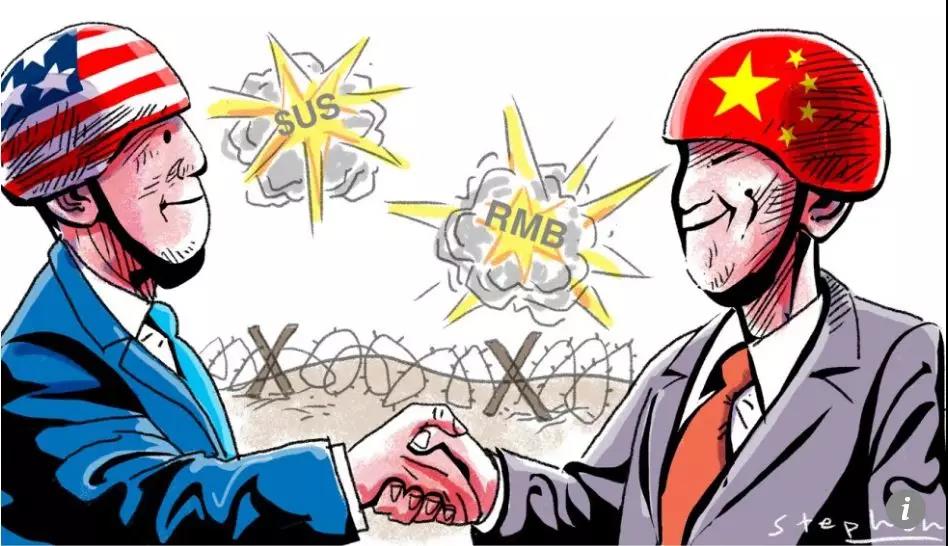
Edward Tse is founder and CEO of Gao Feng Advisory, a strategy and management consulting company, and author of “China’s Disruptors” (Portfolio, 2015). Sunny Cheng is a Hong Kong-based environmental technology


China Daily丨Internet will continue its disruptive course

Updated: 2016-01-01 08:16
By Edward Tse (China Daily Europe)

Online shopping remains biggest e-commerce story in China but other sectors are growing, too

E-business will remain the most exciting and disruptive part ofthe Chinese economy in 2016 – unpredictable in detail, but unstoppable in the bigger picture of things.

The big three “BAT” companies, Baidu, Alibaba and Tencent, will maintain their dominance over the digital high ground, but even they – despite their technological strengths and huge war chests – will find it impossible to squeeze out the companies battling immediately below them, let alone the countless startups being formed each month by entrepreneurs eager to become the next Robin Li, Jack Ma or Pony Ma.

Through 2016, online shopping will remain China’s biggest e-commerce story, with many of the records set in 2015 – such as the 91 billion yuan ($14 billion; 12.8 billion euros) worth of goods sold through Alibaba’s platforms on Singles Day in November – all but certain to tumble again.

But we will also see Internet businesses penetrate deeper into other industries: from healthcare to insurance, further large-scale mergers andacquisitions, and more foreign companies going to China in search of their slice of the digital pie.

E-commerce retail sales will continue their blistering pace of growth. After increasing 42 percent to $672 billion last year – far outpacing overall retail sales growth of 11 percent – they are predicted to grow 35 percent to $911 billion in 2016, according to New York-based research firm eMarketer.

By 2018, e-commerce is expected to account for nearly 30 percent of all retail sales, up from 11 percent last year – a rate of growth that would make it a key force in realizing the government’s goal of making consumption the economy’s main growth driver.

But even more exciting, with its consumers accounting for just over 40 percent of the year’s worldwide retail e-commerce sales, China is reinforcing its position as one of the key global sources of online business innovation everywhere, from sales and marketing to logistics and distribution.

Already, purchases made with mobile phones account for around half of all Chinese e-commerce retail sales – way more than the one-fifth level of the United States and most other developed economies.

This growth can only continue. Still only half of all Chinese have access to the Internet, but falling smartphone prices and negligible charges to get online via the mobile Internet mean that China’s poorest regions will be a major new source of online shoppers.

In 2016, for example, online retail sales in China’s rural markets are set to reach 460 billion yuan – nearly three times greater than in 2014, according to Ali Research, Alibaba’s research arm.

Elsewhere, China’s Internet giants will continue pressing for change in the financial services industry. Having established the country’s dominant online payment network with Alipay and given savers higher returns viaits online money-market fund, Yu’E Bao, Alibaba extended its financial reach in 2015 with MYbank, an online-only provider of loans and other financial services to farmers and small and medium-sized enterprises.

Another new force in 2015 was WeBank – China’s first online private bank – backed by Tencent, which already has 500,000 clients for its wealth management products. And in November, Baidu linked up with China CITIC Bank to launch its own- as yet unnamed – online-only bank.

Away from finance and e-commerce, Alibaba will continue to expand its media footprint following its $4.2 billion acquisition of video-hosting website Youku-Tudou in October and its purchase of Hong Kong’s South China Morning Post newspaper for $266 million two months later.

Other recent big Internet acquisitions and mergers include the tie-up between Tencent’s Didi and Alibaba’s Kuaidi to create Didi Chuxing, China’s leading player in mobile transport. It faces plenty of rivals, among them Yidao Yongche, in which Beijing-based technology firm LeTV invested $700 million, and US-based Uber.

China’s two biggest classified advertising websites, 58.com and Ganji.com, also joined hands. So did group-buying website Meituan and local review platform Dianping.com, creating a $15 billion provider of online-to-offline services. Ctrip and Qunar combined to establish the country’s biggest online travel service provider with a market share of 70-80 percent. Last year saw leading Chinese Internet companies take further steps to “goout” to the rest of the world. Alibaba hired former Goldman Sachs executive J. Michael Evans to help make it a major power in the US. At the end of the year it opened offices in Munich and Paris to expand its European operations.

Other companies are following in Alibaba’s footsteps. To take on Uber in markets outside China, Didi Chuxing has invested in Lyft, Uber’s mainrival in the US, as well as in Ola, India’s top car-hailing app, and Singapore-based GrabTaxi.

Guided by former Google executive Hugo Barra, smartphone companyXiaomi is expanding in India, Brazil and Indonesia. And LeTV is funding a $1billion investment near Las Vegas in Nevada to build an electric vehicle manufacturing plant, saying it wants to take on Tesla.

The energy of China’s Internet economy is once again attracting attention from companies around the world. Despite widespread Western media reports about government obstacles to overseas investment, foreign tech companies are more and more looking to China as an essential part of their global plans.

December saw Apple and Samsung each reach agreement with UnionPay to bring their respective payment systems – Apple Pay and Samsung Pay- to China. Google may follow with Android Pay.

That news followed Uber announcing a $1 billion China push, LinkedIn taking its total number of China users past the 10 million mark and Airbnb securing $1.5 billion for its China expansion plans from China Broadband Capital, Sequoia Capital and other investment firms with deep experience in the country.

Given the combination of official support, market growth and the intense hunger for success that drives so many business people, it is hard to see anything derailing China’s digital future. As the country’s leading vehicle for innovation and entrepreneurship, the Internet will continue to disrupt industry after industry through 2016.

For those able to harness its extraordinary forces, however, it will also remain by far China’s most exciting source of business opportunities.

The author is founder and CEO of Gao Feng Advisory Co., a global strategy and management consulting firm with roots in China. The views do not necessarily reflect those of China Daily.

SCMP | Well connected: The growing reach of China’s internet sector

Author: Edward Tse and Matthias Hendrichs
South China Morning Post
update 2016-01-03
Wuzhen, a small town in Zhejiang (浙江) province, became the centre of global attention when it hosted the second World Internet Conference last month. The theme was “An interconnected world shared and governed by all: building a cyberspace community of shared destiny”. More than 2,000 participants joined the event. Among them were President Xi Jinping (习近平) and other heads of state, prominent local internet business leaders and leaders of major foreign internet companies such as Brian Chesky (Airbnb), Jimmy Wales (Wikipedia) and Reed Hastings (Netflix). The conference included discussions on a range of topics, from global internet governance, cyber security and the internet industry as the engine of economic growth, to social development, technological innovation and philosophy of the internet.
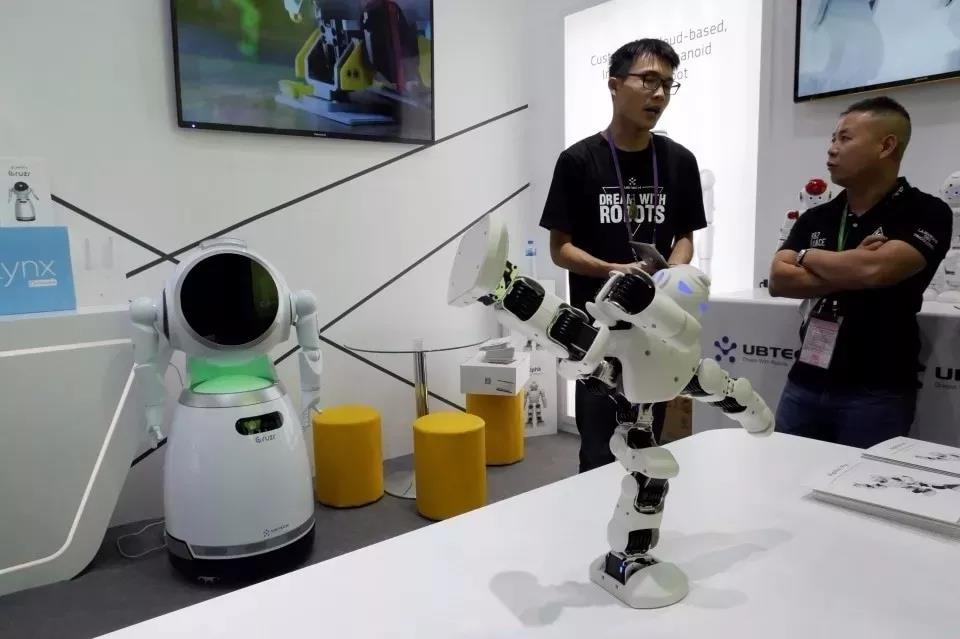
President Xi Jinping delivers a keynote speech at the opening ceremony of the second World Internet Conference in Wuzhen. He called for governments to cooperate in regulating internet use. Photo: Xinhua

Xi gave the keynote speech, underlining the growing importance of the internet industry for China. He set out his vision of “cyber sovereignty”, urging the international community to support a “multilateral” approach to the governance of a shared future cyberspace, while also emphasising the need for all nations to join hands in fighting internet surveillance and cyberattacks.

Alibaba’s Jack Ma pointed out that the internet has drastically changed almost every aspect of people’s lives in China and that the potential for internet entrepreneurs to incubate more innovative business models and breakthrough technologies is limitless.

Other Chinese internet leaders expressed their optimism about artificial intelligence, virtual reality and the Internet of Things. Baidu exhibited its prototype of a self-driving car. Its CEO, Robin Li, believes such cars will be commonplace in three to five years. Tencent aspires to build platforms that connect people with other people, products and services. CEO Pony Ma believes the internet can “help unlock the full potential of public services” such as health care and education by eliminating inefficiencies and lowering costs. Jia Yueting, CEO of LeTV, a fast-growing company which started as a content provider over the internet, talked about his vision of creating “lifestyle ecosystems” for consumers.

China’s internet industry saw strong growth in 2015. The number of users reached 670 million, with mobile users accounting for close to 90 per cent. Purchases from mobile phones account for around half of all Chinese e-commerce retail sales. Last year also marked a series of market consolidations, including mergers between mobility service providers Tencent’s Didi and Alibaba’s Kuaidi; classified advertising websites 58.com and Ganji.com; group-buying website Meituan and local review platform Dianping.com; as well as online travel agency platforms Ctrip and Qunar.
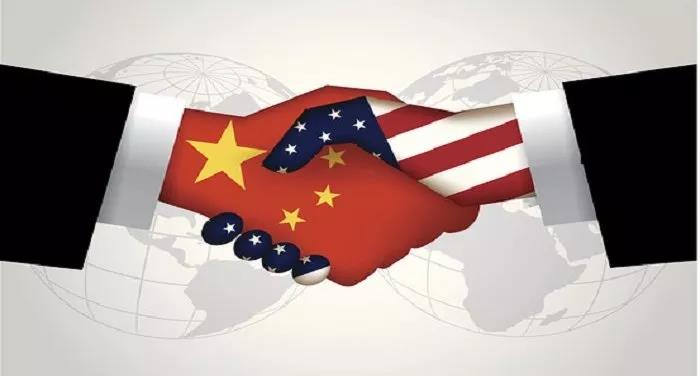
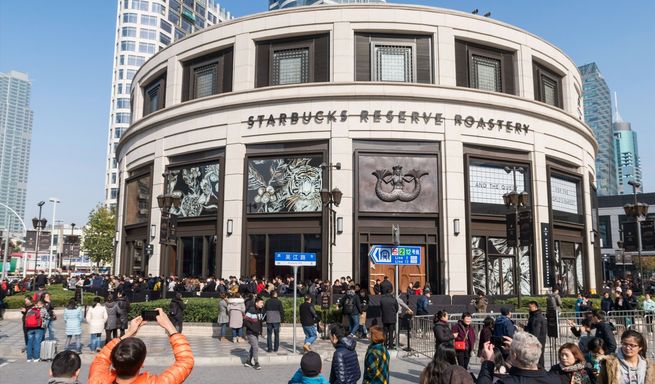
Leading Chinese internet companies took further steps to “go out” to the rest of the world. Alibaba hired former Goldman Sachs executive J. Michael Evans to help make it a major player in the US. Recently, it opened offices in Munich and Paris to expand its European operations.

The World Internet Conference showed that Beijing sees the internet as a national priority; China can play a leading global role. Photo: Xinhua

To take on Uber in markets outside China, Didi Chuxing has invested in Lyft, Uber’s main rival in the US, India’s top car-hailing app Ola, and Singapore-based GrabTaxi. Guided by former Google executive Hugo Barra, smartphone company Xiaomi is expanding in India, Brazil and Indonesia. And LeTV is funding a US$1 billion investment in Nevada to build an electric vehicle manufacturing plant, saying it wants to take on Tesla.

On the other hand, more foreign tech companies are looking to China as an essential part of their global plans. December saw Apple and Samsung each reaching agreements with UnionPay to bring their payment systems to China. Google may follow with AndroidPay. That news came after Uber announced a US$1 billion China push, LinkedIn took its total number of China users past the 10 million mark and Airbnb secured US$1.5 billion for its China expansion plans.

This year should see the growth of China’s internet industry accelerate further. Lower-tier cities and rural markets will become the next frontier. Online retail sales in China’s rural markets are expected to reach 460 billion yuan (HK$ 549 billion) this year, nearly three times higher than in 2014, according to Ali Research. Beijing is also investing heavily in internet infrastructure, spending US$182 billion over three years to extend the country’s broadband and 4G network reach to almost every part of the country.

Issues such as the “Great Firewall”, media censorship, inadequate intellectual property and data privacy protection continue to present challenges for both foreign and domestic firms to grow their internet businesses in China. These issues will continue to be tension points between China and other countries, especially the US. Successful Chinese entrepreneurs will continue to take advantage of imperfections in Chinese society to identify new opportunities and build innovative solutions that address rapidly evolving consumer preferences and needs.

Baidu chief executive Robin Li speaks during a session of the World Internet Conference, where his company exhibited its prototype of a self-driving car. Li believes such cars will be commonplace in three to five years. Photo: Reuters

The World Internet Conference showed that Beijing sees the internet as a national priority; China can play a leading global role. Some observers have ridiculed, rightly or wrongly, China’s proclamation of a “world conference” given its censorship practises. Regardless, the government seems determined to move forward and it is trying to align with the private sector to continue building a thriving internet sector and use it to drive innovation and entrepreneurship in China.

In this context, Chinese entrepreneurs are developing a wide range of innovative ideas, and seem in general much more confident and outward-looking. In their attempts to build ecosystems, some Chinese tech companies will end up collaborating with others, while others may compete head-on. More foreign tech companies would like to enter – or re-enter – the Chinese market, given its huge size. Some will seek to collaborate with Chinese firms. At the same time, more Chinese tech companies and investors will seek partnerships or investment opportunities outside China, especially in Silicon Valley or Israel, creating a web of relationships unseen before. There will probably be more consolidation, through mergers and acquisitions, as well as the emergence of new entrepreneurial companies. This year, expect more excitement from China’s internet sector, which will increase its relevance on the world stage.

Edward Tse is founder and CEO, and Matthias Hendrichs is managing director, of Gao Feng Advisory Company, a global strategy and management consulting firm with roots in Greater China. Dr Tse is author of China’s Disruptors (www.chinasdisruptors.com)


亚布力观点丨管理咨询为客户增值的三个维度


文丨谢祖墀 高风咨询董事长兼首席执行官
2015年11月发表于中国企业家论坛《亚布力观点》杂志

许多人和机构都称自己在做咨询。在中国,自从BCG 在1993 年建立了第一家官方批准的外资管理咨询公司之后,在过去20多年间,中国的管理咨询行业在数量方面有相当快速的增长,但在质量方面却颇为不尽人意。许多客户在聘请咨询公司或咨询顾问时满怀热诚和期望,但咨询项目的效果却经常让他们感到颇有落差。一些在国际上颇具盛名的咨询公司进入中国市场之后,在客户心中并没有完全与它们在国际上或他们自我宣传的品牌地位取得一致和持续的认同。对一个在中国市场中工作超过20年的咨询从业者来说,对此我是比较失望的。

为什么会这样?

咨询顾问或公司有许多类型。他们的定位和与客户的工作方式有很大的差异,不能简单的混为一谈。作为甲方,客户在选择和评估咨询公司的适合性时亦要相当小心,不应简单的受到所谓品牌、知名度或规模的影响,起码不应只是以这些简单的标准来进行评估和筛选。

当一个咨询顾问或公司去游说客户的时候,他们一般会采取一、两种招数。最普遍的是以“经验”(experience)来招徕。咨询顾问会跟客户说他在某个或某些领域上有很丰富的经验,所以客户应该聘请他。什么是经验?比如,某人在制造杯子方面是很有经验的,他过去做了十万个杯子。一天某个客人来请他帮忙做一个杯子,他当然会说他可以做,并且驾轻就熟。他会对客人说:“我做过十万个杯子,我能为你做第十万零一个,你请我来做吧!”以经验作为主要卖点的所谓咨询顾问很多,最经典的就是所谓的“行业专家”或其他方面的“专家”。

第二种咨询顾问或咨询公司在客户面前主要以“知识”(knowledge)为卖点。“知识”当然与上述的“经验”有点关系,但两者之间却不完全有百分之百的重叠。可以说,有经验并不等于有知识,反之亦然。不少人喜欢在某些领域(比如:数字经济)通过线上社交媒体其他人的原作转帖,来证明自己是“数字专家”,但实际上他们在此领域没有什么实际的经验。同样,不少在企业经营、战略发展方面毫无经验的人亦可以在企业管理、发展方面娓娓而谈,特别在互联网时代,谁都可以扮专家,甚至著书立作。无论如何,不少所谓顾问是以“知识”作为招徕手段,他们之中一部分可能知识和经验兼备,另一部分却可能勉强可以说有点知识,事实上却没有很多的经验。

假如某咨询顾问或公司同时拥有知识和经验,这是否代表他或他们就能持续地为客户们解决难题?在某些情况下,这是可以的;但在另外的情况里,这却是不行的。因为为客户增值的方法或维度除这两个之外,还有第三个,而这第三个往往是最难掌握和系统性学习的。但如果咨询顾问不能学会这方面的能力,他们将不可能持续地为客户们创造价值。

第三个维度就是“解决难题”(problemsolving)的能力。这听起来很简单,一般人,包括所谓咨询顾问们,都可能会说“我懂!”但事实上,在我超过20多年的咨询工作里,能够持续掌握这方面能力的咨询顾问极为罕有。为什么?大家都认为为客户解决难题是commonsense(一般的常识),但现实中不少人将“知识”或“经验”与解决难题的能力混为一谈,他们以为我有知识或有经验就可以自动为客户解决难题。殊不知这些是需要(necessary)的条件,而不是必然(sufficient)的。

事实上,难题解决的背后是一种理念,同时亦是一套方法论。它是一种理念是因为我们要认识到,“难题解决”是为客户增值的一个单独维度和轴线(axis)。在为客户提供咨询服务它是不停得被运用,随着项目的进行,它也需要不断的被优化。同时,咨询顾问们在思考过程中必须以难题解决作为思考的主要根据。它亦是一套方法论,此方法论能协助咨询顾问在难题解决时按部就班地解决问题。事实上,咨询公司里有否此种方法论和能否在公司内有系统地传授它是辨别优秀与一般的咨询公司最重要的地方。

以经验为主的咨询顾问的思维方式和工作习惯往往是线性的,以过往的经验为依据,一般会较为缺乏突破性思考。以知识为主的咨询顾问较有可能以非线性的思维来考虑问题,但不一定有系统性的方法来解决问题。以这两方面为主的咨询顾问在面对较为简单的问题时仍可以顺利地解决,但当客户的问题较为复杂时则往往力有不逮,做不好。于这种情况下,优秀的咨询顾问必须具备“难题解决”的能力。

我以前在博斯(Booz & Company)的时候已经将此种方法论建立起来,并在团队内给予培训,在项目上进行了实践。在高风,我将此方法论进行了优化,更强调理念上的巩固,给予团队更多的培训和实践机会。

“经验”、“知识”和“难题解决”是咨询顾问为客户增值的三条重要轴线。优秀的咨询公司必须同时三者兼备,缺一不可。而三者之中最难理解和实践的是难题解决,亦是绝大部分咨询顾问或公司最经常忽略,甚至完全不知道的。

企业战略丨马云在外企能生存吗

文 | 谢祖墀 高风咨询创始人兼首席执行官
2015年11月发表于《管理学家》杂志

马云,当今已是中国家喻户晓的人物,几乎无人不知,无人不晓。在国际上,他的名声亦越来越响,堪称是国外元首见面最多的中国企业家。马云在十几年前开始创办了阿里巴巴,从零开始,到今天已是国际最具规模的互联网公司之一,2014年在美国上市时创造了美国有史以来最大IPO的记录。阿里巴巴以互联网为基础现已涉猎了为数不少的业务领域。马云本人已经进身中国富豪榜前列。毫无疑问,马云有其超群的能力,能带领企业进行飞快的发展,是一位出色的领导者。
另一方面,源于国外的跨国企业长期以来对中国这个发展快速、潜力庞大的市场都拥有很大的兴趣。特别是在邓小平先生1992年的南方讲话之后,许多外资大举而进。当时,他们都抱着一个简单的憧憬,那就是“如果每个中国人需要买一支牙刷,我们的市场就有13亿支牙刷”。当然,事后看来,这种简单的假设和看法是非常粗糙和幼稚的。不过,的确当时有不少外资是以这种思维方式进入中国的。当然亦有不少所谓的咨询公司在当时也是采用类似的简单、粗糙思维方式来忽悠这些公司的。
外资企业,特别是规模较大,历史较悠久和国际市场上较成功的跨国企业,对中国所抱的态度一般是比较傲慢的。这亦很难责怪他们,因为当时中国刚从一场风波中慢慢苏醒过来,在之前四十年的计划经济机制下,中国的整个经济体系和西方完全脱节。邓小平先生所提的“有中国特色的社会主义市场经济”让许多外资高管们都搞不清楚是怎么一回事。
这段时间来华的外企一般都是比较财大气粗的,他们的CEO 知道中国是一“新兴市场”,发展潜力很大,但他们亦知道中国与他们已有的经营在许多方面有所不同,甚至有巨大的不同。当然他们亦会聘请一些所谓的咨询公司或市场调研公司来帮助他们了解中国市场的情况。但总的来说,外国跨国公司的中国进入战略比较简单,那就是“我们在其他市场是如何做的,我们在中国就照搬一样做吧”。
当然这种做法是可以理解的,一家公司倘若熟悉了某一种做事的方法,那为什么要迁就某个市场来改变呢?历史越长、成就越光辉、行业中领导地位越高的企业,这种倾向越明显。
当然中国给予许多跨国公司很大的惊讶。谁都知道中国人口多(但较贫穷)、幅员辽阔、经济发展很快。这几点老外是明白和可接受的。但外企往往忽略的是中国的历史文化(和文明),在庞大计划经济下快速萌芽的私营经济,渐进但不断的市场开放和改革,和人力资源许多快速以及根本性的改变。
跨国公司刚大举进入中国时,他们成为当时中国年青人梦寐以求的雇主。相对当时的其他选择,外企的工资较高,培训较好,又有机会出国,经常以英语交谈很有洋味。假如公司的品牌较响,如可口可乐、宝洁、微软等,在说出来的时候,更会增添一些虚荣感。于当时,跨国公司的确在中国人才争夺战上占有鳌头。
随着外资在中国的发展,他们的遭遇和中国年青人对他们的看法亦不断的产生变化。首先对不少外资来说,中国市场的发展往往并不像他们原本想象的那么容易、简单。造成这种情况的原因很多,不能简单以一两句话概括。但总的来说是因为外企一般比较自大,自以为在中国亦可成功;对于中国独特性的了解不够深入,缺乏深入的反省来研究和发展一套与全球模式稍有不同但适合中国市场的产品、服务或商业模式。
多年来,在西方媒体和欧美商会的迎合之下,外企都在不断的抱怨中国的经营环境不理想以致他们在华的成绩不能彰显。当然,中国的经营环境还不是非常理想,但在过去20多年来,在同一时空、相同的市场里我们总能看到一些表现较良好的外资企业,同时亦能看到一些表现相当不如人意的外企。可以说,每家企业都看到一样的市场信息,亦可能聘请了类似的咨询公司来协助,但他们做出的决定和后来出现的结果却会南辕北辙,为什么?
相对本土的竞争对手,特别是近十多年来不断涌现出来的快速成长的中国民营企业,成为了外资企业的竞争对手。这些对手相对传统的跨国公司竞争对手来说,一般比较敏捷、快速,有高度的应变能力和学习能力。相对而言,外资企业,特别是大型和历史悠久的跨国企业在这些方面就显得比较迟钝和缓慢。造成这样情况的原因是由于跨国公司对中国业务的“信不过”,没有充分授权给当地管理者去做关键的商业决定。
在过去20 多年,跨国公司一直口口声声的说“中国是我们(最)重要的战略市场”,还继续说,“在中国,我们要‘本土化’”,可是他们的所谓本土化往往只是停留在“找几个中国人来担任某些‘职位’的局面”,包括没有实际权力的所谓“中国主席或总裁”。但这些人并没有被总部亦即全球CEO,赋予思想领导者(thought leadership) 的责任。这些企业在中国的战略、组织形态和商业模式还是由远距离的全球总部来决定,所谓本土化的经理人只能是按命令来执行的执行者。
假如国外跨国公司在15 年前遇到当时的马云,而马云亦进入跨国公司工作,我想在工作一段时间后,马云是不会留下来的。

谢祖墀 高风咨询公司创始人、首席执行官,是全球最具经验和知名度的华人战略和组织咨询顾问,与全球五百强以及中国百强之中的多家企业有长期深度合作。他的著作包括《方向:中国企业应该学习什么》、《中国战略:驾驭全球发展最快的经济体》、《跨越:中国企业的下一个十年》,最新著作 China’s Disruptors (中文版为:《创业家精神》),已于今年7 月在美国和英国同时正式发行。


SCMP | How Foreign Tech Companies Go Local Survive and Thrive in China

By Edward Tse & Matthias Hendrichs
Updated 2015-10-15


The “Great Firewall” can limit foreign tech companies’ activities in China. For some, this represents an inconvenience while, for others, it represents a challenge on deemed values and principles.

Many foreign tech companies are taking a closer look at China again. During the recent visit of President Xi Jinping to the United States, leading tech firms such as Microsoft and Facebook sought discussions with the Chinese leader. Even Google, which was not invited to the events, is rumored to be contemplating a return to China. Over the past few years, many people have come to believe that local companies have risen to occupy leading positions in the growing, lucrative Chinese internet industry simply because foreign tech companies were blocked from the market. However, real-life examples present a different case.

In 2003, for instance, eBay entered the Chinese market by acquiring the then leading Chinese platform for consumer-to-consumer auctions, EachNet. But, by 2006, eBay decided to shut down its Chinese EachNet site. By failing to understand the local market context and choosing to migrate everything to the global eBay platform, eBay forced its Chinese customers to suffer a degrading user experience while its competitor Alibaba, with a new platform called Taobao, moved in the exact reverse direction and enabled its customers to dictate many new terms over the same period of time. Besides allowing users to exchange messages, Alibaba created Alipay, an escrow payment service that provides convenient, secure online payment, at a time when online credit or debit card payments were not common in China.
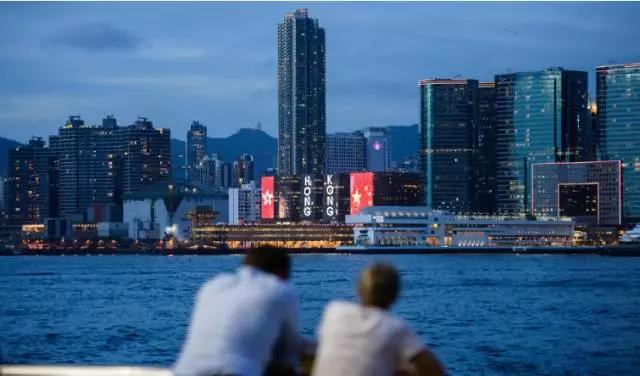
eBay’s lack of success in China is not a result of a ban or government protection for local competitors. Rather, the problem was how the company ran its Chinese business. Not understanding the Chinese market made it hard to win over local customers.

eBay forced its Chinese customers to suffer a degrading user experience while its competitor Alibaba, with a new platform called Taobao, moved in the exact reverse direction.

Google’s retreat from the Chinese market was slightly different. Google China, formally established in 2005, at first complied with the internet censorship laws in China and imposed self-censorship on its search engine until January 2010. Due to tightening censorship and alleged cyber-attacks from Chinese hackers, Google China decided to stop its self-censorship and moved its servers to Hong Kong. Eric Schmidt, Google’s CEO from 2001 to 2011, said in his book How Google Works that senior management views on the move were divided. Schmidt argued that Google should stay in China, while co-founders Larry Page and Sergey Brin strongly favoured a withdrawal due to the censorship.

In this case, government regulation was clearly an important factor. But was it the main reason for Google’s retreat? Every company will have to decide what is right for itself.

LinkedIn, the leading global professional social networking service, is a good example of how to enter the Chinese market. Linked- In officially launched a dedicated Chinese site, Lingying, in February last year, conforming to China’s online censorship regulations. Sequoia China, a venture capital firm that understands the China context, helped LinkedIn navigate the local competitive dynamics and government relations. Instead of hiring a figurehead “China GM” who would merely follow orders from corporate headquarters, LinkedIn decided to hire a “China CEO” who is given a high degree of autonomy to run LinkedIn China like an independent start-up company.

This autonomy enabled LinkedIn China to cater to local needs and to take targeted action addressing those needs. “China only” innovations include the partnership with Tencent’s WeChat, the predominant instant messaging app in mainland China; allowing users to link profiles across both platforms; and the launch of “Chitu” (which literally means “red rabbit”), a mobile-first business social networking app for Chinese users, which is fully independent from the global headquarters.

China is one of Uber’s most important markets. Despite the challenges it faces with the government, it has made China a core of its global strategy.

Following the same principle, Uber, the ride-sharing service, is heavily engaged in China with a strong local organization, competing with local rivals like Didi Kuaidi, which is backed by Alibaba and Tencent. Uber China is set to become a “Chinese” company with Chinese investors, Chinese management and decision rights to act independently from other markets.

China represents one of the most important markets for Uber. In just nine months, three Chinese cities – Chengdu , Guangzhou and Hangzhou – have each accounted for more rides than New York.

Despite the challenges that Uber faces with the local government, it is still committed to the Chinese market and has decided to make it a core of its global strategy.

It is too early to tell whether these companies can succeed over the long run, but at least they seem to be heading in the right direction. The factors that these companies adhere to in China are: understanding the local context, identifying and empowering the local decision rights, seeking local leadership talent, building collaborative ecosystems with the right partners, and building innovative business models to engage with consumers.

Obviously, the “Great Firewall” and China’s censorship rules can limit foreign tech companies’ activities in China, and they are unlikely to go away soon. For some, this represents merely an inconvenience while, for others, it represents a challenge on deemed values and principles.

Clearly, every company will need to judge what is acceptable and what is not. However, a generalization that all foreign tech companies feel the same way and are “blocked” is also far from the full truth.

Edward Tse is CEO, and Matthias Hendrichs Managing Director, of Gao Feng Advisory Company, a global strategy and management consulting firm with roots in Greater China. Dr Tse is author of China’s Disruptors. www.chinasdisruptors.com

This article appeared in the South China Morning Post print edition as The China test


亚布力观点丨管理咨询的关键:问题的界定

文丨谢祖墀 高风咨询创始人兼首席执行官
2015年10月发表于中国企业家论坛《亚布力观点》杂志

管理咨询顾问的工作是为客户解决难题。当然,客户的问题可以有许多种类,有较容易的,有较困难的。一些客户的问题着眼于当前,咨询顾问需要在现有的基础上为客户优化;一些客户的问题却是面向未来的,咨询顾问则需要在快速变化、模棱两可的环境里寻找正确的方向和战略。因客户问题的不同,咨询顾问必须适当地调整方法。假如他们用的方法都是一模一样的,就不可能在每个项目上都取得成功。这往往是咨询公司无法帮到客户的最主要的原因。现在一些咨询公司盲目追求规模化、工业化和模块化,而那些能为客户提供系统性解决难题的咨询公司越来越少。

对于咨询顾问来说,定义问题(problem definition)是咨询过程里最关键的一步,亦贯彻整个咨询项目的工作。当然在客户来找咨询顾问帮助的时候,他必会告诉顾问他要解决的问题是什么。客户说的问题是否就是他真正要解决的问题,在某种程度是一致的,但在很多情况下却并不一致。有些客户可能会特意把问题的定义有意或无意地调整一下。

有些客户并不太清楚他们请来咨询顾问要解决什么问题。在同一个项目里,总裁给的定义,董事长或董事们给的定义,一般员工给的定义可能不同,那在咨询顾问的角度来看,谁讲的算数呢?问题的定义往往会随着客户和咨询顾问之间的沟通和探索而发生变化。对于咨询顾问来说,假如没有明确的将问题定义的能力,没有将此过程当做咨询过程的关键,没有不断地去与客户推敲问题,往往就无法真正为客户解决问题。

咨询公司在问题定义上做得不好,往往就是他们在中国做不好的最基本的原因。因为几乎没有咨询公司会给他们的顾问们做“问题定义重要性”的相关培训,或者有亦是流于表面。就连有些所谓的合伙人亦不知道有此需要,当然结果就往往事与愿违。不少人借此嘲讽外国咨询公司在中国经营的不济,亦所谓“洋咨询,水土不服”。当然这是一个普遍的现象,甚至是比较严重的现象。但同样的,本土咨询公司亦不一定做得特别好。应该说,管理咨询没有华洋之别,只有懂与不懂之分。

有几个案例跟大家分享。大约十年前,有一家跨国的涂料公司来找我们做咨询。他们大中华区的总经理说要做一个战略项目。战略是我们的拿手好戏,我们欣然接受邀请,并一度紧密的工作。在工作过程中,双方都发现了,中国业务的战略其实并不是该公司的核心问题,他们对于自己未来的战略已经相当清楚,他们要解决的其实是组织问题。对于在新旧业务之间产生的错综交杂的关系究竟应该采取什么的组织形态来支撑,这才是核心问题。

大约三、四年前,有一家跨国的消费健康公司来找我们解决组织和运作模型(operating model) 的问题。当我们的团队收到投标书后就开始埋头苦干,准备的建议书有上百页的PPT,内容包括详尽的组织理论、不同组织架构的选择和关键流程的设计。他们给我看之后,我感觉不太对,就找客户( 该公司东北亚区总经理) 聊了一下,按照我们的谈话,我提出了我的观点,就是客户目前所需的还未到建议书上所提的各种细节。客户当前所需的是一套适合他们的“组织哲学”(“organization philosophy”),即是一套适合他们于中国市场上发展的组织原则、方针。在修改了建议书后,我们在遴选中胜了出来,最后项目亦相当成功,这也奠定了该公司在中国快速增长的基础。

在处理了不少成功的案例之余,我亦目睹了一些失败和惨痛的经验。数年前,在某外资咨询公司里,有某团队接了某金融国企的项目。在某外籍合伙人的带领下,经过与客户( 透过翻译) 的沟通,他们将客户的问题定义为“为客户建立一套有差异化的战略以改善顾客的保留率”。在这样简单的了解和假设之下,该咨询公司就派了一支人数不少的队伍进驻客户公司。但是在工作过程中,他们发现客户要解决的并不是战略的问题,而是组织改革和变革管理的问题。这家公司其实希望咨询公司能帮助他们引导各分支机构进行从量到质的改变。这种改变要求咨询公司必须对该企业本身的基本特质、基因和文化有深入的了解,没有深入和广泛的准备,他们根本无法解决问题。所以该项目在超时一年后草草收场。

咨询顾问是为客户服务的,他们必须将客户的利益放在首位,为客户解决最棘手的问题。对于问题的定义是解决难题方法论中最重要的一步。可惜,绝大部分咨询公司连这一步的重要性都不知道。极小部分知道的却没有采取明显的步骤和对员工给予适当的系统性培训。做不好这一步,咨询顾问很难持续地为客户增值。


亚布力观点丨一位管理咨询启蒙者的教诲

文丨谢祖墀 高风咨询创始人兼首席执行官
2015年9月发表于中国企业家论坛《亚布力观点》杂志

今年是波士顿咨询公司(The Boston Consulting Group,简称BCG)创始人布鲁斯•亨德森(Bruce Henderson)先生100年诞辰之际。众所周知,BCG是当今世上最顶尖的全球管理咨询公司之一,与麦肯锡公司(McKinsey & Company)齐名。在世界商界里,拥有超卓的定位和良好的声誉。

亨德森在1963年成立了BCG,当年他是美国波士顿Safe Deposit & Trust公司新成立的管理咨询部的唯一雇员。亨德森迅速将一些当时很具创新的观点整理成“智力资本”(intellectual capital)以“BCG观点”小单张的形式向外界介绍。

经过了近50年,“经验曲线”和“波士顿矩阵”等来自于亨德森指导下的BCG所创的概念在学术和商业界已深入人心。他的一句名言,在今天来说还是有相当的道理。“虽然大多数人都了解一阶效应(first-order effects),但很少有人能很好地处理二阶和三阶效应(second- and third-order effects)。不幸的是,几乎所有有意思的问题都在四阶效应和更高层次的地方(fourth-order effects and beyond)。”在今天我们的咨询工作里,这句话的意义和适时性仍然很高和极为重要。许多咨询公司或个别咨询顾问在为客户解决问题并没有充足意识到问题的识别,而最终未能妥善为客户更深层地来了解与解决问题。

亨德森另外一大贡献是在BCG里建立了一套“院校式的”(collegial)和非官僚式(non-hierarchical)的公司文化和风格。这种文化孕育了一批相互承诺和有独立思想的思考者。这种文化的建设在当时世界和商界都是走在前沿,为其它从业者给予指导的作用。在公司里,亨德森是启蒙者,他将他坚信的理念不断地向全体BCG员工灌输。他把着重点放在如何使咨询顾问工作为客户起作用同时对社会有贡献。

亨德森在1970 年代写的 “给新人的建议”用提问的方式提出以下议题:
“从某种意义上,咨询顾问的角色很矛盾。咨询顾问需要为同样聪明且对问题有更深入广泛的经验的客户提供建议,然而他又不需要是任何方面的专家。那么怎么定义咨询顾问的价值所在呢?”

这是我们至今都必须关注的课题。

很可惜,我进入BCG时亨德森先生已经退休,我无缘直接听到他的教诲。当然当时公司里许多资深合伙人们都与他工作过,对他有极大敬畏。

BCG最资深的华裔合伙人,亦是中国业务的开拓者和领导者郑力行先生(Mr. Bob Ching)是亨德森聘请的,开始就在波士顿工作。一脉传承,郑先生传承了亨德森给予BCG的中心思想。作为郑先生当年团队里的一员,我从他那里学习到亨德森先生传承下来的精神。

亨德森是管理咨询业的一位伟大的启蒙者,为咨询行业的从业者提供了重要的精神领导。与他齐名的亦为咨询行业做出了巨大贡献只有麦肯锡公司的马文•鲍尔先生(Marvin Bower)。一位在纽约市、一位在波士顿,都是美国东部的精英。一家公司像一支管弦乐队,一家公司却像一支爵士乐队。表面风格可以不太一样,但公司内部的核心理念、价值观和对客户的承诺和承担是大概一致的。尽管到了中国后,连最杰出的咨询公司都未能逃避“橘越淮为枳”的诅咒,像鲍尔、亨德森等咨询业的启蒙者都是划时代和值得我们深深地尊敬的。在今天亨德森先生的100岁诞辰纪念之际,我想向一位伟大的启蒙者寄上我崇高的敬意。我将亨德森先生的《给新人的建议》翻译并转登于此。

从某种意义上,咨询顾问的角色很矛盾。咨询顾问需要为同样聪明且对问题有更深入丰富的经验的客户提供建议,但他又并未是对一切无所不知的。那么怎么证实咨询顾问的价值所在呢?

咨询顾问可以是一名专家,如果是这样的角色,这需要他比客户在更微观领域上做到掌握的知识更加精通,否则在权威上无法胜过从业经验更加丰富的客户。

咨询顾问也可以在决策过程中充当顾问和提供建议的角色,如果这样,就要求咨询顾问同时预备心里治疗师的专业知识。他只需要掌握特定的领域内某种特殊的专业技能。

作为咨询顾问,最通常需要扮演的角色是辅助人员。这与上面提到的角色并不相悖,但仍有一些不同的地方需要加强。

所有的公司拥有自己的人才,其中很多都出类拔萃,但没有一家公司会雇佣能解决任何问题的备用人员,这也是咨询行业的用武之地,咨询顾问可以填补公司内部无法弥补的人才缺失。

从定义上,这意味着咨询顾问最主要的用途是处理临时性偶然发生,并不常见的问题。外聘顾问在问题定义不明且有政治敏感性时也非常有用,因为正确的决策在此时非常重要,外聘顾问能够处理困难,重要和敏感的问题。

减轻客户的顾虑和犹豫是咨询顾问天生的职责。下面列出顾虑和不确定性最高的,也是最可能聘用咨询顾问的情形。

如果将上述观点作为我们的出发点,对问题的定义会变得至关重要。

因为如果对问题的定义不正确,那么即便完美地解决了问题,可能客户还是会觉得没有得到想要的答案。

如果对问题定义不恰当,那么我们也许无法解决问题。

定义问题的能力是检验咨询顾问职业能力的重要标准。相比公司内部人员,外聘顾问通常更能准确的发现问题所在,其原因在于他并不会受到客户以往观点的影响。

如果问题无法进行研究,那么咨询顾问定义完问题后任务就完成了,一般只有专家或者心理治疗师能这么做,这对BCG之类的公司是不适用的。

可研究的问题通常通过团队解决,数据搜集与分析要求不同的技能以及各个层次的经验,团队可以最好地满足这些要求,通过团队成员间的口头讨论和对可能的假设的分析测试,往往能够对复杂问题产生深刻的见解。

好的研究远远不限于使用人才和常识解决问题,在开始阶段,一定要提出一组可被探究的假设,否则杂乱无章的大量数据无法被很好的利用。这些开始阶段提出的假设通常在研究的过程中会被推翻,并被新的假设代替,但即使这样,也一定要严格遵循假设,搜集数据,分析,验证,重新假设的顺序。

要做到这些,出色的沟通和听取信息的能力必不可少。我们的顾客会根据一些假设和概念开始自己的分析,我们则需要充分理解这些并详细地反馈给客户,否则客户会认为我们并没有搞清楚状况。此外,我们不能排除任何可能出现的与问题相关的信息,而且必须阐明表达我们的假设。

最后,我们必须有能力,通过一些步骤,引导客户从开始的自身认知转变到我们最终得出的研究结论上。这需要咨询顾问感同身受的去阐述,同时具备成熟的讲授技巧。

当咨询任务成功完成,其成果不仅仅是产品,而是客户获得新的见解并采取必要措施实践这些观点,敏锐察觉到观点带来的新的问题和机遇也同样重要。

如果我们的客户没有实施这些新的观点,那么我们的咨询任务已经宣告失败。我们的职责就是看到我们的观点得到了实践,不论是通过客户还是我们自己。

一名咨询顾问的表现很大程度取决于他是否将概念发散至客户对世界的认知之外。这并不是仅限于专家研究的领域,恰恰相反,这是对很多互相影响的因素相互联系方式的独到眼光。这种独到的眼光不能仅仅是意识层面,而要能充分量化相互作用的影响,以便预测关系改变将会产生的结果。

由于身处多元化的环境中,且处理的是关系而非技术,因此咨询顾问拥有得天独厚的拓展思维的机会,这种对概念的掌控能力或许是咨询顾问真正职业能力的最本质的特质。

成功的咨询顾问首先是具有洞察力和感知力的分析师,他必须在并未得到充足数据时,以客户的角度对复杂的问题定义。这需要咨询顾问在分析正式开始之前,与人沟通中就要构建出人际方面的认知。

他的分析思路必须严谨而有逻辑性,否则任务会变得无法完成或是无效。不管擅长哪些方面,他首先必须能够有效地组织复杂且难以协调的团队研究,并受到其他成员的尊敬。如果无法做到这点,他只能发挥作为一名专家的有限的作用。在定义问题时,有效率的咨询顾问必须大胆主动地阐述自己的定论,促使客户接受自己的观点并按照自己的定义方式解决问题,因为如果客户想要信任某位咨询顾问,那么肯定希望他的定论是站得住的且具有说服力的。一名咨询顾问如果无法做到这点,也许他会得到认同和尊敬,但只能成为雇员型的咨询顾问,而不会成为管理型的咨询顾问。

成功且专业的咨询顾问,在数据收集和与团队合作时,难免会出现过于严苛的自我约束。

同客户形成长久的合作关系,需要咨询顾问时刻保持对客户立场观点的感同身受,如果无法做到这点,就无法在企业管理咨询中担当更加重要的角色。

换句话说,一名成功的咨询顾问必须做到下列几点:

明确客户最重要的问题;
通过研究问题,说服客户解决问题;
组织一个专门的团队,组织协调它的工作;
理解吸收客户的观点和成果,充分利用客户所在公司的人力资源;
充分运用团队的概念意识;
将自己的发现成功传递给客户,并见证他们实践自己的发现;
明确接下来还会出现的问题,维持好同客户之间的关系;
完全满足客户提出的要求;
在客户或自己规定的时间和预算框架下,充分做好每一件力所能及的事情。


企业战略丨论战略(下)

文 | 谢祖墀 高风咨询创始人兼首席执行官
2015年10月发表于《管理学家》杂志

上次的文章我谈了什么是战略,和提出了战略定义的头六条原则。这次我继续讨论此议题和提出余下的定义原则。

第七,战略是从核心能力出发的。核心能力(core competence) 是一种基于组织内部的能力。这种能力是透过技能、知识、流程和技术的综合学习及运用获得的。核心能力是企业的内功,它与透过政策保护、资金和规模等方法被赋予的“结构定位优势”(structural positional advantages)不一样。前者是内功,是可持续的;后者是外界赋予。当赋予的条件不存在,这种优势便会消失。注意我用的关键词是“出发”,即是说一家企业的核心能力应是战略规划时的考虑点(之一),但不是完全的考虑点。我于这方面的观点与西方传统的“核心能力论”有所不一样。

第八,战略在于选择。每个企业都在一系列限制条件下进行经营,而战略其实就是在特定限制条件下进行选择,并在有限的资源下,作出最优化选择。孟子曰:“人有不为也,而后可以有为”就是此意思。举例来说,顺丰快递的战略选择就是立足于自身能力,定位和设计出来的简单便捷服务。顺丰创始人王卫提出来他们“只做小件,不做重货”。顺丰内部人士亦提出来“重货成本大、利润薄,也不是我们的强项。”故此,顺丰的战略定位是中高端。与四大国际快递重叠的高端不做,与低端的同城竞争也不做,而且服务简单便捷,500克内收不超过20元的邮费,上门送货,全国联网和36小时到达。

第九,战略是理性的,但也必须是非理性的。从理性层面来说,战略必须透过严谨的逻辑分析,有效的研究工具和合理的理论框架来进行剖析,推断和归纳。但战略建立和执行同时亦需要在精神上的追求和价值理念认同等方面的非理性层面兼顾。举例来说,苹果公司战略上的成功是建基在乔布斯的美满主义的理念。他要“制造世界上最伟大的科技产品”。而任正非先生的警觉性和危机感帮助了他和华为公司寻求了文化和体制的“道术合一”的平衡和自我突破。

第十,战略有时是竞争,但有时亦是合作。在行业便捷不断重构的情况之下,企业的战略选择也可以和需要更为灵活。越来越模糊的竞争边界,既会影响行业发展趋势,打乱行业竞争格局,也在不断改变着多方便利益相关者之间的“合纵连横”关系。在如今的“无边界竞争”时代,企业之间为什么合作以及如何合作,显然是许多企业必须思考的问题。

第十一,战略的结果是可衡量的。当你看到好结果时,那就是好的战略。正如温斯顿•邱吉尔所说的“不管战略多美妙,偶尔看看结果如何很重要。”我们都知道,诸如柯达、摩托罗拉、诺基亚等公司从光辉到没落我们都能看得出其结果。反的来说,华为公司的业绩从20多年前的几乎是零的结果不断发展到今天近三千亿元的收入,就是不断发展走上成功之路的结果。

其实企业所处于的经营环境正在不断地变化,企业高管在战略认知上必须与时俱进,在思维和方法论上进行不断的调整。在过去很长一段时间里,管理界的其中一条坚定信念就是企业能在竞争环境里取得胜利是凭借于它的“持续竞争优势”(sustainable competitive advantages),关键词是“持续”,亦既是说优秀企业的竞争优势是可“持续”的。可是在今天瞬息万变的时代里,可以说没有什么竞争优势是可以持续,竞争优势只能是短暂。今天某方面可能是你的优势,明天可能已经不是。因为市场调整的很快,今天你赖于成功的因素,在明天很可能已经不是。同时,行业的边界正在被不断的重新定义。过往的行业定义,今天可能已经不同,而明天亦可以不一样。跨界竞争(和合作)比比皆是,对许多企业带来不少惊喜。传统的战略竞争理论正被从根本上挑战。企业与企业之间的生态系统正在形成。在生态系统与生态系统之间形成无穷的竞合状态,竞争趋势从单维快速进入多维的情况。企业们需要以正确的步调、节奏和规模来重新定义自我。同时组织需要适时地重新设计、调整,以适应业务和战略的变革。对企业高管而言,关键的问题往往就是:“我如何更加敏捷、灵活并贴近我的客户?”

高风咨询公司所提倡的“在边缘上竞争”(Competing on the Edge)就是在这种大环境的背景上所倡议的战略管理理论。第一,因竞争优势只能是短暂的,要持续成功的企业必须不断建立新的竞争优势。“改变”(change)不应被视为对于现有业务的威胁,更应被视为新增长机会的泉源。第二,因为竞争优势是短暂的,企业的战略必须是多方面和不断演变的,不能以简单的概括来描绘。企业们必须同时考虑广泛的一系列选项,而选择的选项很可能会包含了多种、多方面的貌似松散地联系着的行动举措。而这些行动举措所显示的整体方向必然好像只会是“部分协调” (semi-coherent) 而已。企业必须按市场环境带来的机遇和约束不断的调整他们的目标和计划。第三,“重新改变自我”(re-invention)应是企业理念和行动的核心。在追求新的增值方法,在流程、产品和商业模式上的创新将是最为关键。亦即是说,企业必须适时调整它们如何运营和它们创造什么。相对企业在建立和测试新的想法方面,企业的效率往往已经变得不那么重要。当然,企业不能随便浪费资源,特别因为可靠的、长期的利润来源将会匮乏。

在今天和明天,战略的思考和执行对企业越来越重要,但企业必须建立正确的理念,适时调整,在混沌和控制之间取得动态的平衡。

谢祖墀 高风咨询公司创始人、首席执行官,是全球最具经验和知名度的华人战略和组织咨询顾问,与全球五百强以及中国百强之中的多家企业有长期深度合作。他的著作包括《方向:中国企业应该学习什么》、《中国战略:驾驭全球发展最快的经济体》、《跨越:中国企业的下一个十年》,最新著作China’s Disruptors (中文版为:《创业家精神》),已于今年7 月在美国和英国同时正式发行。


企业战略丨论战略(上)

文 | 谢祖墀 高风咨询创始人兼首席执行官
2015年9月发表于《管理学家》杂志

20 世纪90年代初我刚回国的时候,中国大陆好像是无人用“战略”(strategy)这个词的,就算有用也不是在企业界,因为当时的中国还没有所谓“公司”的概念,公司正刚出台而已,为“公司股东创造利益”的概念还未萌芽。当时的华人社会里,香港的企业家们是知道所谓“战略”的,只是当时普遍的中文翻译是“策略”,香港人认为“策略”更多是代表思考,而“战略”有点像在打仗。后来中国大陆在商业上开始采用“战略”一词,香港人亦随之而为。

经过三十多年的改革开放,现在“战略”已经成为中国大陆企业界、学术界、专业界甚至政府官员和媒体都带在嘴边的一个词。大家提到“战略”一词及其演绎时琅琅上口,许多人都在讨论他们企业的战略是怎样做的,不少人亦权充老师试图去指导其他人战略究竟应该如何去做。从有几十年企业管理经验的高管到某些80后甚至很少经营经验的90后,都在分享“战略”应该如何去做。在“互联网思维”的覆盖下,不少人更是大胆到去颠覆所谓传统的战略思想,据他们说“老的一套已不成,新的一套才管用”。

其实在互联网时代,一些人提出来的所谓新的战略概念并不怎样新,不少可以说是“新瓶装旧酒”。比如,“以客户为本”,这当然是商业的101金科玉律。20多年前,如何建立“以客户为中心的组织”(customer-centric organization)已经是企业界的主要命题,不少企业都对此目标梦寐以求。又比如,“去中心化”这概念,博斯公司(Booz& Company)的前身博思艾伦公司(Booz Allen Hamilton)的高级合伙人布鲁斯·帕斯特纳克先生(Bruce Pasternack)也在至少20年前就已经提了出来。当时此概念是相当超前的,因绝大部分的企业高管、咨询公司和商学院教授都认为企业,特别是大企业,必须有一强而有力的“公司总部”。帕斯特纳克先生当时提出来的此概念在今天的互联网时代看起来更为适宜。

当然,互联网尤其是移动互联网的出现和快速普及,加速和扩大了这些原有的管理理念的应用。在某些领域上,它们的应用可能亦出现了某些重要的改变或调整。同时互联网亦的确孕育了一些新的概念和做法。社交媒介容许了消费者社区的建立,很多的资源共享,大数据和云计算让企业对消费者的了解更加个性化,企业的产品或服务或综合性的商业模式也更能针对个别消费者的需要,而且其速度也比互联网之前的时代快上许多倍。

尽管如此,企业的战略还是有根可寻,无论是否身处互联网时代,企业战略的建设和考量是有一些基本的原则可以而且必须遵循的。当然,在此一短短的文章里,我较难将这些原则详细的描述。我想先把一些简单的原理先作介绍,将来在以后的文章里可以陆续补充。

每一个企业的战略都要回答三个基本的问题,那就是“我在哪里玩?(Where to play?)”,“我如何去玩?(How to play?)”和“我在什么时间去玩?(When to play?)”。无论是否身处互联网时代,这三个问题都是企业战略里最关键的问题,过去如此,今天如此,将来亦必如此。

什么是战略?

第一,战略当然是要给出方向。比如通用电气(General Electric)在杰克·韦尔奇(Jack Welch)年代,它们的战略方向就是给出了一个“数一数二”的战略以指导它们多元化的方向。又比如,华为在“活下去”的最高战略指导下,要不断打造自身的核心动力,同时以客户为中心。

第二,战略是分步走的。尽管战略必须给出整体的方向,成功的战略又必须是分步走的,战略给予企业的是长跑而不是短跑,战略不是一张一成不变的导航图。在变化越来越快的市场上,即便是最好的战略也不能给企业一个确定的路线。故此,企业必须有分段的战略。长期战略一般路径较模糊,它只提供一个大的方向。中期战略较少一点模糊,但亦不是完全清晰,它提供了一个大致的路径。短期战略则应相对清晰和具高度的操作性。举例来说,阿里巴巴集团在这方面的战略思考就是“十年畅想、三年战略、一年运营”。

第三,战略的本质其实是思维。战略规划不仅仅是一个规划过程,更重要的是一种意识,是一种思维方式。战略是持续非连续性环境下的应对手段。好的战略家能够更多掌握经营环境的非线性改变,同时能够在多维度上来考虑问题,把创意带到战略中,并坚持贯彻落实战略的实施。

第四,战略必须顺势而为,亦即一些企业家琅琅上口的“找到台风口”。顺势而为即未雨绸缪地掌握和顺应发展趋势,有所为,有所不为。战略家必须具有前瞻性地把握和发展大方向,能洞察市场契机和警惕不符合大方向的风险。

第五,战略是要找清楚你的定位,但也必须适当地调整定位。战略是从你的优势出发,即明确与竞争对手相比的优势所在。对于已经处于“结构定位优势”的企业来说,只有过度到“核心竞争力”的建设上来,才能让自己在未来的市场竞争中处于优势地位。我认为适合中国和全球市场特点的战略思想需要能够在迅速变化的环境中寻求建立竞争优势,即“在边缘上竞争”(Competing on the Edge)。

第六,战略不但是看得见、摸得着的,更是看不见、摸不着的。许多企业高管在考虑战略往往只是聚焦于看得见的因素或能力,比如产品、品牌、价格、渠道等。当然,这些因素都很重要,但往往一些看不见的因素或能力同样甚至更为重要,比如企业的弹性、韧力、适应性、节奏等。

谢祖墀 高风咨询公司创始人、首席执行官,是全球最具经验和知名度的华人战略和组织咨询顾问,与全球五百强以及中国百强之中的多家企业有长期深度合作。他的著作包括《方向:中国企业应该学习什么》、《中国战略:驾驭全球发展最快的经济体》、《跨越:中国企业的下一个十年》,最新著作China’s Disruptors (中文版为:《创业家精神》),已于今年7 月在美国和英国同时正式发行。


7 startup tips from the rise of Chinese innovators

China’s disruptors: 7 startup tips from the rise of Alibaba, Xiaomi, Tencent, and other innovations

MADANMOHAN RAO
SEPTEMBER 9, 2015

Emerging digital companies from China such as Alibaba, Xiaomi, and Tencent are not just shaking up business in China but are reaching out across the world as well through their self-assurance, speed, agility, and energy.

Insights, tips and lessons from these innovators are offered in the new book, ‘China’s Disruptors: How Alibaba, Xiaomi, Tencent, and Other Companies are Changing the Rules of Business,’ by Edward Tse, Founder and CEO of Gao Feng Advisory Company, and author of ‘The China Strategy.’ See also my reviews of the related books ‘startup Asia'(by Rebecca Fanin) and‘ China Fast Forward ‘ (by Bill Dodson), and YouStory’s curation of quotes by Alibaba founder Jack Ma.

The 256-page book is a good mix of storytelling, case studies, economic history and business tips. Despite the current economic downturn in China, entrepreneurship will remain a strong force and the leading digital players will continue to have a powerful influence overseas as well.

Four decades of entrepreneurship in China

Tse divides the history of entrepreneurship in China into four decades. The economic liberalisation of the 1980s led to the birth of Huawei, Haier, Legend (now Lenovo), Geely, Broad Group and Wanda; many of the founders had no prior experience or even a high school education, but built global brands.

In the 1990s, further economic liberalisation led to more entrepreneurship by the so-called Gang of 1992 or well-educated founders from government and academia (eg. Vantone Holdings in real estate). In the early 2000s, WTO membership along with the rise of the Internet spurred the growth of digital giants with internationally-minded founders: Alibaba, Tencent, Baidu, Sina, Youku, Qihoo, DHgate and JD.com.

Over the last decade, founders who grew up in the reform era have created startups riding the mobile Internet wave, such as Xiaomi, VIPshop, Meituan, and Yihaodian. The GDP contribution of the private sector accounts for around three quarters of China’s economic output, far outstripping the incumbent government and public sector. Entrepreneurship is booming in Beijing’s Zhongguancun, Wenzhou, Dalian, and beyond.

Players to watch

Jack Ma’s Alibaba dominates e-commerce and electronic payments in China, and its $25 billion IPO in 2014 was the largest to date. Its various sites account for around 80 per cent of e-commerce in China, and are worth more than those of eBay and Amazon combined. On November 11, 2014 (‘Singles’ Day), its transactions were three times bigger than CyberMonday in the US (the first Monday after Thanksgiving). Alibaba has also launched TMall, an online shopping mall.

Pony Ma’s Tencent dominates messaging (WeChat) and online games. Robin Li’s Baidu accounts for over 60 per cent of Chinese search engine activity. Together, these three companies are sometimes referred to as the ‘BAT’ companies.

Ren Zhengfei’s Huawai is the world’s leading manufacturer of mobile and fixed-line telecom network equipment, competing against Ericsson and Cisco. Lei Jun’s smartphone company Xiaomi is taking on Samsung.

Yu Gang, formerly with Dell, founded online supermarket Yihaodian. Geely Auto, founded by Li Shufu, acquired Volvo in 2011. Xu Lianjie’s Hengan International competes with P&G and Kimberly-Clark in diapers, tissues and sanitary napkins. Diane Wang launched and sold online bookstore Joyo.com to Amazon, and then launched B2B website DHgate.

Chen Haibin has launched a chain of private medical labs, and Wang Jingbo launched private firm Noah Wealth Management. Zhang Yue branched out from air-conditioners to pre-fab homes and wants to construct the world’s highest building in Changsha, Hunan province.

These players offer useful tips to other startups and growing companies with respect to quality, focus, growth and innovation. Here are my seven takeways from the book, on what other startups and entrepreneurs can gather from their Chinese counterparts.
Focus on quality
Zhang Ruimin is the founder of Haier, the world’s largest maker of washing machines, air conditioners and other appliances. He has set a high bar for quality by once famously smashing a faulty refrigerator with a sledgehammer, and then asking his employees to do the same. ‘Good enough’ products also have to be ‘good’ products, and many Chinese companies are moving up the quality and value chain.
Continuous reinvention
Successful entrepreneurs don’t bank on just one good idea, but a steady pipeline of transformative ideas. Haier has an eye for innovation, via small refrigerators for cramped homes, extra-tough cabling to be rat resistant, and freezers that could stay cool even when electricity was cut off for 100 hours. Haier is now reinventing itself for the Internet age via e-commerce, and fires employees who do not contribute to performance or innovation.

At age 26, Wang Xing sold his first startup, social media site Xiaonei (later renamed as Renren) and then launched message service Fanfou, followed by group discount site Meituan.com. Lei Jun joined Chinese word processor giant KingSoft, then launched a series of startups, including Joyo.com and video sharing platform YY – and eventually created Xiaomi with former Google engineer Lin Bin.
Treat challenges as opportunities to innovate
A challenge should not be seen as a reason to lose market share. For example, when eBay entered China, Alibaba’s B2B network was only five years old. To combat eBay, Alibaba launched Taobao, a C2C site (but without transaction fees) and the Alipay online payment network. Today Alipay processes half of all online transactions in China. By converting a challenge into opportunity, Alibaba innovated in new ways to its long-term advantage.

Go global
It’s not just Chinese government firms which are going global, but entrepreneurs as well – via geographical presence and investments. For example, Mindray Medical has bought US firm Datascope Corporation; Geely bought Volvo from Ford; Hanergy acquired Alta Devices and Global Solar Energy in the US; and Fosun bought Portuguese insurance group Caixa Seguros.

Lenovo has set up dual headquarters in Beijing and North Carolina. Tencent has bought US video game publisher Riot Games. Alibaba has taken stakes in US messaging firm Shoprunner, luxury e-commerce site 1stDibs and travel sharing service Lyft. Many Chinese firms are also targeting other emerging economies in Asia and Africa and then moving into Western markets, using their deep experience in dealing with complexity and hyper-competitive changing environments.
Aim for Number One
“We don’t want to be Number One in China. We want to be Number One in the world,” Jack Ma told the South China Morning Post during the early years. His vision and marketing skills have attracted a number of investors, including Goldman Sachs and Softbank. In addition to e-commerce and payments, the company offers consumer finance products like Yu’e Bao (‘extra treasure’).
The ‘Jump’ strategy
Mobile and the Internet connect a number of diverse firms, industries and ecosystems together, thus allowing companies to ‘jump’ into other sectors. Chinese companies use the ‘jump’ strategy to enter markets beyond their industry and even geography.

For example, Lenovo used to sell only one product, the PC, in China. It saw an opportunity in buying IBM’s money-losing PC division, and vaulted into the global league. It also moved into the server business. Its first mobile foray did not work so well, but it bounced back with new products like the Yoga IdeaPad.
Challenge incumbents
Even in sectors which are dominated by heavyweights, nimble players with creative business models can disrupt the status quo. Xiaomi, founded by Lei Jun (the ‘Chinese Steve Jobs’), competes with the mobile handset giants; it makes most of its sales online in batches, and crowdsources product ideas.

The Road Ahead

“At the heart of China’s entrepreneurial spirit lie three core elements: pride, ambition and a shared cultural heritage,” Tse explains. Chinese are proud of their ancient history of innovation, which includes papermaking, printing, the compass and gunpowder. Many Chinese companies are now moving away from just ‘copycat’ mode, and innovating beyond ‘derivative’ offerings across the chain: product, service, practice and process.

The government is also increasing R&D spending (overall and as a percentage of GDP), and China is now the world’s second largest investor in R&D (over $200 billion annually). China’sscale,speed,digital infrastructure and talent make it ripe for international players as a local market as well as base to launch new global products, though many analysts have concerns over media control, loose IP laws, corruption, and political controls.

For international players to succeed in China, they will need to find the right local talent as well as groom managers from overseas in the local ecosystem. Local acquisitions and equity stakes are another option, as shown by WalMart (invested in Yihaodian), Hershey (buying Golden Monkey) and Nestle (buying Yinhu). They can also sell products on Chinese e-commerce sites, eg. Nike and Adidas on TMall.

Many entrepreneurs are now addressing issues of environmental sustainability as well, and while they do have suggestions to politicians for better governance, they do not want to get involved in politics. Some sectors like telecom service and healthcare, however, are still dominated by government.

Trends to watch include the new wave of disruption via mobile apps (which are now blurring the earlier demarcation between the BAT players), manufacturing innovations like 3D printing (eg. airline parts by CACC) and the rise of innovation incubators and funds (eg. Innovation Works incubator; China Smart Device Innovation Fund).

“China has embarked on a renaissance that could rival its greatest era in history – the Tang dynasty of 618 to 907,” concludes Tse.

About the author: Edward Tse is Founder and CEO of Gao Feng Advisory Company, a global strategy consulting firm. His previous book was ‘The China Strategy: Harnessing the Power of the World’s Fastest-Growing Economy,’ and Tse has also written for Harvard Business Review and South China Morning Post. He lives in Hong Kong and Shanghai, can be followed on Twitter at @Edward_Tse.


企业战略 |《中国商业颠覆者》路演见闻

在 7 月 16 日至 24 日的八天期间,我在伦敦和纽约市进行了有关我的新书 China’s Disruptors(中文书名暂译为:《中国商业颠覆者》)的路演,以配合在美国出版发行的宣传需要。

路演共进行了 17 场次的访谈和讨论,其中5 次在首站伦敦;12 次在次站纽约市。形式包括了电视、电台访问和讨论会,有直播亦有录播。绝大部分访问机构和访问者都是“老外”,但亦有三次是与纽约当地的华人媒介见面,其中包括凤凰卫视、腾讯的 QQ.com 和美国的中文电视(Sinovision)。

媒介中不乏有相当著名的机构,如英国的BBC(英国广播公司),Monocle(《单眼镜》杂志),World Finance(世界财经),Bloomberg(彭博新闻社),Forbes(福布斯),Yahoo Finance(雅虎财经)等等,另外也包括著名的英国 ChathamHouse(查塔姆研究所)和美国的 Asia Society(亚洲协会)。其中最难忘的是与 CNBC(美国国家广播公司财经频道)于 7 月 20 日做的访谈,该访谈在纽约证券交易所(NYSE)的交易大厅上直播。当天是交易日,当地时间下午 4 时 30 分交易结束,访谈是 4 时 45 分左右开始。由于存在 12 个小时的时差,于我正是生理时钟的肉体疲惫期。我只能尽力抖擞精神坚持,将大约六七分钟的访问做完后才能松一口气。现在回头一想,还是一额大汗。

这次路演同时也给了我一些启示。这些访问者的态度和他们的问题在相当程度上反映了英美 (或西方)人士对于中国的普遍看法和他们对中国的了解程度。

总体来说,这次的访问者对于中国的态度是比较友善的,他们没有一位在访谈的时候带着强烈的预设立场。这是一件好事,相对数年前有许多的进步。2010年,我亦曾到美国(和其他地方)为当时我的新书《中国战略》(The China Strategy)进行了类似的路演。但是有数位访问者很明显具有既定的立场,而其立场可以说是反华的。无论我在访谈中如何阐述我的立场,他们都不为所动。可以说,他们并不客观。在这次路演中,我没有遇上任何一位持相反意见的既定立场者。可能这是出版社安排时进行了筛选的原因,亦可能是由于这几年的发展让许多外国观察者改变了对中国的看法,起码对《中国商业颠覆者》的主要内容的看法有所认同,这是一个进步。

《中国商业颠覆者》的主旨是中国民营经济的崛起以及中国企业家的企业家精神和创业、创新的能力。同时亦指出了私营经济和国有经济的此消彼长。这次的访问者普遍接受我的看法,同时亦相当赞同此书的timing(出版时间)非常合适。

一部分人引用了阿里巴巴在美国成功上市作为中国民企能“走出去”的重要案例;另有一些访问者在私下里亦向我反映了他们对于阿里巴巴和马云的仰慕或欣赏。

不少访问者都提出了中国民企是否或能否创新的问题。一部分亦提出了中国企业长期以来以“抄袭”(copycat)起家的现象。我的回答基本上承认了中国企业抄袭上的陋习,但亦提出了中国的环境飞速变化,让一部分企业能够培养和发挥创新的能力。中国企业的创新主要在商业模式的创新。面对中国社会在消费上的痛点,中国的 创新企业往往能够在较短的时间里发展出新的商业模式,有时它们首先将西方相关模式拷贝到中国市场,然后再改进或优化;有时它们之间发展 出独特的商业模式。有成功亦有失败,林林总总。 但总的来说,中国民营企业的创新能力在过去数年间有着长足的进步。在科技创新上,中国民企 相对落后,但逐渐地亦能看到一点:诸如大疆科 技、华大基因等领先的科技公司已经取得了不少的成就。

中国民营企业和中国政府相互关系亦是绝大部分访问者给与我的问题。我的回答是,总的来 说中国政府是支持民营企业的。我亦引述了李克强总理的“大众创业、万众创新”的话来说明此观点。同时总体来说,当民营企业,特别是互联网企业,进入了监督的灰色地带时,政府的态度还是比较宽松。这一点,外国人有点惊讶,因他们普遍还认为中国政府是比较专权的,但在我解释之后,他们都比较能接受。

因最近中国股市的巨大波动,中国股市的问题和它对中国私营企业有否影响几乎是每个访问者都会提到的问题。我想这亦是他们的观众或者读者们最关心的问题。我的回答是,此次中国股市的大起大跌,是许多综合和复杂的原因造成的。 总的来说作为监管者,中国政府的处理有它不完善之处,亦反映出了它们对资本市场监管能力的经验不足。作为投资者的许多中国老百姓和一些金融机构亦有其不成熟之处。中国股票市场的下跌对一些短期之内需要进行融资 /IPO 的民营企业将会有不小的影响。但中长期来说,假设股票市 场能较健康地发展的话,对中国民营企业应有正 面的帮助。

在一部分的访问里,我提出来我的核心观点,那就是:中国民营经济对中国政经和社会的长远 影响和对全球议程(global order)的可能影响。中国的民营企业特别是互联网企业是比较年轻的,BAT 都是大约 15 年左右的历史,其他大部分的更年轻。它们创立的时候比较倾向于效仿美国硅谷的企业。当然它们其中有不少,甚至全部,是具有中国华夏的基因的,亦不可能完全学习到硅谷的精神和文化。但相较于传统的国有企业的体制和企业文化,它们是比较贴近硅谷的。这反映在 它们的领导风格、组织形态、企业文化和决策权等方面。较传统和较非传统的力量一方面在角力; 另一方面,双方都不能没有对方。在一正在进行大幅度改革开放的文明古国里,我认为这种博弈将把中国带到更文明更先进的境界。此路将有波折,但长远来看无疑是正面的。

谢祖墀高风咨询公司创始人、首席执行官,是全球最具经验和知名度的华人战略和组织咨询顾问,与全球五百强以及中国百强之中的多家企业有长期深度合作。他的著作包括《方向:中国企业应该学习什么》、《中国战略:驾驭全球发展最快的经济体》、《跨越:中国企业的下一个十年》,最新著作China’s Disruptors (中文版暂译为:《中国的商业颠覆者》),已于今年 7 月在美国和英国同时正式发行。


China Daily丨Multinationals Need to Change With the Times

Updated 2015-08-11
By Edward Tse丨China Daily

By now, everyone has heard of China’s “new normal”. It refers to a slowdown in the country’s economic growth rate from double digits, which lasted for more than two decades, to around 7 percent in the past few years.

Media reports have stated that the “golden age” for multinational companies in China is now over. Moreover, surveys by foreign chambers of commerce, including those from the United States and the European Union, show that many of these companies complain of unfair competition, a lack of respect for intellectual property rights and corruption in China.

Yet there is another more interesting view that the country is moving from a “rising tide” to “pockets of opportunities”. When China’s GDP was growing at about 10 percent per annum in the 1990s, multinational companies saw huge opportunities here.

That was a period when the tide was rising and the boats in the water were riding high. For many multinational companies, they were good times. But with the “new normal”, many believe the tide is starting to turn, with fewer opportunities on the horizon.

Even so, there are still “pockets” of growth in the Chinese economy, particularly for companies that produce quality products and services. It is impossible to simply view the country through a “new normal” prism. This would not provide a true picture of the economic reality.

Of course, China is not ideal for every company – overcapacity will continue to be an issue in certain sectors, and this will take some time to correct.

For some multinational firms, the road ahead may be difficult. Those in joint ventures with State-owned enterprises may become disillusioned by a lack of innovation and commercial sense when dealing with their Chinese partners. In others cases, local governments may not be 100 percent in sync with the central government, creating confusion for companies.

But there are still a range of sectors that multinationals can exploit, and while growth across different industries will vary, demand patterns will eventually emerge.

At the same time, customers and competitors are likely to change dramatically, so maintaining the status quo will not be an option. These changes will also bring risks as new rivals and business models, coupled with government policies, threaten the dominance of multinational companies.

This is a mixed picture, but given China’s size, speed of growth and resilience, the odds are in the country’s favor. For multinationals, they need to examine what it means to do business in China and understand the country’s culture. Without a full appreciation of the “China Context”, which by definition evolves, they will miss the boat.

Unfortunately, many companies view the country as just another “emerging market”. They simply pursue the cookie cutter approach – cutting and pasting their global model and using it here to do business. Sometimes, this is successful, but more often than not it fails.

They simply do not understand that the Chinese market is far more complicated and diverse than what they are used to.

While many multinational companies have been talking about “localization” for the past decade or so, the great majority of them are still treating local managers as mere “operators” rather than leaders. Until they are accepted at a senior level in multinational companies, the business environment for them will be challenging.

The author is CEO of Gao Feng Advisory Company. He is author of The China Strategy (2010) and the newly released China’s Disruptors.


SCMP | Positive Disruption

UPDATED : 2015-07-18
BY Edward Tse

Dr. Edward Tse believes the rise of Chinese entrepreneurship will remake the country and change the world.

Many people believe China’s economy is dominated by its state owned enterprises, which are typically large, supported by the government and enjoy preferential market access. Some call it “state capitalism”. While this perception is not entirely incorrect, it is being challenged by the rapidly developing private business sector.

Over the past two decades and more, entrepreneurship in China has grown at an exponential rate. As a result, it is bringing forth disruptive changes not only in China but increasingly on a global scale.

In 2000, total revenues earned by Chinese state-owned industrial companies and those in the non-state- owned sector were roughly the same, at about 4 trillion yuan (HK$5 trillion) each. By 2013, while total revenues at state-owned companies had risen just over six fold, revenues in the non-state sector had risen by more than 18 times. Profits in the same period showed an even more remarkable difference, with state-owned companies showing a seven fold increase but profits at non-state-owned ones increasing nearly 23 times.

China’s entrepreneurs will be the ones driving the nation forward in the coming decades. Moreover, the entrepreneurial spirit runs deeper than just in business. It manifests itself in the government, and in the desires of ordinary people, most of whom share the dream of seeing their country reclaim its place as one of the world’s great sources of scientific ideas and technological advances.

China has the potential to emerge as a key force indetermining the direction the world will take through the 21st century. The reason is the role its entrepreneurs have assumed in the nation’s development.Through this process, they will change the world – not because they set out to do so, but because they can’t avoid it.

Given the inter connectedness of our world and China’s enormous scale, they cannot realise their potential without changing China, and they cannot change China without changing the world. China’s entrepreneurship, shaped by the country’s history and culture, both in theshort and long term, will inevitably intermix with global entrepreneurship.

As this happens, China’s entrepreneurs will no longer be able to ignore the most pressing global problems, above all, climate change and the environmental stress generated as more people become wealthy and begin consuming more of everything. They will have to be involved in solving these problems. Because of this, thanks to its entrepreneurs, China will be a leading source of the thinking and practices needed to overcome the challenges facing the world in the coming decades.

The world is interdependent and, barring major disasters, will only become more so. The question, therefore, is how and on what terms should other countries engage with China, and vice versa. Given China’s rate of economic growth, and the fact it could overtake the US in the near future to become the world’s biggest economy, the initial reaction in much of the West is to see it as a threat.

Indeed, already, it is clear that it is difficult for many in America and Europe to view with equanimity a world in which a new power with its own agenda is emerging. The current world was shaped by ideas that came out of Europe and America in the 18th through to the 20th centuries. But, now, with the emergence of Asia and especially China as a new centre of global economic gravity, new thinking is needed.

With the West looking less confident about its position, and its leadership losing credibility in many parts of the world,there is an opportunity for revolutionary new approaches. Despite the fears about the rise of a powerful China, the rest of the world needs to consider howbest to react to this change. Othersneed to see China’s re-emergence from a broader perspective, rather thanjust an economic story. They need to see that China’s entrepreneurs are alsodriving a renaissance that will have a wide-ranging impact in a host of fields,much of which they, too, can benefit from.

A unique phenomenon is taking place in China today.While its political system is in herited from a top-down planned economy hierarchy, its leading entrepreneurial companies, especially in the internet industry, which are young and dynamic, borrow much of their mindset, cultureand structure from America’s Silicon Valley.

In fact, many are closer to Silicon Valley than Beijing. In these companies, China’s political and economic structure is mixed with Silicon Valley culture, each influencing the other.

Finally, I believe that as a consequence of theopening driven by China’s entrepreneurs, the push to invest in science,research and development, and the new freedoms that people are enjoying, China has embarked on a renaissance that could bring it back to its historic heights.

The jury is still out but it is moving in the right direction.

This time, China’s impact could extend much further– with the country playing a crucial role in shaping global well-being and even global governance.

Edward Tse is founder and CEO of Gao Feng Advisory Company, a global strategy consulting firm with roots in China. He is the author of the book, China’s Disruptors. www.chinasdisruptors.com

Used title: “China will reclaim its place at the top of global order, thanks to its new breed of entrepreneurs” on South China Morning Post Website.

《中国的商业颠覆者》:看阿里巴巴,小米,腾讯及其他公司如何改变着商业规则

Updated July 15 2015 丨 Policy Innovations
By Edward Tse
(Reprinted fromChina’s Disruptors: How Alibaba, Xiaomi, Tencent, and Other Companies Are Changing the Rules of Businessby Edward Tse with permission of Portfolio, an imprint of Penguin Publishing Group, a division of Penguin Random House LLC. Copyright (c) Edward Tse, 2015.)

Since the early 1990s, China has consistently been the world’s fastest-growing economy. It has opened its economy and its population to the outside world with a speed and success that is unprecedented not just for China but for any country. In the process, China has also acquired a large number of critics, especially in the United States. These include politicians, among them members of the Obama administration and other key figures in both the Republican and Democratic parties; leading economists such as Nobel prize winner Paul Krugman and Peter Navarro of the University of California, Irvine; and analysts such as Gordon Chang, author of the 2001 book The Coming Collapse of China. These critics argue that China’s economic success is due, in good part, to unfair practices by the Chinese government: its mercantilist trade regime, its currency manipulation that keeps the value of the yuan artificially low, its high-pressure efforts to open external markets to its businesses, its subsidies for manufacturers, and its widespread pirating of foreign goods and technology. The main beneficiaries of these policies, they say, have been Chinese export manufacturers—those who produce inexpensive smartphones, computers, toys, clothes, and other consumer goods, sucking in jobs from the rest of the world and dumping their products into Europe and America to drive competitors out of business.

Another factor frequently cited by overseas critics is the prevalence and influence of state-owned enterprises in China. The country’s biggest companies—its banks and insurers, oil and energy companies, telecom operators and airlines, leading steel, auto, and construction firms—are all government-owned or government-controlled. The Chinese members of the Fortune Global 500, which ranks the world’s top companies by revenue, would seem to confirm this view. In mid-2014, some 92 companies on the list were Chinese, but just 10 of these were privately owned enterprises. Using money from China’s $4 trillion of foreign exchange reserves, many of these businesses have been investing heavily overseas—been “buying the world,” as various book titles and headlines have suggested. Since the early 2000s, Chinese state-owned firms, backed by state-owned banks, have been striking multibillion-dollar deals in Africa, South America, and other regions, gaining access to energy supplies, raw materials, and even land for farming. Wherever these companies have gone, Chinese construction firms, also state-owned, have accompanied them, building ports, roads, and other infrastructure both to make sure that goods can be shipped back to China and to support the development of their host nations. But this view of the Chinese economy as a mercantile juggernaut, driven by a single-minded government, does not tell the most dramatic part of the Chinese story, the part with the greatest potential impact on the rest of the world.

That is the emergence of a new group of entrepreneurial business leaders, all from the private sector, most of them operating with little direct government influence or support, and all of them transforming their industries. These entrepreneurial disruptors are among the most successful and powerful individuals in China today. Many are billionaires, and some are multibillionaires. They are the reason that (as of August 2014) China hosts the world’s second-largest concentration of billionaires after the United States—152 out of the total 1,645, according to Forbes magazine.

The rise of these disruptive entrepreneurs is all the more noteworthy because, at the time of Mao Zedong’s death in 1976, China had no private businesses. All of the country’s industry and agriculture was publicly owned, run either by the central government, by local governments, or through collectives. Today, thanks to the economic reforms of the last 35 years, the private sector accounts for at least three-quarters of China’s economic output.

The Chinese government, despite having long since abandoned central planning, continues to regard itself as playing a key role in managing the overall direction of the Chinese economy. China remains home to approximately 2.3 million state-owned companies. That number, however, is dwarfed by its other businesses. As early as 2004, China had about 3.3 million privately held companies—many owned by investors with shares traded on public exchanges—and 24 million proprietorships—individually or family-run operations. By 2013, the country had nearly 12 million private companies and more than 42 million proprietorships (see Figure 1). Moreover, the government is firmly committed to increasing these totals. In the first seven months of 2014, thanks to regulatory reforms abolishing registered capital requirements, 1.5 million new private companies were set up—double the number during the same period the year before.

The number of state-owned companies, meanwhile, has fallen by almost half since 2004. And though these companies are far more productive than they were a decade ago, their increase in output is a fraction of that of the private sector. In 2000, total revenues earned by state-owned and non-state-owned industrial companies were roughly the same, at about 4 trillion yuan each. By 2013, while total revenues at state-owned companies had risen just over sixfold, those in the non-state sector had risen more than 18 times (see Figure 2). Profits jumped even more over the same period, up nearly seven times for state-owned companies, but up nearly 23‑fold for non-state ones.

The Chinese entrepreneurs have thrived, in part, because they created companies able to change as China changed. Many of them first set up businesses when the economy was still dominated by the state, which set most prices and appointed most company leaders. They survived the Asian financial crisis of the late 1990s. They fought off competition from the flood of foreign companies that arrived after China entered the World Trade Organization in the 2000s. And they rode out the worldwide downturn that followed the global financial crisis during the late 2000s and early 2010s. Throughout all of this, China’s entrepreneurs created an economy largely outside the direct control of the government. They are answerable primarily to the customers who consume the products and services their companies offer. As with their counterparts around the world, they are typically energetic, imaginative, and often idiosyncratic. They are extraordinary individuals in their own right, especially when you consider that they have created successful businesses with little official backing within a traditionally risk-averse culture that reveres authority and conformity.

These entrepreneurs come in all forms imaginable. They are old and young; some with no formal education beyond high school, others with doctorates; some from China’s richest and largest cities, others from remote country towns. Most, of course, run small companies, but others lead industry giants that employ tens of thousands of people. Some are highly influential, with access to the highest ranks of government. Others suffer from sustained official prejudice that favors state-owned firms, a factor that can make matters of everyday business, such as securing a bank loan, a nightmare.

Many of today’s most successful Chinese entrepreneurs, most of them now in their 40s, 50s, and 60s, had no experience in business when they started their companies. They had to learn things as they went along through a continual process of trial and error. They were “crossing the river by feeling the stones,” as Deng Xiaoping, China’s paramount leader from 1978 to 1998, characterized his approach to economic reform.

Among those who started businesses in the period from the 1980s through the early 2000s, not one could have foreseen the China of 2014. Yet these are the people who have played the single biggest role in creating the wealth that exists in China today. Nicholas Lardy, a senior fellow at Washington, DC-based Peterson Institute for International Economics and one of the world’s leading academic experts on the Chinese economy, estimates that privately controlled companies now account for two-thirds of all urban employment—meaning that almost all of the growth in urban employment since 1978 can be attributed to the private sector.

Chinese entrepreneurs are sometimes compared to the Russian oligarchs of the early 2000s. But the oligarchs built their fortunes by taking advantage of the privatization of industry that followed the collapse of the Soviet Union, often using their connections and positions to amass huge holdings in resource companies. The Chinese entrepreneurs we’re looking at in this book, in contrast, have almost all developed their businesses from the ground up, in many instances starting from an apartment or a market stall, or raising a few thousand dollars from friends and relatives. They built their companies by meeting the needs of their customers, often in businesses that no one else saw as feasible.

These business leaders know that they are riding and contributing to a historic wave of economic activity. As creators of the fastest-growing enterprises in the fastest-growing economy in the world, they recognize that they have immense potential influence. Running companies that have grown even faster than the Chinese economy, they are establishing the rules that all companies in China will have to follow. Despite having had almost no formal business training, they are moving rapidly to compete with the same companies from whom they were drawing inspiration just a few years ago, both in China and internationally. In the process, they will rewrite the rules of global management.


China Daily | Nation No Longer a ‘Wasteland’ for Entrepreneurs

Updated: 2015-07-07
By EDWARDTSE/BILL RUSSO(China Daily)

China’s Xiaomi Redmi 2 smartphones are displayed to the media during their launch in Sao Paulo, Brazil, June 30, 2015.

Rising generation of business leaders creates value-added solutions

People unfamiliar with recent developments within China generally believe that the nation lacks innovation capabilities as well as the infrastructure to support entrepreneurship. The stereotypical view, often fueled by Western media, portrays China as an “innovation desert” full of copycat companies that make shanzhai (fake) products.

They describe a China that lacks innovativeness due to an inadequate system of intellectual property protection, a rote-learning educational system that stifles creativity and a business landscape dominated by State-owned enterprises.

This perception is based on China’s history, but it does not reflect current realities. Worse, it fails to recognize the emerging wave of innovation from China.

Understanding innovation in the context of contemporary China requires a broader definition of innovation, beyond the classic product or technology-centric view espoused by Western management theory. We suggest a broader interpretation of innovation that includes solutions that offer added value to customers or businesses, which may be manifested in a variety of forms, but are not limited to low-cost disruptions or technological breakthroughs.

To better understand this broader view of innovation, we should look deeper into examples coming from China.

Three layers of innovation

In our view, there are three essential layers of innovation: people, organization and market.

At the core are people. Large corporations often find it difficult to maintain the same level of creativity and freedom, both of which are conducive to the innovation process, as exists within startups. In China, a growing culture of mass entrepreneurship and relevant favorable policies are emerging. As a result, we are witnessing rapid growth in startups, which serve as the breeding ground for creative entrepreneurial minds.

Inspired by successful examples of private entrepreneurs, a “why-not-me” mentality motivates aspiring young entrepreneurs to create solutions that deliver value. This new breed of young entrepreneurs are adept at identifying new and creative ways to add value to consumers’ lives within a volatile and sometimes sub-optimal environment.

Among the entrepreneurs who were born in the 1980s and 90s, there is a strong sense of entrepreneurial zeal and optimism ignited by recent successful examples of Alibaba Group Holding Ltd’s Jack Ma, Xiaomi Inc’s Lei Jun, Tencent Holdings Ltd’s Pony Ma and many others.

There are other factors in play that are creating a more favorable environment for innovation. These include China’s grassroots’ openness to the world, experienced returnee entrepreneurs with expertise and access to a global pool of resources gained from their experience abroad, and simply China’s scale that allows good business ideas to scale up rapidly.

China’s large population base also helps increase the probability of success from “trial and error” experimentation with new solutions. Many grassroots entrepreneurs are able to spot market imperfections and leverage that contextual understanding to create relevant solutions.

Lei Jun is a case in point. Xiaomi’s approach to innovation relies on a deep understanding of customer needs and continual feedback to tailor products for specific usage requirements.

Second, organization. Organizations typically resist change when they become successful. As markets mature, market leaders often lose their competitive edge as they fail to anticipate change, typical across numerous global industries.

As we know, China’s market changes fast. Many Chinese companies are very young and have a higher risk appetite for opportunities and radical innovations. A well-known case is how Haier Electronics Group Co Ltd achieved significant growth when it introduced a washing machine capable of cleaning not only clothes but also potatoes.

This demonstrates Haier’s awareness of indigenous demand from China’s lower-tier cities and the company’s customer-centric management philosophy.

Entrepreneurial Chinese organizations can be described as hungry, agile and nimble. They continually push for growth because there is no legacy of success to protect. This innovative character results in higher levels of patent activity and investment into research and development.

Third and last is the market. Critics often point to the flaws in China’s lack of market-centricity when expressing concerns about the future. These criticisms often dwell on the dominance of SOEs in certain sectors, a lack of transparency, the abundance of government incentives pushing for technological change without oversight mechanisms and the heavy presence of government investment to drive the economy.

SOEs will continue to play a major role in China, but private companies have emerged across multiple sectors (including foreign entities in China) and will become the dominant forces of innovation and economic expansion. In open sectors, competition has become intense as foreign corporations, SOEs and local private companies vie for a piece of the pie. Deregulation has been a major driver for China’s growth over the past couple of decades and that will remain the case.

Over the past couple of decades, China’s market has experienced unprecedented economic expansion, aided largely by government policies that provided top-down support at national and provincial levels. Tangible benefits include science and R&D parks as well as industry clusters throughout China. The supporting foundation for continued growth and innovation is also falling into place, including fast consumer adoption of the Internet, creation of startup incubators, and increased sources of funding for new businesses from venture capital, private equity and angel investment.

Innovation breeding ground

China is a complex, diverse and dynamic market, characterized by intense competition. Chinese companies are emerging with unique capabilities to win the bases of competition through lower cost, better quality and faster execution.

Innovative Chinese companies such as Baidu Inc, Alibaba, Tencent, Xiaomi, Haier and others have demonstrated unique capabilities and an innovation mindset well-suited to China’s unique context. Such businesses have proven capable of building cross-industry ecosystems for collaborative innovation and a willingness to “boundary jump” across traditional industry lines. These ecosystems exhibit “biodiversity”, which makes the entire value chain more robust and sustainable; of course, up to certain limits.

The China context can be described as a highly complex, diverse, dynamic and discontinuous environment accentuated by time-space compression. Within this breeding ground, innovative Chinese companies are leveraging this market context to deliver exponential growth.

Edward Tse is founder and chief executive officer and Bill Russo is managing director of Gao Feng Advisory Co, a global strategy and management consulting firm based in China.

亚布力专栏 | 管理咨询公司的功劳和不足

我很幸运,于1993 年1 月在波士顿咨询公司(BCG)高级合伙人郑力行先生(Mr. Bob Ching)的领导下,为BCG 在上海成立了中国政府批准的第一家国际战略咨询公司的中国办事处。这是一历史时刻,因它不但代表了BCG 成功的进入了中国市场,同时亦代表了管理咨询市场在中国的正式开始。之后,其它的西方咨询公司蜂拥而至,而本土的一些个别人士亦开始成立咨询公司或成为个别咨询顾问。今天咨询公司可以说已成行成市,有大亦有小; 有“洋咨询”亦有“土咨询”,热闹非常。

20 世纪90 年代初时,中国还处于早期的“具有中国特色的市场经济”。中国的公司法刚颁布不久,人们对于“公司”的概念还相当模糊,绝大部分人理解的是“企业”。“企业管理”是一个相当陌生和新鲜的概念,“管理咨询”对许多人来说更是莫名其妙。在差不多同一时间,邓小平先生完成了他的“南方讲话”,中国在加速改革开放,外资企业开始较大量的来中国市场投资,这些外资之中不少是财富500 强的大企业,它们在原有市场里有用管理咨询公司的习惯,而像BCG 之类的管理咨询公司在中国的成立正好迎合了它们需求,能够帮助它们开拓中国业务。

转瞬间已经20 多年。于此期间,中国和中国企业界发生了翻天覆地的变化,企业界对管理咨询行业的了解亦大大加深了,而咨询公司或咨询顾问亦如过江之鲫,可说无处不在。但总的来说,咨询公司和顾问们可说毁誉参半,甚至对某些外资咨询公司而言,更有“洋咨询,水土不服”的评语。

在这样的前提下,我觉得很值得探讨一下管理咨询公司在过去20 多年来对中国和中国企业界的贡献和不足之处。我的着眼点主要是围绕西方的跨国管理咨询公司。

管理咨询公司为中国企业界带来的好处多不胜数。1980 年代至90 年代初期虽然中国已经进入了改革开放的时代,但一般人包括企业领导者和政府官员对所谓(以西方为本的)企业管理概念仍非常薄弱,甚至完全不懂。外资咨询公司的进入为中国带来了企业管理的最新概念和方法论。随之而来的是“战略”、“组织”、“流程”、“管控”、“激励”、“治理”、“转型”、“变革管理”、“人力资源”、“领导力”等概念。这些概念大大影响了中国企业家的想法和操作方式,而中国企业亦逐渐走上了较为有规律的管理方式。对外资公司来说,咨询公司能将中国市场和投资环境较有系统的介绍给它们,让它们能更深入地了解中国,从而能对中国进行适当的投资和运营。

在有功之余,咨询公司在中国亦有其不足之处。20 世纪90 年代初,咨询行业在西方已经发展了七、八十年,已经形成了一些惯性的行为和组织方式,这些行为和方式在西方可能是可行和适当的,但到了一个刚开放不久、一个与西方完全不同的文化体系中,其复杂程度往往超越了它们的想象和可接受程度。

在国际上管理咨询行业正朝规模化发展,这代表咨询公司们在内部分工越来越细化,工作程序越来越标准化,工作的方法以模块工具为主,强调效率而不一定为个别客户量身定做解决方案。这种方法在西方时空也许有它的道理,但在同一时期中国的时空却有局限性。

有一部分中国企业觉得某些咨询公司能给它们一些贡献甚至是极大的贡献。不过这些工作往往是比较具体的,比如流程、内部机制(如内审、合规)、人力资源制度、绩效评估等。许多中国企业早期并无健全的制度,故此任何较有原理、科学和透明的制度都是好的。我的一位民营企业客户在十多年前聘请了一家美国咨询公司来传授诸如“开会管理”、“时间管理”、“鱼骨分析法”等简单的管理工具,在当时已是被视为“惊为天人”。

西方咨询公司做不好的往往是两方面:一是战略的工作,特别是在快速变化、模糊的环境里做出的战略选择;二是具体的操作层面,企业需要的不仅是填好的模板,它们更需要落地,这就需要具有行业或运营经验的顾问来指导。

在战略层面,西方咨询公司专注于细分的区隔,这样的分工有它的好处,但在中国市场里却又非常不足。中国的历史背景、政治、经济、社会、人文、环境和政策的改变往往会对某单一行业形成比行业内产生的改变更大的改变。所以在制定战略时,从下向上的单一行业观点是不够的。一定要配合从上而下的“中国格局”的大观点。所以,在中国作战略时必须是非线性、非连续性、多维度、时空跳跃和行业边界飘逸的思维方式。但咨询公司培养出来的咨询顾问往往是线性、单维、迭加和静态的思维方式。两者南辕北辙。

同时西方的战略管理思想框架在过去20 多年却没有很大的变化,许多西方咨询公司(和商学院)还是依赖这种过时的战略理论来作为它们协助客户的理论依据。这种做法往往不能为客户提供最有效的战略指导。

咨询公司的团队往往是较年轻、较缺乏实际企业工作经验的咨询顾问,不少是“海归”。这些咨询顾问们本质上相当聪明能干,但实际经验的匮乏是致命伤。客户一般要求将咨询方案落地,但咨询公司能做到的经常有所落差,特别是在具体的运营问题上。

中国正进入一个新的“新信息”时代,经营环境瞬息万变,商业创新层出不穷,中国在全球扮演的角色日趋重要。不少企业家们却非常迷茫,对前途有较大的担忧。这是咨询的黄金时代,但咨询公司们必须改变它们以往的做法,将原有的长处保留并继续发挥,同时采取真正以客户利益为核心的更为有效的咨询方式。西方咨询公司过去20 多年来为中国企业界做了不少贡献,但未来的发展空间将会更为广阔,机会将留给有准备的咨询公司。


企业战略 | 数字化机会:传统企业如何适应

文 | 谢祖墀 高风咨询创始人兼首席执行官 2015年6月发表于《管理学家》杂志

不少融合了数字技术和新型商业模式的企业,业务蒸蒸日上,在短时间之内,价值就超过了历史悠久的传统企业。不少这些企业打入了传统行业,而且往往在很短的时间内就影响了整个行业的生态系统。传统企业应该向他们学习什么?

一部分传统的企业试图摆脱缘之已久的组织风格和结构,延揽合适的人才,在快速塑型、快速决策和快速变化的环境中不断磨练他们,让他们能与新兴的“数字化商业颠覆者们”竞争。

快速演变的消费者需求为企业家们带来了新的商机,传统的商业模式往往不再适用于日益复杂多变的市场动态,就算知名的公司亦需要自我改革。很多公司追随潮流,引入了数字化能力和解决方案,如设置“首席数字化官”,推出新的公司网站或是开始利用社交平台。

然而,成功的数字化企业采用的方法并非如此,而是首要注重商业模式。技术是推动力,但并非成功的关键。初创公司和小公司在起始时处于有利地位,因为它们无须摆脱成规或是再造。企业传统的空白使它们更加灵敏快速地响应外界变化。相比之下,很多传统的公司需要克服组织惰性,市场策略和决策需要更加敏捷迅速。快速原型法将成为主要手段,通过与商业假设试验、迭代产品发行和验证性学习相结合,缩短产品开发的周期。除了数字化变革,真正颠覆性的创新产生于对消费者需求变化的理解、利用和快速准确的把握。

活跃的互联网企业有能力在短期内将既存的价值链破坏,而且在抢占主要的市场份额之前,这个过程往往很隐蔽。

同硅谷的模式类似,中国也孵化了不少类似的数字化企业。百度、阿里巴巴和腾讯等较大型的企业形成了各自互助的生态系统。它们利用相互的能力互补,将业务扩展到各类产业并拓宽了它们的范围。这类平台试图通过形成协同的关系和共同的价值,产生额外的价值。

当上述的商业模式和产业共存于同一生态环境时,这些公司会形成很高的行业准入门槛,其他公司难以对它们产生干扰。这些数字化企业往往具有轻资产、信息量大的特征,运用大数据分析技术,在其核心业务周围不断建立其他与之互补的业务。另一做得不错的公司是小米。众所周知,它不仅是手机生产商,还是创新型的互联网企业。它正在构筑覆盖各种智能设备的全球物联网生态系统。

不同于五年前名不见经传的小米,知名公司在数字化转变的过程中面临着更为严峻的挑战,老牌家电零售业巨头苏宁电器就是例子。2009 年,苏宁意识到了零售业数字化的重要性,开展电商业务。与此同时,小型的创业公司京东也开始了网上零售业务。2010 年,苏宁电器在中国零售业排名第一,销售额达800 亿元,京东同期的销售额仅为100 亿元,相形见绌。2014 年,苏宁的销售额增长至1090 亿元,京东则超过苏宁达到1150亿元。如果计算第三方交易,京东的实际销售额为2600 亿元。

既然制定了正确的战略,是什么导致了苏宁的落后?首先,等级森严的公司结构很难改变,而数字化企业要求全新的结构和企业文化。在“砖头时代”,军事式的管理方式或许可以让企业获得成绩,但在数字经济里它却会阻碍公司的改革发展。此外,新型业务和传统业务在文化、方法和标准各方面的统一相当困难。员工的参与方式和激励方式也需要改变。这就是苏宁遇到的鸿沟。

数字化商务还扩展到B2B 领域,影响着供货商和服务提供者之间的关系。合同开始采用按使用次数付费的灵活模式,取代固定年限的合同。从外部角度,企业与合作伙伴、供应商、顾客和其他股东的信息交换更加深入综合,包括商业计划和生产数据、作用于供应链、减少浪费并使资源协调更加高效。从内部角度,“共享式经济”使数字化经济更加灵活,与顾客以及其他公司的联系更加紧密。功能互补的企业相互合作,即时的人员配置和资产利用带来了更高的运营效率。

在数字时代里,企业最关键的因素是拥有人才和正确的思维模式。大胆授权、摒弃等级意识同样重要。创业公司在这方面有天然的优势,这方面成功的企业往往全体人员都具有主人翁意识,主动承担责任。

对于大企业,设置分散的实体是摆脱大企业组织结构的一种方式。大型企业设立派生公司成为趋势。海尔鼓励雇员创立自治的微组织,快速应对消费者的需求。小米则通过投资新型初创公司进行能力互补,推广物联网生态系统。这些做法不一定成功,但却规避了在传统架构下的一些毛病。

很多行业出现了颠覆的现象。在汽车业,福特和大众之类的生产商正受到“即时交通”软件的挑战,比如优步打车、快的打车、滴滴打车。它们顺应分享式经济的潮流,充分利用了车辆。出版业也是另一个受到很大影响的行业,数字化版本的报纸和社交媒体正在替代印刷的出版物。博客使文本的出版和传播变得简单,智能手机的用户滑动手指就可以使用社交媒体。大学也在推动数字化商业模型。如哈佛和斯坦福之类的顶尖学府将更多的课程放在Coursera和Edx 之类的开放式网络课程平台上,以满足不断增长的网络学习者的需求。

总的来说,数字化并非暂时的现象,它将会影响甚至颠覆整个行业,传统企业有必要对数字化行为进行由内到外的重新定位。事实上,所谓传统企业和新兴企业的界别将会越来越模糊,所有企业都要向数字化方向转型。

通过数字化技术,建立以客户为中心的商业模式,增加与生态系统内的所有合作伙伴间的亲密度,缩短彼此之间的距离,将会为传统产业带来根本性的变化。最好的创业方式是找到合适的人才和正确的思维模式,给他们权利去实施自己的理念,去打破一些看似神圣不可侵犯的成规——即便这会给企业带来暂时的疼痛。

谢祖墀 高风咨询公司创始人、首席执行官,是全球最具经验和知名度的华人战略和组织咨询顾问,与全球五百强以及中国百强之中的多家企业有长期深度合作。他的著作包括《方向:中国企业应该学习什么》、《中国战略:驾驭全球发展最快的经济体》、《跨越:中国企业的下一个十年》,最新著作《中国的商业颠覆者》将于今年7 月正式发行