By Edward Tse
2021-9-7
A recent article authored by Gao Feng Advisory CEO Dr. Edward Tse was published by Caixin Global on September 7.
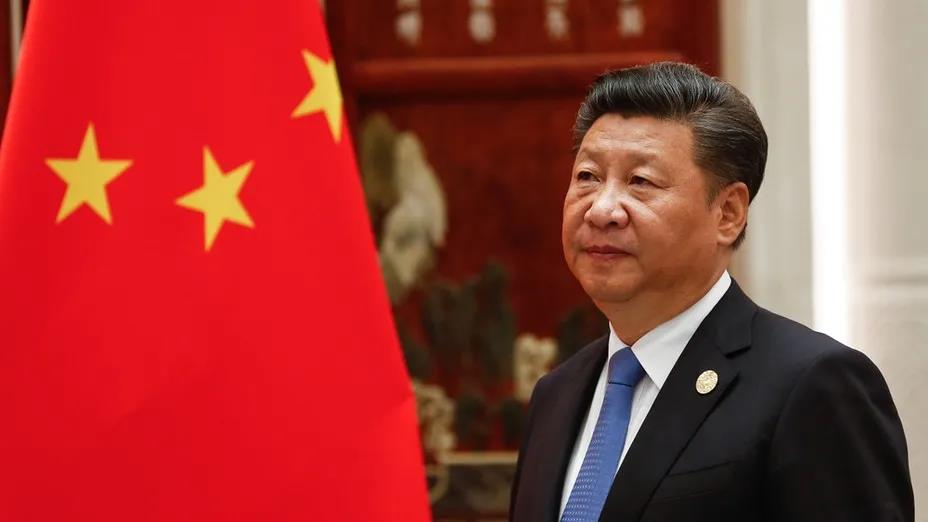
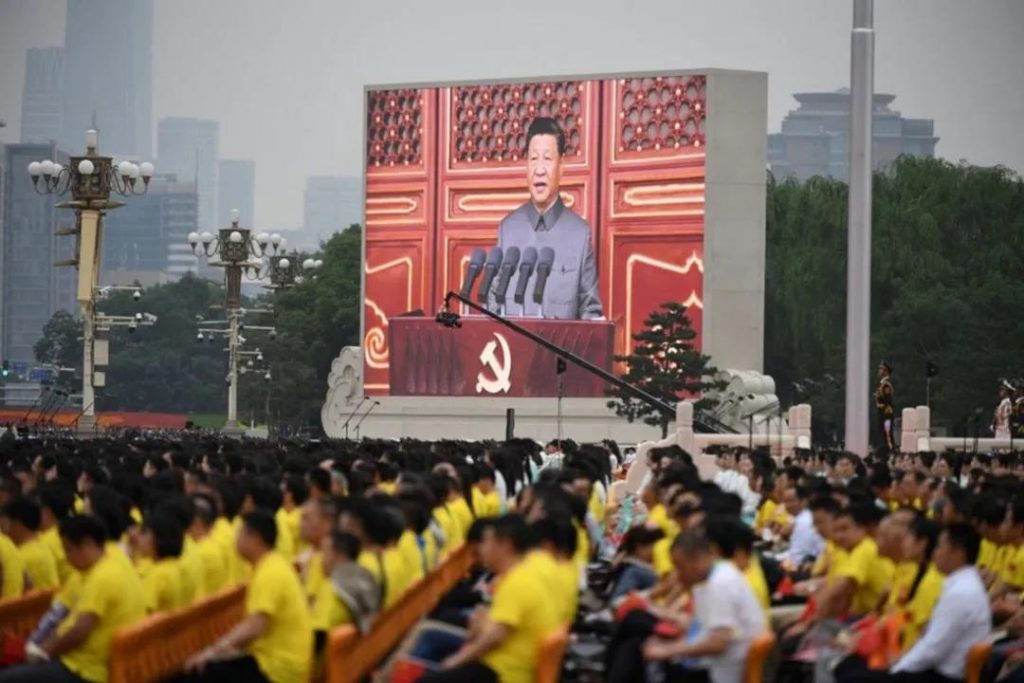
On August 17, 2021, President Xi Jinping explained the concept of “common prosperity” at the Central Finance Committee Meeting. He said, “common prosperity is a key requirement of socialism and a major feature of Chinese-style modernization.”
This is a clear signal that policies are in for a sea of changes, from reforming income distribution and providing more equal opportunities in education, healthcare, pension and housing to addressing monopolistic behaviors and extending boundaries of prosperity from material needs to spiritual satisfaction. The immediate focus might be put on reducing income inequality through the so-called “primary, secondary and tertiary wealth distribution.”
Many have commented on the implications of the new policy, especially for new areas of investment.
A report by China Securities says new investment opportunities will emerge in the following areas:
1) More resources for infrastructure building and upgrading in underdeveloped areas, with focus on hardware and software for the digital economy;
2) Enhanced growth opportunities for manufacturing and disruptive small and midsize enterprises in information technology, new energy and biomedical industries;
3) Better education, medical and elderly care services;
4) Expansion of channels for citizens to earn higher incomes, including “tertiary distribution” of wealth, promotion of charity foundations, and more long-term wealth management methods. This means additional capital flows into the securities market benefitting brokerages and insurance sectors;
5) Consumption upgrade to enhance growth opportunities in consumer goods, as well as services such as cultural, media, sports and entertainment.
The new policy will obviously change the operating environment, requiring local and foreign companies to evaluate if and how they should develop new strategies to address these changes.
The key objective of common prosperity is to reshape the societal structure from a pyramid-shaped structure to an oval-shaped one with the widest part representing the middle class. It also means that average income should continue to increase. One can expect continued growth in demand for a wide range of products and services leading to better healthcare and an improved lifestyle.
The importance of collective interests will heighten, though it may not outweigh legitimate individual interests. So, while companies will continue to pursue individual interests, they will have to be mindful of the redrawn “red lines” that will define excessive monopolistic market behavior, violation of data security law, distortion of certain societal values, a more balanced developmental environment for the younger generation, fulfillment of basic welfare for employees, and the like.
The pursuit of common prosperity means that at the most fundamental level, all businesses would be expected to take better care of their employees, with more benefits and more reasonable working hours. To this end, automaker Geely has already proposed a program to offer 350 million new shares (3.56% of total equity) to employees.
Societal impact and contributions will have to be increasingly important considerations for companies. “ESG” (environment, society and governance) and corporate social responsibilities will have to be assigned greater importance by companies and investors.
Focus of growth will also shift. While the consumer internet (and the mega-platforms) has generated much buzz in China over the last decade, focus will likely shift to areas such as “hard tech,” manufacturing, life sciences, new energy, environment, sustainability, industrial internet, agriculture and others. Also, services for the burgeoning middle class will become more prevalent. More innovations can be expected in these areas in due course.
Additionally, the practice of some internet companies using sophisticated algorithms to track individuals ubiquitously will be subject to restraints, at least to ensure it isn’t blatant. Fulfilling the new data security law will be essential going forward.
The common prosperity policy must be viewed as part and parcel of other key policy initiatives including pursuing “dual circulation” economic policy, targeting technological self-sufficiency, adopting the dual approach of building major regional city clusters while revitalizing rural areas, launching central bank digital currency, achieving carbon neutrality by 2060 and others. Together, they form China’s pursuit of its own “modernity with Chinese characteristics.”
In this vein, companies across many sectors will need to address some fundamental questions. For instance, global manufacturing companies need to decide how much of their manufacturing and supply chain they should shift into, or out of, China. To what extent should China remain the hub of their supply chains? Industries such as the semiconductor industry are being disrupted by changing geopolitics and individual country policies, and need to decide how to reposition themselves in the new global industrial structure. Foreign companies that generate and capture data in China must find ways to satisfy China’s data security law while also meeting their home country’s data security requirements.
More profoundly, the fundamental nature of some of the businesses will change to some extent. As smart cities which serve the public agenda come up all over China, business models of a range of industries will need to integrate significantly with public infrastructure. In these cases, private sector businesses will no longer be able to define strategic and operational parameters simply by themselves. Close coordination and collaboration with the public sector will become necessary. Sectors such as intelligent and connected vehicles, mobility-as-a-service, digital health, smart energy and modern agriculture are areas that come to mind.
We will likely see more new ventures take the form of public-private partnerships (PPP) and new ecosystems of government, state-owned enterprises and private sector companies will be formed. Companies will have to critically examine the continued vitality of their partnerships in China.
China’s pursuit of common prosperity is a huge social undertaking and this will be a game changer in many ways. When done right, it will mean setting a foundation for more balanced and sustainable growth over time, and creating change that may have major impact on the rest of the world. It will have implications for all kinds of businesses operating in China. At the minimum, companies will need to comply with new policies and regulations. At the maximum, even the fundamental nature of some businesses will be re-defined. As such, companies need to fundamentally re-think their strategies, and for those who have global presence, this may have severe implications for their operations in the rest of the world, too.



















































 图片来源:高风分析
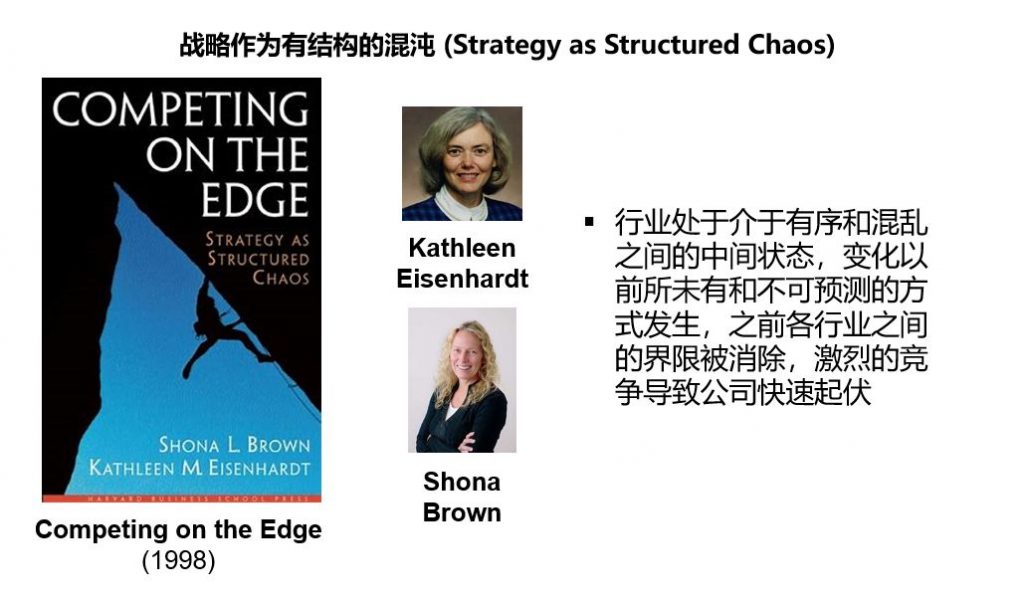
 上世纪90年代初期,我回到中国内地工作并出任波士顿咨询公司(BCG)负责中国区业务的全球合伙人,BCG是中国政府正式批准在华运营的第一家外资战略咨询公司。当时中国的改革开放方兴未艾,中国的企业管理界还是处于早期的发展阶段,企业家们对管理理念和思想还不是非常了解。当时很多中国企业家普遍有一个疑问:究竟他们的企业应该多元化还是聚焦?许多企业家认为这是他们要解决的最核心的战略问题。当时的咨询公司都是国外来的,包括我代表的BCG,中国本土咨询公司还未出现。外来的咨询公司一直给中国企业灌输一种简单二元的理念——战略不是多元化就是聚焦,不存在其他选择,而一般的外来咨询公司都倾向于劝导企业家们应该聚焦,不要什么都做。这反映了他们源自于欧美当时主导战略思想的惯性思维。但在当时,受益于改革开放的红利,中国市场的新机会不断出现,而当企业家们面对市场繁多机会却被告知他们应该选择有限的时候,他们往往感到十分困惑。与此同时它们往往看到在海外许多华人的企业,特别是那些家族型企业却是在多元化经营,而不少亦非常成功。这样的比较和外来咨询公司给予他们建议的落差往往让不少中国企业家甚为失落,不知如何是好。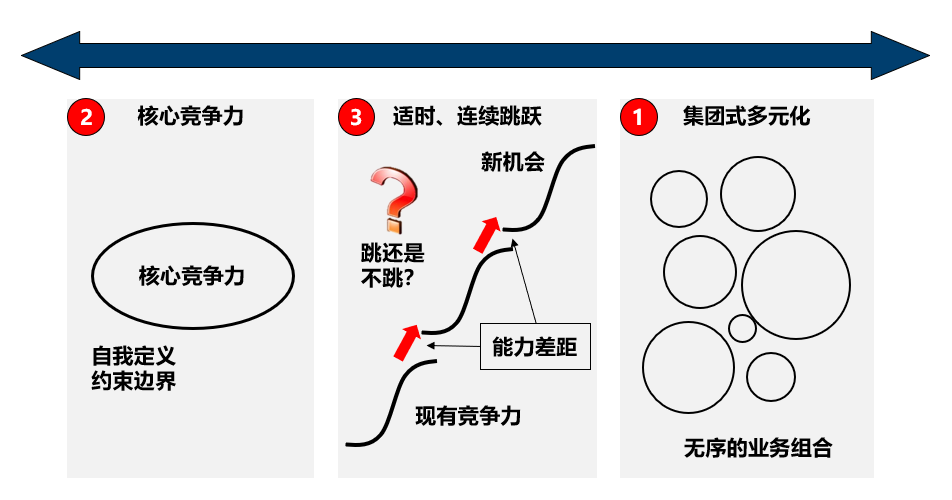
 资料来源:高风分析
 资料来源:高风分析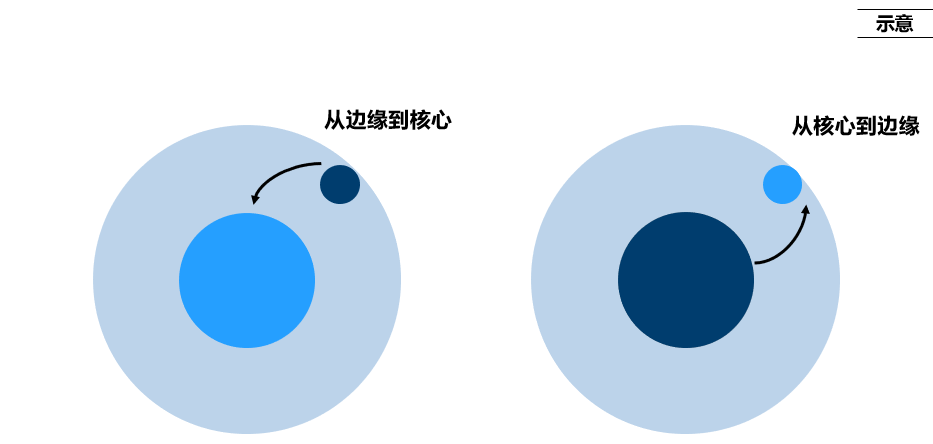

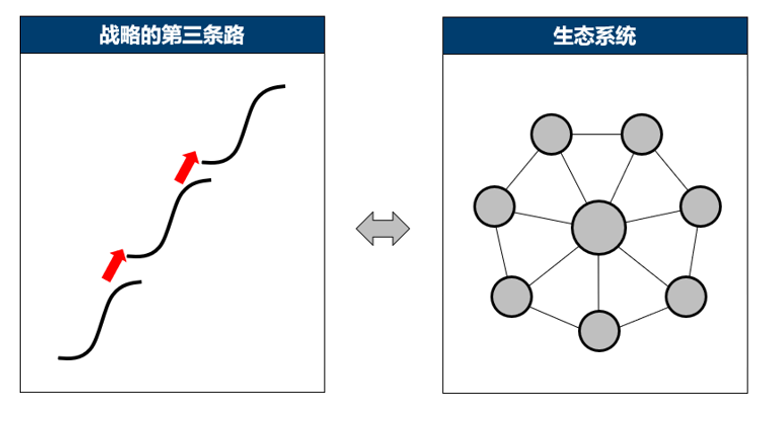 资料来源:高风分析
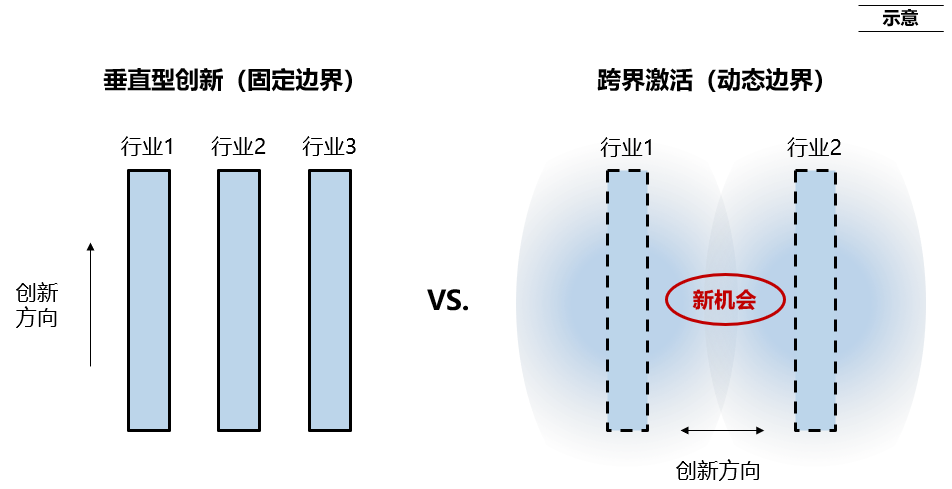 资料来源:高风分析
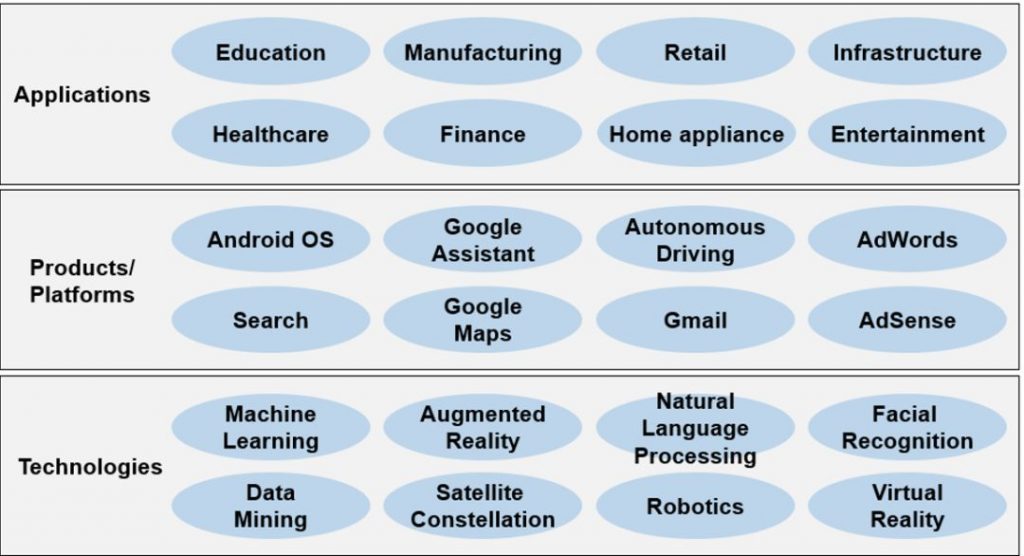 资料来源:高风分析